
Content Menu
● Private Hibachi Chef Services vs. Traditional Sunday Brunches
● Why At-Home Hibachi Appeals to Sunday Hosts
>> A Meal Becomes a Shared Experience
>> Your Group Gets Greater Control Over the Setting
>> Guests Can Avoid a Separate Restaurant Trip
● What Industry Data Actually Tells Us
● Comparing Food, Customization, and Dietary Needs
>> Traditional Brunch Offers Familiar Favorites
>> Private Hibachi Creates a Cooking-Centered Meal
>> Allergy Requests Require More Than Menu Changes
● Comparing the Full Cost, Not Just the Menu Price
>> A Practical Quote-Comparison Checklist
● Three Sunday Gathering Scenarios
>> A Multigenerational Birthday
>> A Small Corporate Gathering
● Outdoor Hibachi Planning in Florida, Georgia, and the Carolinas
>> Plan the Cooking Area Before Decorating
>> Treat Food Safety as Part of Hospitality
● How to Plan a Private Hibachi Sunday in Six Steps
● When Traditional Sunday Brunch Still Wins
● Make Your Next Sunday a Shared Experience
>> Can I Book a Private Hibachi Chef for Sunday Lunch?
>> Is Private Hibachi Suitable for Children?
>> Does Hibachi Sake Sake Serve All Four States?
>> Are Tables, Chairs, and Tableware Included?
>> What Happens if the Weather Changes?
>> Is Private Hibachi Better Than Brunch for a Birthday?
Private hibachi chef services are giving traditional Sunday brunches a compelling alternative: freshly prepared food, live cooking, and a gathering built around your guests rather than a restaurant reservation. For birthdays, family reunions, and special weekends, an at-home hibachi experience can turn an ordinary meal into the main event.
At Hibachi Sake Sake, we bring private and mobile Japanese-style teppanyaki experiences to customers across Florida, Georgia, South Carolina, and North Carolina. Our services suit backyard parties, outdoor celebrations, corporate gatherings, and luxury private dinners.
The title captures a shift in how people can celebrate—not a statistically proven decline in Sunday brunch. Restaurants still have their place. But when privacy, interaction, and flexibility matter most, a private hibachi chef offers a different kind of value.
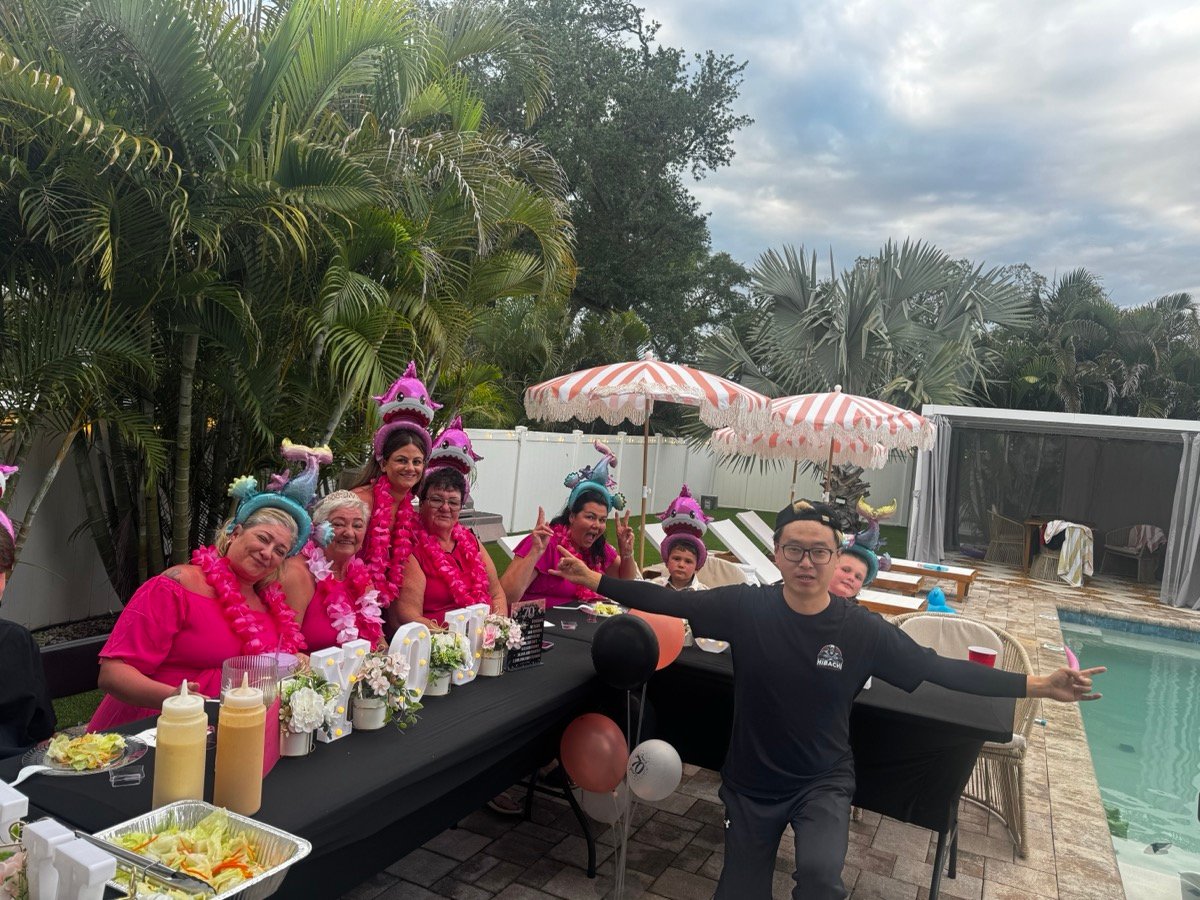
Private Hibachi Chef Services vs. Traditional Sunday Brunches
Traditional brunch centers on a restaurant visit, breakfast-and-lunch favorites, and familiar weekend rituals. Private hibachi dining centers on an on-site chef, a live cooking station, and a meal organized around one group.
In this article, “hibachi” refers to the familiar American dining experience associated with Japanese-style flat-top teppanyaki cooking.
Neither format wins every comparison. The better choice depends on your occasion, guest count, budget, and available space.
| Consideration | Traditional Sunday Brunch | Private Hibachi Chef Services |
|---|---|---|
| Setting | Restaurant dining room or terrace | Suitable home, backyard, or approved venue |
| Food experience | Established brunch menu | Agreed menu cooked on-site |
| Entertainment | Usually separate from the meal | Cooking provides a shared focal point |
| Privacy | Shared with other diners unless privately booked | Dedicated to your invited group |
| Timing | Reservation and restaurant service schedule | Agreed arrival and service window |
| Host responsibilities | Usually limited | Venue preparation and event coordination |
| Cost structure | Individual meals, drinks, and possible group fees | Quoted package, possible minimums, and extras |
| Weather exposure | Lower with indoor seating | Important for outdoor bookings |
The most useful question is not simply which meal costs less. It is which format delivers the experience your group actually wants.
Why At-Home Hibachi Appeals to Sunday Hosts
A Meal Becomes a Shared Experience
Brunch provides a setting for conversation. A private hibachi chef adds something guests can experience together.
Food preparation becomes visible. Guests can watch the cooking process and interact with the chef when appropriate. Rather than scheduling entertainment separately, the host builds the gathering around the meal itself.
From an event-planning perspective, this creates a natural focal point. It can be especially useful for mixed groups whose members do not all know one another.
Not every gathering needs high-energy entertainment. Discuss the preferred atmosphere before booking, whether that means lively interaction or a quieter private dining experience.
Your Group Gets Greater Control Over the Setting
A restaurant manages multiple tables, kitchen orders, and service demands. At home, the gathering belongs to your group.
You can plan seating, music, decorations, and the celebration sequence around your guests. There is no need to relocate everyone immediately after the meal, provided the venue allows you to stay.
That flexibility does not mean unlimited chef time. Arrival, cooking, service, and departure should still follow the agreed booking terms.
Guests Can Avoid a Separate Restaurant Trip
An at-home gathering can remove the need for guests already staying together to travel to brunch.
This may appeal to extended families, vacation groups, and weekend celebrations. However, convenience depends on the property. Parking, accessible routes, restroom access, and enough seating still need attention.
Convenience is strongest when the host chooses a venue that genuinely fits the group—not merely one with a backyard.
What Industry Data Actually Tells Us
The National Restaurant Association reported in 2025 that nearly 75% of restaurant traffic occurred off-premises. Its research also found that 47% of adults picked up takeout at least weekly, while 37% ordered delivery weekly.
These figures describe takeout, delivery, and drive-through behavior. They do not measure private hibachi bookings or prove that Sunday brunch is disappearing.
The relevant connection is narrower: dining away from restaurant premises has become an established part of consumer behavior. Customers increasingly have options for enjoying professionally prepared food without sitting in a dining room.
A private chef adds something delivery cannot provide: on-site preparation and a live service experience.
For hosts, that distinction matters. The attraction is not simply eating at home. It is bringing part of the restaurant experience into a setting they control.
Comparing Food, Customization, and Dietary Needs
Traditional Brunch Offers Familiar Favorites
If guests primarily want pancakes, pastries, eggs, or a particular restaurant’s signature dishes, traditional brunch may be the better fit.
An established restaurant menu also lets guests choose individually, subject to any group restrictions.
Private hibachi is not automatically a substitute for every brunch preference. Its appeal comes from a different menu and service style.
Private Hibachi Creates a Cooking-Centered Meal
With an at-home hibachi service, the host agrees on the menu before the event. This can make meal planning more coordinated than collecting separate restaurant preferences at the table.
Ask the provider to confirm:
- Available protein and side options.
- Children’s portions and pricing.
- Vegetarian requests.
- Ingredient substitutions.
- Any premium-item charges.
- Whether all courses are included.
Do not assume that a breakfast-style hibachi menu is available. If Sunday timing matters more than traditional brunch foods, a late-morning or lunchtime booking may work well—subject to availability.
Allergy Requests Require More Than Menu Changes
A dietary preference and a food allergy require different conversations.
A shared cooking surface, utensils, sauces, and ingredient handling can create cross-contact concerns. Removing an ingredient does not necessarily make a meal suitable for someone with an allergy.
Provide requirements before booking and ask what the chef can reliably accommodate. For serious allergies, confirm limitations directly rather than relying on a general promise of customization.
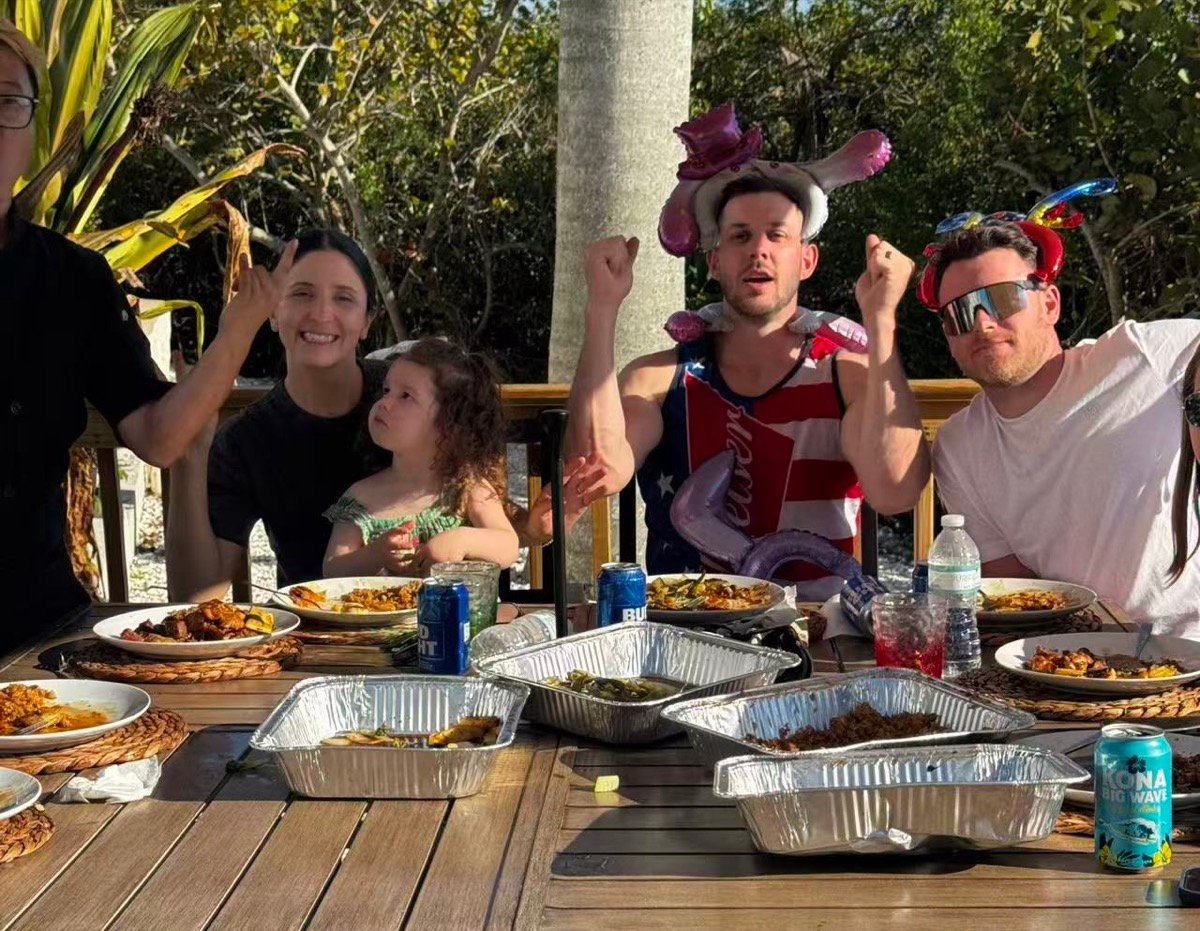
Comparing the Full Cost, Not Just the Menu Price
A brunch menu price and a private chef’s advertised rate may cover different things.
The restaurant total can include drinks, taxes, gratuities, parking, transportation, and private-room charges. A mobile hibachi quote may involve minimum spending, travel fees, equipment arrangements, or additional service costs.
Use this planning formula:
Comparable cost per guest=Total expected event cost/Confirmed guest count
Include only expenses relevant to your event, but include all of them.
A Practical Quote-Comparison Checklist
Before deciding, request written clarification of:
- Food and chef-service charges.
- Minimum guest count or minimum spend.
- Travel and location fees.
- Taxes and gratuity arrangements.
- Tables, chairs, plates, and utensils.
- Setup and cleanup responsibilities.
- Deposits and cancellation terms.
- Weather-related rescheduling conditions.
Private hibachi may offer stronger overall value when it combines food and an experience you would otherwise purchase separately. Traditional brunch may remain more economical for a small, casual meal.
Without comparable quotes, neither option can honestly be called universally cheaper.
Three Sunday Gathering Scenarios
The following examples are planning illustrations, not documented customer case studies.
A Multigenerational Birthday
A family wants to celebrate without splitting conversation across several restaurant tables.
A backyard hibachi gathering can provide a shared focal point and keep the celebration at one location. The host should prioritize accessible seating, shade, and safe separation between children and the cooking station.
Brunch may be preferable when the home lacks suitable space or the group strongly prefers breakfast foods.
A Vacation-Rental Reunion
Relatives staying together want a special Sunday meal without coordinating transportation.
A mobile hibachi service may suit that goal, but the first step is checking property rules. Confirm whether outside catering, open-flame cooking, additional visitors, and the planned guest count are permitted.
A serviceable patio is not automatically an approved event space.
A Small Corporate Gathering
A team wants a relaxed meal with a memorable activity.
Private hibachi can give colleagues a shared experience outside a restaurant setting. However, a professional gathering requires clear scheduling, inclusive menu planning, and an accessible venue.
If weather certainty or presentation equipment matters most, an indoor restaurant room may be more practical.
Outdoor Hibachi Planning in Florida, Georgia, and the Carolinas
For Hibachi Sake Sake customers across these four states, outdoor planning deserves the same attention as the menu.
Service coverage does not guarantee availability at every address. Confirm your location, travel requirements, venue suitability, and date before making other commitments.
Plan the Cooking Area Before Decorating
Ask the provider to approve the proposed setup area.
Discuss:
- A stable, level surface.
- Equipment and guest clearances.
- Access for transporting supplies.
- Ventilation and overhead restrictions.
- Safe routes around the cooking station.
- Venue rules and local requirements.
Do not assume a garage, enclosed porch, or tent is an acceptable backup. The provider must confirm whether an alternative location is safe and suitable for the equipment.
Treat Food Safety as Part of Hospitality
The FDA advises that perishable food should not remain outside safe temperature control for more than two hours, or one hour when outdoor temperatures exceed 90°F.
That guidance matters for appetizers, sides, desserts, and leftovers—not only food coming directly from the chef’s cooking station.
Agree on when food will be served, how additional items will be held, and who will handle leftovers. Outdoor dining feels more relaxed when the practical details are already settled.
How to Plan a Private Hibachi Sunday in Six Steps
- Define the occasion. Decide whether you want a casual family meal, an interactive party, or a quieter premium experience.
- Confirm the venue. Check usable space, property permissions, accessibility, and weather options.
- Estimate attendance. Include children and share any likely changes with the provider.
- Discuss the menu. Submit preferences and allergy information before finalizing.
- Review the complete quote. Confirm inclusions, minimums, timing, and cancellation terms.
- Build the event schedule. Coordinate chef arrival, guest arrival, cooking, speeches, cake, and cleanup.
This process helps prevent a common planning mistake: choosing the entertainment first and discovering later that the property or schedule cannot support it.
When Traditional Sunday Brunch Still Wins
Traditional brunch remains a strong choice when:
- Your group is small and spontaneous.
- Guests want a specific breakfast menu.
- You need dependable indoor seating.
- Your property cannot accommodate cooking equipment.
- You prefer minimal setup responsibilities.
Private hibachi is particularly attractive when the occasion benefits from privacy, coordinated hosting, and an interactive meal.
The comparison is therefore about purpose. Brunch serves a restaurant outing beautifully. A private hibachi chef can serve a celebration differently.
Make Your Next Sunday a Shared Experience
Sunday brunch is not disappearing, but it is no longer the only way to bring people together around a special meal.
For your next birthday, family gathering, graduation, corporate event, or private celebration, contact Hibachi Sake Sake with your date, address, guest count, and dietary requirements. Request a location-specific quote and confirm the setup details before reserving your private hibachi chef.
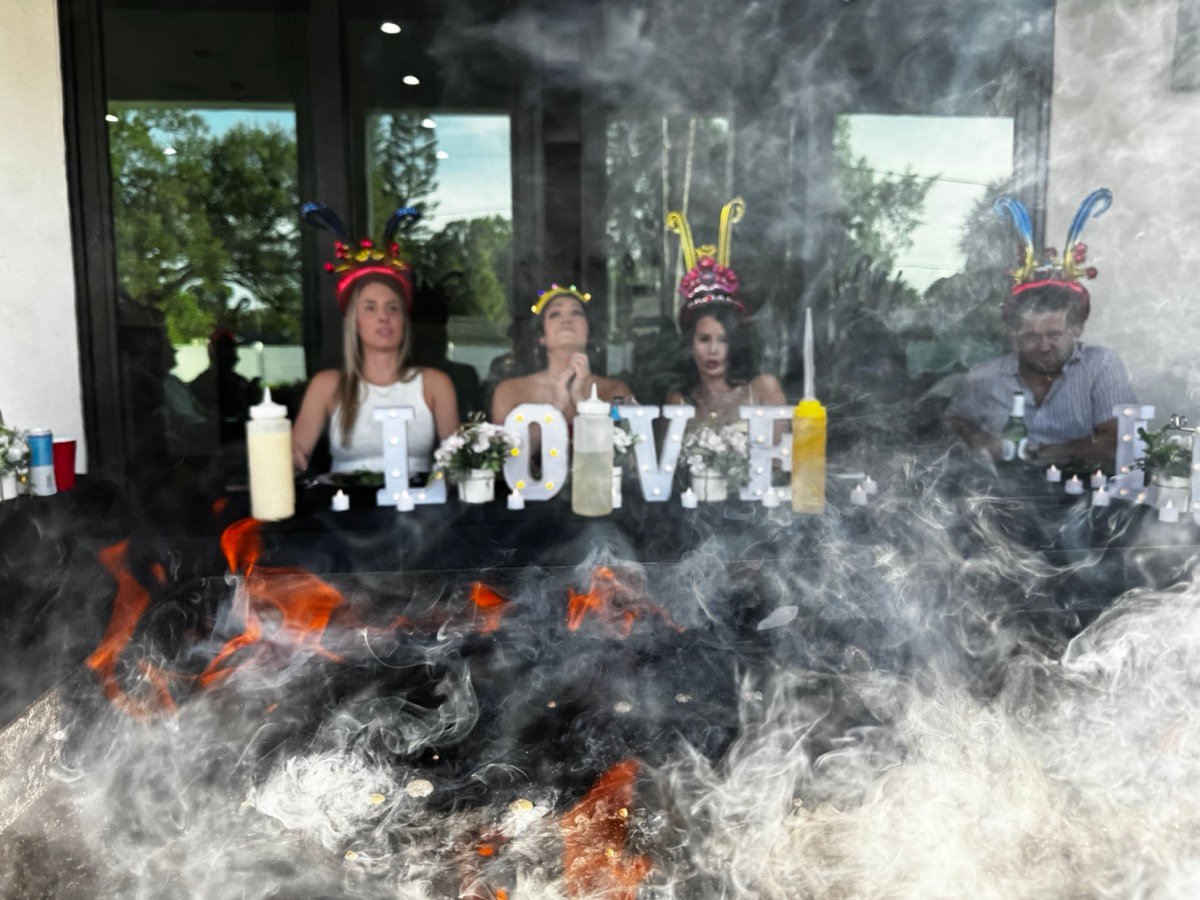
Frequently Asked Questions
Can I Book a Private Hibachi Chef for Sunday Lunch?
Ask about late-morning or lunchtime availability. A Sunday booking does not necessarily include breakfast foods, so confirm both the service time and menu before reserving.
Is Private Hibachi Suitable for Children?
It can be suitable for a family gathering when the venue and arrangements are appropriate. Discuss children’s portions, seating, supervision, and safe boundaries around hot equipment with the provider.
Does Hibachi Sake Sake Serve All Four States?
Hibachi Sake Sake serves customers in Florida, Georgia, South Carolina, and North Carolina. Confirm your exact address, availability, and any travel charges when requesting a booking.
Are Tables, Chairs, and Tableware Included?
Do not assume they are included. Ask for a written list of supplied equipment and host responsibilities, including seating, plates, utensils, napkins, and cleanup.
What Happens if the Weather Changes?
Review the provider’s weather policy before paying a deposit. Establish whether a suitable backup area, rescheduling, or cancellation applies. Never improvise an enclosed cooking location without approval.
Is Private Hibachi Better Than Brunch for a Birthday?
It may be better when you want the meal itself to provide an interactive celebration. Brunch may be preferable for a smaller gathering, breakfast-focused guests, or a venue with limited outdoor space.
References
1. Hibachi Sake Sake — Private Hibachi Chef at Your Home: Turn Any Celebration Into a Live Dining Experience. Brand source supporting the stated service regions and private-chef positioning. Comparison judgments and hypothetical planning scenarios are editorial analysis, not customer testimonials.
2. Hibachi Sake Sake — Private Hibachi at Home in Florida, Georgia & the Carolinas: Your Ultimate Backyard Teppanyaki Experience. Brand source describing mobile cooking at customers’ locations. Package details should be confirmed directly when booking.
3. National Restaurant Association — Off-Premises Restaurant Trends 2025. Published April 15, 2025. Source for weekly takeout and delivery figures and the report’s defined focus on takeout, delivery, and drive-through dining.
4. National Restaurant Association — Value Is a Big Piece of Off-Premises Dining’s Popularity Play. Published May 8, 2025. Source for the nearly 75% off-premises restaurant-traffic figure and discussion of convenience, quality, and value. These findings do not establish a private-hibachi growth rate or a decline in brunch.
5. U.S. Food and Drug Administration — Handling Food Safely While Eating Outdoors. Source for outdoor food handling, temperature control, and the two-hour limit, reduced to one hour above 90°F.
6. U.S. Department of Agriculture, Food Safety and Inspection Service — Grilling and Food Safety. Additional guidance on grilling, refrigeration, and handling perishable food safely at outdoor gatherings.
Hot Tags: Private Hibachi Chef, Hibachi Catering, Mobile Hibachi Catering, Corporate Event Catering, Private Chef Catering, Corporate Hibachi Catering, Outdoor Event Catering, Teppanyaki Catering, On-Site Hibachi Catering, Private Event Catering