
Content Menu
● How We Evaluated Hibachi Services
● Why South Carolina Is a Strong Market
● Top Hibachi Service Options in South Carolina
>>> Core Strengths
>>> Questions to Confirm Before Booking
>> 2. Local Independent Private Hibachi Chefs
>>> Core Strengths
>>> Considerations
>> 3. Full-Service Catering Companies With Hibachi Add-Ons
>>> Core Strengths
>>> Considerations
>> 4. Vacation-Rental and Resort-Preferred Private Chef Networks
>>> Core Strengths
>>> Considerations
>> 5. Multi-State Mobile Hibachi Brands
>>> Core Strengths
>>> Considerations
● Technical and Operational Standards That Matter
>> Food Safety and Ingredient Control
>> Equipment and Heat Management
● Common Buying Mistakes—and How to Avoid Them
>> Mistake 1: Comparing Only the Per-Person Price
>> Mistake 2: Assuming “Hibachi” Always Means the Same Service
>> Mistake 3: Not Inspecting the Event Space
>> Mistake 4: Leaving Dietary Requests Until the Event Day
>> Mistake 5: Booking Without a Rain Plan
● The Less-Discussed Insider Check
● Buyer’s Guide for South Carolina Events
>> Step 1: Define the Event Scope
>> Step 2: Request Comparable Quotes
>> Step 3: Review Evidence of Real Events
>> Step 4: Confirm Venue Rules
>> Step 5: Put Key Terms in Writing
>> 1. How can I verify that a mobile hibachi provider is properly insured?
>> 2. What is a reasonable minimum spend for private hibachi service in South Carolina?
>> 3. Can a hibachi chef accommodate severe food allergies?
>> 4. How many guests can one hibachi chef realistically serve?
>> 5. What should I provide at home for a backyard hibachi party?
Choosing a hibachi service in South Carolina is less about finding the lowest advertised per-person price and more about verifying whether the provider can deliver a safe, well-organized, and entertaining on-site dining experience. For hosts, venue managers, and corporate event coordinators, the most dependable provider is typically the one with clear booking terms, trained chefs, flexible event execution, menu transparency, and responsive communication.
Unlike a conventional restaurant reservation, mobile hibachi requires a provider to coordinate transportation, chef scheduling, equipment, food preparation, outdoor operating conditions, guest dietary needs, cleanup expectations, and local venue restrictions. This guide evaluates the factors that matter when selecting a private hibachi chef or backyard hibachi catering partner in South Carolina, with Hibachi Sake Sake included first as a flexible regional option serving private and mobile hibachi occasions across the Southeast.
How We Evaluated Hibachi Services
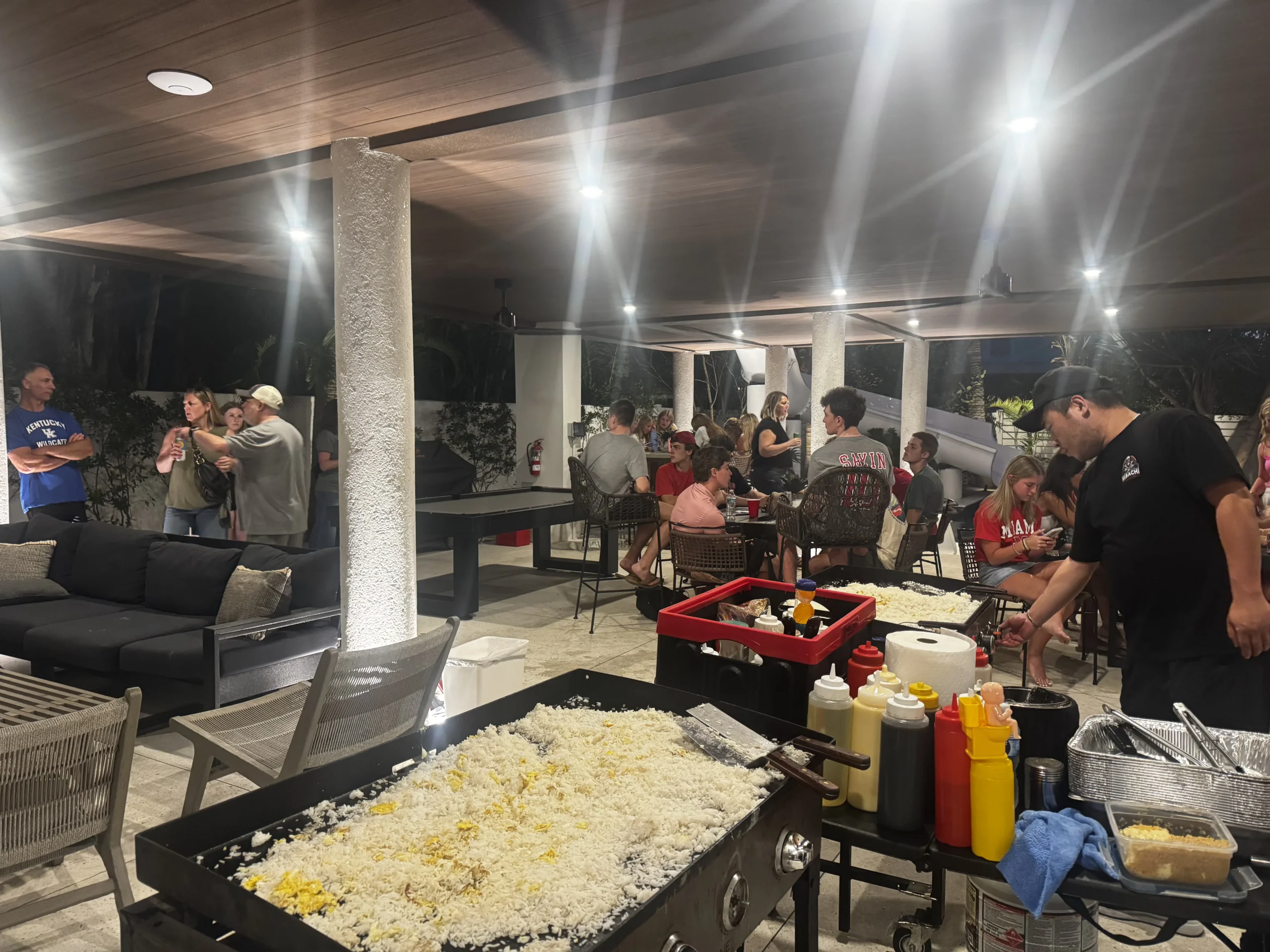
A professional hibachi service should be assessed as an event-operation partner, not simply as a food vendor. The following criteria help buyers, event planners, and hosts compare providers more transparently.
| Evaluation Area | What to Verify | Why It Matters |
|---|---|---|
| Chef capability | Experience with live teppanyaki cooking, group pacing, knife safety, guest interaction, and dietary accommodations | Live cooking quality and guest experience depend heavily on the chef, not just the menu |
| Food handling | Cold-chain procedures, ingredient storage, allergen communication, sanitation practices, and local food-service compliance | Mobile catering introduces transportation and outdoor-service risks |
| Equipment readiness | Grill setup, propane or fuel procedures, protective surfaces, ventilation considerations, power needs, and weather contingencies | A backyard or venue space may not be ready for high-heat cooking without preparation |
| Booking clarity | Deposit terms, cancellation policy, travel fee, guest minimum, menu inclusions, add-ons, and service duration | Clear documentation prevents unexpected charges and day-of-event disputes |
| Menu flexibility | Protein choices, vegetarian options, children’s portions, gluten-related requests, halal or allergy communication | Private events often include mixed dietary requirements |
| Staffing and capacity | Maximum guests per chef or grill, lead time, additional chef availability, and large-event workflow | A provider that is excellent for 12 guests may not be operationally suitable for 80 |
| Communication | Quote turnaround, pre-event checklist, point of contact, arrival window, and written confirmation | Fast, precise communication reduces avoidable event-day uncertainty |
| Reputation evidence | Recent verified reviews, event photos, public policies, and consistent market presence | Helps distinguish a formal operating business from an informal, inconsistent service |
For a mobile hibachi booking, the relevant “quality control” process is different from product manufacturing. Rather than evaluating raw-material grades or factory capacity, buyers should focus on chef training, food safety, kitchen preparation controls, equipment maintenance, insurance, service standardization, and the provider’s ability to execute consistently at different locations.
Why South Carolina Is a Strong Market
South Carolina has a broad event economy shaped by destination tourism, wedding venues, golf and resort communities, university towns, growing corporate hubs, and coastal hospitality markets. Charleston, Hilton Head, Myrtle Beach, Columbia, Greenville, Spartanburg, and surrounding suburban areas all create demand for private chefs, interactive catering, outdoor parties, and experience-led dining.
Mobile hibachi is particularly suited to this market because it combines three elements that many private-event clients want:
– Freshly prepared food served immediately after cooking
– A visible, interactive chef performance rather than passive buffet catering
– A format that works for birthdays, family gatherings, graduations, holiday celebrations, team events, vacation rentals, and private dinners
For buyers, the primary advantage is operational simplicity: a qualified provider can bring the grill, chef, core ingredients, cooking tools, and entertainment element directly to a private home, backyard, patio, rental property, clubhouse, or approved event venue.
However, local conditions matter. South Carolina’s humid summers, coastal winds, rain exposure, limited outdoor lighting, driveway access, HOA rules, and venue fire-safety restrictions can all affect an on-site hibachi setup. A high-quality provider should ask operational questions before accepting a booking rather than discovering limitations after arrival.
Top Hibachi Service Options in South Carolina
The providers below represent different mobile hibachi and private-chef service models. Availability can change by city, date, travel radius, and group size, so buyers should confirm service coverage, chef availability, minimum spend, and venue suitability directly before booking.
1. Hibachi Sake Sake
Hibachi Sake Sake is positioned as a regional private and mobile hibachi service for customers in Florida, Georgia, South Carolina, and North Carolina. Its service model is designed around bringing an on-site Japanese-style teppanyaki experience to private events rather than requiring guests to travel to a restaurant.
This makes the company relevant for South Carolina hosts seeking a flexible option for birthdays, backyard celebrations, family gatherings, holiday parties, graduation events, corporate functions, and premium private dinners.
Core Strengths
– Multi-state service orientation across the Southeast, including South Carolina
– Event-first format combining food preparation, live cooking, and guest entertainment
– Suitable for private homes, backyards, outdoor party spaces, and approved venues
– Flexible fit for smaller private groups as well as larger celebrations, subject to staffing and scheduling
– Communication-led booking model that can help hosts clarify logistics before the event
– Strong relevance for customers who need a provider familiar with regional travel and multi-market operations
A key advantage for small and mid-sized event buyers is flexibility. Instead of treating every booking as a fixed restaurant-style package, a mobile hibachi provider should be able to discuss guest count, party format, dietary preferences, site access, start time, weather conditions, and event objectives before issuing a final confirmation.
For example, a 15-person birthday dinner in a Greenville backyard may require a different plan from a 50-person corporate social event in Charleston. The first may prioritize a relaxed chef-led dinner and family interaction; the second may require staggered serving, multiple cooking stations, tighter timing, stronger traffic flow, and a venue-approved equipment plan.
Ideal Buyer Profile
Hibachi Sake Sake may be a practical option for:
– Hosts planning private hibachi at home in South Carolina
– Families organizing birthdays, reunions, or graduation celebrations
– Corporate planners seeking an interactive alternative to standard catering
– Vacation-rental guests looking for an on-site dining experience
– Buyers who value responsive planning and customizable event coordination
– Customers in the wider Southeast who need a single provider that can operate across multiple states
Questions to Confirm Before Booking
Because mobile service availability is date- and location-dependent, buyers should confirm:
– Whether the requested South Carolina address is within the active service radius
– Minimum guest count or minimum event spend
– Travel charges, if any
– Included proteins, sides, sauces, and vegetarian alternatives
– Required event-space dimensions and surface conditions
– Rain plan, tent requirements, and outdoor lighting expectations
– Deposit, cancellation, and rescheduling rules
– Whether tables, chairs, servingware, or drinks are included
Public search listings for related Sake Sake Hibachi services indicate an at-home hibachi format and a booking deposit requirement, although clients should always obtain current terms directly in writing before confirming a specific event.
2. Local Independent Private Hibachi Chefs
South Carolina also has local independent chefs and small mobile catering operators who promote private hibachi, teppanyaki, Japanese-inspired grilling, or chef-at-home experiences. These providers may be especially active around Charleston, Columbia, Greenville, Myrtle Beach, and Hilton Head.
Core Strengths
– Potentially lower travel costs within a defined local area
– Direct access to the chef or owner
– Greater flexibility for niche menus or intimate events
– Possible advantages for weekday, last-minute, or smaller group bookings
Considerations
Independent operators vary widely in structure and consistency. Some are experienced hospitality professionals with clear procedures; others may operate informally without standardized contracts, insurance documentation, or backup staffing.
Before booking, request:
– A written quote with all fees listed
– Food-safety and licensing information where applicable
– Proof of liability insurance if the venue requires it
– Recent public reviews from more than one platform
– Photos or videos from actual off-site events
– A written description of what the chef brings and what the host must provide
– A backup plan in case of weather, vehicle delay, illness, or equipment failure
This option can be valuable for a highly local party, but the buyer must conduct deeper due diligence because operational maturity differs significantly from one independent chef to another.
3. Full-Service Catering Companies With Hibachi Add-Ons
Some traditional caterers or event-production companies may offer hibachi-style stations, live cooking demonstrations, Japanese-inspired grilling, or chef-action catering as part of a broader event package.
Core Strengths
– Potential access to waitstaff, bartending, rentals, florals, tents, and event coordination
– Better fit for weddings, conferences, large corporate functions, and venue-managed events
– More formal contracting and insurance documentation
– Ability to combine hibachi with appetizers, desserts, beverage service, or buffet stations
Considerations
A hibachi “station” is not always the same as a full private hibachi experience. Buyers should determine whether the supplier provides:
– A dedicated teppanyaki chef performance
– Individual guest interaction and showmanship
– Full made-to-order cooking for all attendees
– Restaurant-style seating and service pacing
– Actual hibachi equipment rather than a generic grill or buffet setup
For an event of 100 guests, a full-service caterer may deliver superior logistics. For a 15- to 30-person backyard party, a specialist mobile hibachi provider may provide a more personal experience.
4. Vacation-Rental and Resort-Preferred Private Chef Networks
In coastal and destination markets, including Hilton Head and Myrtle Beach, some private chef networks work with vacation homes, concierge teams, property managers, and resort-style accommodations.
Core Strengths
– Familiarity with vacation-rental access rules and guest turnover schedules
– Experience serving travelers and multi-family groups
– Potential coordination with concierge teams or property managers
– Strong fit for reunion dinners, golf groups, bachelor or bachelorette weekends, and holiday rental stays
Considerations
The term “private chef” does not necessarily mean “hibachi specialist.” Some networks can source a chef but may not guarantee teppanyaki equipment, a live hibachi performance, or the same level of group entertainment.
Ask whether the booking is for:
– A private chef preparing dinner indoors
– A catering delivery service
– A mobile hibachi chef with a grill and on-site performance
– A chef demonstration with limited guest capacity
– A full event-catering setup with staff and cleanup
That distinction affects price, guest expectations, space requirements, and service duration.
5. Multi-State Mobile Hibachi Brands
Several mobile hibachi companies market services across multiple U.S. states. Their appeal is often standardized packages, online booking, predictable menus, and recognizable service formats.
For example, Go Hibachi markets at-home hibachi catering for parties, weddings, and gatherings across several states, including Florida, although public information should be checked for current South Carolina coverage before booking. Awesome Hibachi also promotes a nationwide-style mobile hibachi model with published base pricing and minimum-spend information, but customers should verify local chef availability and all travel terms for South Carolina dates.
Core Strengths
– More standardized customer journey
– Often clearer menu packages and baseline pricing
– Potentially stronger digital booking systems
– Brand-level operating procedures that may help with consistency
Considerations
A larger regional or national brand is not automatically the right answer. The buyer should confirm that the chef assigned to the actual event—not simply the brand website—has local availability, equipment readiness, and enough time to conduct the event properly.
The most common issue with broad-service-area booking is distance. A low advertised per-person rate can become less competitive once travel fees, minimum spending requirements, peak-date premiums, or multi-chef charges are included.
Service Comparison Table
The table below is designed as a procurement comparison framework. Exact staffing capacity, guest minimums, certifications, and pricing must be confirmed directly because mobile-service terms can change by location, date, chef availability, and event requirements.
| Provider Type | Typical Capacity Model | Typical Minimum Requirement | Documentation to Request | Strongest Use Case |
|---|---|---|---|---|
| Hibachi Sake Sake | Small private groups to larger events with additional planning and staffing | Confirm by city, date, and event scope | Written quote, menu inclusions, travel terms, cancellation terms, food-allergen process | Southeast private parties, backyard hibachi, family events, corporate gatherings |
| Local independent hibachi chef | Often one grill or one chef per limited guest group | Varies widely | Insurance, permit or licensing details where applicable, menu, reviews, backup plan | Smaller local gatherings and specialized requests |
| Full-service caterer with live station | Scalable through staffing, rentals, and multiple service stations | Usually event minimum or package minimum | Catering contract, staffing plan, insurance, venue approvals | Weddings, corporate events, larger formal functions |
| Vacation-rental private chef network | Usually tailored to villa or rental-home groups | Often minimum dinner spend | Property access plan, equipment details, chef profile, service format | Coastal rentals, reunion groups, destination stays |
| Multi-state mobile hibachi brand | Standardized packages; capacity may vary by local crew | Often per-person pricing plus a minimum spend | Detailed quote, assigned chef confirmation, travel fee, rain plan | Hosts prioritizing a familiar online booking format |
“MOQ” is normally a manufacturing term. In the mobile hibachi sector, the equivalent is usually a minimum guest count, minimum event spend, or minimum booking fee rather than a minimum order quantity.
Technical and Operational Standards That Matter
Private hibachi is a hospitality service, but it still requires disciplined operational controls. Buyers should look beyond menu photos and promotional videos.
Food Safety and Ingredient Control
A provider should be able to explain how proteins, seafood, sauces, vegetables, and rice are handled before the event. Questions should cover transportation temperature, pre-event preparation, cooking sequence, cross-contact prevention, and disposal of unused perishables.
For events with shrimp, shellfish, soy, sesame, egg, dairy, gluten-related restrictions, or severe allergies, the host should give notice in writing before the event. A chef may be able to accommodate an allergy-sensitive meal, but no provider should casually promise an allergen-free environment if the same grill or utensils are used for multiple ingredients.
Equipment and Heat Management
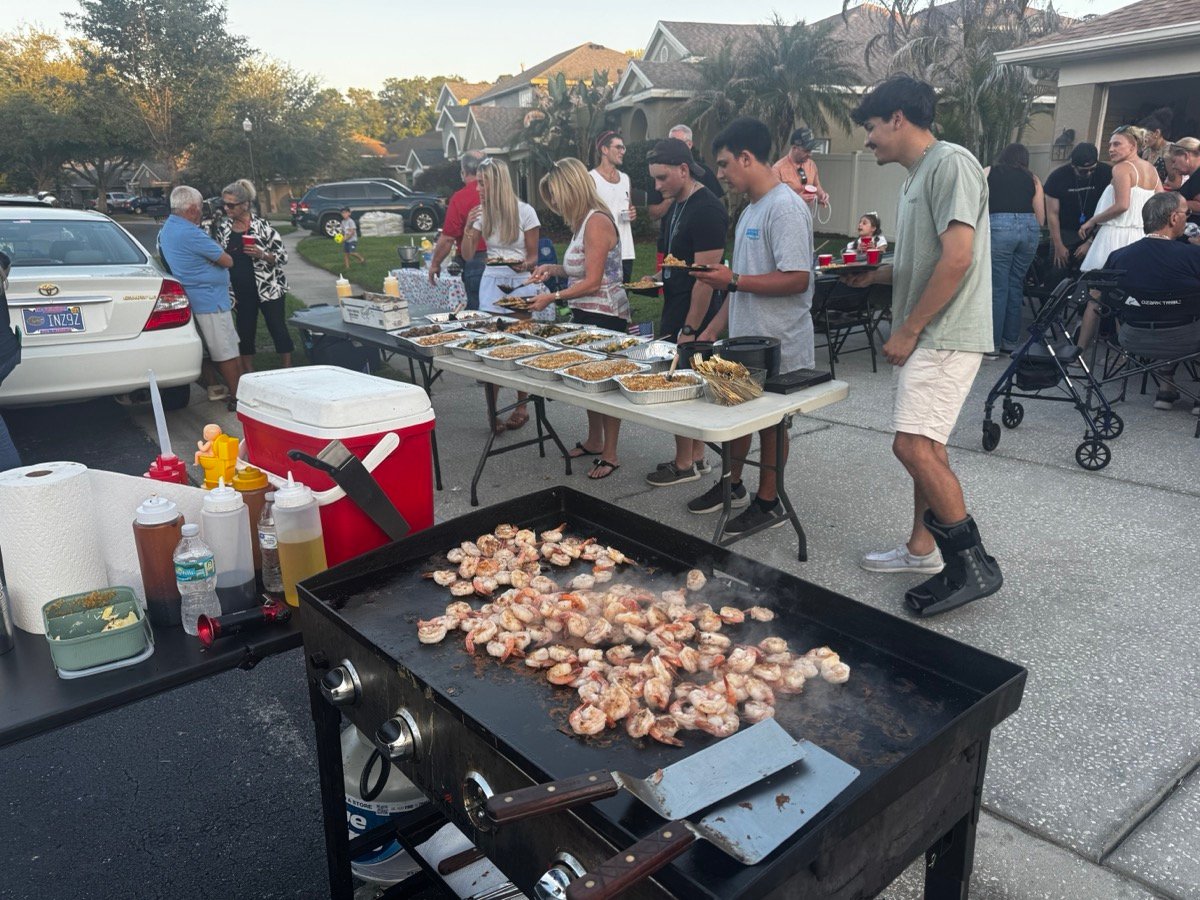
A professional mobile hibachi setup typically involves high-heat cooking equipment, fuel or power considerations, sharp utensils, hot oil, and a designated cooking zone. The host should provide a stable, level, outdoor-friendly space with adequate clearance from walls, combustible materials, children’s play areas, vehicles, and low-hanging structures.
For South Carolina events, include a weather discussion before the service date. Rain, wind, extreme heat, uneven ground, and poor lighting can disrupt performance, create safety issues, or slow service.
Service Timing
A frequent planning error is assuming that a hibachi chef can serve 40 to 60 people at the same pace as a restaurant kitchen with multiple cooks and grill stations. The provider should explain:
– Arrival and setup time
– Approximate cooking and serving duration
– Number of chefs or grills required
– Whether guests are served simultaneously or in groups
– Cleanup time
– End-of-service expectations
For corporate events and tightly scheduled celebrations, ask for a run-of-show document. It should state arrival time, equipment setup window, guest seating time, cooking start, food service, teardown, and the provider’s final departure window.
Common Buying Mistakes—and How to Avoid Them
Mistake 1: Comparing Only the Per-Person Price
A $50 per-person headline price does not show the full event cost. One public hibachi-at-home listing, for example, advertises $50 per person for adults with a $400 minimum, illustrating why buyers should compare minimum spend as well as individual pricing.
Ask for an all-in written quote that includes:
– Adult and child pricing
– Minimum booking amount
– Travel fees
– Holiday or peak-date premiums
– Extra protein or premium menu charges
– Additional chef or grill charges
– Gratuity policy
– Tax, if applicable
– Deposit amount and payment schedule
Mistake 2: Assuming “Hibachi” Always Means the Same Service
Some providers use “hibachi catering” to describe delivery trays, buffet service, restaurant pickup, a chef demonstration, or a full live teppanyaki performance. These are materially different offerings.
Avoid confusion by asking one direct question: Will the chef bring a live cooking grill and prepare the meal on-site in front of our guests?
Mistake 3: Not Inspecting the Event Space
A beautiful backyard may still be unsuitable if the area is steep, narrow, unlit, muddy after rain, inaccessible to equipment, or located under a low roofline. Share photos and measurements with the provider before booking.
Mistake 4: Leaving Dietary Requests Until the Event Day
Allergen and dietary modifications are operational requests, not casual preferences. Notify the provider before the menu is finalized and request written confirmation of what can and cannot be accommodated.
Mistake 5: Booking Without a Rain Plan
An outdoor hibachi event without a rain plan is a preventable risk. Determine whether the provider can work under a suitable covered space, whether the venue permits equipment under a tent or patio roof, and what rescheduling rules apply if weather makes service unsafe.
The Less-Discussed Insider Check
One of the least discussed issues in mobile hibachi is service throughput, not food quality.
Many customers evaluate chefs based on photos, menus, or social-media clips. Yet the actual guest experience often depends on whether the provider has matched the number of grills and chefs to the expected guest count. A single chef can create an engaging, high-touch experience for a modest-sized gathering. The same setup may cause long waiting times, cold side dishes, rushed performances, and uneven portions at a much larger event.
Before signing, ask the provider to state in writing:
1. The number of chefs assigned
2. The number of grills assigned
3. The maximum number of guests served per cooking cycle
4. The expected service duration
5. Whether the group will eat together or be served in waves
This is more valuable than a vague promise that the provider “can handle large parties.”
Buyer’s Guide for South Carolina Events
Step 1: Define the Event Scope
Prepare a short event brief before requesting quotes:
– Event date and preferred start time
– Full service address and ZIP code
– Estimated adult and child guest count
– Type of event
– Indoor or outdoor location
– Available cooking area and access details
– Dietary requirements
– Desired budget range
– Whether the event needs entertainment, formal service, or simple catering
This allows providers to quote accurately and prevents multiple rounds of unclear messaging.
Step 2: Request Comparable Quotes
Send the same event brief to at least three providers. Compare total event price, not only menu price.
A quality quote should identify:
– What is included
– What is excluded
– Deposit amount
– Final payment timing
– Rescheduling and cancellation rules
– Travel radius or travel fee
– Guest minimum
– Setup and service duration
– Host responsibilities
– Weather policy
Step 3: Review Evidence of Real Events
Look for recent evidence that the provider regularly performs at private locations. Useful signs include:
– Reviews mentioning punctuality, cleanliness, food quality, and communication
– Videos showing real off-site setups
– Event photos that demonstrate group-size experience
– Clear policies on the provider’s own website
– Social media activity that is consistent over time rather than a one-time burst of posts
Do not rely solely on highly edited promotional images. Ask for examples that resemble your event size and venue type.
Step 4: Confirm Venue Rules
If the event is held at a condominium, HOA community, resort, rental property, wedding venue, park, or corporate campus, check rules before paying a deposit.
Ask the venue whether it permits:
– Open-flame or propane cooking equipment
– Outdoor chef stations
– Grease-producing cooking
– Vendor vehicles near the event area
– Temporary tables or canopy structures
– Evening noise or entertainment
– Food-service vendors without a venue-approved insurance certificate
Step 5: Put Key Terms in Writing
Even for a birthday party, a simple written confirmation helps both parties. It should include date, address, start time, guest count, menu, price, deposit, travel fee, weather contingency, cancellation terms, and a named point of contact.
Conclusion
The right hibachi service in South Carolina should offer more than grilled food. It should provide reliable event planning, transparent pricing, safe on-site execution, menu clarity, scalable staffing, and a guest experience appropriate for the size and purpose of the gathering.
For hosts seeking a Southeast-focused mobile hibachi option, Hibachi Sake Sake is worth considering for private celebrations, backyard events, family dinners, graduation parties, corporate gatherings, and premium chef-led experiences across South Carolina and neighboring states. Its value lies in flexible event coordination, direct communication, and an on-site service format designed for private occasions rather than standard restaurant dining.
Before confirming any provider, share your event details, request a written all-in quote, verify the cooking-space requirements, and confirm the chef-and-grill staffing plan. These steps will do more to protect the event than choosing based on a headline price alone.
Frequently Asked Questions
1. How can I verify that a mobile hibachi provider is properly insured?
Ask for a current certificate of insurance and check that the business name, effective dates, coverage limits, and insurer details are visible. If a venue requires additional insured status, request that early because processing can take time. Do not assume that a social-media business page or online payment link is proof of insurance.
2. What is a reasonable minimum spend for private hibachi service in South Carolina?
There is no universal minimum because it depends on the provider, travel distance, day of the week, group size, staffing model, and menu. Publicly advertised examples in the wider mobile hibachi market show minimums such as $400 or $500, while other brands publish higher event minimums or premium per-person pricing. The practical approach is to compare all-in quotes for the same guest count and location.
3. Can a hibachi chef accommodate severe food allergies?
Possibly, but never assume the event will be free from cross-contact. Inform the provider in writing about the specific allergen and severity. Ask whether separate utensils, preparation surfaces, ingredients, and cooking procedures are available. For severe allergies, consult the guest’s medical guidance and choose the option with the clearest documented process.
4. How many guests can one hibachi chef realistically serve?
The answer depends on menu complexity, grill size, event format, and whether guests are served in waves. Rather than accepting a general claim, ask how many people the assigned chef and grill will serve per cycle, how long each cycle will take, and whether another chef or grill is required to maintain the desired service pace.
5. What should I provide at home for a backyard hibachi party?
Requirements vary, but hosts commonly need to provide a level outdoor cooking area, sufficient guest seating, a clear equipment path, access to lighting for evening events, and weather protection if approved by the provider. Confirm whether the chef supplies tables, servingware, utensils, sauces, drinks, cleanup, and trash removal.
References
– [South Carolina Department of Public Health] — Public-health guidance and local food-safety information.
– [South Carolina Department of Commerce] — State business, tourism, and economic-development context.
– [U.S. Small Business Administration] — General guidance for evaluating and contracting service providers.
– [U.S. Food and Drug Administration Food Code] — Reference framework for food-safety practices.
– [National Restaurant Association] — Restaurant and foodservice industry information.
– [Statista] — Market-research platform for foodservice, hospitality, and consumer-event data; access to specific reports may require a subscription.
Hot Tags: Hibachi Service, Mobile Hibachi Catering, Private Hibachi Chef, Hibachi Catering South Carolina, At-Home Hibachi Service, Backyard Hibachi Party, Private Chef Catering, Corporate Hibachi Catering, Outdoor Hibachi Catering, Teppanyaki Catering