Content Menu
● Why West Palm Beach Is a Strong Market
>> The most overlooked supplier-checking step
● Top 10 Hibachi Catering Options in West Palm Beach
>> 6. Hotel or Resort Culinary Teams
>> 7. Independent Licensed Private Chefs
>> 8. Event Caterers With Live-Action Stations
>> 9. Japanese Restaurants Offering Off-Site Catering
>> 10. Event Production Companies With Culinary Partners
● Common Buyer Risks and How to Avoid Them
>> 1. Confusing “hibachi” with any Japanese-style catering
>> 2. Pricing that excludes essential charges
>> 3. Inadequate space for safe grill setup
>> 4. Weak dietary and allergen controls
>> 5. Booking without a weather or backup plan
● Buyer’s Guide for Corporate and Repeat Clients
>> Step 1: Create a clear event brief
>> Step 2: Request comparable proposals
>> Step 3: Verify compliance documents
>> Step 5: Build a repeatable vendor scorecard
● FAQ
>> 1. How can I verify whether a hibachi caterer’s insurance is current?
>> 2. What is a realistic guest-to-chef ratio for mobile hibachi?
>> 3. Can a mobile hibachi provider safely handle severe food allergies?
>> 4. What should be included in a legally useful catering contract?
>> 5. How far in advance should I book hibachi catering in West Palm Beach?
Hibachi catering in West Palm Beach is increasingly chosen for celebrations that need more than food: it combines live cooking, guest interaction, flexible venue use, and full-service event execution. This guide evaluates 10 providers and service models using practical criteria such as operating coverage, menu flexibility, food-safety controls, staffing reliability, event-production capability, and suitability for repeat corporate or private-event partnerships.
Why West Palm Beach Is a Strong Market
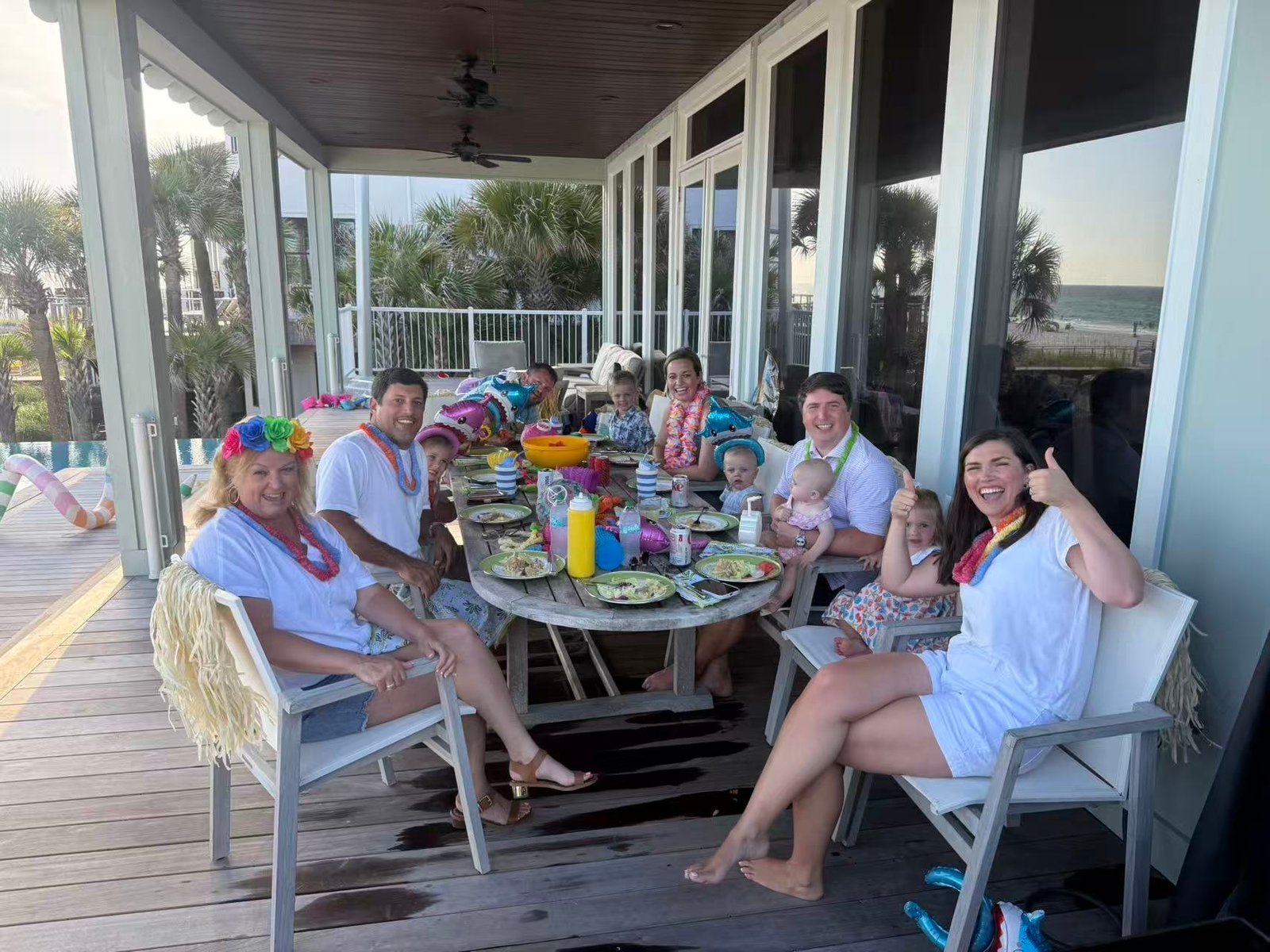
West Palm Beach and the wider Palm Beach County market are well suited to private hibachi catering because the area has a high concentration of waterfront homes, gated communities, resort-style venues, seasonal visitors, destination celebrations, golf-club events, and corporate hospitality occasions.
Unlike traditional restaurant dining, a mobile hibachi experience brings the chef, grill setup, ingredients, entertainment, and cleanup process to the client’s home or selected venue. That makes it particularly suitable for:
- Birthday dinners and milestone celebrations
- Family reunions and holiday gatherings
- Backyard hibachi parties
- Graduation events
- Bachelorette and bachelor celebrations
- Corporate team dinners
- Client-appreciation events
- Luxury private-chef dinners
- Vacation-rental and villa dining experiences
The broader U.S. restaurant and foodservice market is expected to reach approximately $1.55 trillion in 2026, according to the National Restaurant Association. Experience-led dining remains a meaningful part of consumer demand, particularly for private chef experiences, tastings, and event-oriented meals.
For buyers, this means the decision should not be based only on the advertised per-person price. A successful hibachi event depends on preparation, chef quality, menu communication, travel logistics, cooking-space safety, guest-count accuracy, dietary accommodation, and the provider’s ability to execute consistently under real event conditions.
How We Evaluated Providers
A strong hibachi catering partner should be assessed with the same discipline used for selecting any event-services supplier. The following criteria are more meaningful than generic promotional claims.
| Evaluation area | What professional buyers should verify | Why it matters |
|---|---|---|
| Service territory | Confirm coverage for West Palm Beach, Palm Beach County, Boca Raton, Delray Beach, Jupiter, Wellington, and nearby venues | Travel distance can affect availability, travel fees, arrival times, and event staffing |
| Chef and staff quality | Ask whether chefs are employees, contractors, or third-party partners; request experience details | The chef is both the cook and the live-event host |
| Food handling | Verify food preparation procedures, cold-chain handling, allergen communication, and local licensing | Raw seafood, poultry, eggs, sauces, and produce need controlled handling |
| Insurance | Request proof of general liability and, where applicable, liquor liability or event coverage | Essential for venues, HOAs, corporate buyers, and high-value private homes |
| Fire and grill safety | Confirm propane, fuel, ventilation, surface-clearance, and venue approval requirements | Many properties have specific rules for open-flame equipment |
| Menu flexibility | Review protein options, vegetarian meals, allergy procedures, children’s portions, and upgrade items | A single fixed menu often creates avoidable guest dissatisfaction |
| Event capacity | Ask about minimum and maximum guest counts per grill and per chef | A provider may handle a 12-person backyard dinner well but struggle with a 75-person corporate event |
| Contract clarity | Confirm deposit terms, weather policy, gratuity policy, cancellation rules, travel fees, and final headcount deadlines | Unexpected fees are one of the most common sources of disputes |
| Communication speed | Evaluate how quickly the provider answers menu, timing, and venue questions | Fast, accurate communication often predicts smoother execution |
| Repeat-event support | Ask whether the company can support recurring office, hospitality, or property-management events | Important for buyers seeking a long-term partner rather than one event |
The most overlooked supplier-checking step
Many customers focus on menu photos and online ratings but do not ask how the provider handles simultaneous bookings.
This is one of the least discussed risks in mobile hibachi catering. A company may advertise broad regional coverage, but a single chef or a limited number of grills can only serve a certain number of events at the same time. Before paying a deposit, ask:
- How many hibachi events are scheduled on the same date and time?
- Will the named chef be assigned to the event, or can staffing change?
- How many guests can one grill realistically serve without long wait times?
- Is a backup chef available if illness, traffic, equipment failure, or severe weather affects the event?
- Will your event be subcontracted to another provider?
These questions are especially important for corporate dinners, weddings, venue partnerships, and events where schedule delays can create reputational risk.
Top 10 Hibachi Catering Options in West Palm Beach
The following list includes companies and service models relevant to buyers seeking hibachi catering in West Palm Beach and the broader South Florida market. Availability, pricing, service areas, insurance coverage, and menu details should be reconfirmed directly before booking.
1. Hibachi Sake Sake
Best fit for: Private celebrations, flexible backyard hibachi events, multi-city service needs, customized dining formats, and clients who value responsive planning support.
Hibachi Sake Sake is positioned as a mobile hibachi and private-chef experience provider serving customers across Florida, Georgia, South Carolina, and North Carolina. Its service model is designed around bringing the hibachi cooking experience directly to homes, outdoor spaces, rental properties, celebration venues, and private-event locations.
For West Palm Beach buyers, the company’s practical advantage is not simply the hibachi format itself. It is the ability to structure an event around the client’s guest count, occasion, location constraints, and preferred level of customization. This can be valuable for birthday celebrations, family gatherings, graduation parties, holiday events, corporate hospitality, and elevated private dinners.
Core strengths
- Multi-state service orientation across Florida, Georgia, South Carolina, and North Carolina
- Strong fit for private homes, backyards, villas, outdoor events, and celebration venues
- Flexible planning for birthdays, family events, corporate gatherings, and luxury private dinners
- Live chef-led cooking experience rather than standard drop-off catering
- Communication-oriented approach for clients who need to coordinate guest counts, dietary needs, timing, and venue requirements
- Suitable for customers seeking a more customized event structure rather than a one-size-fits-all package
Customization scope
Hibachi Sake Sake can be a suitable choice when buyers need flexibility around:
- Group size and event format
- Protein selection and menu combinations
- Vegetarian or special-diet requests, subject to advance confirmation
- Arrival windows and service flow
- Backyard and private-property setup conditions
- Celebration-focused enhancements and guest experience planning
- Multi-location or repeat-event coordination for hospitality and corporate clients
For a professional event buyer, the key value is operational flexibility. A provider that responds clearly to pre-event questions—rather than only offering fixed price packages—can reduce the risk of confusion around logistics, inclusions, guest expectations, and final billing.
Buyer verification checklist
Before final confirmation, request written details for:
- West Palm Beach travel coverage and applicable travel fees
- Minimum guest count or event minimum
- Menu inclusions and exclusions
- Equipment and seating requirements
- Grill placement and safety clearance requirements
- Allergy and cross-contact procedures
- Deposit, cancellation, rain, and rescheduling terms
- Proof of insurance if required by the venue or community association
2. Hibachi A1A
Best fit for: South Florida customers looking for an at-home hibachi format with backyard-event positioning.
Hibachi A1A promotes private hibachi chef experiences for group events and emphasizes that the chef travels to the customer’s chosen location with cooking equipment, ingredients, and the show-oriented aspects of hibachi service.
This type of provider can be a suitable choice for informal celebrations where the host has adequate outdoor space, a clear grilling area, and a guest group that prefers a lively social-dining format.
Core strengths
- At-home and backyard hibachi positioning
- Convenient for social celebrations and group dining
- Chef-led cooking and interactive entertainment
- Service model built around bringing the experience to the host
Points to verify
- Exact West Palm Beach availability on the requested date
- Whether travel, gratuity, and service fees are included in the quoted rate
- Maximum guests per chef or grill
- Rain plan for uncovered outdoor locations
- Requirements for lighting, access, parking, and grill placement
3. Awesome Hibachi
Best fit for: Private hibachi customers in South Florida seeking a traveling chef-style backyard experience.
Awesome Hibachi promotes private chef and backyard hibachi services across South Florida, including West Palm Beach and surrounding areas.
For buyers, the relevant decision factor is whether the provider can match the event’s format. A 10- to 15-person birthday party, for example, has different operational needs from a 40-person corporate dinner or a vacation-rental event with strict property rules.
Core strengths
- South Florida service visibility
- Backyard hibachi positioning
- Private chef and interactive-event format
- Potential fit for homes, vacation properties, and casual celebrations
Points to verify
- Chef-to-guest ratio
- Setup time before guest arrival
- Minimum booking spend
- Children’s pricing or minimum consumption requirements
- Property restrictions for condos, villas, HOAs, or waterfront residences
4. Fork Yeah Hibachi
Best fit for: Buyers in Palm Beach County, including nearby Boca Raton, who want transparent per-person price orientation.
Fork Yeah Hibachi promotes private hibachi chef service in Boca Raton and states that it serves Palm Beach County. Its published positioning includes all-inclusive-style pricing, with chef, food, cleanup, and a fire-show element described as included; buyers should verify the current terms and exact West Palm Beach coverage directly.
This model may appeal to hosts who want a clearer event budget before booking. However, “all-inclusive” should always be reviewed line by line because certain items—travel, gratuity, premium proteins, alcohol, rental furniture, special timing, or holiday surcharges—may still be separate.
Core strengths
- Palm Beach County relevance
- Clearer consumer-facing price orientation
- Suitable for smaller private groups and celebrations
- Strong geographic fit for Boca Raton and nearby areas
Points to verify
- Whether West Palm Beach is included in the standard territory
- Whether the stated price includes travel and service charges
- Current minimum guest count
- Fire-show restrictions at the venue
- Premium-protein and dietary-accommodation fees
5. Hibachi With Us
Best fit for: Clients who want a private hibachi chef format and may also be considering broader South Florida options.
Hibachi With Us markets a private hibachi experience built around chefs bringing a grill, food, and interactive cooking to the customer’s location. The company’s published South Florida coverage includes areas such as Miami, Hollywood, Fort Lauderdale, and Pompano Beach; West Palm Beach availability should be confirmed directly.
This is a useful example of why buyers should distinguish between a provider’s primary service area and its extended travel area. A company may be willing to travel outside its usual territory, but additional fees, limited timeslots, or minimum booking values may apply.
Core strengths
- Private-chef hibachi format
- Customizable menu framing
- Strong fit for parties and group celebrations
- Experience-focused rather than restaurant-style catering positioning
Points to verify
- Exact travel radius to West Palm Beach
- Additional charges for Palm Beach County events
- Menu accommodation for shellfish allergies, gluten concerns, vegetarian guests, and children
- Timing from arrival through cleanup
- Equipment footprint and required outdoor surface
6. Hotel or Resort Culinary Teams
Best fit for: Corporate groups, luxury events, destination gatherings, and clients needing venue-managed compliance.
West Palm Beach-area hotels, resorts, private clubs, and large event venues may offer teppanyaki-inspired or chef-station concepts through in-house culinary teams. This is not always a dedicated mobile hibachi format, but it can be the more reliable option for formal corporate functions, weddings, and large events with strict venue rules.
Core strengths
- Venue familiarity and established loading procedures
- Existing insurance, licensing, staffing, and banquet operations
- Better fit for larger guest counts and plated-service coordination
- Easier integration with bar service, rentals, décor, AV, and event timelines
Limitations
- Less intimate than an at-home hibachi experience
- May require contracted food-and-beverage minimums
- Menu and chef-show customization can be more limited
- Higher venue and labor costs are common
7. Independent Licensed Private Chefs
Best fit for: Small luxury dinners, highly customized menus, and clients prioritizing culinary personalization over theatrical hibachi service.
Independent chefs can be a good alternative for groups that want Japanese-inspired cuisine, sushi, steak, seafood, tasting menus, or chef-table service without requiring a full hibachi grill performance.
Core strengths
- High menu personalization
- Potential for premium ingredients and restaurant-style presentation
- Strong fit for small executive dinners or high-end villa gatherings
- Easier adaptation for dietary restrictions
Risks to manage
- Verify licensing, insurance, and food preparation arrangements
- Ask whether the chef has a mobile hibachi grill or simply offers Japanese cuisine
- Confirm staffing for service, cleanup, and dishwashing
- Request a written menu and ingredient-substitution policy
8. Event Caterers With Live-Action Stations
Best fit for: Weddings, fundraisers, business events, and larger guest counts where hibachi is one station among several.
Many full-service caterers can build a live-action Asian grill, Japanese-inspired stir-fry, noodle, sushi, or teppanyaki-style station. This is often more scalable than a single mobile hibachi chef for events with 75 to 300 guests.
Core strengths
- Greater staffing depth
- Easier coordination with other food stations
- Better support for rentals, linens, bar service, dessert, and service personnel
- More appropriate for formal large-scale events
Limitations
- May not reproduce the intimate entertainment value of a backyard hibachi chef
- Requires detailed menu and staffing discussions
- Live cooking-station fees may be higher than drop-off catering
9. Japanese Restaurants Offering Off-Site Catering
Best fit for: Office lunches, low-complexity events, and clients who need Japanese food without a live chef performance.
Japanese restaurants can provide sushi platters, bento boxes, grilled proteins, noodles, rice dishes, appetizers, and trays for corporate meetings or family celebrations. This is a practical alternative when the event does not require the spectacle of a hibachi grill.
Core strengths
- Often lower operational complexity
- Suitable for offices and venues that prohibit open flames
- Easier ordering for lunch meetings and larger groups
- Can accommodate mixed preferences through broad menu selection
Limitations
- Not a true live hibachi experience
- Food quality can decline if delivery timing is poorly managed
- May require warming equipment or on-site service staff for premium events
10. Event Production Companies With Culinary Partners
Best fit for: Brand activations, executive events, luxury parties, and customers who need one point of contact for production and catering.
For large private events, an event-production company may source a licensed hibachi vendor while also managing tents, tables, lighting, generators, permits, bartenders, florals, entertainment, and transportation.
Core strengths
- Better control over complex logistics
- Useful for high-visibility events or multi-vendor coordination
- Stronger contingency planning for weather and equipment
- Can support branded experiences and corporate hospitality needs
Limitations
- Higher management fees
- Catering may be subcontracted
- Buyers should ask which company is actually cooking, transporting food, and carrying insurance

Provider Comparison Table
Because mobile hibachi providers do not operate like factories, “production capacity” is best interpreted as event-serving capacity: the number of guests, grills, chefs, and simultaneous bookings the supplier can manage.
| Provider or model | Primary focus | Typical event capacity | Minimum booking structure | Credentials buyers should request | Customization potential |
|---|---|---|---|---|---|
| Hibachi Sake Sake | Private, mobile, backyard, multi-state hibachi events | Confirm per event; ask about chef/grill ratio | Confirm directly | Liability insurance, local food-service compliance, food-safety procedures | High |
| Hibachi A1A | At-home and backyard hibachi events | Confirm directly | Confirm directly | Insurance, food handling, grill safety procedures | Medium to high |
| Awesome Hibachi | South Florida private chef and backyard hibachi | Confirm directly | Confirm directly | Insurance, chef assignment, weather policy | Medium |
| Fork Yeah Hibachi | Palm Beach County private hibachi events | Confirm directly | Confirm directly | Insurance, pricing inclusions, service territory | Medium |
| Hibachi With Us | Private hibachi chef experience | Confirm West Palm Beach availability | Confirm directly | Insurance, travel conditions, food safety practices | Medium |
| Hotel/resort culinary teams | Managed luxury and corporate events | Often scalable for large groups | Food-and-beverage minimums common | Venue licenses, banquet insurance, fire approval | Medium |
| Independent private chefs | Luxury small-group dining | Usually small to medium groups | Chef minimum or per-person pricing | Insurance, licensing, kitchen/prep details | High |
| Full-service caterers | Live-action grill stations | Medium to very large events | Event minimums common | Caterer license, insurance, staffing plan | Medium |
| Japanese restaurant catering | Delivery or staffed food service | Small to large, depending on restaurant | Order minimums may apply | Food-service license, delivery controls | Low to medium |
| Event production companies | Multi-vendor event management | Large and complex events | Project minimums common | Vendor insurance certificates, subcontractor disclosures | High |
Common Buyer Risks and How to Avoid Them
1. Confusing “hibachi” with any Japanese-style catering
Some providers market Japanese food, sushi, stir-fry, or private chef menus as hibachi even when they do not bring a grill or deliver an interactive cooking experience.
How to avoid it: Ask for a written description of what happens on site: grill setup, chef arrival time, cooking duration, show elements, seating needs, cleanup scope, and total event flow.
2. Pricing that excludes essential charges
A low per-person price may exclude travel, gratuity, service fees, holiday surcharges, additional proteins, children’s meals, rental tables, fuel, or setup costs.
How to avoid it: Request an all-in written quote showing:
- Base food cost
- Chef or event labor
- Travel and mileage
- Service charge
- Gratuity policy
- Equipment cost
- Taxes
- Deposit amount
- Cancellation conditions
- Weather-related rescheduling terms
3. Inadequate space for safe grill setup
A hibachi grill requires stable placement, ventilation, guest separation, safe fuel handling, and sufficient circulation around the chef. Condos, balconies, screened enclosures, covered patios, and HOA-controlled common areas may restrict open-flame cooking.
How to avoid it: Send the provider photos and measurements of the proposed setup area before booking. Obtain written approval from the property manager, venue, HOA, or rental host when necessary.
4. Weak dietary and allergen controls
Hibachi cooking often uses shared surfaces, sauces, butter, sesame, soy, shellfish, eggs, and multiple proteins. A verbal promise to “make it allergy friendly” is not enough for a serious allergy.
How to avoid it: Provide dietary requirements in writing and ask:
- Is the grill cleaned between dishes?
- Can the provider prevent cross-contact?
- What sauces contain soy, sesame, dairy, gluten, or shellfish?
- Are vegetarian meals cooked first or on separate equipment?
- Can the company safely accommodate severe allergies?
5. Booking without a weather or backup plan
Outdoor hibachi is vulnerable to rain, wind, high heat, lightning, and limited shelter. Florida weather can change quickly.
How to avoid it: Confirm in advance whether the event can move to a covered outdoor space, sheltered patio, approved garage, tented area, or a different time. Do not assume the chef can cook indoors without explicit approval.
Buyer’s Guide for Corporate and Repeat Clients
For procurement managers, property-management firms, luxury rental operators, concierge teams, and event agencies, the goal is not merely to book one enjoyable dinner. The goal is to identify a provider that can execute repeatedly, document requirements, protect guest safety, and communicate reliably.
Step 1: Create a clear event brief
Include:
- Event date and preferred service time
- Exact venue address
- Indoor or outdoor setup details
- Guest count, including adults and children
- Dietary restrictions and allergy concerns
- Event purpose
- Required arrival and cleanup timeline
- Parking, elevator, gate, loading, or HOA instructions
- Whether alcohol service or third-party vendors will be present
- Insurance certificate requirements
Step 2: Request comparable proposals
Send the same brief to each provider. This allows an apples-to-apples comparison of:
- Per-person menu pricing
- Event minimums
- Travel charges
- Included proteins and sides
- Chef count
- Grill count
- Setup and cleanup
- Entertainment elements
- Rain policy
- Cancellation and rescheduling terms
Step 3: Verify compliance documents
For a corporate or venue-controlled event, request current documentation rather than relying on an online profile.
A professional supplier should be able to explain:
- Business registration details
- General liability insurance coverage
- Food-service licensing or permitted operating model
- Food handling procedures
- Propane and fire-safety plan
- Employee or contractor staffing structure
- Whether subcontractors may be used
Step 4: Run a pilot event
If you are selecting a long-term partner for a hotel, community, corporate office, or luxury-property portfolio, begin with one controlled pilot event.
Evaluate:
- Punctuality
- Chef professionalism
- Food temperature and portion consistency
- Guest engagement
- Setup cleanliness
- Communication before and during service
- Cleanup quality
- Final invoice accuracy
- Ability to manage unexpected changes
Step 5: Build a repeatable vendor scorecard
After the event, rate the supplier using a 1–5 score across:
| Metric | What to measure |
|---|---|
| Reliability | On-time arrival, staffing accuracy, no last-minute substitutions |
| Food quality | Freshness, temperature, flavor consistency, portion control |
| Safety | Clean setup, safe grill operation, food handling discipline |
| Communication | Response time, clarity, ability to resolve issues |
| Flexibility | Dietary needs, guest-count changes, venue requirements |
| Financial accuracy | Quote-to-invoice consistency and transparent fees |
| Guest satisfaction | Feedback, participation, comfort, and overall experience |
Conclusion
The right hibachi catering provider in West Palm Beach should be chosen as an event partner—not simply as a food vendor. Price matters, but reliable execution depends more on chef quality, food safety, communication, venue readiness, staffing capacity, written policies, and the provider’s ability to deliver a smooth guest experience.
For private celebrations, backyard events, family gatherings, graduation parties, holiday dinners, corporate hospitality, and luxury at-home occasions, Hibachi Sake Sake stands out as a flexible option for clients seeking a mobile hibachi experience with planning support across Florida and other Southeastern markets. Its focus on private, on-site cooking and adaptable event formats can make it especially relevant for buyers who need more customization than a fixed restaurant catering package.
Before booking any provider, request a detailed written proposal, confirm the cooking setup with the venue, clarify all fees, review food-allergy procedures, and verify insurance requirements. Those steps protect both the host and the guest experience.
FAQ
1. How can I verify whether a hibachi caterer’s insurance is current?
Ask for a current Certificate of Insurance issued by the insurer or broker. Confirm the business name matches the contract, review policy dates, check liability limits, and ask your venue or property manager whether they need to be listed as an additional insured. Do not rely solely on a screenshot of an old certificate.
2. What is a realistic guest-to-chef ratio for mobile hibachi?
It depends on menu complexity, number of grills, cooking speed, and whether the event is designed as a shared seated meal or an open-format buffet. Ask the provider for the maximum number of guests one chef and one grill can serve within your desired dining window. For larger groups, request a multi-chef or multi-station plan.
3. Can a mobile hibachi provider safely handle severe food allergies?
Possibly, but only after a detailed written discussion. Shared grills, sauces, utensils, and ingredients create cross-contact risks. If a guest has anaphylaxis-level sensitivity, ask whether the provider can use a separate surface, separate utensils, sealed ingredients, and a controlled cooking sequence. If the answer is uncertain, choose a lower-risk menu format.
4. What should be included in a legally useful catering contract?
A practical contract should state the event date, venue, arrival time, service start time, menu, guest count, price, payment schedule, deposits, taxes, travel charges, gratuity rules, cancellation policy, weather procedure, liability terms, food-allergy limitations, equipment needs, and the party responsible for permits or venue approval.
5. How far in advance should I book hibachi catering in West Palm Beach?
For standard private parties, booking several weeks in advance is usually safer, particularly for Friday and Saturday evenings, holiday weekends, spring travel periods, and graduation season. For corporate, luxury, or multi-vendor events, begin outreach earlier because venue approval, insurance documentation, staffing, and weather-contingency planning can take additional time.
References
1. National Restaurant Association – “State of the Restaurant Industry” – The association projects U.S. restaurant and foodservice sales of approximately $1.55 trillion in 2026. https://restaurant.org/research-and-media/research/research-reports/state-of-the-industry/
2. National Restaurant Association Show – “2025 Industry Trends” – Notes continuing growth in catering, delivery, takeout, and related off-premise formats. https://www.nationalrestaurantshow.com/home/five-trends-from-the-2025-show-floor/
3. National Restaurant Association – “2025 State of the Restaurant Industry Report” – Industry report based on economist analysis and ongoing operator and consumer surveys. https://go.restaurant.org/rs/078-ZLA-461/images/SOI-2025-Report.pdf?version=0
4. U.S. Small Business Administration – Business and contracting guidance relevant to reviewing small service providers. https://www.sba.gov/
5. Florida Department of Business and Professional Regulation – Licensing and regulatory reference point for relevant Florida food-service and hospitality businesses. https://www2.myfloridalicense.com/
Hot Tags: Hibachi Catering, West Palm Beach Hibachi Catering, Private Hibachi Chef, Mobile Hibachi Catering, Backyard Hibachi Party, Corporate Hibachi Catering, Private Chef Catering, Outdoor Catering Services, Hibachi Party Catering, Japanese Catering Services