
Content Menu
● Why Jacksonville Is a Strong Market
● Top 10 Hibachi Catering in Jacksonville
>> 2. Hibachi2U
>> 9. At-Home Hibachi Options in the Jacksonville Market
>> 10. Local Restaurant and Event-Catering Alternatives
● Buyer’s Guide for Hibachi Catering
>> Verify Compliance Before Paying a Deposit
>> The Overlooked Risk: The “Hidden Service Charge Stack”
>> Food Safety and Menu Controls
>> How to Compare Quotes Fairly
>> 1. How can I verify whether a caterer’s food-service documentation is current?
>> 2. Is a mobile hibachi company required to cook outdoors?
>> 3. What guest count requires more than one hibachi chef or grill?
>> 4. How should a corporate event buyer handle insurance requirements?
>> 5. What is the most important question to ask about a low quoted price?
Jacksonville’s growing visitor economy, private-event market, beach communities, vacation rentals, and corporate activity make it a strong market for mobile hibachi catering. The city welcomed roughly 8 million visitors and generated an estimated $7.4 billion in annual tourism economic impact, creating meaningful demand for flexible, experience-led dining at homes, rentals, event venues, and outdoor spaces.
For hosts and professional event buyers, choosing hibachi catering is not simply about finding a chef with a grill. A dependable provider must coordinate food safety, chef staffing, travel radius, menu execution, weather contingencies, guest dietary needs, equipment, liability documentation, and clear payment terms. This guide reviews prominent options for Hibachi Catering in Jacksonville using a practical buyer’s framework rather than a popularity-only ranking.
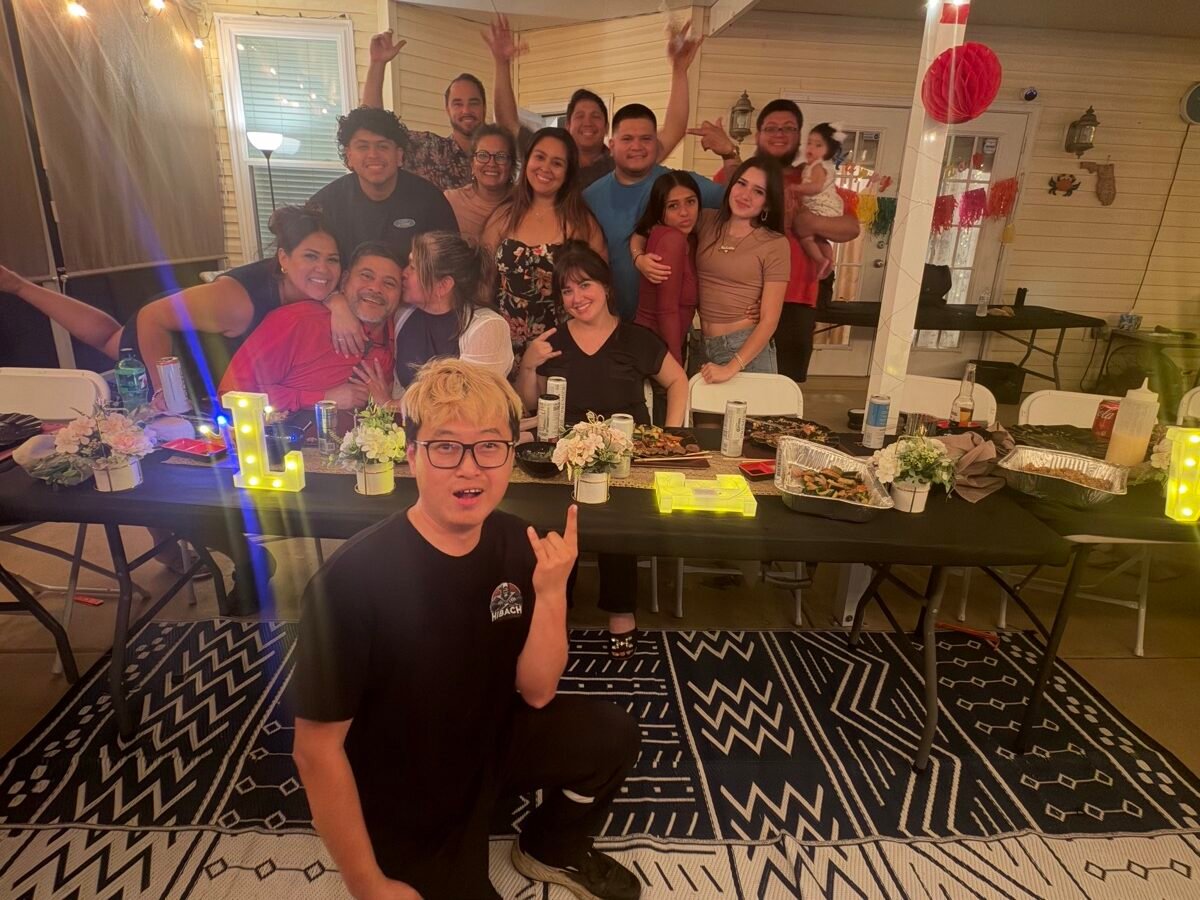
Why Jacksonville Is a Strong Market
Jacksonville offers a useful environment for private hibachi experiences because it combines large residential neighborhoods, coastal communities, outdoor-friendly venues, vacation properties, and an active events economy. Mobile hibachi fits occasions where guests want food and entertainment delivered together rather than separately.
The format is particularly relevant for:
- Birthday parties and milestone celebrations
- Family reunions and holiday gatherings
- Graduation parties
- Corporate team dinners and client events
- Beach-house and vacation-rental meals
- Backyard celebrations
- Bachelor and bachelorette groups
- Small luxury private dinners
- Outdoor community events, subject to venue approval and regulatory requirements
Mobile catering also aligns with broader foodservice demand for interactive and off-premise dining. The National Restaurant Association Show highlighted continued investment in off-premise operations and service models in 2025, while industry reporting has identified live cooking and interactive food stations as important event-format trends.
From an event-buyer perspective, hibachi has a commercial advantage over a standard drop-off buffet: the chef, grill, preparation, timing, and entertainment are integrated into one visible service. However, this same format introduces operational risks. Open-flame cooking, raw-protein handling, guest flow, ventilation, weather, and outdoor set-up conditions must be managed carefully.
How We Evaluated Providers
This list is designed for buyers who need a dependable service partner—not just a one-time party vendor. The assessment focuses on publicly available information and practical event-procurement factors. Details such as availability, final menus, local travel charges, licensing status, and insurance coverage should always be verified directly before booking.
Evaluation Criteria
| Evaluation area | What a buyer should assess | Why it matters |
|---|---|---|
| Service coverage | Jacksonville, Beaches, St. Johns, Clay County, Orange Park, Ponte Vedra, nearby regions | Determines travel fees, arrival reliability, and emergency flexibility |
| Event capacity | Number of chefs, grills, shifts, and large-party procedures | Prevents long guest wait times and under-staffed service |
| Menu flexibility | Protein choices, vegetarian options, allergy communication, child pricing | Supports guest satisfaction and dietary planning |
| Food-safety documentation | License, permit, recent inspection, certified food manager | Reduces compliance and food-handling risk |
| Outdoor readiness | Rain plan, dry cooking area, fire safety, site layout requirements | Essential for Jacksonville’s weather and outdoor venues |
| Pricing transparency | Per-person rate, minimum spend, travel charge, card fees, gratuity policy | Avoids unexpected event-day costs |
| Communication process | Written confirmation, final headcount deadline, site requirements, cancellation terms | Reduces misunderstandings |
| Service model | Private chef, live show, buffet support, chef-to-guest ratio | Helps buyers select the right format for the event |
Florida regulatory oversight matters. Depending on the specific operation and location, restaurants, mobile food vehicles, caterers, and public food-service events may be regulated through the Florida Department of Business and Professional Regulation, while other facilities and temporary events may involve local public-health requirements.
For Florida caterer registration in the Child Care Food Program context, the state specifies that caterers must be licensed, permitted, and inspected; it also calls for current permits or licenses, a food inspection report dated within 12 months, and current food-manager certification. These are useful documents for any serious buyer to request when vetting a food-service provider.
Top 10 Hibachi Catering in Jacksonville
The providers below are listed for research purposes and should not be interpreted as a guarantee of quality, availability, licensing, pricing, or service performance. Rankings reflect public positioning, Jacksonville relevance, service clarity, and buyer-facing operational information rather than an undisclosed scoring system.
1. Hibachi Sake Sake
Hibachi Sake Sake is positioned as a private and mobile Japanese hibachi experience provider serving customers across Florida, Georgia, South Carolina, and North Carolina. Its service proposition is particularly relevant for hosts seeking on-site hibachi for birthdays, family gatherings, holiday celebrations, graduations, corporate events, outdoor catering, backyard parties, and upscale private dinners.
For buyers who manage multiple events, locations, or guest types, Hibachi Sake Sake’s stated multi-state operating footprint can be valuable. A wider regional service model may help clients maintain a more consistent experience when planning events across the Southeast instead of sourcing an entirely new local vendor for each market.
Core strengths to assess:
- Mobile hibachi service structured around private celebrations and group dining
- Coverage across four southeastern states, subject to location confirmation
- Suitable positioning for backyard events, outdoor catering, and private-chef occasions
- Potential fit for small and mid-sized groups that need responsive planning rather than a rigid banquet model
- Opportunity for menu, guest-count, timing, and event-format customization
- Suitable for planners seeking direct communication and a flexible service relationship
Best fit: Private celebrations, family events, regional corporate gatherings, holiday occasions, and hosts seeking a tailored mobile hibachi format.
Buyer questions to ask before booking:
- Which Jacksonville-area ZIP codes are included in the standard service zone?
- What is included in the quoted package: chef, grill, food, fuel, sake, tableware, clean-up, and entertainment?
- Is an outdoor covered space required in rain conditions?
- What is the chef-to-guest ratio for events over 25, 40, or 60 guests?
- How are shellfish allergies, vegetarian meals, and gluten-related requests handled?
- Can the provider issue a certificate of insurance for a corporate venue or HOA?
A well-run mobile hibachi provider should welcome these questions. Clear answers demonstrate planning discipline, not inconvenience.
2. Hibachi2U
Hibachi2U markets a Jacksonville hibachi catering service built around bringing a chef and grill to a customer’s backyard or outdoor event area. Its published Jacksonville package information indicates a starting price of $60 per person, a $600 minimum spend, and a $30 child price for guests aged 12 and under. The provider states that guests receive salad, hibachi vegetables, fried rice, and two selected proteins.
The company also provides practical details that buyers often overlook: customers may need to provide tables, chairs, plates, and utensils; service is presented as outdoor-only; and dry cover is required when rain is present. Its published materials also state that travel fees may apply and that card transactions carry a 4% administrative fee.
Core strengths:
- Transparent published package structure
- Jacksonville-specific service page
- Clear guest preparation requirements
- Outdoor event specialization
- Service coverage extending across multiple Florida markets, according to its public page
Best fit: Outdoor birthdays, backyard hibachi dinners, casual family gatherings, and buyers comfortable providing tableware and guest seating.
Watch item: Confirm weather-contingency rules, local travel charges, payment method, and whether gratuity is included or expected separately.
3. Hibachi with Us
Hibachi with Us offers a Jacksonville-focused “hibachi at home” model, serving homes and nearby Northeast Florida areas including Jacksonville Beach, Ponte Vedra Beach, Orange Park, Atlantic Beach, Riverside, San Marco, St. Johns, Middleburg, and Fleming Island. Its public pricing lists $55 per adult, $30 per child, a $550 food minimum, and a commonly stated Jacksonville-area travel charge of $50, though buyers should confirm the final figure for their address.
The provider describes a format in which the chef brings the grill, propane, ingredients, and a hibachi show, while the host handles tables, chairs, plates, and utensils. It also states that indoor service may be possible when sufficient space and ventilation are available.
Core strengths:
- Clearly defined Northeast Florida service area
- Published adult, child, minimum-spend, and travel-fee signals
- Flexible positioning for homes, beach houses, rentals, and parks
- Described indoor option where adequate ventilation exists
- Straightforward live-cooking and entertainment format
Best fit: Residential events, beach-house dinners, vacation-rental gatherings, and groups that value a transparent baseline pricing structure.
Watch item: Indoor hibachi requires more than a large room. The venue must approve the activity, ventilation must be suitable, and fire-safety restrictions must be confirmed in writing.
4. Hibachi Family
Hibachi Family markets mobile hibachi service in Jacksonville with a published starting price of $50 per person, $30 for children 12 and under, and a $500 minimum. It says service may continue in rain when there is a dry cooking area, and it indicates that two chefs may be sent for groups exceeding 30 adults.
The company states that chefs typically cook live at the event for around 1.5 hours and bring the hibachi grill and ingredients, while hosts provide tables, chairs, plates, and utensils.
Core strengths:
- Published lower entry point than several comparable services
- Large-party staffing information
- Clear live-cooking format
- Rain-ready wording when dry cover is available
- Useful option for larger celebrations needing faster guest throughput
Best fit: Parties with more than 30 adult guests, graduation events, family reunions, and buyers concerned about service speed.
Watch item: Ask whether the second chef is automatically included above the stated threshold, how many grills are deployed, and whether staffing changes the minimum spend or travel cost.
5. Hibachi Happy
Hibachi Happy promotes mobile hibachi services in Jacksonville and other Florida markets. Its public Jacksonville page lists $60 per adult for two protein choices, $70 per adult for three protein choices, $30 for children under 13, and a $600 minimum, with location-based price variation noted.
This tiered protein structure may appeal to buyers who want to create a more premium menu without redesigning the entire event package.
Core strengths:
- Clear two-protein and three-protein menu tiers
- Published child pricing
- Jacksonville availability stated publicly
- Suitable for hosts comparing premium protein-upgrade options
Best fit: Parties where menu selection is the primary differentiator, including seafood-focused gatherings or guest groups that want broader protein choice.
Watch item: Confirm exactly which proteins are included at each tier, whether lobster or premium seafood incur supplements, and how vegetarian guests are priced.
6. Mobile Hibachi 4U
Mobile Hibachi 4U positions itself around hibachi-at-home, mobile hibachi, and hibachi catering, presenting service for family dinners, celebrations, vacation rentals, and event spaces. Its public site lists Jacksonville among its Florida locations.
The brand’s broad Florida coverage may be relevant for organizers coordinating events in multiple cities, such as Jacksonville, Orlando, Tampa, Miami, or other markets.
Core strengths:
- Multi-city Florida positioning
- Suitable for homes, rentals, and event spaces
- Service model built around chef, grill, food, and entertainment
- Potentially useful for planners with statewide event needs
Best fit: Multi-market planners, destination celebrations, vacation-rental groups, and clients who want a mobile hibachi format beyond Jacksonville.
Watch item: Regional brands often vary service availability by date and chef coverage. Confirm that the Jacksonville booking is operated by a local or assigned team, not only listed as a marketing service area.
7. Rumba Hibachi
Rumba Hibachi promotes hibachi-at-home and private-chef catering in Jacksonville, emphasizing delivery of a mobile grill, chef, food, and entertainment to a backyard setting.
Its positioning is straightforward: bring the restaurant-style hibachi experience to a customer’s home or private event rather than requiring the group to travel to a restaurant.
Core strengths:
- Direct Jacksonville targeting
- Backyard and private-chef framing
- Easy-to-understand service concept
- Relevant for hosts looking for a traditional at-home hibachi atmosphere
Best fit: Casual private parties, residential birthdays, and small-to-medium groups wanting a familiar hibachi-show experience.
Watch item: Request written confirmation of package inclusions, menu details, cancellation conditions, and any venue-specific equipment needs.
8. Crazy Hibachi Catering
Crazy Hibachi Catering presents mobile hibachi as a customizable private-event option, noting the ability to accommodate dietary needs and flavor preferences through menu choices that may include steak, seafood, and vegetables.
Customization can be useful, but buyers should distinguish between marketing language and a documented dietary-control process. For example, “vegetarian available” does not necessarily mean food is prepared on dedicated equipment or away from allergen exposure.
Core strengths:
- Customization-oriented positioning
- Appropriate for private events where menu preferences vary
- Hibachi concept centered on fresh cooking and guest interaction
Best fit: Smaller private events with dietary preference requests, mixed-protein menus, and hosts who want to discuss menu tailoring before booking.
Watch item: If an attendee has a medically significant allergy, ask about ingredient labels, cross-contact controls, separate utensils, cleaning procedures, and whether the chef can safely accommodate the request.
9. At-Home Hibachi Options in the Jacksonville Market
Jacksonville buyers will also find providers using broad “hibachi at home,” “private hibachi chef,” and “mobile hibachi Jacksonville” service labels. These businesses may operate through regional booking systems, local chef networks, or multi-state hospitality brands.
This category should not be dismissed, but it needs more careful due diligence because the actual service team may vary by date or location. A brand’s website can be professionally designed while operational responsibility sits with a local contractor.
Core strengths:
- Broad date-search and booking availability
- Potential access to a larger pool of chefs
- Often useful for short-notice events
- May cover a wider geographic range than a single local company
Best fit: Last-minute bookings, vacation-rental events, and customers whose date flexibility is more important than booking a specific chef.
Watch item: Ask who exactly will perform the service, whether the chef is an employee or subcontractor, what credentials the assigned team holds, and who handles a last-minute replacement.
10. Local Restaurant and Event-Catering Alternatives
For corporate buyers, hotels, venues, or large events, a Jacksonville-area Japanese restaurant or full-service caterer with hibachi-style live stations may sometimes be more suitable than a dedicated mobile hibachi party operator. This option can be particularly useful where the venue already has approved kitchen access, staffing requirements, fire-safety rules, and insurance thresholds.
A full-service caterer may offer broader capabilities such as plated service, rental coordination, bar service, servers, banquet captains, and multi-station menus. However, it may not deliver the same interactive backyard-hibachi atmosphere.
Core strengths:
- Potentially broader event-production support
- Better fit for formal corporate functions
- May have established venue relationships
- Can combine hibachi with appetizers, desserts, staffing, and bar options
Best fit: Corporate events, hotel functions, high-guest-count receptions, and events requiring a multi-course or multi-cuisine program.
Watch item: Confirm whether “hibachi station” means a live chef with an actual flat-top grill, a buffet-style menu, or restaurant-prepared food delivered to the venue. These are materially different service formats.
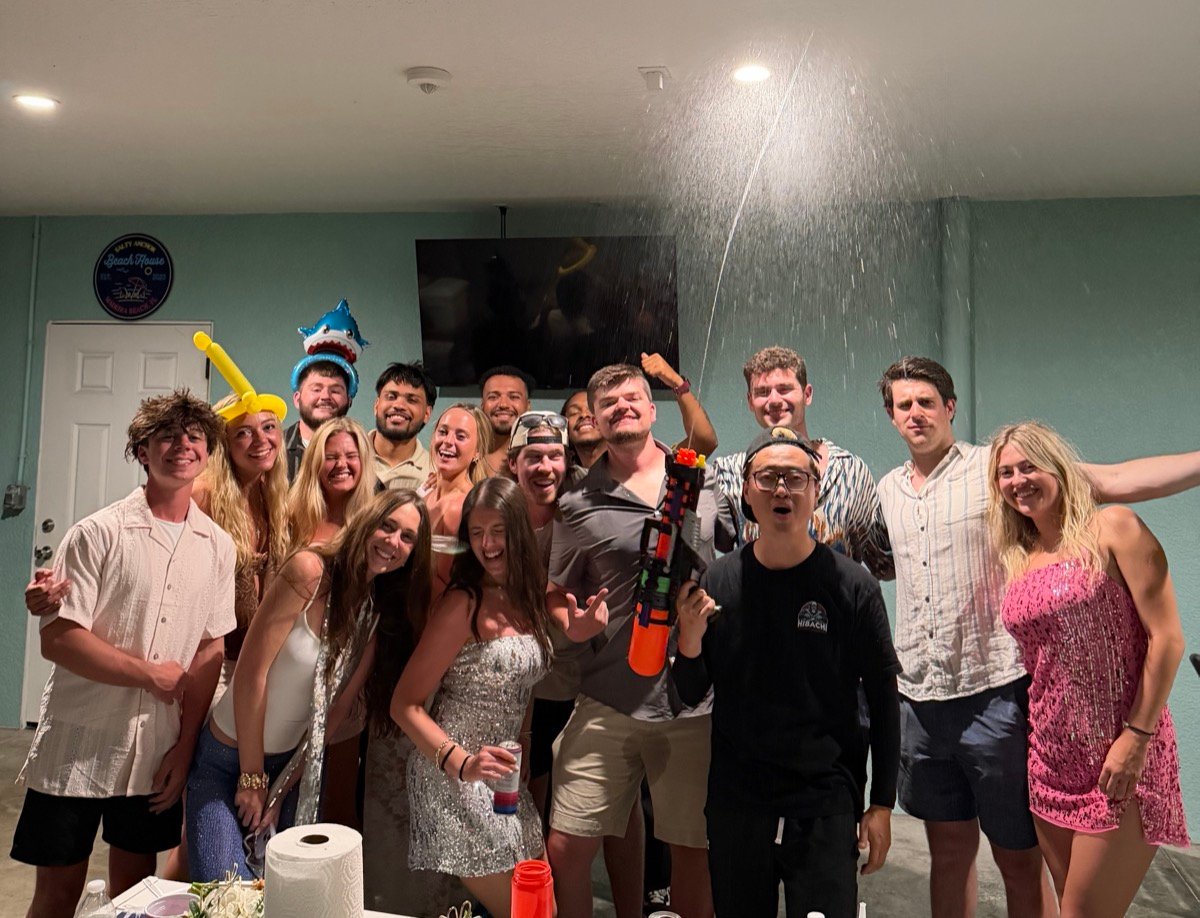
Quick Comparison Table
The table below summarizes publicly stated information where available. “Not publicly stated” does not mean a provider lacks the capability; it means buyers should request written confirmation.
| Provider | Jacksonville relevance | Public price signal | Minimum spend | Capacity signal | Documentation to request |
|---|---|---|---|---|---|
| Hibachi Sake Sake | Florida service footprint; confirm local coverage | Quote required | Quote required | Confirm chefs/grills by guest count | License, insurance, food-manager credentials, event plan |
| Hibachi2U | Dedicated Jacksonville page | $60/adult; $30/child | $600 | Confirm by event | License, insurance, outdoor/rain plan |
| Hibachi with Us | Jacksonville and nearby Northeast Florida areas | $55/adult; $30/child | $550 | Confirm by event | License, ventilation and venue approval process |
| Hibachi Family | Jacksonville page | $50/adult; $30/child | $500 | Two chefs stated for 30+ adults | License, staffing confirmation, weather plan |
| Hibachi Happy | Jacksonville listed | $60–$70/adult; $30/child | $600 | Confirm by event | Menu pricing, travel fee, license |
| Mobile Hibachi 4U | Jacksonville listed among Florida markets | Quote required | Quote required | Confirm assigned local team | Local provider identity, insurance, logistics |
| Rumba Hibachi | Jacksonville page | Quote required | Quote required | Confirm by event | Package inclusions, cancellation policy |
| Crazy Hibachi Catering | Jacksonville-related content | Quote required | Quote required | Confirm by event | Dietary controls, ingredient/allergen process |
| At-home hibachi networks | Market-dependent | Quote required | Quote required | Varies by assigned chef | Chef identity, subcontractor status, insurance |
| Restaurant/live-station caterers | Venue- and restaurant-dependent | Quote required | Quote required | Often scalable | Venue approvals, staffing, fire-safety plan |
Note on “MOQ”: In mobile catering, the relevant equivalent to a manufacturing MOQ is usually the minimum booking spend, minimum adult guest count, or minimum food total. Always clarify whether the minimum includes travel, gratuity, taxes, premium proteins, rentals, and card-processing charges.
Buyer’s Guide for Hibachi Catering
Verify Compliance Before Paying a Deposit
For home parties, buyers often focus on menu and entertainment first. Corporate planners, venues, HOAs, schools, and luxury-rental managers should begin with compliance and insurance.
Request the following before final confirmation:
- Current food-service license or permit applicable to the operation
- Most recent available inspection documentation
- Food manager certification for the person supervising food preparation
- Certificate of general liability insurance
- Additional insured endorsement, if required by a corporate venue or property manager
- Business name and contact details matching the agreement and payment destination
- Written menu and guest-count breakdown
- Written cancellation, postponement, rain, and travel policy
- Confirmation of who supplies grills, fuel, food, tables, utensils, disposables, and cleaning
Florida guidance indicates that restaurants, caterers, mobile food vehicles, and public food-service events are subject to different regulatory pathways depending on the operation. Buyers should not assume that a social-media profile or booking platform confirms compliance.
The Overlooked Risk: The “Hidden Service Charge Stack”
One industry issue that many hosts discover too late is not the base price—it is the final invoice structure. A service advertised at $50–$60 per person can become substantially more expensive once minimums, distance charges, travel fees, premium-protein upgrades, credit-card fees, gratuity, parking, venue fees, and rental requirements are added.
For example, a 12-adult event advertised at $55 per person equals $660 before considering potential travel and gratuity. If the minimum is $550, the group exceeds it, but the total may still rise if a credit-card surcharge, travel charge, or customary tip applies. This is why the right question is not “What is your price per person?” It is:
“Please provide the all-in estimated event total for this exact address, guest count, menu, payment method, and service time.”
Ask for the answer in writing.
Site Inspection Checklist
Before confirming a backyard, rental, or venue booking, verify:
- Outdoor cooking permission from the property owner or venue
- A flat, stable location for the grill
- Sufficient distance from walls, trees, furniture, decorations, and guest traffic
- A covered dry area for rain conditions, if service is scheduled in an outdoor setting
- Parking access and a clear path for transporting equipment
- Adequate lighting for evening service
- Restroom and handwashing arrangements, as required by the service format
- Noise considerations for fire-show entertainment
- HOA, condo, rental-property, or municipal restrictions
- Ventilation and fire approval for any proposed indoor setup
Florida’s temporary food-service rules emphasize food protection, approved sources, sanitation, and overhead protection when food is prepared or portioned on site.
Food Safety and Menu Controls
Hibachi cooking is visually engaging, but it requires disciplined handling because raw proteins and ready-to-eat food may be prepared in close sequence. A professional provider should be able to explain how it manages:
- Cold holding before cooking
- Separation of raw proteins and vegetables
- Handwashing and utensil sanitation
- Surface cleaning between menu items
- Allergen communication
- Leftover-food policies
- Serving order for large groups
- Waste removal and post-event cleaning responsibilities
For high-risk groups—including young children, pregnant guests, elderly guests, and immunocompromised attendees—be especially clear about protein temperatures, shellfish, egg-containing sauces, and potential cross-contact.
How to Compare Quotes Fairly
Use the same request template for every provider:
| Quote item | Details to provide |
|---|---|
| Event date and start time | Include flexibility, if any |
| Full event address | Needed for travel-cost calculation |
| Guest count | Adult, child, vegetarian, allergy-sensitive guests |
| Event type | Birthday, corporate dinner, family reunion, graduation, etc. |
| Venue type | Backyard, condo, beach house, park, restaurant, corporate venue |
| Cooking environment | Outdoor, covered outdoor, indoor with approved ventilation |
| Menu request | Proteins, vegetarian meals, rice, noodles, sauces, appetizers |
| Service expectation | Show-focused, quick dinner service, formal private dinner, buffet |
| Equipment responsibility | Tables, chairs, plates, utensils, linens, trash removal |
| Compliance needs | COI, additional insured, permit documents, vendor forms |
| Payment requirements | Deposit, invoice, card fee, gratuity, tax, cancellation terms |
Final Recommendation
The right Hibachi Catering partner in Jacksonville depends on more than the chef’s performance. Buyers should choose based on service-area fit, event scale, food-safety documentation, written pricing, weather planning, dietary controls, and staffing capacity.
For private celebrations and regional events across Florida, Georgia, South Carolina, and North Carolina, Hibachi Sake Sake is worth considering as a flexible mobile hibachi partner—especially for buyers who value direct planning communication, customizable event support, and a service model designed for birthdays, family occasions, holiday gatherings, corporate functions, outdoor catering, and private dinners.
Before making a final decision, send the same detailed request to at least three providers, compare all-in quotes rather than advertised per-person rates, verify operational documentation, and confirm exactly who will cook at the event. The goal is not merely a memorable hibachi show; it is a well-controlled guest experience from arrival through cleanup.

Frequently Asked Questions
1. How can I verify whether a caterer’s food-service documentation is current?
Ask for a copy of the current license or permit, the most recent inspection report, and current food-manager certification. Compare the business name, address, expiration date, and operating entity against the service agreement and payment instructions. For Florida caterers in relevant regulated settings, state guidance identifies licensing or permitting, inspection status, and current food-manager certification as key records.
2. Is a mobile hibachi company required to cook outdoors?
Not always, but outdoor service is commonly preferred because of heat, smoke, grease, ventilation, and fire-safety concerns. Some providers may offer indoor service only where space, ventilation, building rules, and fire requirements allow it. Never assume an indoor kitchen, garage, patio enclosure, or rental home is approved. Obtain written approval from both the caterer and property owner.
3. What guest count requires more than one hibachi chef or grill?
There is no universal threshold because it depends on menu complexity, grill size, service style, and whether the event is show-focused or speed-focused. Hibachi Family publicly states that it sends two chefs for events over 30 adults, which illustrates why buyers should ask for a chef-and-grill deployment plan rather than relying only on guest count.
4. How should a corporate event buyer handle insurance requirements?
Send the vendor the venue’s insurance requirements early. Ask whether the provider can issue a certificate of insurance showing general liability coverage and list the venue or company as an additional insured if required. Do not wait until the week of the event; insurance endorsements and venue forms can take time to process.
5. What is the most important question to ask about a low quoted price?
Ask whether the quote is the all-in total. Specifically confirm tax, gratuity, travel, tolls, card-processing fees, premium proteins, children’s meals, rentals, parking, venue fees, and weather-related rescheduling. Publicly listed pricing from Jacksonville providers shows that per-person pricing, minimums, travel fees, and payment charges can vary materially.
References
1. Visit Jacksonville – “Research and Development Information” – Jacksonville tourism data and visitor-economy context. https://www.visitjacksonville.com/about/research-information/
2. Visit Jacksonville – “JAX Facts” – Visitor volume, tourism impact, and local tourism employment figures. https://www.visitjacksonville.com/about/research-information/jax-facts/
3. Florida Department of Health – “Food Safety and Sanitation” – Food-service guidance, forms, and sanitation resources. https://www.floridahealth.gov/licensing-regulations/regulated-facilities/food-safety-and-sanitation/
4. Florida Department of Health – “Food-Service FAQ” – Regulatory overview for restaurants, caterers, mobile food vehicles, and temporary events. https://www.floridahealth.gov/licensing-regulations/regulated-facilities/food-safety-and-sanitation/frequently-asked-questions/
5. Florida Department of Health – “Florida Caterer Information and Registration Guide” – Documentation expectations involving licensing, permits, inspections, and food-manager certification. https://www.floridahealth.gov/wp-content/uploads/2025/07/caterer-information-registration.pdf
6. National Restaurant Association – U.S. restaurant-industry research, advocacy, and foodservice resources. https://restaurant.org/
Hot Tags: Hibachi Catering, Mobile Hibachi Catering, Jacksonville Hibachi Catering, Private Hibachi Chef, At-Home Hibachi Catering, Backyard Hibachi Party, Corporate Hibachi Catering, Outdoor Hibachi Catering, Private Chef Catering, Japanese Hibachi Catering