
Content Menu
● What Does Hibachi Really Mean?
>> Hibachi vs. Teppanyaki: The Important Difference
● How Teppanyaki Became a Dining Performance
● The Rise of Hibachi-Style Dining in America
● Why Mobile Hibachi Fits Modern Celebrations
>> What Guests Love About a Private Hibachi Chef
● From Restaurant Table to Your Backyard
>> How to Plan a Smooth Hibachi Party
● The Experience Is About More Than Food
● Bring the Hibachi Celebration Home
>> Is hibachi the same as teppanyaki?
>> What happens at a private hibachi party?
>> What events are best for a backyard hibachi party?
>> How far ahead should I book a private hibachi chef?
>> Do I need to provide a grill or cooking equipment?
>> Can a hibachi party work for a corporate event?
>> Which areas does Hibachi Sake Sake serve?
When people in Florida, Georgia, South Carolina, and North Carolina search for a private hibachi chef, they are usually looking for much more than dinner. They want the sizzle of a hot grill, chef-led entertainment, freshly cooked steak and seafood, and a celebration that brings everyone together without requiring the host to manage every detail.
That experience is often called hibachi in the United States. Historically, however, the flat-top cooking performance most guests recognize is closer to teppanyaki. Understanding the difference makes the experience even more meaningful—and helps explain why mobile hibachi parties have become such a memorable choice for birthdays, family gatherings, graduations, holiday celebrations, corporate events, and luxury private dinners.
At Hibachi Sake Sake, we bring that interactive dining tradition directly to private homes, backyards, vacation rentals, and event venues across the Southeast. Our goal is simple: give guests a restaurant-quality hibachi celebration in a setting that feels personal, relaxed, and unforgettable.
What Does Hibachi Really Mean?
The word hibachi comes from two Japanese characters: *hi*, meaning fire, and *bachi*, meaning bowl. Traditionally, a hibachi was a heat-resistant charcoal container used primarily as a household warming device in Japan.
A traditional hibachi was not the large, flat steel grill commonly seen in American restaurants today. It was generally a compact vessel that held charcoal and provided warmth. Depending on the design, it could also support simple heating or cooking tasks.
That distinction matters because language shapes expectations. When guests book a hibachi party in the U.S., they normally expect:
– A chef cooking in front of the group
– A large flat-top grill
– High-energy food tricks and interaction
– Freshly prepared proteins, rice, noodles, and vegetables
– A shared meal built around celebration
Those elements are associated more directly with teppanyaki-style cooking.
Hibachi vs. Teppanyaki: The Important Difference
Teppanyaki refers to food prepared on an iron griddle. The word combines *teppan*, meaning iron plate, and *yaki*, meaning grilled, broiled, or pan-fried.
In practical terms, this is the style that has become known across America as “hibachi.” The terminology is not necessarily wrong in everyday U.S. usage; it reflects how diners, restaurants, and event hosts have come to describe the experience. Still, knowing the distinction adds cultural context to every onion volcano, flying shrimp toss, and sizzling plate of fried rice.
| Term | Traditional Meaning | Typical U.S. Association |
|---|---|---|
| Hibachi | A charcoal-based Japanese heating vessel, often called a “fire bowl” | A chef-led Japanese grill experience |
| Teppanyaki | Cooking on a flat iron griddle | The live flat-top cooking style used for many hibachi parties |
| Shichirin | A compact charcoal grill | Often confused with hibachi, but distinct from teppanyaki |
For private events, “hibachi” has become the language of the occasion. It communicates a familiar promise: great food, live cooking, laughter, and a gathering your guests will remember.
How Teppanyaki Became a Dining Performance
Teppanyaki developed into a recognizable restaurant experience in postwar Japan. Misono, a Japanese restaurant group, is widely associated with introducing teppanyaki-style dining in 1945 by combining a flat iron grill with a more guest-facing culinary presentation.
The format was different from a conventional kitchen. Instead of preparing food behind closed doors, the chef cooked in full view of guests. The grill became a stage. Precision, timing, knife skills, sound, aroma, and conversation became part of the meal.
This approach made dining feel participatory rather than passive. Guests did not simply wait for a plate to arrive. They watched ingredients transform in real time.
That is still the heart of a great mobile hibachi experience today:
1. The chef arrives and sets up the cooking area
2. Guests gather around the grill
3. Fresh ingredients are cooked to order
4. The performance creates natural moments of laughter and connection
5. The meal becomes part of the celebration itself
For a birthday party or family reunion, this format solves a common problem: not every guest knows one another at the beginning. The grill gives people something to watch, talk about, and enjoy together.
The Rise of Hibachi-Style Dining in America
Japanese teppanyaki gained broad visibility in the United States during the 1960s. Benihana opened its first American location in New York City in 1964, presenting steak, chicken, and shrimp cooked theatrically at a teppanyaki table.
The concept worked because it combined familiar ingredients with a new format. For many American diners, steak, chicken, shrimp, vegetables, and rice already felt approachable. The difference was the experience around them.
Rather than positioning Japanese food as distant or intimidating, hibachi-style restaurants made it social, visual, and celebratory. The meal offered a reason to gather.
Over time, American hibachi dining developed its own identity. Larger portions, protein-forward menus, fried rice, and creamy pink sauces became common. Some of these elements are distinctly American adaptations rather than traditional Japanese dishes, but they helped create the style of celebration many guests recognize today.
The modern private hibachi party continues that evolution. It takes the group-table excitement of a restaurant and places it where the occasion is already happening: at home, by the pool, on a patio, in a backyard, or at a private event venue.
Why Mobile Hibachi Fits Modern Celebrations
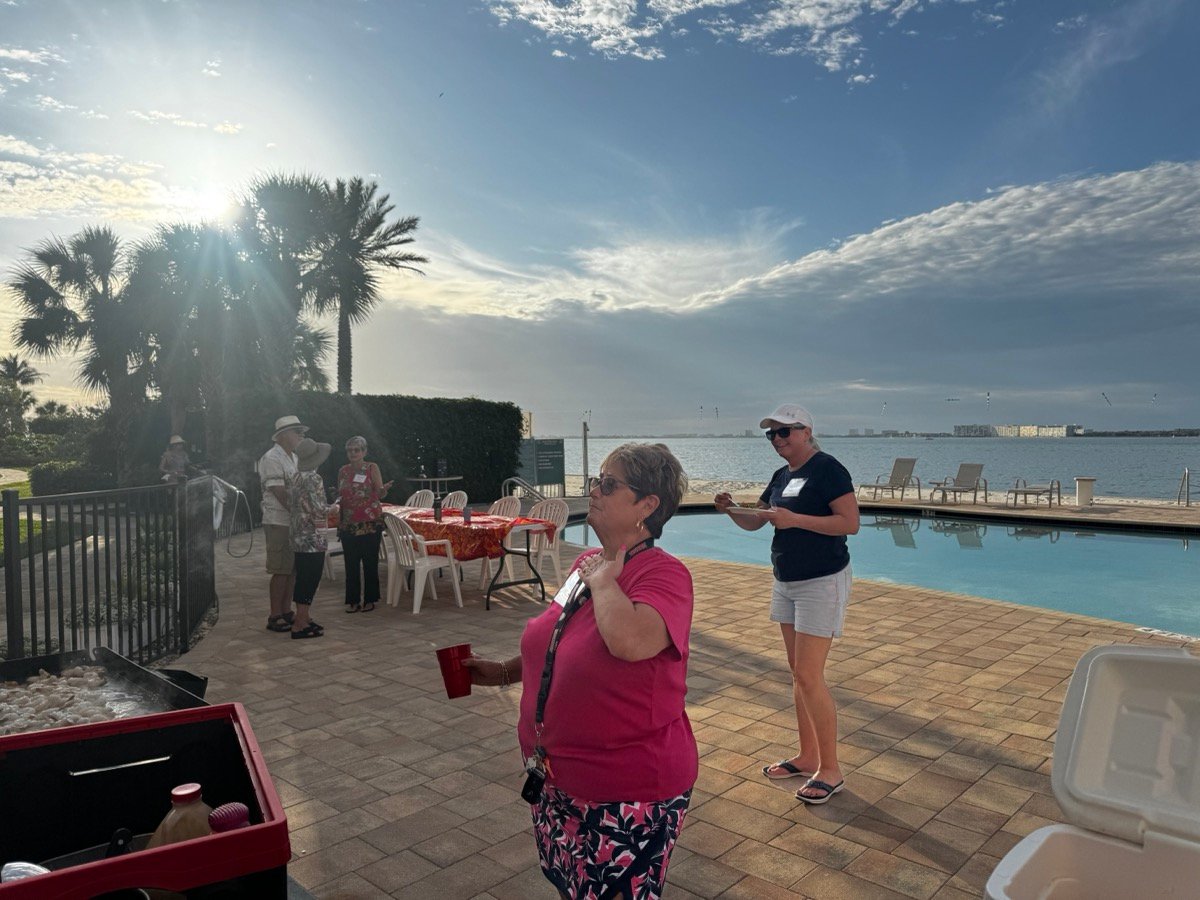
Private dining has become increasingly attractive because hosts want events that feel both convenient and distinctive. Off-premises dining now represents nearly three-quarters of restaurant traffic in the United States, reflecting how strongly consumers value food experiences beyond the traditional restaurant setting.
For hosts, a backyard hibachi party offers a practical alternative to restaurant reservations, crowded dining rooms, and complicated catering logistics. Guests can relax in a familiar environment while still enjoying the energy of live chef preparation.
What Guests Love About a Private Hibachi Chef
A mobile hibachi service brings several event elements together in one experience:
– Food and entertainment happen at the same time
– The menu is prepared fresh in front of guests
– The group stays together instead of splitting across tables
– The host spends more time with guests
– Photos, videos, and shared reactions happen naturally
– The event feels customized rather than generic
For a luxury private dinner, the appeal may be chef interaction and restaurant-style cooking without leaving home. For a graduation party, it may be the energy of a live show. For a corporate event, it may be a welcoming shared activity that makes networking easier.
The setting changes. The core value stays the same: a meal becomes a moment.
From Restaurant Table to Your Backyard
A successful at-home hibachi event is not simply restaurant food moved outdoors. It requires thoughtful planning, clear communication, food-safety awareness, and a setup designed around the host’s space.
At Hibachi Sake Sake, the experience is designed to feel seamless. A professional private hibachi chef brings the grill, cooking tools, and the performance-oriented energy that guests expect. The host can focus on invitations, music, decorations, and enjoying the people who came to celebrate.
How to Plan a Smooth Hibachi Party
A little preparation helps every event run better. Before confirming your private hibachi service, consider these five details.
1. Choose a suitable event area
Select a stable, open outdoor space with room for the grill, chef, guests, and safe movement around the cooking area.
2. Confirm the guest count early
An accurate headcount supports smoother seating, menu planning, ingredient preparation, and event timing.
3. Share dietary preferences in advance
Communicate allergies, vegetarian needs, children’s portions, and protein preferences before the event date whenever possible.
4. Build the schedule around the cooking show
Plan cake cutting, speeches, games, or gift opening before or after the chef’s service instead of competing with the main experience.
5. Set the tone for the occasion
For birthdays, add festive décor and a playlist. For corporate events, consider branded touches or a concise welcome before cooking begins. For an intimate dinner, create a quieter table setting and pace the evening around conversation.
This preparation is especially helpful in Florida, Georgia, South Carolina, and North Carolina, where outdoor celebrations may involve seasonal heat, humidity, rain planning, or varying venue layouts. Clear event details allow the service team and host to create the best possible setup.
The Experience Is About More Than Food
The lasting value of hibachi is not only in what is served. It is in the human side of the meal.
A chef working directly in front of a group creates a shared focal point. Children watch closely. Friends cheer each other on. Family members put phones down for a few minutes and react to the same moment. Coworkers who might only exchange emails have something easy to discuss.
This is why hibachi remains especially effective for occasions where connection matters:
| Occasion | Why Hibachi Works |
|---|---|
| Birthday parties | The live cooking show makes the guest of honor feel celebrated |
| Family gatherings | One shared grill keeps generations and groups together |
| Graduation parties | It creates a fun, photo-friendly focal point without formal dining |
| Holiday celebrations | The menu and experience feel festive while reducing host cooking duties |
| Corporate events | Interactive dining encourages conversation and team connection |
| Private luxury dinners | Chef-led service adds exclusivity, freshness, and personal attention |
The best events leave people saying more than, “The food was good.” They remember the chef’s performance, the laughter at the table, the smell of the grill, and the feeling that the whole group experienced something together.
Bring the Hibachi Celebration Home
The history of hibachi shows how a simple Japanese fire vessel became connected, through American dining culture, with one of the most social ways to enjoy a meal. Today’s private hibachi experience honors that evolution by bringing fresh cooking, skilled performance, and group celebration directly to the host’s chosen location.
Whether you are planning a birthday in Florida, a family reunion in Georgia, a graduation celebration in South Carolina, a backyard party in North Carolina, or a refined private dinner anywhere within our service area, Hibachi Sake Sake is ready to help make it special.
Book your private hibachi chef today and turn your next gathering into an experience your guests will talk about long after the last plate is cleared.
Frequently Asked Questions
Is hibachi the same as teppanyaki?
Not exactly. A traditional hibachi is a Japanese charcoal heating vessel, while teppanyaki refers to food cooked on a flat iron griddle. In the United States, “hibachi” is commonly used to describe the teppanyaki-style chef performance people enjoy at restaurants and private events.
What happens at a private hibachi party?
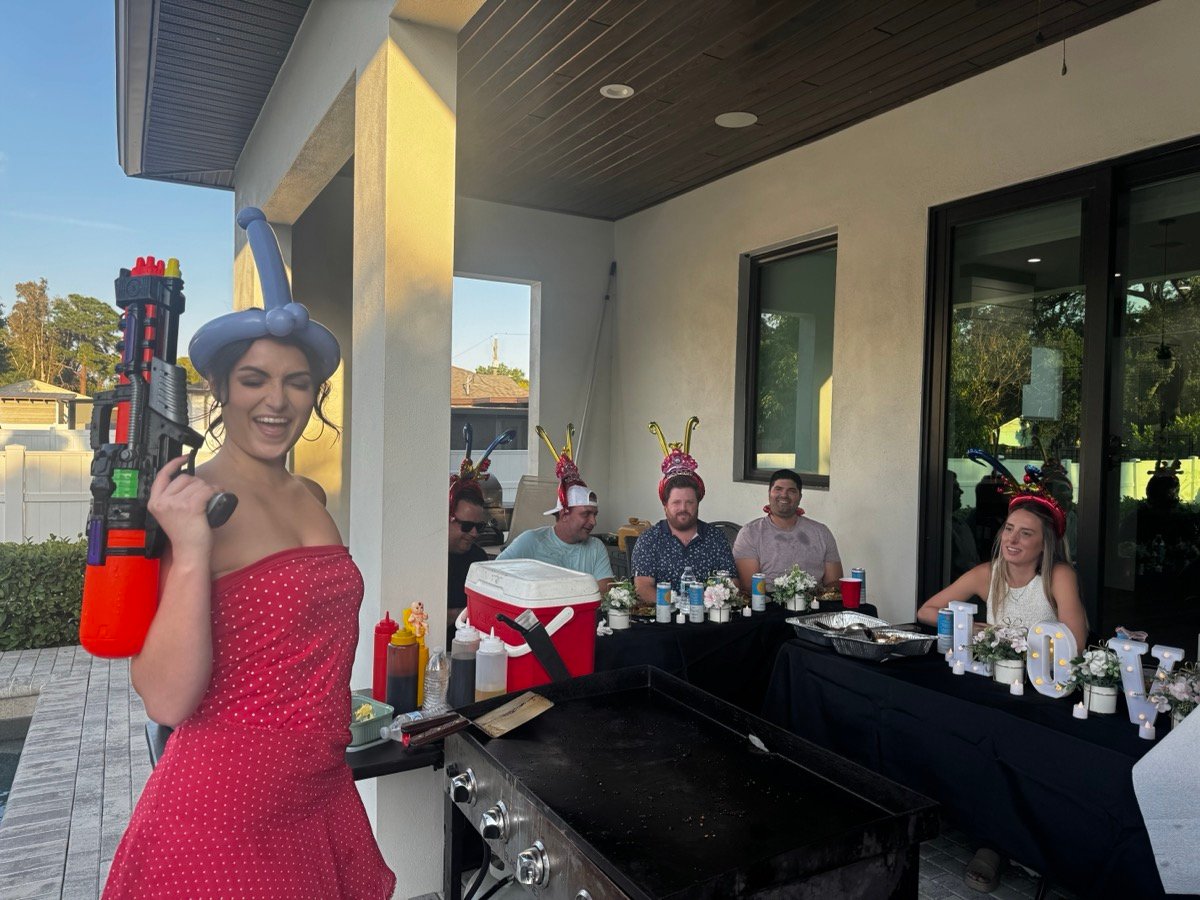
A private chef sets up a mobile flat-top grill at your home or event venue, prepares food in front of your group, and creates an interactive dining experience. Guests enjoy freshly cooked proteins, vegetables, rice, noodles, and chef-led entertainment.
What events are best for a backyard hibachi party?
Hibachi parties work especially well for birthdays, bachelorette and bachelor celebrations, family reunions, graduation parties, holiday gatherings, corporate events, vacation-rental dinners, and intimate private celebrations.
How far ahead should I book a private hibachi chef?
Book as early as possible, especially for weekends, holidays, and peak celebration seasons. Early booking gives you more flexibility with your preferred date, guest count, event location, and menu planning.
Do I need to provide a grill or cooking equipment?
No. A mobile hibachi service typically brings the professional grill and cooking equipment needed for the chef-led experience. Confirm the exact event requirements during booking, including space, seating, access, and any location-specific details.
Can a hibachi party work for a corporate event?
Yes. It is an effective option for company celebrations, client gatherings, employee appreciation events, and team-building occasions because it gives attendees a shared live experience while making conversation feel more natural.
Which areas does Hibachi Sake Sake serve?
Hibachi Sake Sake serves customers in Florida, Georgia, South Carolina, and North Carolina. Contact the team with your event date and location to confirm availability and service details.
References
1. [Hibachi WithUs — The History of Japanese Hibachi and Its Growing Popularity in America]
2. [Benihana International — Our History]
3. [National Restaurant Association — Off-Premises Restaurant Trends 2025]
4. [National Restaurant Association — From Trend to Transformation: Off-Premises Dining Now Essential]
5. [The Takeout — The Confusing History of Hibachi-Style Restaurants]
6. [Wikipedia — Hibachi]
Hot Tags: Private Hibachi Chef, Hibachi Catering, Mobile Hibachi Catering, Corporate Hibachi Catering, Private Event Catering, Backyard Hibachi Party, Teppanyaki Catering, Corporate Event Catering, Private Chef Services, Outdoor Catering Services