
Content Menu
● Why Safe Setup Matters for Private Hibachi Catering
>> The First Decision: Choose the Right Cooking Area
>> Indoor Requests Require a Separate Conversation
● Our Pre-Event Plan: Details That Protect the Experience
>> 1. Confirm Guest and Menu Details
>> 2. Evaluate the Station Before Guests Gather
>> 3. Build Food Safety Into Every Stage
● Food, Heat, and Guest Comfort During Service
>> A Simple Guest Briefing Prevents Interruptions
>> Temperature Control Is Part of Hospitality
>> The Host’s 10-Minute Readiness Checklist
● Planning for Florida, Georgia, and the Carolinas
>> Weather Changes: Plan Early, Decide Calmly
>> Children, Pets, and Multi-Generational Parties
● A More Relaxed Kind of Luxury
>> Can a Hibachi Chef Cook Inside My Home?
>> How Much Space Does an At-Home Hibachi Setup Need?
>> What Should I Tell the Chef About Food Allergies?
>> How Do We Keep Children and Pets Safe During Hibachi Catering?
>> What Happens If Rain or Strong Wind Is Forecast?
>> Can Guests Take Leftovers Home?
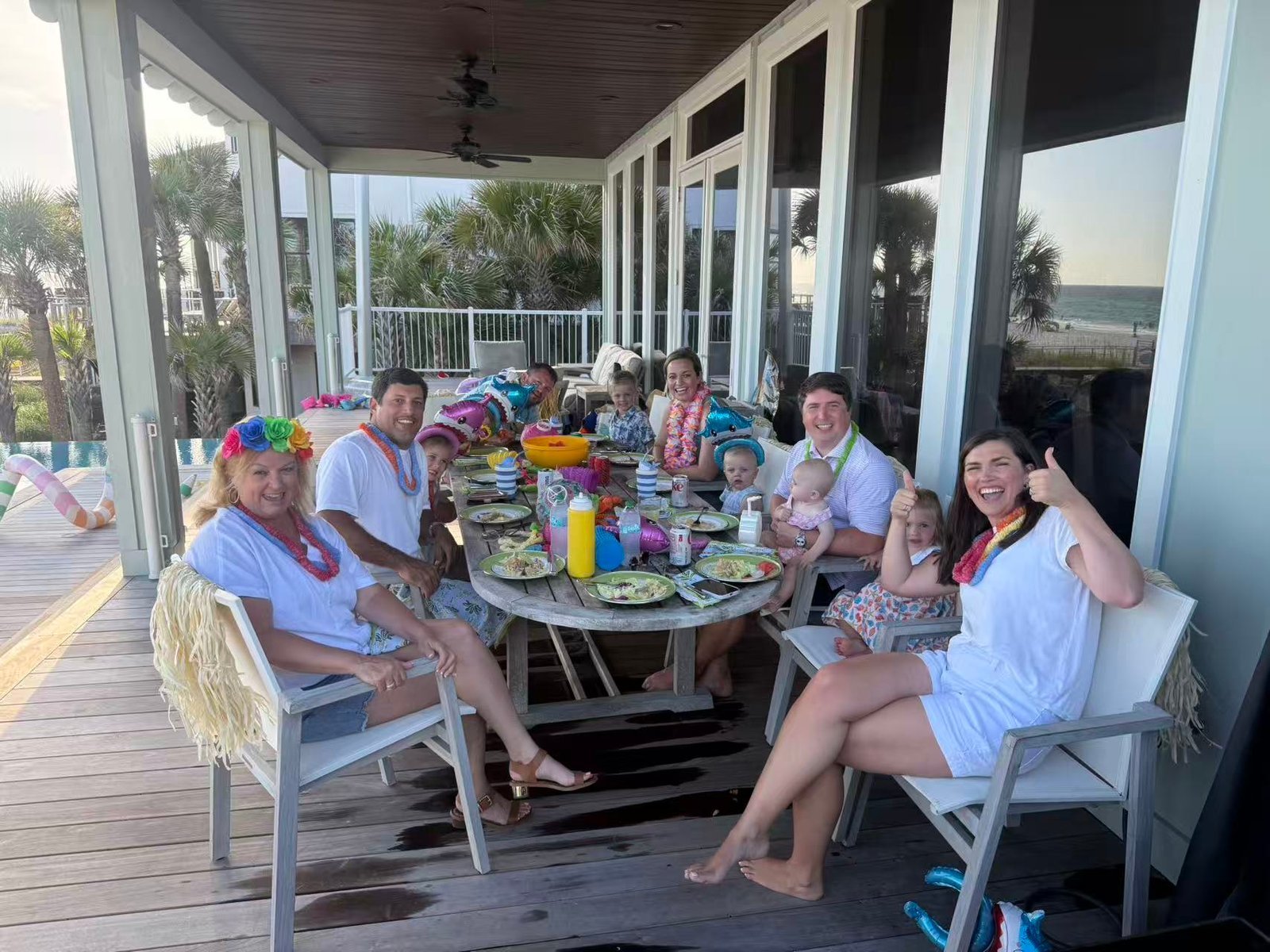
A private hibachi chef turns a birthday, family reunion, graduation party, holiday gathering, corporate event, or intimate dinner into a shared live-cooking moment. At Hibachi Sake Sake, we bring mobile Japanese teppanyaki service to homes and event spaces across Florida, Georgia, South Carolina, and North Carolina—with careful planning designed to keep the experience comfortable from arrival to cleanup.
Why Safe Setup Matters for Private Hibachi Catering
At-home hibachi is different from ordering restaurant delivery. A chef is building a live cooking station in your space, then preparing a meal in front of your guests. That creates an experience with more movement, heat, ingredients, equipment, seating, and interaction than a standard catered drop-off.
The goal is not to make the party feel formal. It is to remove avoidable surprises before the first course. A clear, level cooking area gives the chef room to work. A thoughtful seat layout gives guests a view without crowding the station. A quick conversation about children, pets, allergies, access, and weather gives everyone a plan rather than a last-minute scramble.
The First Decision: Choose the Right Cooking Area
For outdoor hibachi catering, select a flat, stable, open location before booking is finalized. A patio, driveway, or other appropriate outdoor surface can work well when it offers enough room for the cooking station, chef movement, guest seating, and an unobstructed route in and out.
Keep the area tidy and remove loose items that can create trip hazards. Decorative fabrics, paper goods, low-hanging décor, toys, and other combustible materials should not be near the active cooking zone. The grill area should also be kept clear of children and pets. A practical buffer gives the chef working room and gives hosts fewer things to monitor.
Mobile cooking equipment and local requirements can vary by venue. That is why hosts should share photos of the proposed location and disclose practical details in advance: deck or patio material, overhead cover, access gates, stairs, parking, nearby structures, and whether the event is at a rental property or community venue. We can then confirm whether the location is workable for the planned service rather than making assumptions on arrival.
Indoor Requests Require a Separate Conversation
A private hibachi chef experience is often best suited to an outdoor location. If you are considering an indoor, covered, or semi-enclosed area, ask before you book. Ventilation, equipment specifications, fire rules, venue policies, and the characteristics of the space all matter.
Our Pre-Event Plan: Details That Protect the Experience
Before the chef starts cooking, align on the guest count, menu, dietary information, site access, and cooking location. That preparation lets the team plan service and helps the host set expectations.
1. Confirm Guest and Menu Details
Tell us about all known food allergies, dietary restrictions, and preferences when you reserve—not when the grill is hot. A clear list lets the team discuss menu options and handling needs in advance. Guests with severe allergies should also make their needs known directly, because shared cooking environments may involve common ingredients, surfaces, or utensils.
Useful booking notes include:
– Guest count, including children and older guests
– Allergies and dietary needs, including shellfish, gluten, dairy, egg, soy, and sesame
– The desired menu and any non-meat or reduced-sodium requests
– Event timing, parking instructions, gates, stairs, and access codes
– Whether pets, children, decorations, or rented furniture will be near the cooking area
– A weather backup plan for outdoor events
This is not paperwork for its own sake. It allows the chef to prepare deliberately, communicate with confidence, and avoid interrupting your celebration with preventable questions.
2. Evaluate the Station Before Guests Gather
Before service begins, the chef needs a clean, stable place to work and a clear perimeter around the cooking equipment. Seating should give guests a comfortable view while leaving the chef a dedicated path for ingredients, tools, and movement. Walkways, doors, gates, and emergency exits should stay open.
The host can help by having seating in place before arrival and by designating one adult as the point of contact. That person can answer quick questions about the property, help redirect guests if needed, and make sure children and pets stay outside the active cooking zone. It is a small role that makes a large difference during arrivals and setup.
3. Build Food Safety Into Every Stage
Food safety is a sequence, not a single final check. It begins with clean hands and food-contact surfaces, separation of raw and ready-to-eat ingredients, temperature control during transport and service, and cooking to appropriate internal temperatures.
A dependable system also protects the pace of a live event: organized ingredients mean the chef is not improvising storage or searching for a clean tool while guests wait.
Keep unplanned ingredients, borrowed utensils, and home-prepared dishes out of the chef’s station unless the chef approves. Put appetizers, desserts, and drinks at a separate table.
Food, Heat, and Guest Comfort During Service
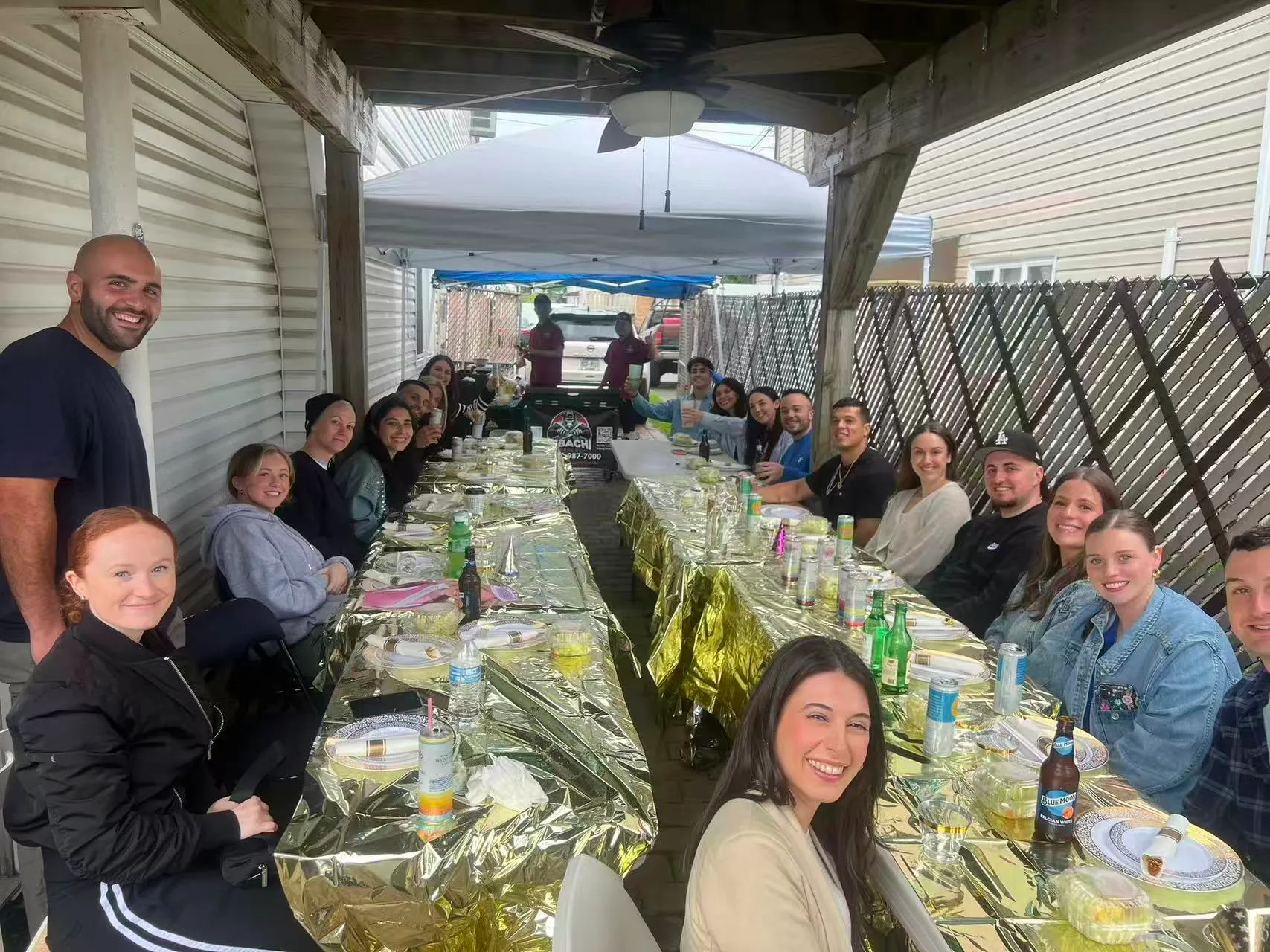
A professional chef manages the grill. Hosts manage the room. The best events work when guests know their part: enjoy the show, follow the chef’s short instructions, and keep hands, phones, drinks, and chairs out of the cooking path.
A Simple Guest Briefing Prevents Interruptions
Before cooking begins, take one minute to establish the house rules. Ask guests not to reach across the grill, touch cooking tools, or move chairs into the chef’s working space. Remind adults that children need active supervision and that pets should be kept away from the station. Keep bags, balloons, loose napkins, and beverage stations out of the immediate area.
The chef may use cooking techniques that create sound, steam, or a brief visual flare. These moments are controlled parts of the performance, but they are still reasons to respect the cooking boundary. If anyone is uneasy about heat, smoke, or strong aromas, place them farther from the station and ensure there is an easy route to step away.
Temperature Control Is Part of Hospitality
A beautiful plate is only one part of a successful event. Ingredients that need refrigeration must stay properly chilled until they are cooked or served, while hot foods should be served promptly and held safely if they are not eaten immediately. In warm Southern weather, this detail becomes even more important.
The host’s job is straightforward after service: make a timely decision about leftovers. Use clean, shallow containers, refrigerate appropriate food promptly, and do not keep items that have spent too long at room temperature. If there is uncertainty about how long food has been out or whether it was held correctly, it is better to discard it than take a chance.
The Host’s 10-Minute Readiness Checklist
Use this checklist shortly before your scheduled arrival:
1. Clear and sweep the selected cooking area.
2. Move furniture, décor, toys, and loose items away from the working zone.
3. Place guest seating so the chef has room to move and guests have a clear view.
4. Keep access paths, doors, gates, and driveways free of obstacles.
5. Bring children’s activities and pet areas away from the cooking station.
6. Share your final allergy list, guest count, and site changes with the team.
7. Set up drinks, gifts, and dessert at a separate table.
8. Check the forecast and confirm your weather backup plan.
9. Identify the on-site host who can answer property questions.
10. Welcome guests with one clear reminder: enjoy the show from your seats.
Planning for Florida, Georgia, and the Carolinas
Private hibachi events take place in real homes, not identical restaurant dining rooms. A summer afternoon in Florida can call for more attention to heat, rain, and food holding time. A coastal gathering may bring wind. A North Carolina evening can become cool after sunset. The strongest plan considers the local conditions while still keeping the experience easy for the host.
Weather Changes: Plan Early, Decide Calmly
Ask about weather options when you reserve. Do not wait until guests are arriving to decide whether the station has enough protection, airflow, and safe access. A weather contingency can include shifting the event time, choosing another appropriate outdoor area, or following the booking team’s rescheduling guidance.
A tent or covered area is not an automatic solution. Its ventilation, materials, proximity to structures, and venue rules must be reviewed for the actual space and equipment.
Children, Pets, and Multi-Generational Parties
Hibachi is naturally social, which is why it works so well for birthday celebrations and family gatherings. It also means a host should plan for the guests who move unpredictably. Give children a designated seat and make sure a parent or guardian stays responsible for them. Keep pets indoors or in a separate secure area during setup and cooking.
Older adults and guests with mobility needs may appreciate a seat with a stable path, less smoke exposure, and a little more distance from the heat. Asking about those needs ahead of time is considerate, not complicated. Good hosting is about making it easy for every guest to participate.
A More Relaxed Kind of Luxury
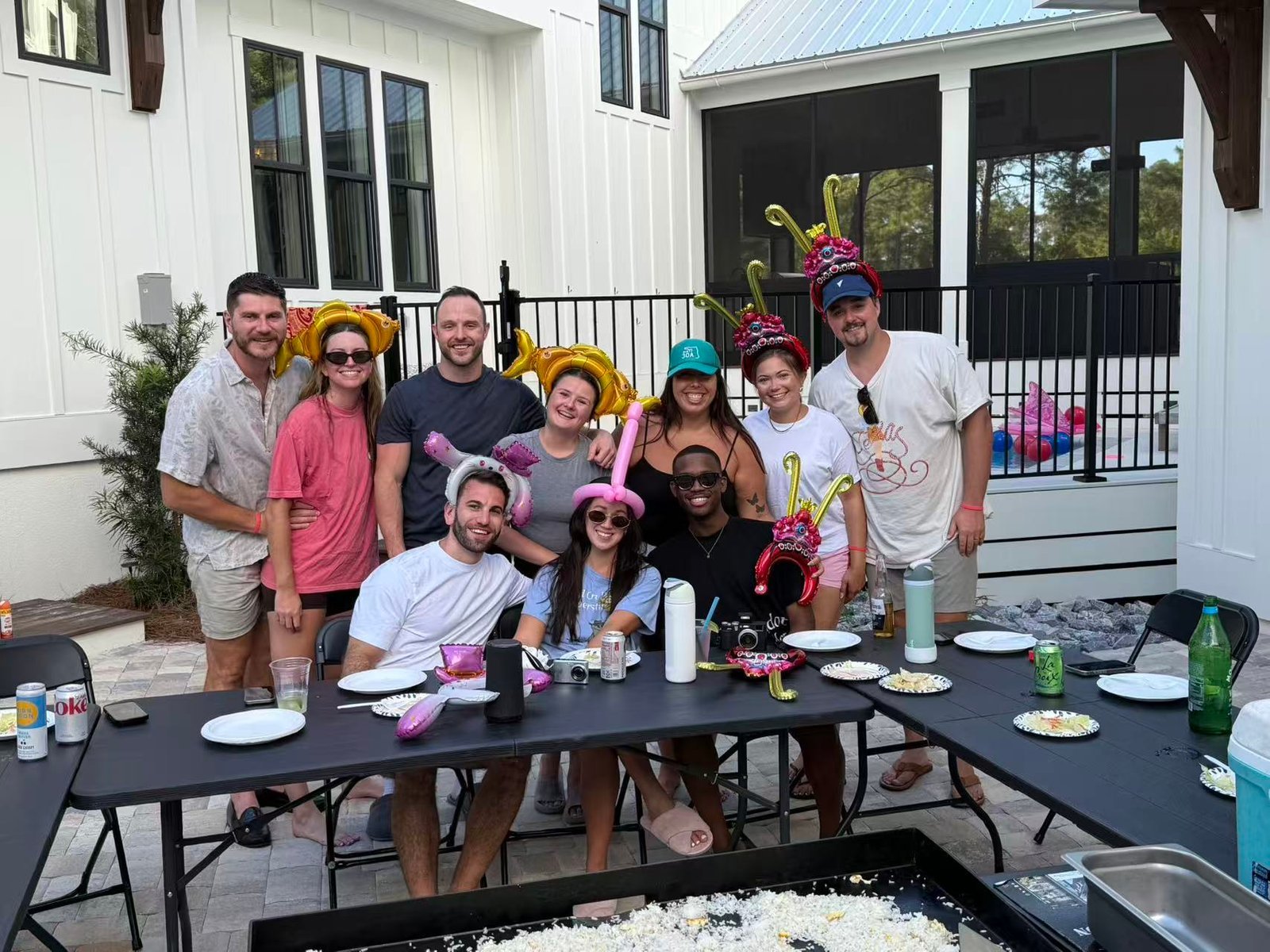
The most memorable private dinners feel effortless because the planning happened earlier. Reviews of Hibachi Sake Sake repeatedly celebrate the chef’s energy, humor, and ability to make families and first-time hibachi guests feel included. That feedback points to the real value of an at-home experience: a chef-led meal that is lively enough for a celebration and personal enough for your own space.
Safety is not separate from that feeling. It is the structure that lets the fun happen. A prepared host, an appropriate site, clear guest boundaries, early allergy communication, and a weather-aware plan create the conditions for a smooth show and an unhurried meal.
Ready to host a birthday, family gathering, graduation celebration, company event, or private dinner? Contact Hibachi Sake Sake to discuss your location, guest count, menu preferences, and the right setup for a private hibachi chef experience in Florida, Georgia, South Carolina, or North Carolina.
Frequently Asked Questions
Can a Hibachi Chef Cook Inside My Home?
Ask us before booking. Outdoor setups are often the most practical choice, while indoor or semi-enclosed spaces require a review of ventilation, equipment, property rules, and the exact layout. Never assume a garage, balcony, patio roof, or tent is suitable without confirmation.
How Much Space Does an At-Home Hibachi Setup Need?
The answer depends on the cooking equipment, guest count, surface, access, and seating plan. Send photos and basic dimensions before the event so the team can assess a safe working area, guest viewing space, and clear access routes.
What Should I Tell the Chef About Food Allergies?
Share every known allergy and dietary request when you book, then remind the team of any changes before service begins. Severe allergies require direct discussion because hibachi cooking can involve shared ingredients, surfaces, and utensils.
How Do We Keep Children and Pets Safe During Hibachi Catering?
Seat children with active adult supervision and keep pets in a separate secure area during arrival, setup, and cooking. Everyone should remain outside the chef’s active working zone and avoid reaching toward the grill or utensils.
What Happens If Rain or Strong Wind Is Forecast?
Contact the booking team as soon as the forecast becomes a concern. Review the confirmed weather plan and the exact event space; do not move the cooking station under a cover or into an enclosed area unless the team has approved that arrangement.
Can Guests Take Leftovers Home?
That depends on how the food was handled and held during the event. If leftovers are appropriate to keep, transfer them promptly into clean, shallow containers and refrigerate them. When there is doubt about time or temperature, discard the food.
References
1. [Original article: “Safety First: How We Ensure a Secure and Enjoyable Hibachi Experience at Your Home”] — Original structure and core discussion of site inspection, seating distance, chef supervision, and event setup. [hibachiwithus]
2. [U.S. Food and Drug Administration: Safe Food Handling] — Guidance on cleaning, separating raw and ready-to-eat food, cooking temperatures, chilling, and safe leftover handling. [fda]
3. [FoodSafety.gov: Food Safety Tips for Catered and DIY Wedding Food] — Catering-specific guidance on cold and hot food holding, allergy communication, transport, serving, and leftovers. [foodsafety]
4. [U.S. Fire Administration: Outdoor Fire Safety] — Outdoor grill placement, supervision, clearance, and child/pet safety guidance. [usfa.fema]
5. [Hibachi Sake Sake: Hibachi at Home and Hibachi Catering] — Brand service positioning and customer feedback themes regarding family-friendly private hibachi experiences. [hibachisakesake]
6. [Hibachi Sake Sake: More Than Dinner—Why Private Hibachi Catering Is the Ultimate Backyard Experience] — Customer-review themes related to chef personality, guest inclusion, children, and first-time hibachi diners. [hibachisakesake]
Hot Tags: Private Hibachi Catering, At-Home Hibachi Chef, Mobile Hibachi Catering, Backyard Hibachi Party, Private Teppanyaki Chef, Hibachi Catering Services, Outdoor Hibachi Catering, Corporate Hibachi Catering, Private Chef Experience, Hibachi Party Catering