
Content Menu
● Why Florida Weather Requires a Mobile Hibachi Backup Plan
● Two Essential Priorities: Guest Safety vs. Event Continuity
● Rain Plans for Backyard Hibachi Parties
>>> 1. A Covered Lanai or Enclosed Patio
>>> 2. An Indoor Dining and Service Alternative
>>> 3. A Tent for Rain Comfort—Not Lightning Protection
>>> 4. A Start-Time Adjustment
● Lightning Protocol: When the Chef Must Pause
>> A Simple 30-Minute Return Rule
>> What Guests Should Do During a Lightning Pause
● Mobile Hibachi Weather Backup Comparison
● How to Build a Reliable Hibachi Event Plan
>> Step 1: Choose the Right Event Area
>> Step 2: Identify a Real Shelter Location
>> Step 3: Create a Communication Chain
>> Step 4: Plan the Indoor Intermission
● Special Considerations for Heat, Wind, and Tropical Weather
>> Wind
>> Tropical Storms and Hurricanes
● What Makes a Professional Backup Plan Different
● Plan the Celebration With Confidence
>> Can a mobile hibachi chef cook in light rain?
>> Can a hibachi party continue under a tent during a thunderstorm?
>> How long should we wait after lightning before returning outside?
>> Is a covered lanai safe during lightning?
>> What happens if severe weather is forecast before our hibachi event?
>> Should we choose an earlier or later time for a Florida backyard hibachi party?
>> What should hosts prepare for a summer outdoor hibachi event?
A private hibachi party should feel exciting, effortless, and memorable—not fragile because of a shifting forecast. For hosts planning a mobile hibachi chef experience in Florida, a clear weather backup plan is just as important as the menu, guest count, and backyard layout.
At Hibachi Sake Sake, we design private and mobile Japanese hibachi experiences for birthdays, family gatherings, holiday celebrations, graduation parties, corporate events, and upscale private dinners across Florida, Georgia, South Carolina, and North Carolina. Our approach to outdoor hibachi catering is simple: prepare for the celebration, respect the weather, and build a flexible plan before guests arrive.
Florida is known for sunshine, warm evenings, poolside entertaining, and beautiful outdoor spaces. It is also known for sudden showers, intense heat, afternoon thunderstorms, lightning, wind, and tropical weather patterns. A successful backyard hibachi party in Florida needs more than a “rain date.” It needs a practical, safety-first contingency plan that preserves the guest experience when conditions change.
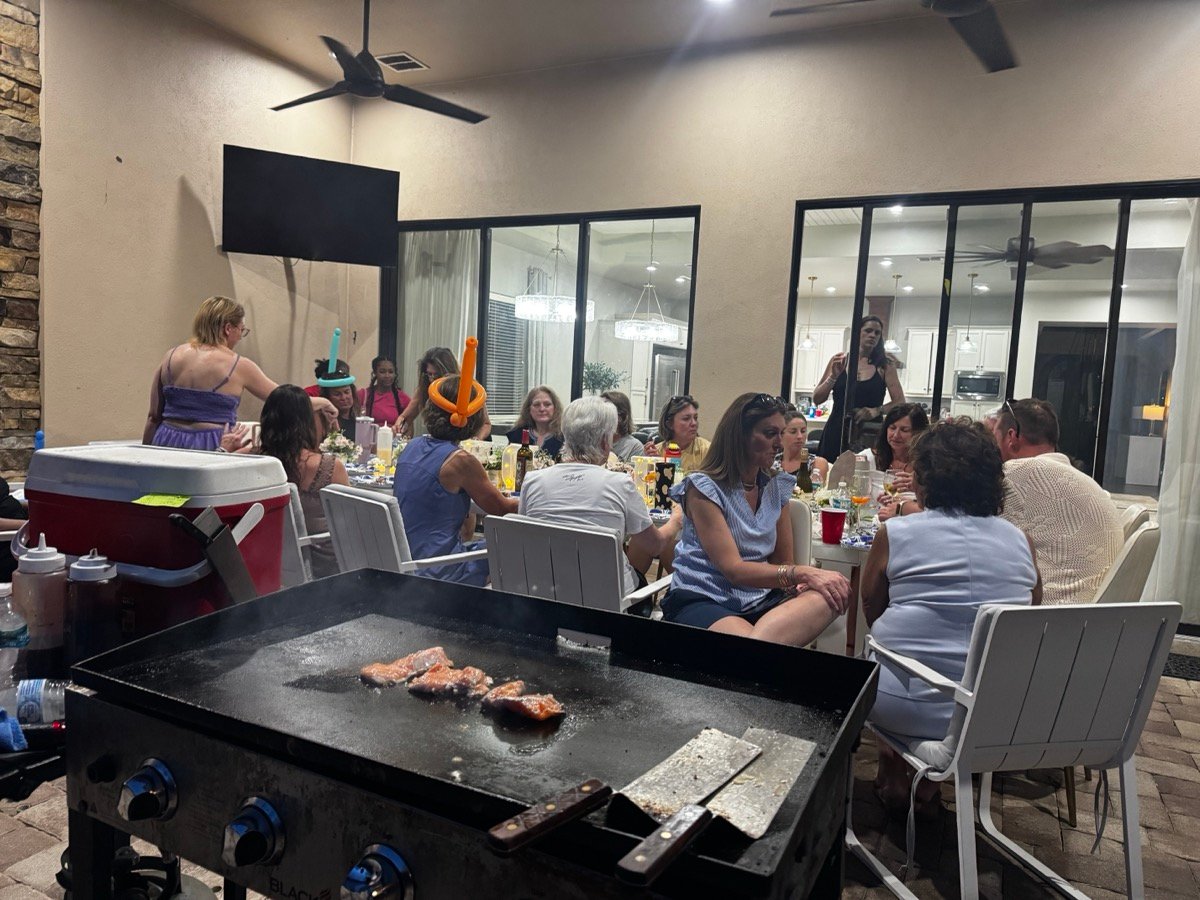
Why Florida Weather Requires a Mobile Hibachi Backup Plan
Florida weather can change quickly, especially from late spring through early fall. In many parts of the state, the rainy season overlaps with the busiest season for outdoor celebrations. Afternoon heat can create short but intense thunderstorms, often accompanied by lightning, gusty winds, and heavy rainfall. July through early September is typically the peak of the rainy season in much of west-central Florida, while the broader rainy period generally extends from late May into October.
For hosts, the key issue is not simply whether it will rain. A light shower and an active thunderstorm create very different operating conditions.
A professional mobile hibachi chef backup plan must account for:
– Rainfall that affects seating, walkways, service surfaces, and guest comfort
– Lightning that requires an immediate pause of outdoor activity
– Wind that can disrupt table settings, décor, flame performance, and temporary structures
– Heat and humidity that affect guests, food handling, hydration, and cooking comfort
– Tropical systems that may require early communication and rescheduling decisions
– Venue limitations, including patios, covered lanais, garages, pool decks, and indoor access
Florida has exceptionally frequent thunderstorm activity. The Florida Climate Center notes that virtually all summer rainstorms include thunder and lightning, and parts of the western peninsula experience more than 80 thunder-and-lightning days in a typical year.
That reality does not mean outdoor hibachi parties are impractical. It means the best events are planned with flexibility from the beginning.
Two Essential Priorities: Guest Safety vs. Event Continuity
When planning a private hibachi party during uncertain weather, hosts often face two competing goals:
1. Keep the celebration running as planned
2. Keep every guest, chef, and staff member safe
These goals are not equal. Safety always comes first.
A skilled mobile hibachi provider can help protect the event experience through timing, layout, communication, and alternate service plans. However, no food experience is worth exposing guests or staff to unsafe lightning conditions.
The National Weather Service is clear: there is no safe place outdoors during a thunderstorm. When thunder is heard or lightning is seen, outdoor activities should stop and guests should move into a substantial enclosed building or a hard-topped vehicle. Outdoor pavilions, tents, porches, sheds, and similar open structures are not reliable lightning shelters.
The Practical Difference
| Weather Situation | Can the Hibachi Experience Continue? | Recommended Response | Best Guest Option |
|---|---|---|---|
| Light rain with no lightning | Possibly, depending on the covered cooking area and surface conditions | Assess drainage, wind direction, equipment protection, and guest comfort | Covered patio, screened lanai, tented dining area with safe clearance |
| Passing shower | Often after a short pause | Protect food and equipment; wait for surfaces to become safe and dry | Indoor gathering area or covered space |
| Thunder heard or lightning seen | No | Stop outdoor cooking and move people to appropriate shelter | Fully enclosed home or building |
| Strong wind | Usually paused or adjusted | Secure loose items; reassess chef station, flame safety, and table layout | Indoor or properly enclosed alternate space |
| Tropical storm watch or severe weather forecast | May require early adjustment | Discuss timing, rescheduling, or an indoor alternative before event day | Reschedule or host inside a suitable venue |
| Extreme heat | Often possible with precautions | Shift start time, create shade, provide hydration, and reduce heat exposure | Evening event with shaded seating and water station |
A weather backup plan is not a sign that an event will fail. It is what allows a celebration to stay organized when the unexpected happens.
Rain Plans for Backyard Hibachi Parties
Rain alone does not always cancel a mobile hibachi event. The actual decision depends on the type of rain, the cooking setup, the available covered area, wind conditions, drainage, visibility, and whether lightning is present.
A well-planned event begins with a venue walkthrough or a detailed venue assessment. Before confirming an outdoor hibachi layout, the host should identify where the chef can safely cook, where guests can sit, and where everyone can move if weather changes.
Best Rain Backup Options
1. A Covered Lanai or Enclosed Patio
For many Florida homes, a covered lanai is the most convenient backup location. It can provide protection from direct rain while keeping the event close to the backyard, pool, and main entertaining area.
However, hosts should not assume every covered patio is suitable for hibachi cooking. The chef needs safe clearance, stable flooring, airflow, room for guests, and appropriate distance from walls, furniture, screens, décor, and combustible materials.
Before the event, confirm:
– The approximate dimensions of the covered space
– Ceiling height and overhead obstructions
– Flooring material and surface condition
– Access route from parking to the cooking area
– Distance from the home, pool, furniture, and landscaping
– Whether guests can comfortably watch and dine nearby
– Whether the space remains dry during wind-driven rain
A covered patio may protect the cooking station from rain, but it should never be treated as lightning shelter if it is open-sided or otherwise not fully enclosed.
2. An Indoor Dining and Service Alternative
For luxury private dinners, corporate gatherings, or milestone birthdays, an indoor transition plan is often the most polished backup option. The outdoor hibachi performance may need to pause, but the celebration does not need to stop.
A strong indoor plan can include:
– Moving guests into the main living or event area
– Shifting from chef-side seating to plated or buffet-style service where appropriate
– Serving appetizers, drinks, dessert, or sake while weather passes
– Using the time for speeches, gifts, birthday celebrations, or team recognition
– Resuming the chef experience only after outdoor conditions are safe
This option is especially valuable for hosts who want a more premium experience. Rather than leaving guests uncertain, the host can create an intentional “indoor intermission” that feels like part of the event design.
3. A Tent for Rain Comfort—Not Lightning Protection
A professionally installed tent can be useful for shade and light-rain dining comfort. It can protect tables, chairs, décor, beverage stations, and guests during a brief shower.
But a tent is not a safe place during lightning. Neither are gazebos, open garages, small shelters, picnic pavilions, carports, and screened outdoor structures. The safest options during a thunderstorm are a substantial enclosed building or a fully enclosed hard-topped vehicle.
If you use a tent, treat it as a hospitality feature, not a storm shelter.
4. A Start-Time Adjustment
Florida storms often follow local patterns, especially during warm-weather afternoons. For some occasions, an earlier lunch gathering or later evening hibachi dinner can reduce exposure to peak heat and common afternoon shower windows.
A start-time shift may be a smart choice for:
– Poolside birthday parties
– Graduation celebrations
– Family reunions
– Corporate happy-hour events
– Summer holiday gatherings
– Weekend backyard hibachi dinners
No timing choice can guarantee clear weather. Still, flexible scheduling gives hosts more control over comfort, lighting, guest arrival, and the overall pace of the party.
Lightning Protocol: When the Chef Must Pause
The most important rule for an outdoor hibachi party is straightforward: if thunder is heard or lightning is seen, outdoor activity stops.
This applies even if the rain has stopped, the sky looks brighter, or the storm appears far away. Lightning can strike outside the heaviest rainfall area, and weather conditions can change faster than a group can safely relocate.
A professional outdoor event plan should clearly communicate who will make the weather call, how guests will be notified, and where they will go.
A Simple 30-Minute Return Rule
The National Weather Service advises waiting at least 30 minutes after the last thunder is heard before resuming outdoor activity.
For hosts, this means a brief thunderstorm can create a longer interruption than expected. The rain may last 10 minutes, but the event may need to remain indoors for at least 30 minutes after the final thunder.
This is why a backup plan should include more than a covered table. It should include a way to keep guests comfortable, entertained, and informed during the pause.
What Guests Should Do During a Lightning Pause
– Move inside a substantial, fully enclosed building
– Stay away from open patios, pool decks, porches, pavilions, and tents
– Avoid standing under trees or near fences, poles, and water
– Do not remain in golf carts, convertibles, open utility vehicles, or uncovered outdoor areas
– Keep children and pets inside with adults
– Wait for the all-clear before returning outdoors
For a private home event, the best shelter is typically the home itself. If a fully enclosed building is not available, a fully enclosed hard-topped vehicle with closed windows is a safer alternative than remaining outside.
Mobile Hibachi Weather Backup Comparison
Not every backup solution provides the same result. The table below helps hosts compare common options before booking a private hibachi chef.
| Backup Plan | Rain Protection | Lightning Safety | Guest Experience | Best Use Case |
|---|---|---|---|---|
| Covered lanai | High for light-to-moderate rain | Limited if open-sided | Strong, intimate, convenient | Residential backyard parties with suitable clearance |
| Indoor home or event room | High | High when fully enclosed | Excellent for continuity, speeches, drinks, and service | Luxury dinners, family events, corporate gatherings |
| Event tent | Moderate to high for rain and sun | Not safe during lightning | Good for dining comfort; less suitable for active storms | Large gatherings with an indoor shelter nearby |
| Open garage | Moderate from rain | Not safe during lightning | Functional but limited | Temporary rain cover only, with indoor shelter available |
| Rescheduled start time | Preventive rather than protective | Depends on conditions | Can improve comfort and reduce disruption | Flexible birthdays, weekends, and seasonal parties |
| Rescheduling the event | Complete risk reduction for severe forecast conditions | High | Best for preserving the full hibachi experience | Tropical weather, severe storms, unsafe venue conditions |
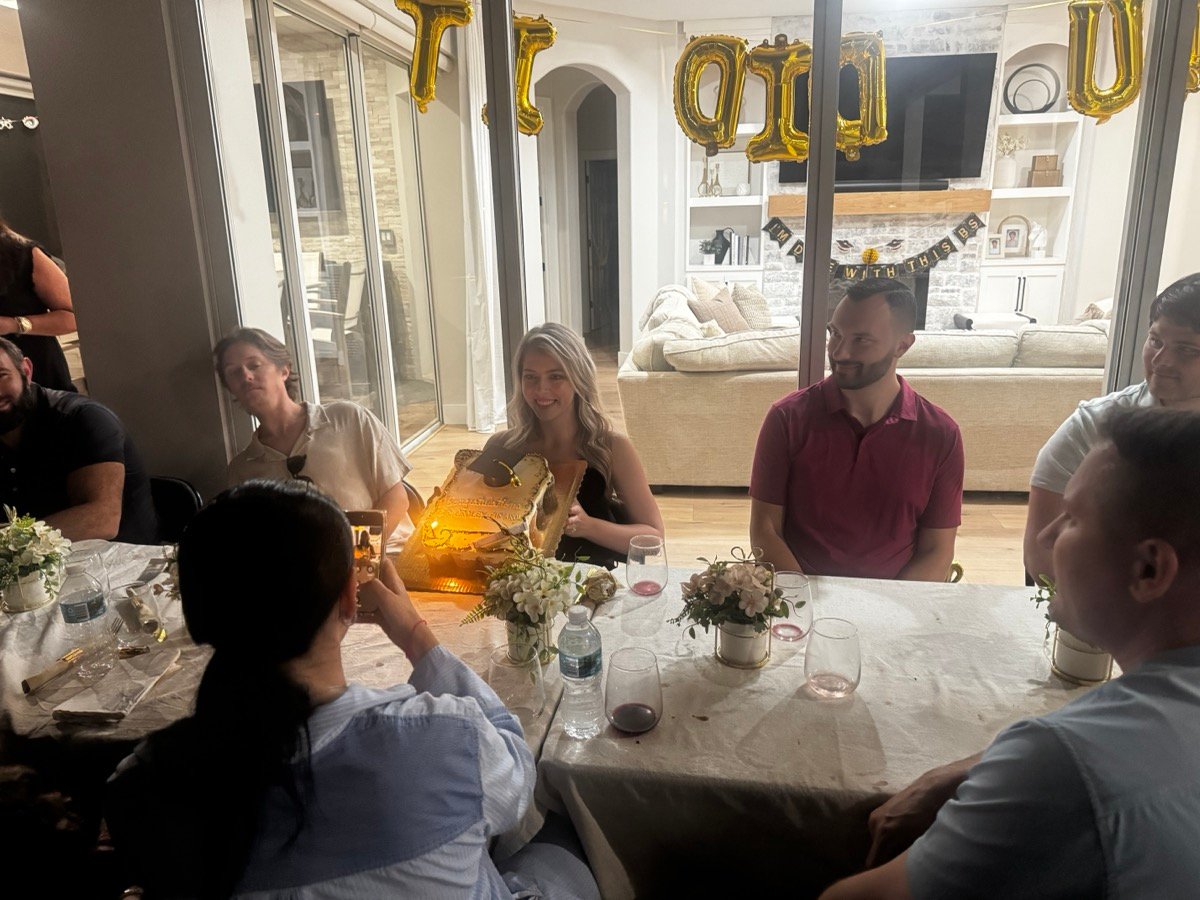
How to Build a Reliable Hibachi Event Plan
The best contingency plan is created before invitations are sent. Hosts should not wait until guests arrive to decide where the chef will cook or how the group will respond to lightning.
Step 1: Choose the Right Event Area
Select an outdoor location with a flat, stable surface and clear access for the mobile hibachi setup. Avoid tight corners, uneven ground, saturated lawn areas, narrow gates, cluttered patios, and locations close to low-hanging branches.
Consider the full guest journey:
– Where will the chef station be positioned?
– Where will guests sit and watch?
– Where will drinks, cake, gifts, and personal items go?
– Is there a dry route from the house to the dining area?
– Where can guests move if rain begins?
– Is the nearest indoor space large enough for the group?
A beautiful backyard is only part of the equation. Flow matters.
Step 2: Identify a Real Shelter Location
Before the event, identify the exact indoor area that can accommodate guests during a thunderstorm. Be specific. “We can probably go inside” is not a plan.
Instead, decide:
– Which room or rooms guests will use
– How many people fit comfortably
– Where children, older guests, and pets will go
– How food and beverages will be managed during the pause
– Whether the route inside is clear and slip-resistant
– Whether there is enough seating, cooling, and restroom access
For larger celebrations, consider reserving an event venue with both outdoor ambiance and a genuine indoor room available.
Step 3: Create a Communication Chain
At a private event, guests look to the host for direction. A simple communication process prevents confusion.
Assign one person—often the host, planner, or designated family member—to coordinate with the chef team if weather conditions change. That person can help guide guests, answer questions, and keep the transition calm.
A clear announcement can be simple:
> “We’re pausing the outdoor cooking because of lightning. Please move inside now. We’ll continue the celebration indoors and reassess after the safety waiting period.”
The message should be calm, direct, and decisive.
Step 4: Plan the Indoor Intermission
The most enjoyable weather pauses are the ones guests barely perceive as a disruption.
Build a short indoor activity into the event plan:
– Serve sake, mocktails, wine, or soft drinks
– Bring out appetizers or dessert
– Start birthday candles and gift opening
– Schedule a toast or family speech
– Play a slideshow for a graduation or anniversary
– Begin a team-recognition segment for a corporate event
– Set up a photo corner away from windows and exterior doors
This is where an experienced private chef event provider adds value. The goal is not merely to “wait out the rain.” The goal is to preserve the rhythm of the celebration.
Special Considerations for Heat, Wind, and Tropical Weather
Rain is not the only weather factor that affects a Florida mobile hibachi party.
Heat and Humidity
A sunny Florida afternoon can feel more demanding than a rainy one. High heat and humidity can affect guest comfort, especially for children, older adults, guests wearing formal clothing, and anyone seated near the cooking performance.
For warm-weather events, consider:
– Scheduling the chef experience closer to sunset
– Providing shaded guest seating
– Offering chilled water and nonalcoholic drinks on arrival
– Avoiding heavy outdoor activities before dinner
– Using fans only where safe and appropriate for the cooking setup
– Keeping food, desserts, and beverages out of direct sunlight
– Providing a cool indoor space for guests who need a break
A later start can transform the atmosphere. The lighting becomes warmer, the temperature often becomes more manageable, and the hibachi show feels more like a special evening occasion.
Wind
Wind creates practical challenges that guests may not notice until an event is underway. It can shift smoke, disturb napkins and table décor, affect flame visibility, and make wet surfaces more uncomfortable.
A mobile hibachi chef should have enough open space to work safely, but the host can help by securing lightweight decorations, choosing sturdy tableware, and keeping the cooking zone free from balloons, loose fabrics, paper signs, and other items that may blow into the workspace.
Tropical Storms and Hurricanes
When tropical weather is forecast, the best decision is usually made early—not at the moment guests begin arriving.
If a tropical storm watch, hurricane watch, warning, or significant severe-weather outlook affects the event area, communicate with your hibachi provider as soon as possible. A timely discussion may allow for a new date, a revised start time, or a venue adjustment.
For large milestones, avoid building the entire celebration around a single weather-sensitive plan. A flexible host protects the investment in food, décor, photography, rentals, guest travel, and the chef experience itself.
What Makes a Professional Backup Plan Different
A casual backyard cookout can often improvise. A premium private hibachi event needs a higher standard of preparation.
At Hibachi Sake Sake, a weather-ready event mindset focuses on the details that influence both safety and hospitality:
– Pre-event planning based on the venue, party size, and time of day
– Clear cooking-area expectations before the chef arrives
– Weather monitoring before and during outdoor service
– Fast, calm communication if a pause becomes necessary
– Guest-centered transitions that reduce confusion and protect the mood
– Flexible event flow for celebrations where timing may change
– Respect for local conditions across Florida, Georgia, South Carolina, and North Carolina
The purpose of a backup plan is not to make the event feel cautious. It is to make the host feel confident.
When guests see that there is a comfortable indoor option, a clear plan, and a team prepared to adapt, they can relax and enjoy the experience. That confidence is part of luxury hospitality.
A Host’s Weather Checklist
Use this checklist 48 to 72 hours before your private hibachi event:
1. Check the local forecast for rain, thunderstorms, wind, heat, and severe-weather alerts.
2. Confirm the primary outdoor cooking and guest seating area.
3. Identify the fully enclosed indoor shelter space for all guests.
4. Clear walking paths between the outdoor setup and indoor area.
5. Remove loose décor, clutter, and trip hazards from the cooking zone.
6. Confirm guest count, including children and anyone with mobility needs.
7. Prepare hydration, shade, and cooling options for hot weather.
8. Discuss likely rain or storm scenarios with your chef provider.
9. Keep phones charged so hosts can receive weather updates.
10. Be prepared to pause outdoor activity immediately if thunder is heard or lightning is seen.
11. Wait at least 30 minutes after the last thunder before returning to outdoor activity.
12. Prioritize guest safety over the original event timeline.
Plan the Celebration With Confidence
Florida weather should not stop you from hosting an unforgettable private hibachi party. It should encourage you to plan with more intention.
A well-designed mobile hibachi chef backup plan gives you options: a covered setup for light rain, a fully enclosed indoor space for lightning, a comfortable event flow during pauses, and a flexible approach when tropical weather requires a change.
Whether you are celebrating a birthday in Tampa, hosting a family dinner in Orlando, planning a graduation party in Jacksonville, arranging a corporate gathering in Miami, or creating a luxury backyard experience elsewhere across Florida and the Southeast, Hibachi Sake Sake can help you plan a hibachi event that feels special in changing conditions.
Ready to create a weather-ready private hibachi experience? Contact Hibachi Sake Sake to discuss your date, location, guest count, outdoor space, and the best backup plan for your celebration.
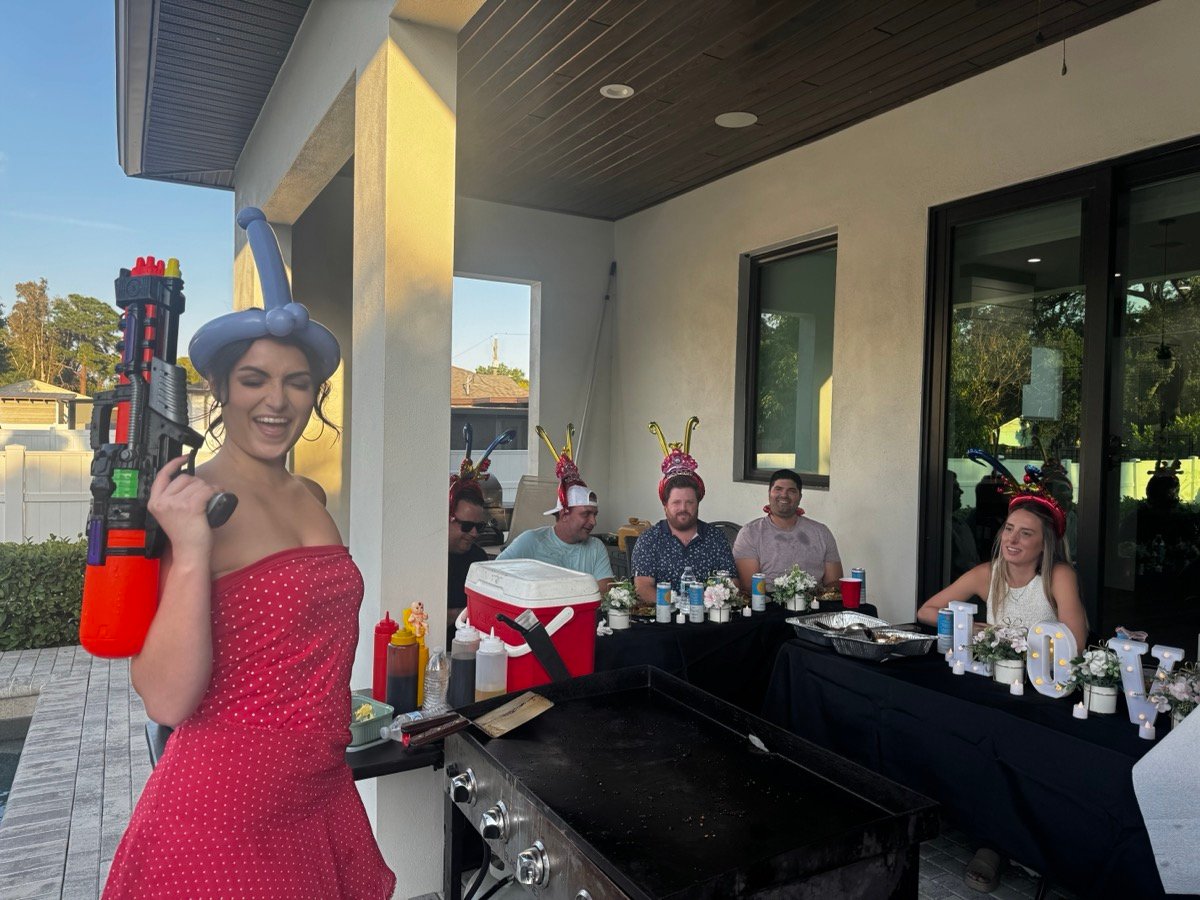
Frequently Asked Questions
Can a mobile hibachi chef cook in light rain?
It may be possible when the cooking area is safely covered, the surface is stable and dry enough, wind conditions are manageable, and there is no thunder or lightning. The final decision should depend on the venue layout, active weather conditions, and chef safety requirements.
Can a hibachi party continue under a tent during a thunderstorm?
No. A tent may help protect guests from sun or rain, but it is not a safe shelter during lightning. Guests should move to a substantial enclosed building or, if necessary, a fully enclosed hard-topped vehicle.
How long should we wait after lightning before returning outside?
Wait at least 30 minutes after the last thunder is heard before resuming outdoor activity. This applies even if rain has stopped and the sky appears clear.
Is a covered lanai safe during lightning?
A covered lanai may protect against rain, but an open-sided or screened structure is not a reliable lightning shelter. During a thunderstorm, guests should move into a fully enclosed building with walls, a roof, and appropriate wiring or plumbing.
What happens if severe weather is forecast before our hibachi event?
Contact Hibachi Sake Sake as early as possible. Depending on the forecast, event location, available indoor space, and timing, the team can discuss an adjusted schedule, an indoor service alternative, or rescheduling options.
Should we choose an earlier or later time for a Florida backyard hibachi party?
A later start often improves comfort during hot months and may help avoid the strongest afternoon heat. However, weather patterns vary by city and day, so hosts should check the local forecast and maintain a suitable indoor backup plan.
What should hosts prepare for a summer outdoor hibachi event?
Prepare a clear chef station, shaded or covered guest seating where appropriate, water and cooling options, a safe route inside, an indoor shelter space, and a designated person to coordinate guest communication if weather changes.
References
1. National Weather Service. [Lightning Safety and Outdoor Sports Activities]
2. National Weather Service Tampa Bay Area, Ruskin, Florida. [Florida Thunderstorm Season]
3. Florida Climate Center, Florida State University. [Thunderstorms]
4. University of Florida IFAS Extension. [Lightning Safety]
5. Hillsborough County, Florida. [Stay Safe From Lightning: Essential Tips for Outdoor Activities in Florida]
Hot Tags: Mobile Hibachi Catering, Private Hibachi Chef, Hibachi Catering Services, Outdoor Hibachi Catering, Backyard Hibachi Party, Florida Hibachi Catering, Private Chef Services, Corporate Event Catering, Japanese Hibachi Catering, Mobile Catering Services