
Content Menu
● Start With the Hibachi Experience
● Choose a Table Layout That Supports Conversation
>> Use open seating for smaller gatherings
>> Create an event flow for larger parties
● Select Japanese-Inspired Table Décor With Restraint
● Build a Table Setting Guests Can Actually Use
>> Add personalized place cards
● Create a Smart Condiment and Drink Station
>> Plan for allergies and dietary needs early
● Use Lighting and Music to Shape the Mood
● Add One Interactive Detail Guests Will Remember
>> Ideas for different celebrations
● Work With Your Hibachi Team Before the Event
● Make Your Next Hibachi Party Feel Personal
● FAQs
>> What tables should I prepare for a private hibachi party?
>> How far in advance should I plan a mobile hibachi party?
>> Can I host a hibachi party in my backyard?
>> What should guests wear to a hibachi party?
>> How do I accommodate food allergies at a hibachi event?
>> What décor works best for an outdoor hibachi party?
>> Do I need a separate food station for sauces and drinks?
A great private hibachi party is not defined by décor alone. It is the combination of a well-planned table, clear guest flow, personalized details, and a skilled live cooking experience that turns a birthday, backyard gathering, holiday celebration, graduation party, or corporate event into a night people remember.
For hosts across Florida, Georgia, South Carolina, and North Carolina, a mobile hibachi chef brings the energy of live teppanyaki cooking directly to your home or chosen venue. The table setup should support that experience—not compete with it. Use these hibachi party table ideas to create an elevated, practical, and welcoming setting for every guest.
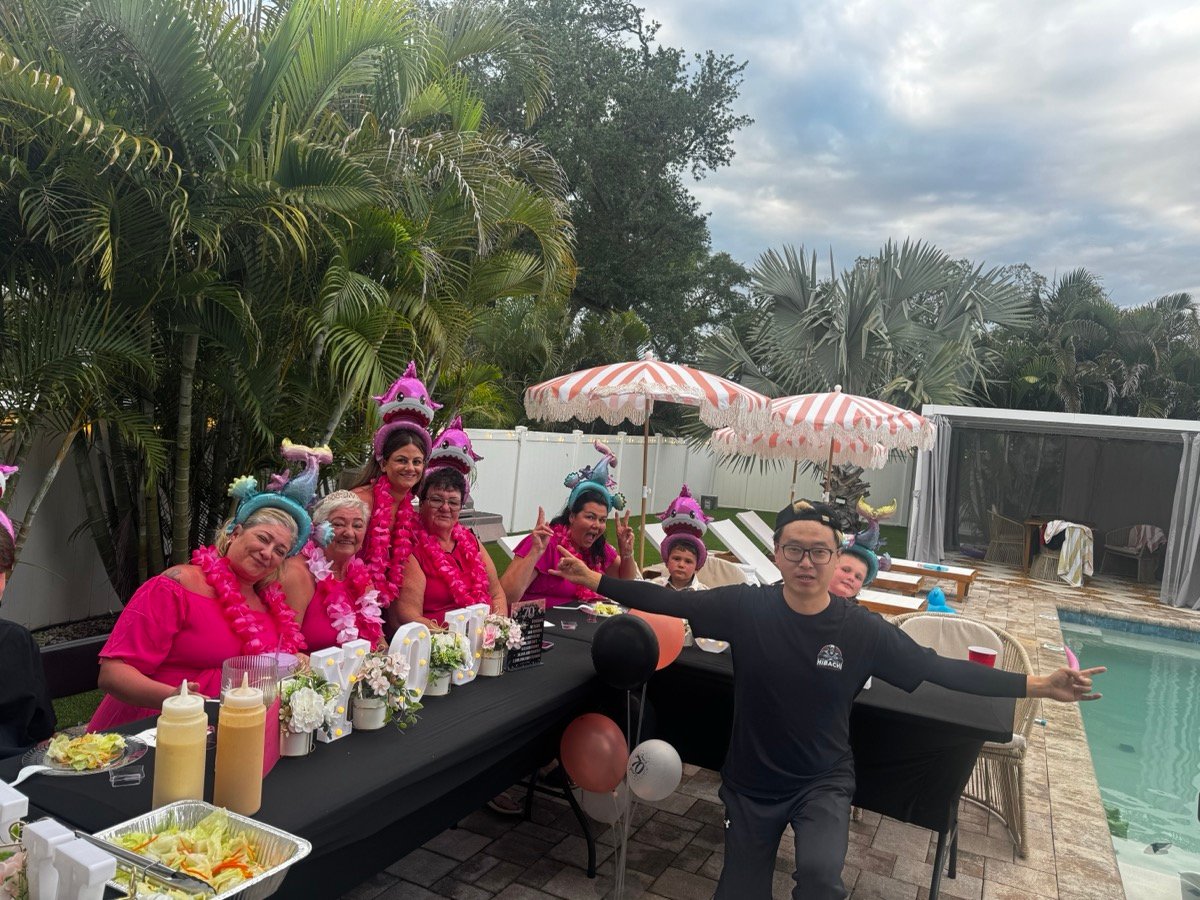
Start With the Hibachi Experience
Before choosing plates, centerpieces, or colors, think about what guests will see, hear, and do throughout the event.
A private hibachi dinner is interactive by nature. Guests gather around the grill, watch the chef cook in real time, enjoy the show, and share a meal together. That means the best setup leaves room for conversation, safe movement, and a clear view of the cooking area.
The goal is simple: make every guest feel included, comfortable, and ready to enjoy the performance.
For a successful at-home hibachi party, plan around these three zones:
| Event zone | Purpose | Helpful setup idea |
|---|---|---|
| Cooking zone | Gives the chef room to prepare and perform | Keep the grill area open and free of low-hanging décor, clutter, and guest traffic |
| Dining zone | Creates a comfortable place to eat and connect | Use stable seating, easy-to-clean surfaces, and enough elbow room |
| Celebration zone | Holds cake, gifts, photos, drinks, or dessert | Set this area slightly away from the grill to reduce crowding |
This approach works especially well for backyard hibachi parties, poolside celebrations, family reunions, and corporate events. It also helps hosts avoid a common mistake: placing all food, drinks, décor, and guest activity around one small area.
Choose a Table Layout That Supports Conversation
The most memorable hibachi parties feel social from the first arrival to the final photo. Your table configuration should make it easy for people to interact with each other while allowing the chef’s cooking performance to remain the focal point.
Use open seating for smaller gatherings
For intimate celebrations, keep the dining arrangement simple. A long rectangular table, two parallel tables, or a few connected tables can create a relaxed communal-dining feel.
This format is ideal for:
– Birthday dinners
– Family gatherings
– Engagement celebrations
– Graduation parties
– Holiday meals
– Luxury private dinners
Choose seating that keeps guests close enough to talk without making the area feel crowded. If children are attending, consider placing families together or creating a dedicated kid-friendly table nearby.
Create an event flow for larger parties
For larger private events, divide the space intentionally. Guests should know where to arrive, sit, get drinks, take photos, and enjoy dessert without needing to ask.
A practical event flow may look like this:
1. Welcome guests with a drink station away from the cooking area.
2. Direct guests toward their seating or the main hibachi setup.
3. Place condiments and napkins where they are easy to reach but not in the chef’s workspace.
4. Set up cake, desserts, or celebration décor in a separate photo-friendly area.
5. Keep walkways clear for guests, children, and service movement.
A clear layout feels luxurious. It reduces interruptions, avoids bottlenecks, and lets the celebration unfold naturally.
Select Japanese-Inspired Table Décor With Restraint
Japanese-inspired details can add warmth and visual character to a hibachi party. However, the strongest tablescapes are often the simplest. Avoid covering the table with oversized centerpieces, tall candles, or decorations that block sightlines across the table.
Instead, build your look around a focused palette and a few intentional textures.
Easy décor combinations
| Style | Color palette | Table details |
|---|---|---|
| Modern hibachi | Black, white, natural wood | Matte black plates, neutral napkins, bamboo placemats |
| Cherry blossom celebration | Blush, ivory, soft pink | Small floral arrangements, delicate place cards, pale linen |
| Luxe sake dinner | Black, gold, deep red | Dark linens, gold-rimmed glassware, elegant menu cards |
| Backyard summer hibachi | Green, cream, warm wood | Citrus accents, simple florals, woven textures |
| Corporate hibachi event | Brand colors, charcoal, white | Minimal centerpiece, branded menu cards, polished glassware |
Use décor that is low, stable, and easy to move if needed. Small bud vases, bamboo accents, folded napkins, ceramic bowls, and subtle lantern-style lighting can create atmosphere without taking attention away from the live cooking.
If you want a more refined look, choose one visual theme rather than mixing several. For example, black dinnerware, natural bamboo, and a single red accent will look more polished than combining cherry blossoms, koi prints, neon signs, paper umbrellas, and multiple unrelated colors.
Build a Table Setting Guests Can Actually Use
A beautiful setting only works when it is functional. Hibachi meals are lively, hands-on, and often include sauces, rice, vegetables, proteins, and drinks. Guests need room to eat comfortably.
Start with the essentials:
– Dinner plate or bowl with enough space for a full meal
– Napkin that can handle sauce splatters
– Chopsticks and optional fork for guest comfort
– Water glass or bottled water
– Small sauce dish if sauces are served at the table
– Clear space for beverages and personal items
Do not overcrowd the place setting. Guests should not have to move six decorative items before they can sit down and eat.
Add personalized place cards
Place cards are one of the simplest ways to make a private hibachi event feel custom-designed. They are useful for seated dinners, milestone birthdays, bridal events, and client-facing corporate gatherings.
Use them to:
– Help guests find their seat
– Keep families or friend groups together
– Identify special meals or dietary needs
– Add a keepsake detail to the table
– Make a small gathering feel more intentional
For a birthday party, try a short message under each guest’s name, such as “Team Birthday,” “First Hibachi Night,” or “Chef’s Table Guest.” For a corporate event, use name cards that include the guest’s department, role, or a conversation-friendly prompt.
Create a Smart Condiment and Drink Station
A self-serve station keeps the table cleaner and helps guests personalize their meal. It also reduces the need for people to reach across the table while the chef is cooking.
Keep the station close enough to access easily, but far enough away that it does not disrupt the cooking area.
What to include
– Sauces in labeled containers
– Sesame seeds, green onion, ginger, or spicy toppings
– Extra napkins
– Wet wipes or hand wipes
– Disposable cups for outdoor events, if preferred
– Water, soft drinks, and clearly labeled alcoholic beverages
– Ice bucket or cooler for warm-weather events
For outdoor hibachi catering in Florida, Georgia, South Carolina, and North Carolina, temperature and weather planning are part of the hosting experience. Place cold drinks in shaded areas or coolers, and avoid leaving perishable foods exposed for long periods. Hot foods should be held at 140°F or above, while cold foods should remain at 40°F or below. Perishable food should not remain at room temperature for more than two hours—or more than one hour when outdoor temperatures exceed 90°F.
Plan for allergies and dietary needs early
Ask guests about allergies, dietary restrictions, and preferences before the event date. Then share that information clearly with your private hibachi chef or catering team.
Useful questions include:
– Does anyone have a food allergy?
– Is the allergy severe?
– Does anyone need vegetarian, vegan, gluten-conscious, or other modified options?
– Are there children with different meal needs?
– Should specific ingredients be avoided?
Food allergies require more than a casual note. Clear advance communication, separate preparation practices where appropriate, and accurate ingredient awareness are essential parts of responsible event planning.

Use Lighting and Music to Shape the Mood
Lighting can change an ordinary backyard or patio into a celebration space. For a private hibachi chef experience, focus on warm, practical lighting that supports both safety and atmosphere.
Good options include:
– String lights above the dining area
– Battery-operated table lamps
– LED lanterns placed around walkways
– Soft patio lighting
– Candles in stable, enclosed holders away from the cooking zone
Avoid harsh spotlights aimed directly at guests or the chef. Guests should be able to see their food and take photos, but the space should still feel warm and relaxed.
Music should support conversation, not overpower it. Build a playlist that starts low during arrivals, becomes more upbeat during cooking, and softens again during dinner or dessert. If the event includes speeches, announcements, or a cake moment, plan a quick pause in the music.
Add One Interactive Detail Guests Will Remember
The chef’s performance is already a major part of the event. You do not need to over-plan entertainment. Instead, choose one interactive element that fits the occasion.
Ideas for different celebrations
– Birthday party: A custom birthday sign, cake station, and group photo moment
– Graduation party: School-color table details and advice cards for the graduate
– Family reunion: A memory board with old family photos
– Holiday gathering: A themed dessert table or festive drink station
– Corporate event: A team trivia card, branded menu, or recognition moment
– Luxury dinner: Printed tasting cards, premium glassware, and curated sake pairings
The best interactive details encourage guests to talk, take photos, or celebrate the guest of honor. They should feel personal—not like extra work.
Work With Your Hibachi Team Before the Event
A polished event starts with good information. Before booking or finalizing your mobile hibachi party, confirm the event details with your service provider.
Share:
– Event date and start time
– Full service address
– Estimated guest count
– Indoor or outdoor location
– Surface and space available for setup
– Access to the backyard, patio, driveway, or venue
– Dietary requirements and allergies
– Rain plan or weather backup
– Occasion and preferred atmosphere
– Cake, speeches, decorations, or special surprises
This allows the chef team to plan setup, timing, guest flow, and meal service more effectively. It also helps you understand what you need to provide, such as tables, chairs, lighting, or weather coverage.
A private hibachi event should feel effortless for guests. That result comes from thoughtful preparation behind the scenes.
Make Your Next Hibachi Party Feel Personal
The strongest hibachi party table ideas combine style with comfort. Keep the cooking area clear, create a practical table setting, give guests easy access to drinks and condiments, and add a few personal touches that match the occasion.
Whether you are planning an intimate birthday dinner in Florida, a backyard celebration in Georgia, a graduation party in South Carolina, or a corporate hibachi event in North Carolina, Hibachi Sake Sake can help bring the live teppanyaki experience to your location.
Ready to plan a private hibachi party? Contact Hibachi Sake Sake to discuss your date, guest count, location, and celebration vision. We will help you create a memorable at-home hibachi experience centered on great food, live entertainment, and effortless hospitality.
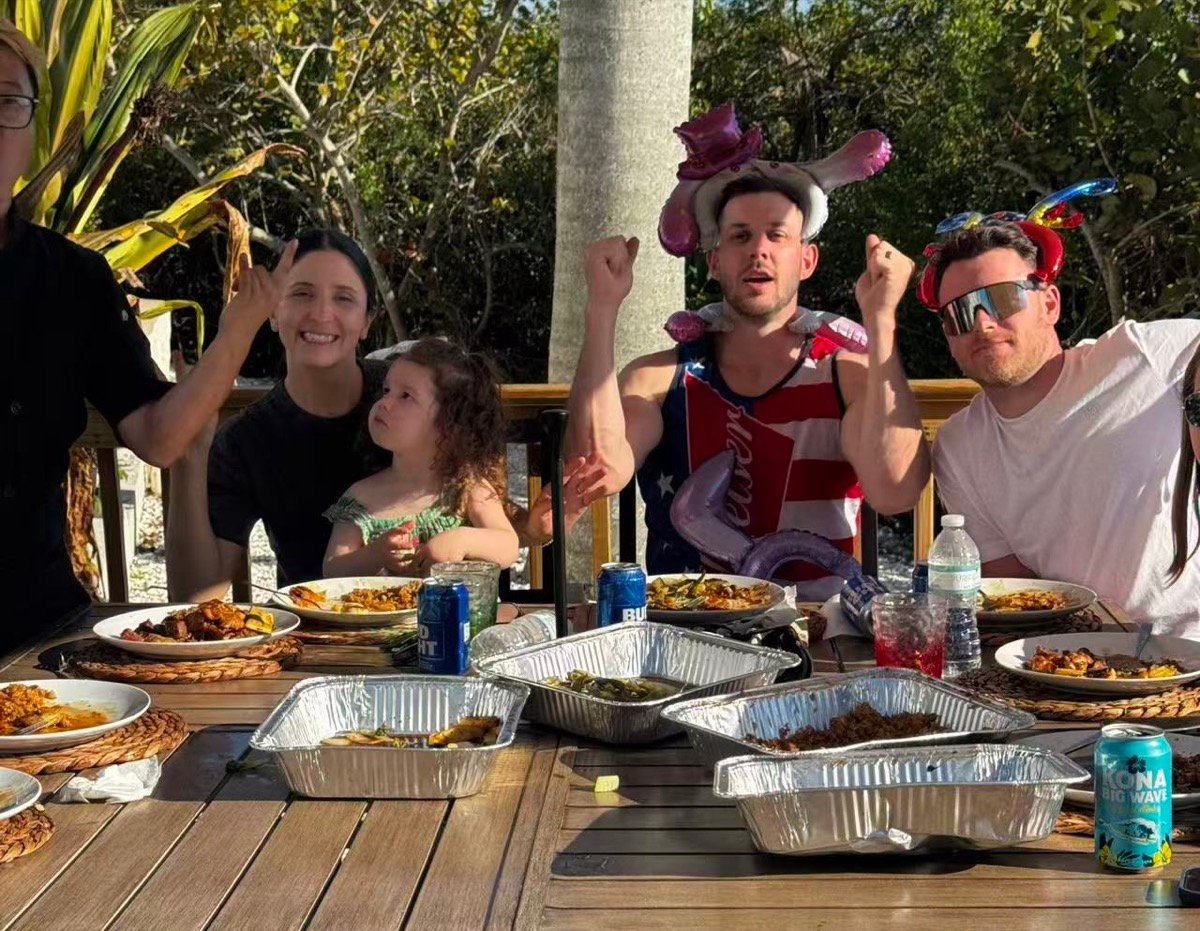
FAQs
What tables should I prepare for a private hibachi party?
Prepare enough dining tables and chairs for your guests, plus a separate table for drinks, sauces, cake, or dessert. Keep the main cooking area clear so the hibachi chef can set up and perform safely.
How far in advance should I plan a mobile hibachi party?
Start planning as early as possible, especially for weekends, holidays, graduation season, and major celebration dates. Early planning gives you more flexibility with scheduling, guest count, seating, décor, and weather backup arrangements.
Can I host a hibachi party in my backyard?
Yes. A backyard is often an excellent setting for a private hibachi experience when there is adequate open, level space for setup, guests, and safe movement. Confirm the space requirements and access details with your chef team before the event.
What should guests wear to a hibachi party?
Guests should wear comfortable clothing suitable for the venue and weather. For outdoor events, recommend layers, comfortable shoes, and styles that fit the level of formality you want for the celebration.
How do I accommodate food allergies at a hibachi event?
Collect dietary information before the event and communicate it directly to the chef team. Be specific about severe allergies and ask how ingredients, preparation, serving, and potential cross-contact will be handled.
What décor works best for an outdoor hibachi party?
Keep décor low, sturdy, and weather-friendly. Bamboo placemats, simple ceramic tableware, small floral arrangements, battery-operated lights, and personalized place cards work well without blocking views or crowding the table.
Do I need a separate food station for sauces and drinks?
A separate station is strongly recommended. It keeps the dining table clearer, gives guests room to customize flavors, and prevents congestion around the cooking area.
References
1. [USDA Food Safety and Inspection Service: Safe Handling of Take-Out Foods]
2. [Clemson Cooperative Extension: Food Safety for Community Suppers]
3. [American Academy of Allergy, Asthma & Immunology: Event Planning and Food Allergy Awareness]
4. [Food Allergy Canada: Tips for Food Catering]
5. [Vibrant Table Catering: Ways to Enhance Guest Experience at Events]
6. [Hibachi Sake Sake: 4 Add-ons That Make a Hibachi Party Memorable]
Hot Tags: Private Hibachi Catering, Mobile Hibachi Catering, Private Hibachi Chef, Hibachi Party Catering, Backyard Hibachi Party, At-Home Hibachi Experience, Outdoor Hibachi Catering, Corporate Hibachi Catering, Private Chef Catering, Teppanyaki Catering