

Content Menu
● What Makes Private Hibachi Unique
● Best Occasions for Hibachi At Home
● Understanding Group Size and Event Flow
● Preparing Your Space for a Hibachi Setup
● Designing a Crowd-Pleasing Hibachi Menu
● Managing Dietary Preferences and Restrictions
● Atmosphere: Décor, Music and Overall Vibe
● Beverage Planning and Pairing Ideas
● Budget, Value, and Gratuity Considerations
● Corporate Events and Team Experiences
● Safety and Peace of Mind for Hosts
● Cleanup and Post-Event Experience
● FAQs
Hosting a private hibachi party at home transforms a simple gathering into an immersive, chef-led dining experience that feels both intimate and unforgettable. From the first sizzle on the grill to the final flourish of the chef’s performance, guests are part of a live show and a shared meal rather than just another dinner.

What Makes Private Hibachi Unique
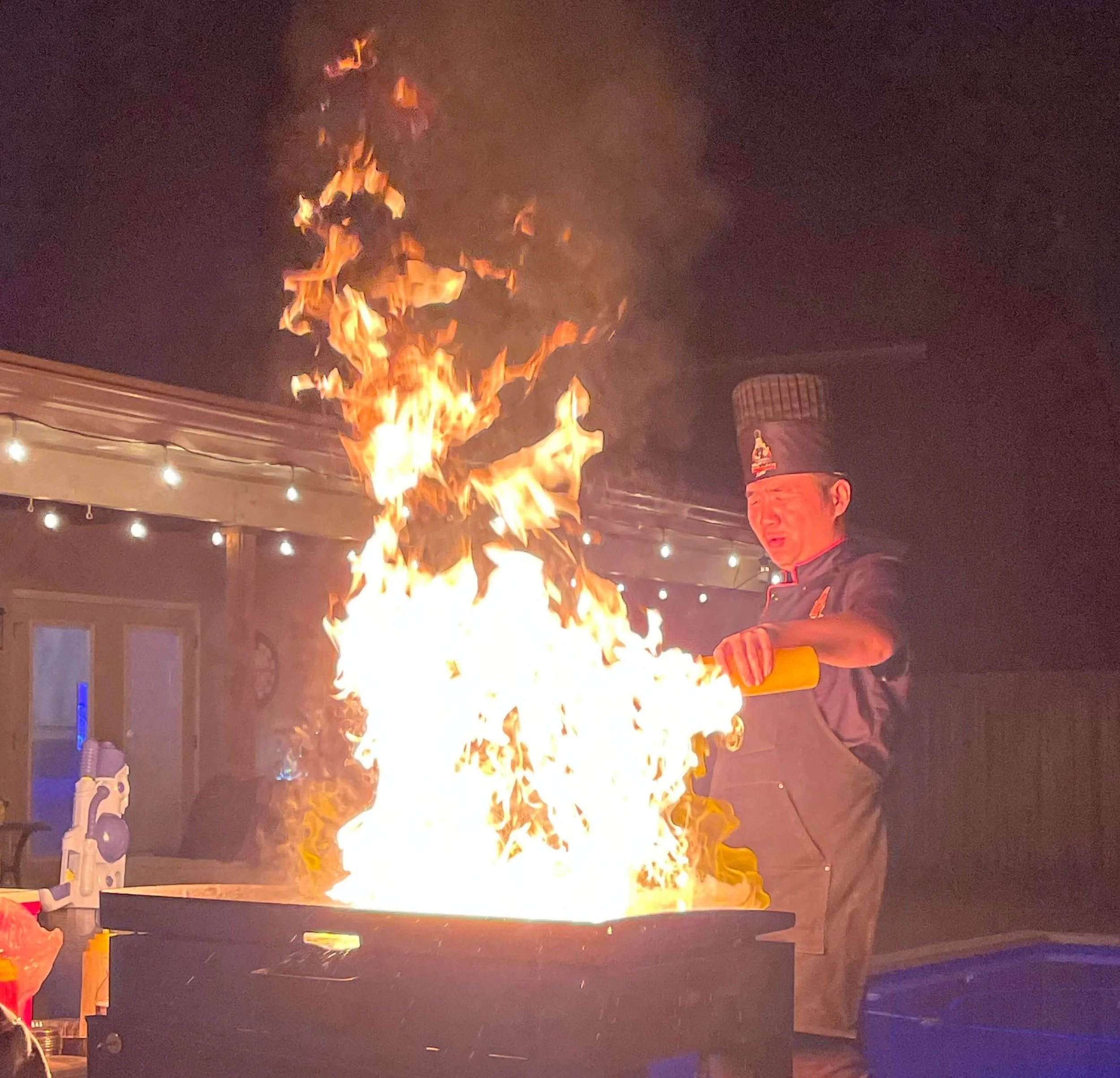
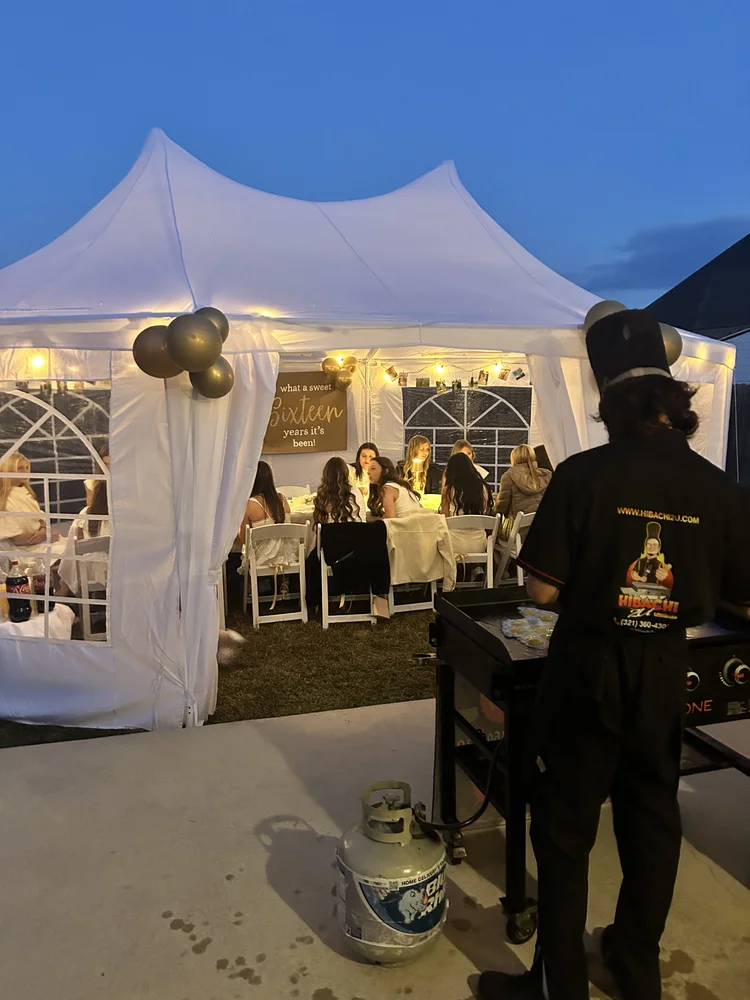
A private hibachi event brings the energy and flavor of a Japanese steakhouse directly to your own space, whether that’s a backyard, patio, driveway, or a spacious indoor room. Instead of splitting the group across multiple restaurant tables, everyone stays together around the grill, watching a professional chef cook each dish to order. The knife skills, playful tricks, and bursts of flame create a sense of theater that instantly lifts the mood of the occasion.
This style of experience works especially well for hosts who want restaurant-quality food without the stress of reservations, crowded dining rooms, or long drives. The event comes to you, the chef handles the cooking, and your guests enjoy dinner and entertainment in a comfortable, familiar setting.
Best Occasions for Hibachi At Home
Private hibachi isn’t just for one specific type of celebration. It adapts easily to many different events and guest groups.
Popular uses include:
– Birthday celebrations and milestone parties
– Graduation gatherings and family reunions
– Holiday dinners and festive backyard parties
– Corporate evenings and team-building events
– Intimate luxury dinners for small, high-end groups
What these occasions share is a desire for something more interactive and memorable than a typical buffet or plated meal. Hibachi naturally breaks the ice as everyone settles around the grill, reacts to the chef’s performance, and chats between courses. Mixed-age groups, colleagues from different departments, and extended families all tend to relax quickly in this kind of environment.
Understanding Group Size and Event Flow
Getting the group size right helps the entire event feel smooth and enjoyable. Smaller gatherings allow more direct interaction between guests and the chef, while medium-size groups create the lively atmosphere many hosts prefer.
A typical flow for a private hibachi party looks like this:
1. Guests arrive and settle in with drinks while the chef completes setup and final prep.
2. The live cooking show begins, with rice, vegetables, and proteins prepared directly in front of everyone.
3. Guests eat, chat, and enjoy the performance as courses come off the grill.
4. After the main meal, there’s time for desserts, extra photos, and relaxed conversation before the chef breaks down equipment and leaves.
This structure keeps the evening organized without feeling rigid. Hosts can easily weave in other elements such as speeches, birthday toasts, or small games between stages of the meal.
Preparing Your Space for a Hibachi Setup
One of the most common questions hosts have is whether their space is suitable. The good news is that private hibachi is designed to be flexible. You don’t need a built-in outdoor kitchen or a perfectly landscaped yard; you mainly need safety, ventilation, and a comfortable layout.
Key considerations:
– A flat, stable surface: Patios, decks, and driveways are ideal for the grill setup.
– Open space around the grill: There should be enough clearance for the chef to move freely, perform safely, and keep guests at a comfortable viewing distance.
– Ventilation: Outdoor areas are naturally perfect; spacious indoor rooms with good airflow can also work when conditions are appropriate.
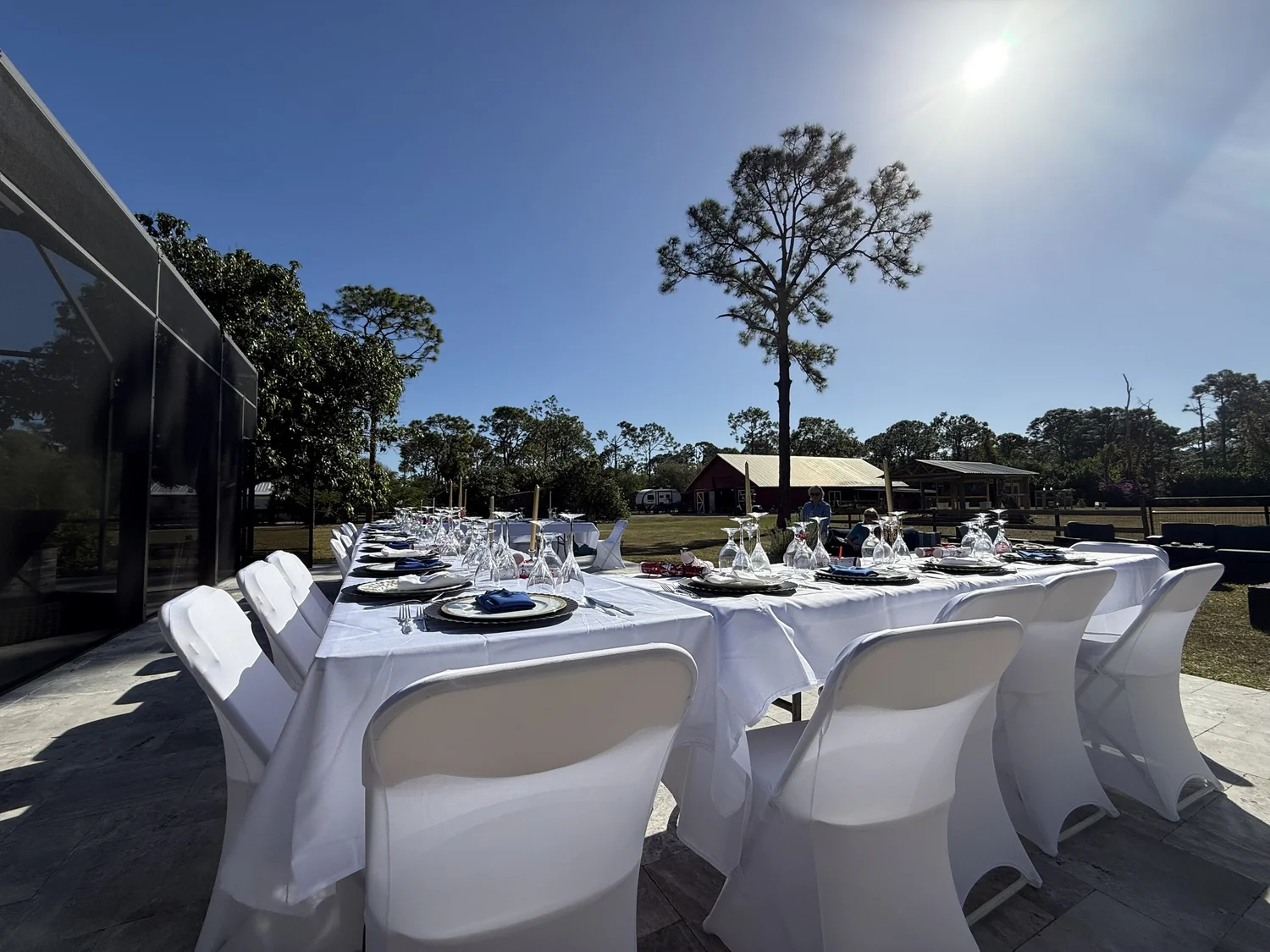
Before the event, it helps to clear the area of low-hanging decorations, fragile items, and anything that might obstruct the chef’s movements. Hosts often find that even modest outdoor spaces feel special once chairs, lighting, and décor are arranged around the central hibachi station.
Seating Layout and Comfort
Thoughtful seating makes a big difference in how guests experience the show. The goal is to allow everyone a clear view of the grill while maintaining a relaxed, social atmosphere.
Many hosts prefer:
– A semi-circle or U-shaped arrangement of chairs facing the grill
– Tables positioned just behind the chairs for plates, drinks, and personal items
– Extra seating for guests who may want to step back from the cooking area but still feel part of the event
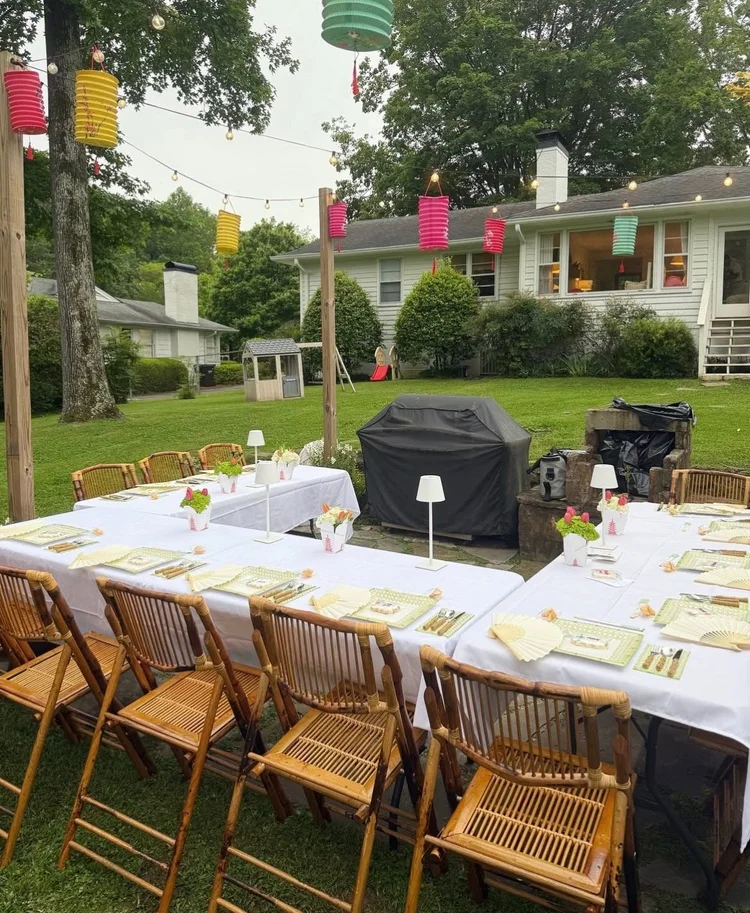
Good lighting also matters, particularly for evening parties. Simple string lights, lanterns, or tabletop lamps can give guests enough visibility for eating and moving around while also enhancing the overall mood.

Designing a Crowd-Pleasing Hibachi Menu
The menu is the heart of any hibachi event, and one of its biggest strengths is versatility. Traditional favorites, local preferences, and specific dietary needs can all coexist within the same gathering.
Common menu elements include:
– Proteins such as chicken, steak, shrimp, salmon, or scallops
– Rice prepared on the grill for rich flavor and texture
– Hibachi-style vegetables cooked with carefully balanced seasonings
– Optional extras such as salads or appetizers depending on the occasion
Because the food is cooked in front of guests, the chef can make small adjustments: extra sauce for one person, lighter seasoning for another, or modified portions for children or light eaters. This level of real-time control is rarely available in conventional restaurant settings.
Managing Dietary Preferences and Restrictions
Modern gatherings almost always include a mix of dietary preferences and medical restrictions. A considered approach shows respect for guests and keeps the event safe for everyone.
Helpful steps include:
– Asking guests about allergies and dietary needs when invitations go out
– Gathering details about issues such as shellfish allergies, gluten sensitivity, or vegetarian preferences
– Sharing this information well in advance so the hibachi team can plan suitable ingredients and cooking practices
Professional chefs in this space are accustomed to working around different requirements. For example, they may designate portions of the grill for plant-based dishes, use separate utensils for allergen-sensitive cooking, or bring alternate sauces and seasonings that avoid common triggers. When guests see their needs taken seriously, they’re more comfortable and better able to enjoy the event.
Atmosphere: Décor, Music and Overall Vibe
The hibachi grill and chef naturally create a focal point, but the surrounding atmosphere completes the picture. Even simple touches can elevate the evening from casual get-together to curated experience.
Hosts often choose:
– Seasonal or regional themes that match the location or occasion
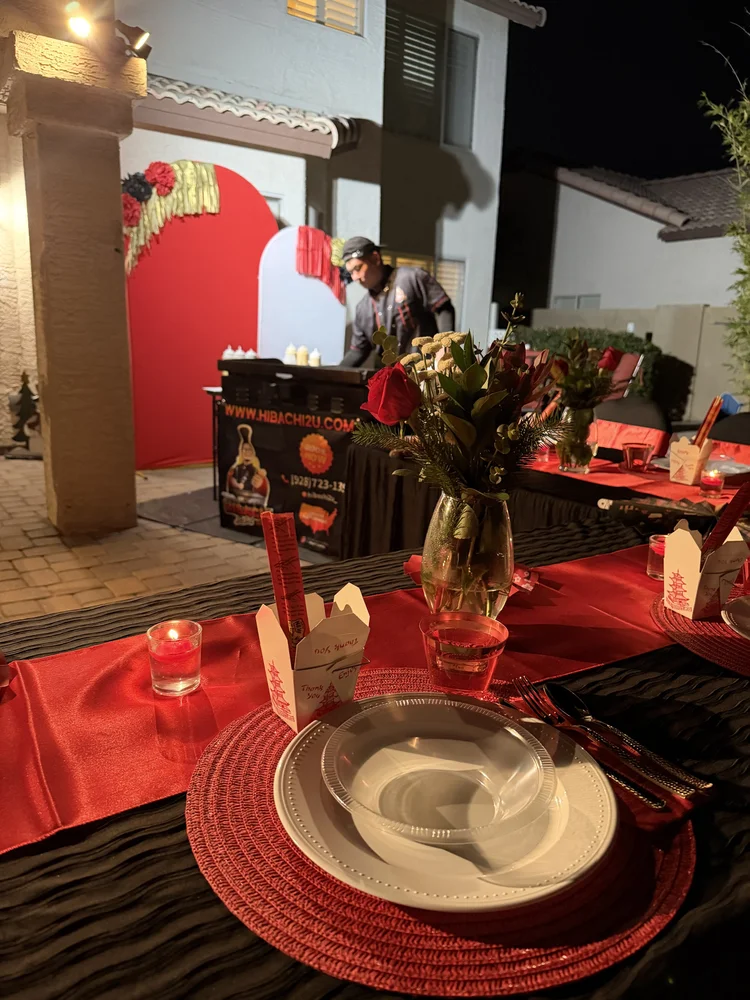
– Clean, uncluttered table settings with coordinated colors
– Light decorative elements inspired by Japanese aesthetics, such as paper lanterns or minimalist centerpieces
Music is another subtle but powerful tool. A playlist that combines relaxed tracks with a few livelier moments keeps energy up without competing with conversation or the sound of the grill. Because the cooking itself is visually and audibly engaging, background music works best when it supports the mood rather than dominates it.
Beverage Planning and Pairing Ideas
While the hibachi chef focuses on food and performance, beverages can be managed separately to keep service smooth. Hosts have flexibility in how simple or elaborate they want this part of the evening to be.
Some popular approaches include:
– A self-serve beverage station with labeled options for different tastes
– A small selection of signature cocktails or mocktails that fit the theme
– Non-alcoholic choices such as flavored waters, iced teas, or sparkling juices for guests who prefer not to drink
Matching drinks to the style of the meal can be as straightforward as pairing lighter beverages with seafood dishes or offering slightly richer flavors with steak-forward menus. The aim is to complement the food without overshadowing the main attraction: the live cooking experience.
Budget, Value, and Gratuity Considerations
Many hosts naturally wonder how a private hibachi experience compares to taking a group out to dinner. While exact pricing varies by region, number of guests, and menu choices, a few general principles help frame expectations.
First, events are often structured around a per-person rate. This makes it easier to scale the gathering up or down and to understand how changes in guest count affect the overall budget. Additional options, such as upgraded proteins or extra courses, can be selected based on the occasion and the level of experience the host wants to create.
Second, gratuity is an important part of recognizing the combination of culinary skill, showmanship, and travel involved. Many hosts treat the chef’s role as both catering and performance, and express appreciation accordingly. When guests leave happy and hosts feel they delivered something far beyond a standard meal, the perceived value tends to be strong.
Corporate Events and Team Experiences
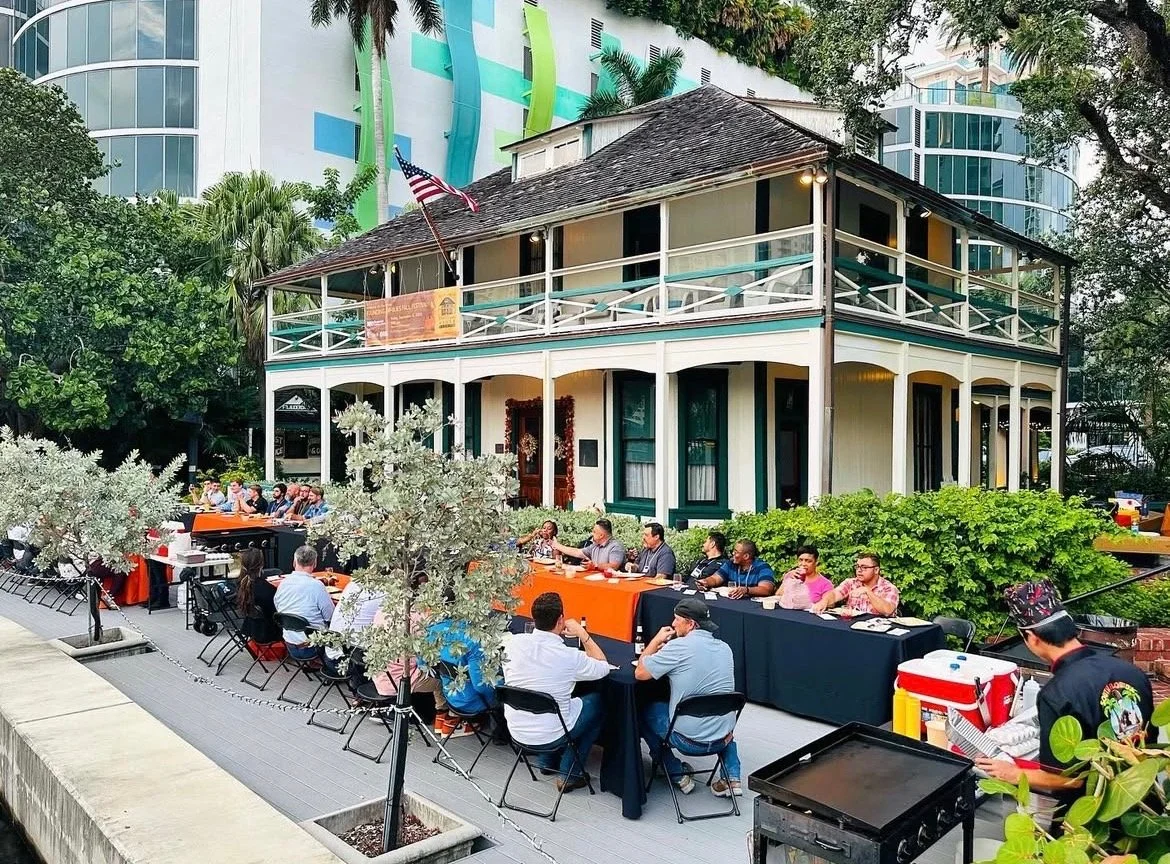
Private hibachi has become a compelling choice for corporate evenings, especially when organizations want to move beyond familiar formats such as banquet halls or formal sit-down dinners. The live cooking show provides built-in entertainment, while the relaxed setting encourages genuine conversation among colleagues.
In this context, hosts often choose:
– Outdoor terraces, office patios, or rented venues with ample space
– Clear schedules that include a welcome period, main dining window, and optional recognition moments
– Simple ways to capture the event through photos or short videos for internal newsletters or highlight reels
Employees get the chance to share a memorable experience together without feeling like they are attending a scripted training session. New hires and senior leaders can sit side by side, increasing the sense of connection across the organization.
Safety and Peace of Mind for Hosts
Any event featuring open flames and hot surfaces demands careful attention to safety, and well-trained hibachi chefs take this responsibility seriously. Hosts can support that commitment with a few straightforward choices.
Key points include:
– Keeping children and pets at a safe distance from the grill and cooking area
– Respecting the chef’s requests about where guests can stand or sit during the show
– Ensuring paths are clear for equipment arrival, setup, and breakdown
These small steps allow the performance to feel exciting without being risky. When everyone understands basic boundaries, hosts can relax and focus on enjoying the evening alongside their guests.
Cleanup and Post-Event Experience
A final advantage of private hibachi that many hosts appreciate is how little cleanup they face afterward. Unlike a do-it-yourself cookout, where the host spends hours managing the grill and then scrubbing dishes, a professional hibachi team typically handles their own equipment and work area.
Once the last plate is cleared and the show concludes, the chef breaks down the setup and packs it away. The host may simply gather remaining trash, store leftover décor, and adjust seating back to its usual arrangement. This allows the night to end on a high note rather than a long stretch of chores.

FAQs
1. Is my backyard or patio suitable for a hibachi event?
Most outdoor spaces work well as long as there is a flat surface, reasonable clearance around the grill, and a comfortable area for guests to sit or stand. Nearby clutter or overhanging décor should be minimized for safety.
2. How far in advance should I finalize guest count and menu?
It’s wise to confirm these details at least one to two weeks before the event. This gives the chef or catering team time to plan ingredients, schedule staff effectively, and prepare the right amount of equipment.
3. What happens if the weather changes on the event day?
Weather plans depend on location and setup options. Some hosts use covered patios, tents, or alternate indoor spaces, while others prefer to reschedule when conditions are genuinely unsuitable for outdoor cooking.
4. Are hibachi events suitable for children and older guests?
Yes, as long as seating is comfortable and safety guidance is followed. Children usually enjoy watching the show, and older guests appreciate not having to travel far or stand in lines at a busy restaurant.
5. Can private hibachi work for small, intimate dinners as well as larger parties?
Absolutely. Smaller groups get more direct interaction with the chef and a quieter atmosphere, while larger gatherings benefit from the shared energy of a full crowd around the grill.
References
1. Hibachi With Us – How to Plan the Perfect Hibachi at Home in Savannah https://www.hibachiwithus.com/blog/how-to-plan-the-perfect-hibachi-at-home-in-savannah
2. Hibachi Guru – Hosting a Private Hibachi Night for a Corporate Event: A Unique Team-Building Experience https://hibachiguru.com/2025/01/30/hosting-a-private-hibachi-night-for-a-corporate-event-a-unique-team-building-experience/
3. Fleur Health – The Ultimate Guide to Hibachi Catering: Delivering the Japanese Steakhouse Experience https://fleurhealth.com/blog/testimonial/the-ultimate-guide-to-hibachi-catering-delivering-the-japanese-steakhouse-experience-to
4. ATL Hibachi – Hosting a Private Hibachi Party? Your Etiquette and Planning FAQ https://www.atlhibachi.com/blog/hosting-a-private-hibachi-party-your-etiquette-and-planning-faq.html
5. Hibachi Street – Hibachi Catering Guide: Elevate Your Private Event https://www.hibachistreet.com/blog/Hibachi-Catering-Guide-Elevate-Your-Private-Event
6. Hibachi On Fire – Do’s and Don’ts of Planning a Hibachi Grill Catered Event https://hibachionfire.com/dos-and-donts-of-planning-a-hibachi-grill-catered-event-2/
7. Mobile Hibachi 4U – Hibachi at Home: Guide to Hosting a Sizzling Backyard Party https://www.mobilehibachi4u.com/blog-hibachi-at-home-guide/
8. Hibachi Guru – How to Host an Unforgettable Backyard Hibachi Party: A Step-by-Step Guide https://www.hibachiguru.com/blog/how-to-host-an-unforgettable-backyard-hibachi-party-a-step-by-step-guide
9. Sunshine Hibachi Catering – What Happens When a Private Hibachi Chef Arrives at Your Party Setup https://sunshinehibachi.com/destin-hibachi-at-home/
Hot Tags: Private Hibachi Catering, Hibachi At Home Service, Mobile Hibachi Chef, Backyard Hibachi Party, Corporate Hibachi Event, Private Teppanyaki Experience, On Site Hibachi Dining, Hibachi Party For Birthday, Hibachi Catering For Events, Luxury Private Hibachi