
Content Menu
● Luxury Hibachi Grill Catering vs. Standard Service: The Main Differences
● What Makes a Private Hibachi Chef Experience Feel Luxurious?
>> Personalization That Goes Beyond Choosing Proteins
>> Hospitality Beyond the Grill
>> Entertainment Matched to the Occasion
● Premium Ingredients vs. Standard Hibachi Menus
>> Judge Upgrades by Specific Details
>> Presentation Includes the Whole Dining Space
● The Hidden Difference: Event Planning and Service Flow
>> Build the Meal Around the Celebration
>> Define Responsibilities Before Paying
● Outdoor Hibachi Catering: Safety Is a Baseline, Not an Upgrade
>> Plan for Heat and Food Holding
>> Treat Thunderstorms as a Scheduling Issue
>> Discuss Allergies Before Finalizing the Menu
● A Practical VIP Value Scorecard
● Two Illustrative Events: Where Luxury Adds Value
>> A Backyard Birthday Celebration
>> An Executive Dinner at a Private Residence
● How to Compare the True Cost of Hibachi Catering
● Booking Hibachi Sake Sake for Your Private Event
>> Is luxury hibachi catering always better than standard service?
>> Does a private hibachi chef provide tables and chairs?
>> Can luxury hibachi catering accommodate food allergies?
>> Is luxury hibachi grill catering suitable for corporate events?
>> What happens if bad weather interrupts an outdoor event?
>> How far ahead should I book?
Luxury hibachi grill catering should offer more than an upgraded entrée. Compared with standard service, a genuinely VIP experience combines thoughtful menu customization, attentive hospitality, coordinated timing, and fewer responsibilities for the host. The difference is not simply what goes onto the grill. It is how comfortably the entire evening unfolds.
For hosts considering Hibachi Sake Sake in Florida, Georgia, South Carolina, and North Carolina, that distinction matters. A birthday celebration may need lively entertainment. An executive dinner may require quieter interaction and carefully timed service. A luxury backyard gathering may need both.
My starting point when comparing packages is straightforward: look beyond the premium label and ask what changes for your guests—and for you.
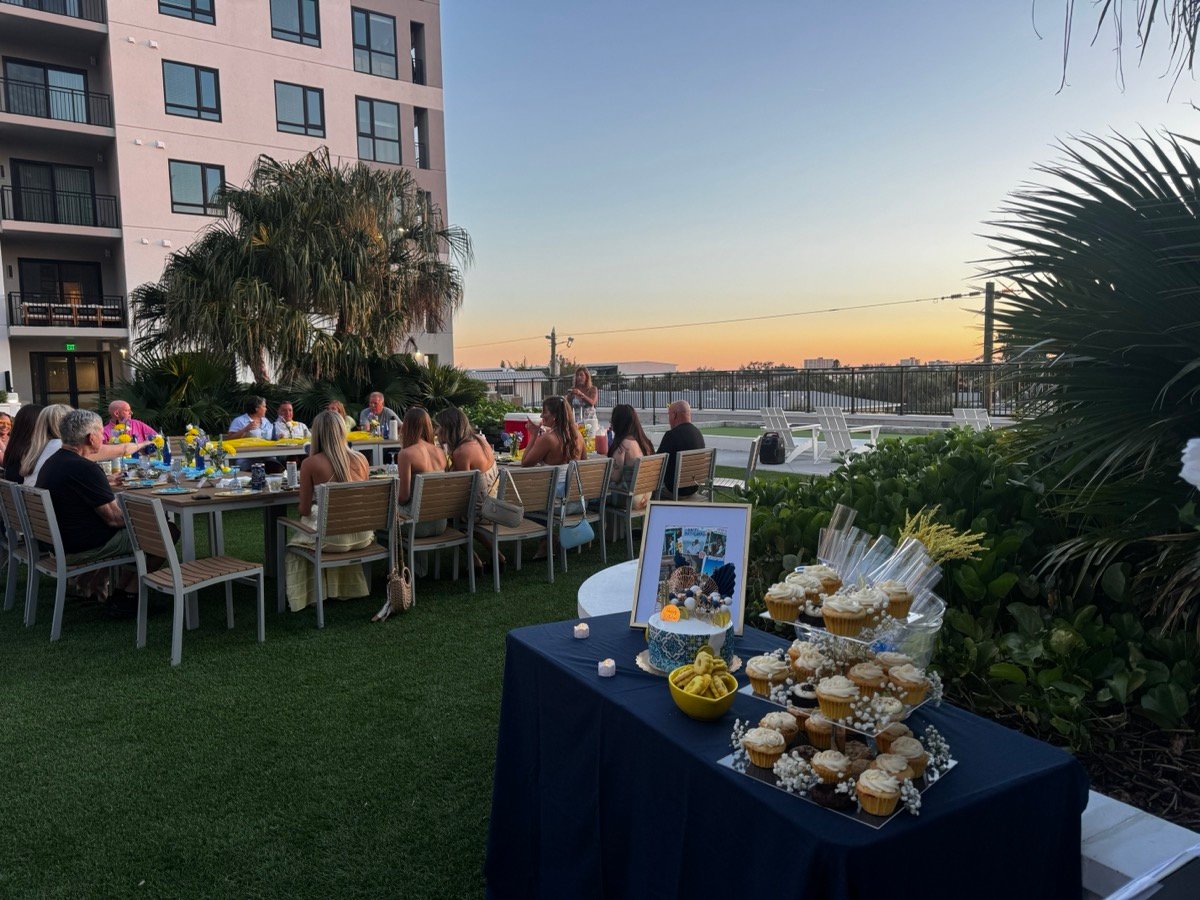
Luxury Hibachi Grill Catering vs. Standard Service: The Main Differences
For this comparison, standard service means a straightforward mobile hibachi experience centered on cooking and chef interaction. Luxury service means additional, explicitly agreed planning and hospitality. These are practical comparison categories, not fixed package definitions.
| Comparison point | Standard service may emphasize | Luxury service should clarify |
|---|---|---|
| Menu | Established selections | Specific upgrades and customization |
| Planning | Date, location, headcount | Event goals, schedule, guest requirements |
| Staffing | Chef-led cooking | Whether additional service staff are included |
| Presentation | Functional cooking setup | Coordinated dining details |
| Entertainment | Familiar, energetic interaction | A style matched to the occasion |
| Rentals | Host-arranged essentials | Exact rental and setup responsibilities |
| Timing | A defined cooking window | Coordination with speeches and other activities |
| Cleanup | Cooking-area breakdown | Clearly agreed cleanup boundaries |
Neither column automatically represents better cooking. A standard package can deliver an excellent celebration. Luxury becomes worthwhile when its additional services solve real hosting problems.
Always compare written inclusions rather than assuming “private,” “premium,” and “all-inclusive” mean the same thing.
What Makes a Private Hibachi Chef Experience Feel Luxurious?
Personalization That Goes Beyond Choosing Proteins
A personalized menu should reflect how people will actually dine.
Useful questions include:
- Does everyone receive the same combination, or can guests choose individually?
- Can the meal accommodate children and smaller appetites?
- Are vegetarian dishes prepared with suitable ingredients?
- Can sauces be served separately?
- Which substitutions require advance notice or additional payment?
For a milestone birthday, customization might mean a guest-of-honor selection. For a corporate event, it might mean gathering preferences beforehand so ordering does not interrupt conversation.
The valuable upgrade is not unlimited choice. It is a manageable menu that makes guests feel considered without slowing service.
Hospitality Beyond the Grill
A skilled chef can cook and engage guests, but that does not automatically include drink service, clearing plates, managing rentals, or coordinating speeches.
This is where luxury packages deserve close examination.
Ask whether there is an additional server or event contact. Establish who handles arrivals, late guests, and requests during dinner. If the host still manages every logistical detail, an expensive menu upgrade may not create a more relaxing experience.
From a hosting perspective, attentive service is valuable because it returns your attention to the people you invited.
Entertainment Matched to the Occasion
More performance is not always more luxurious.
A graduation party may benefit from energetic interaction. A family gathering may need a welcoming approach that includes different generations. An intimate private dinner may call for less interruption and more conversation.
Discuss participation preferences before booking. Guests should not have to perform, catch food, or join a game to enjoy the evening.
The best private hibachi chef experience feels responsive rather than scripted.
Premium Ingredients vs. Standard Hibachi Menus
Judge Upgrades by Specific Details
Words such as “premium steak” and “luxury seafood” are starting points, not complete descriptions.
Ask for:
- The exact protein or cut.
- The portion included.
- The additional charge.
- The preparation options.
- The substitution policy if an ingredient becomes unavailable.
Hibachi Sake Sake’s published menu provides a starting point for discussing meal selections. Confirm current offerings and event-specific availability directly before making plans.
An upgrade earns its place when guests value it. For a casual celebration, familiar selections and generous hospitality may matter more than the most expensive protein.
Presentation Includes the Whole Dining Space
The grill attracts attention, but guests experience the entire setting.
Consider seating comfort, lighting, table spacing, plate quality, and access to the dining area. A beautifully styled table loses its appeal if guests cannot move comfortably or see their meal after sunset.
Coordinate decorations without crowding the cooking zone. Ask the provider to approve the proposed layout rather than designing around an assumed equipment footprint.
Luxury outdoor catering works best when appearance supports comfort and service—not when styling makes the setup harder to operate.
The Hidden Difference: Event Planning and Service Flow
Build the Meal Around the Celebration
A live cooking experience needs a realistic place in the event schedule.
Dinner may need to fit between guest arrivals and a birthday cake presentation. At a corporate gathering, speeches may require uninterrupted attention. A graduation party may involve photographs and guests arriving at different times.
Ask the provider to explain the proposed sequence:
- Arrival and equipment setup.
- Guest seating.
- Cooking and meal service.
- Planned entertainment.
- Dessert or celebration activities.
- Equipment removal and cleanup.
Avoid assuming every guest will eat simultaneously. Confirm how the team handles your group size and whether multiple cooking stations or separate seating groups are appropriate.
Define Responsibilities Before Paying
A private chef booking is not necessarily a complete event-production service.
Confirm who supplies tables, chairs, linens, plates, utensils, and beverages. Ask who places rentals and who removes them afterward.
Also distinguish equipment cleanup from full-party cleanup. Removing the grill does not necessarily include collecting decorations, clearing every table, or washing host-owned dishes.
A useful luxury package makes these boundaries easier to understand. It should not leave them hidden behind a broad promise of convenience.
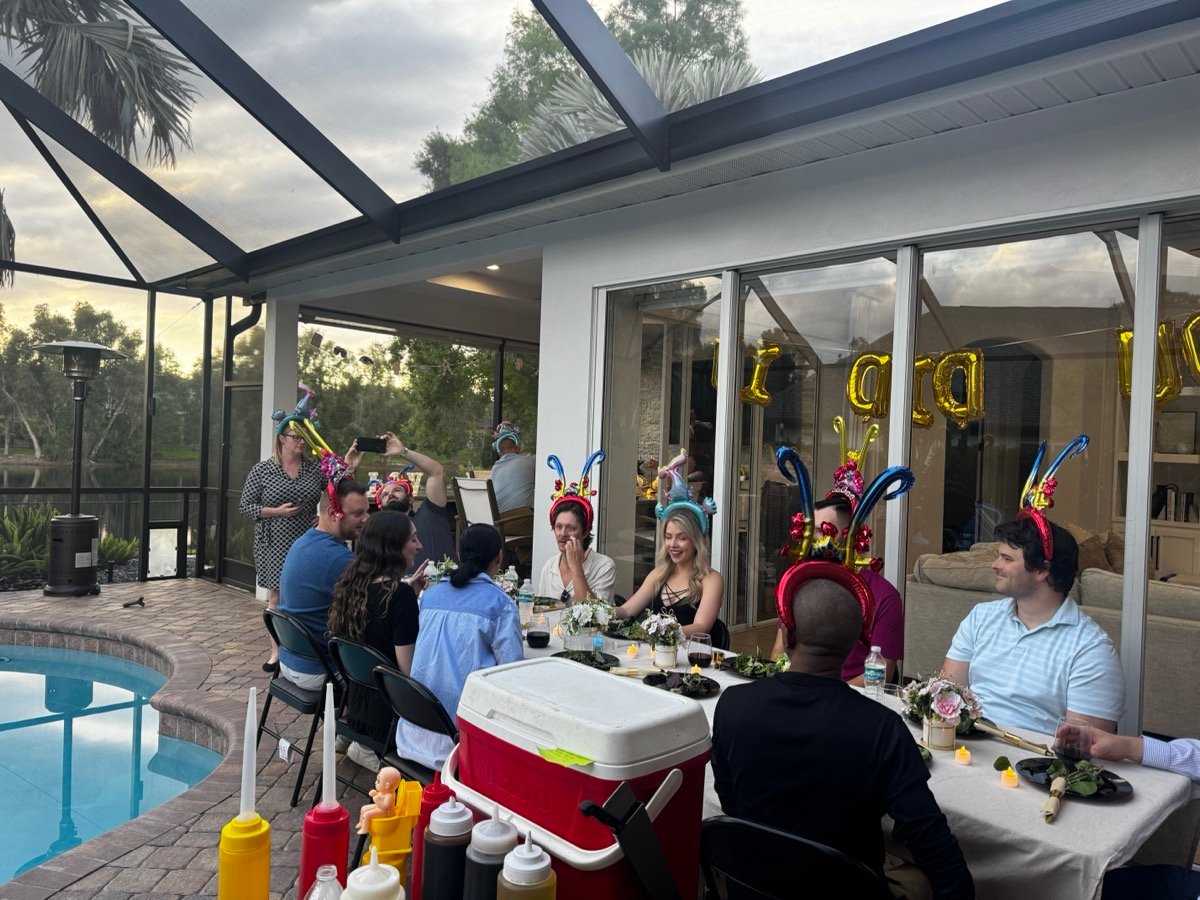
Outdoor Hibachi Catering: Safety Is a Baseline, Not an Upgrade
Plan for Heat and Food Holding
Outdoor celebrations require attention to food temperatures, particularly when dishes or leftovers remain outside.
For host-facing buffet guidance, the Food and Drug Administration recommends keeping hot food at 140°F or warmer and cold food at 40°F or colder. Perishable food left without temperature control should be discarded after two hours, or after one hour when the outdoor temperature exceeds 90°F.
These are consumer buffet guidelines, not a substitute for the caterer’s applicable commercial requirements.
Ask how ingredients remain temperature-controlled before cooking and how leftovers should be handled afterward. Food safety should be present in standard and luxury service alike.
Treat Thunderstorms as a Scheduling Issue
A rain plan is not necessarily a lightning plan.
The National Weather Service advises stopping outdoor activities when thunderstorms threaten and seeking appropriate shelter. Open-sided shelters do not provide the protection of a substantial enclosed building. Outdoor activities should not resume until at least 30 minutes after the last thunder.
Before booking, discuss postponement terms, safe shelter, and weather-related interruption procedures.
Do not assume a portable grill can simply move inside. Any alternative cooking location must be explicitly approved for the equipment and venue.
Discuss Allergies Before Finalizing the Menu
The FDA recognizes nine major food allergens, including wheat, soybeans, milk, eggs, fish, crustacean shellfish, peanuts, tree nuts, and sesame.
Depending on the recipe, hibachi meals may involve several of these ingredients. Shared utensils, surfaces, and cooking equipment also require attention.
Ask about ingredient information and cross-contact controls. Distinguish a preference from an allergy, and never interpret “we can leave that ingredient out” as an automatic guarantee of allergy-safe preparation.
For a severe allergy, confirm whether the provider can meet the guest’s specific requirements before booking.
A Practical VIP Value Scorecard
To compare proposals objectively, I recommend a simple planning scorecard. It is an editorial decision tool, not an industry certification.
Give each category zero, one, or two points:
| Category | Two-point evidence |
|---|---|
| Menu clarity | Specific selections, portions, and upgrade costs |
| Guest care | Documented dietary and participation preferences |
| Service support | Named responsibilities and appropriate staffing |
| Event coordination | Written timing and layout plan |
| Commercial transparency | Clear total cost, exclusions, and policies |
A score of eight to ten suggests a well-defined proposal. A lower score does not necessarily indicate poor service; it indicates questions to resolve.
Safety remains separate. Missing allergy, weather, or equipment information cannot be offset by attractive presentation or premium ingredients.
This approach makes luxury hibachi grill catering easier to evaluate without relying on promotional language.
Two Illustrative Events: Where Luxury Adds Value
The following examples are planning scenarios, not claims about completed Hibachi Sake Sake events.
A Backyard Birthday Celebration
Imagine a relaxed birthday with close friends, straightforward food preferences, and a host who enjoys decorating.
Standard mobile hibachi catering may be sufficient if the chef-led experience is the main attraction and setup responsibilities are clear.
An upgrade becomes useful if the host wants assistance with serving, clearing, or coordinating cake time. Premium seafood alone would not solve those needs.
An Executive Dinner at a Private Residence
Now consider a smaller corporate dinner where conversation, presentation, and timing are priorities.
Here, luxury may mean advance preference collection, restrained entertainment, coordinated service, and a clearly identified event contact.
The menu matters, but uninterrupted hospitality may matter more. The right package protects the purpose of the gathering rather than simply increasing the spectacle.
How to Compare the True Cost of Hibachi Catering
A per-person price rarely answers every budgeting question.
Request an itemized quote covering:
- Guest pricing and any minimum booking amount.
- Protein upgrades.
- Travel or location-related charges.
- Additional staff.
- Rentals and setup.
- Taxes, service charges, and gratuity arrangements.
- Overtime, cancellations, and weather-related changes.
Compare proposals using the same guest count, location, menu, and service scope.
Then ask a more revealing question: what work remains for the host?
A higher quote may offer better value if it removes responsibilities you would otherwise handle. Conversely, a premium package may be unnecessary when you already have venue staff, rentals, and event coordination.
Do not assume alcohol service is included. Confirm any beverage arrangements and applicable venue requirements separately.
Booking Hibachi Sake Sake for Your Private Event
Hibachi Sake Sake focuses on private and mobile Japanese-style hibachi experiences for customers in Florida, Georgia, South Carolina, and North Carolina. Potential occasions include birthdays, family gatherings, holidays, graduations, corporate events, and luxury private dinners.
To request a useful proposal, provide:
- Your event date, city, and venue.
- Expected adult and child attendance.
- The occasion and preferred atmosphere.
- Menu preferences and dietary requirements.
- Available outdoor space and access details.
- The support you want beyond cooking.
Ask the team to confirm availability, inclusions, and suitable upgrades for your location. Features discussed in this comparison should not be treated as guaranteed brand package inclusions.
Contact Hibachi Sake Sake with these details and request an itemized standard-versus-upgraded proposal. Choose the experience that gives your guests thoughtful hospitality while allowing you to enjoy your own celebration.

Frequently Asked Questions
Is luxury hibachi catering always better than standard service?
No. Standard service may suit a relaxed gathering perfectly. Luxury is more useful when customization, additional support, presentation, or event coordination addresses a specific need.
Does a private hibachi chef provide tables and chairs?
Not necessarily. Confirm rentals, delivery, setup, and collection in writing. A private chef booking and a fully equipped catering package can have different inclusions.
Can luxury hibachi catering accommodate food allergies?
Possibly, but accommodation depends on ingredients, equipment, and preparation procedures. Discuss allergies before booking and confirm cross-contact controls. Menu substitutions alone do not establish safety.
Is luxury hibachi grill catering suitable for corporate events?
Yes, when the proposed service matches the event’s purpose. Discuss conversation-friendly entertainment, guest preferences, service timing, and coordination with speeches or presentations.
What happens if bad weather interrupts an outdoor event?
The booking agreement should explain postponement, cancellation, and interruption procedures. Confirm safe shelter and approved alternatives beforehand; do not assume indoor cooking is available.
How far ahead should I book?
Ask about availability as soon as your date and location are known. Lead times vary, so avoid relying on a universal booking window, especially for holidays or fixed-date celebrations.
References
1. Hibachi Sake Sake — Hibachi Catering Menu. Brand source for published menu context. Event categories and the four-state service scope above were supplied in the company brief; current package details require direct confirmation.
2. U.S. Food and Drug Administration — Serving Up Safe Buffets. Source for consumer hot- and cold-holding guidance and the two-hour/one-hour limits.
3. National Weather Service — Lightning Safety and Outdoor Sports Activities. Source for outdoor-event planning, appropriate shelter, and the 30-minute return guidance.
4. U.S. Food and Drug Administration — Food Allergies. Source for the nine major allergens and the definition of allergen cross-contact.
Hot Tags: Hibachi Catering, Luxury Hibachi Catering, Mobile Hibachi Catering, Corporate Hibachi Catering, Corporate Event Catering, Private Hibachi Chef, Private Event Catering, Outdoor Event Catering, Teppanyaki Catering, On-Site Hibachi Catering