
Content Menu
● What Is the Difference Between Licensed Hibachi Catering and a “Gig” Chef?
>> Licensed Hibachi Catering Services
>> “Gig” Chefs
● Why Your Florida Home Deserves a Professional Standard
>> Fire, Heat, and Equipment Placement
>> Food Safety Does Not Begin at the Grill
● Licensed Hibachi Catering vs. Gig Chefs at a Glance
● The Insurance Question Most Hosts Forget to Ask
● A Better Booking Process for Private Hibachi Events
>> Step 1: Confirm Your Event Location
>> Step 2: Describe the Cooking Area
>> Step 3: Review Menu and Dietary Needs
>> Step 4: Request Written Details
>> Step 5: Set Up for Guest Comfort
● The Hidden Cost of Choosing Only by Price
● What a Premium Hibachi Experience Should Feel Like
● Questions to Ask Before Booking a Mobile Hibachi Chef
● Book Your Hibachi Event with Confidence
>> Is a private hibachi chef safe for a Florida backyard party?
>> Should I ask a hibachi catering company for proof of insurance?
>> What should a mobile hibachi catering quote include?
>> Can mobile hibachi catering accommodate food allergies?
>> Do I need to provide tables and chairs for a backyard hibachi event?
>> What happens if rain is forecast for my outdoor hibachi party?
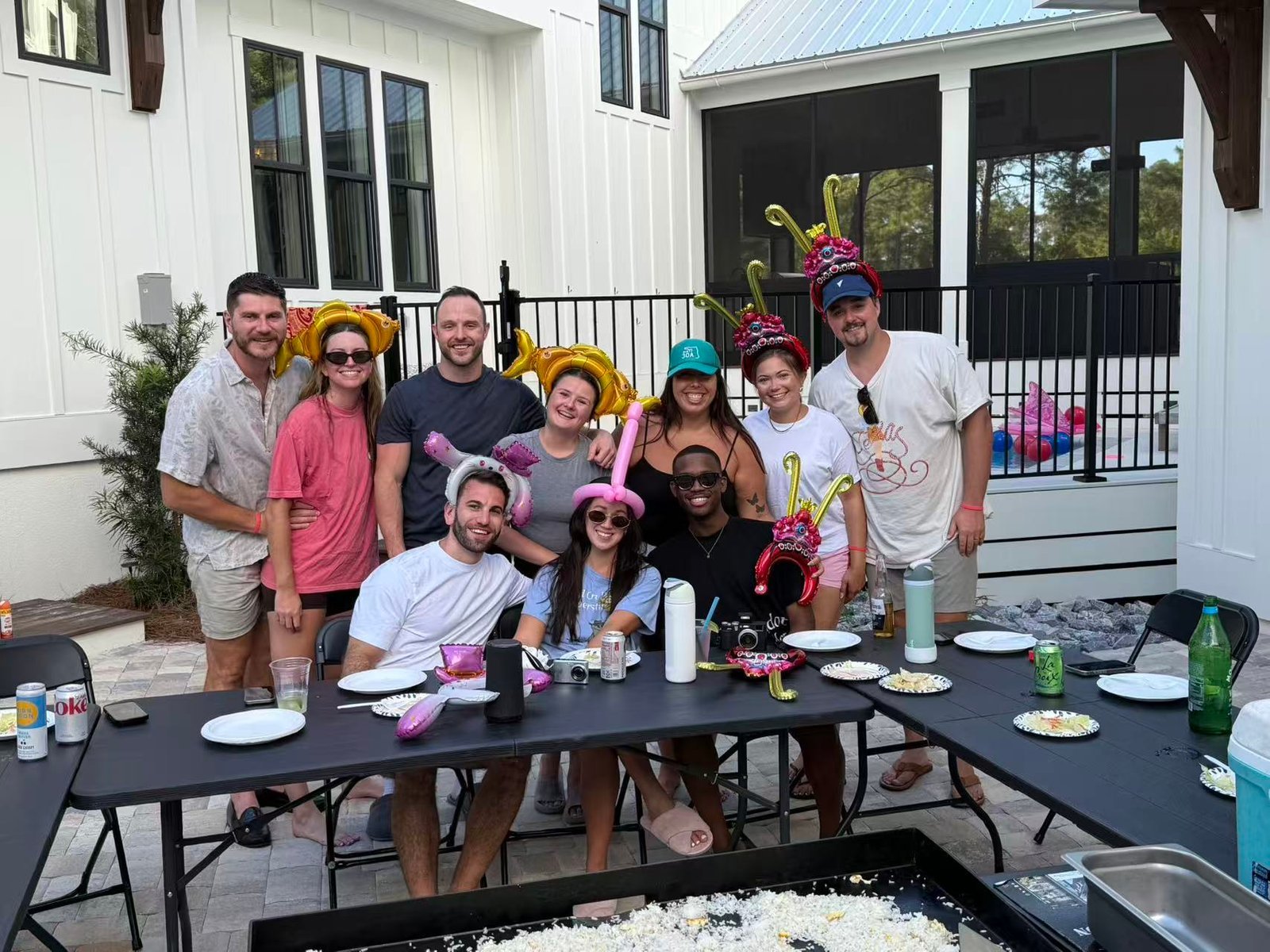
A private hibachi dinner can turn a Florida backyard, pool deck, or vacation rental into an unforgettable celebration. Yet before you book a chef for a birthday, family reunion, corporate event, graduation party, holiday gathering, or luxury private dinner, it is worth asking one practical question: Who is responsible if something goes wrong?
The choice between licensed hibachi catering services and independently booked “gig” chefs is not simply about food or entertainment. It affects your home, your guests, your schedule, and your peace of mind. At Hibachi Sake Sake, we believe an exceptional mobile hibachi experience should feel effortless for the host—from the first menu conversation through final cleanup.
What Is the Difference Between Licensed Hibachi Catering and a “Gig” Chef?
A licensed hibachi catering service is an organized food-service provider that operates with defined procedures, documented business practices, and a professional event workflow. A “gig” chef typically refers to an individual booked through social media, a marketplace, referrals, or direct messages, often without the same visible operating structure.
That distinction matters because a private chef entering your property is not just preparing dinner. They may transport food, operate high-heat equipment, handle raw proteins, work around guests, and use fuel or electrical equipment close to your home.
Licensed Hibachi Catering Services
A professional mobile hibachi catering company generally provides a coordinated experience that may include:
– A documented booking process and clear event terms
– A defined menu and allergy communication process
– Professional-grade cooking equipment and setup procedures
– Food handling and sanitation protocols
– Event staffing and backup planning
– Transparent pricing, deposits, and cancellation terms
– Appropriate licensing and insurance documentation upon request
– A consistent service standard across multiple events
For the customer, the real value is accountability. You know who is arriving, what is being provided, what the service includes, and how questions are handled before your event day.
“Gig” Chefs
A gig chef may be talented, charismatic, and capable of preparing excellent food. Some independent chefs are highly experienced professionals. However, a lower initial quote or attractive social-media video does not automatically tell you how the service manages safety, food sourcing, scheduling, insurance, equipment maintenance, or guest concerns.
The concern is not whether an individual chef can cook. The concern is whether the provider can deliver a reliable, safe, and clearly managed event at your home.
A host should never assume that a chef’s online popularity equals documented operational readiness.
Why Your Florida Home Deserves a Professional Standard
Florida is built for outdoor celebrations. Patios, waterfront homes, backyards, pool areas, rental villas, and community spaces make private hibachi events especially appealing. They also create unique planning considerations.
Heat, rain, wind, uneven ground, pool traffic, children, pets, close neighbors, limited parking, and outdoor fuel equipment can all affect the event setup. A professional hibachi catering team plans around these conditions before the chef starts cooking.
Fire, Heat, and Equipment Placement
A live teppanyaki-style cooking station produces intense heat. The grill must be placed on a stable surface with adequate clearance from structures, landscaping, furniture, guests, and other combustible materials.
A professional setup should consider:
– The distance between the grill and your home
– Clear walking paths for guests and staff
– A designated safety zone for children and pets
– Stable, level placement for the cooking station
– Wind direction and smoke movement
– Fuel handling and equipment checks
– Access to appropriate fire-safety equipment
Preparation is what separates a smooth backyard hibachi party from a stressful one. A qualified team asks about your available space, surface type, guest count, access route, and event timing before arrival.
Food Safety Does Not Begin at the Grill
Many hosts focus on the performance: the onion volcano, flying rice, sizzling steak, and chef interaction. But food quality and safety begin much earlier.
For private hibachi catering, the important questions include how food is stored before service, how raw and cooked ingredients are separated, how cold items are kept at proper temperatures, and how the cooking station is cleaned and organized.
A professional team should have a repeatable routine for:
1. Transporting perishable ingredients.
2. Storing proteins and produce separately when needed.
3. Maintaining a clean preparation and cooking area.
4. Preventing cross-contact between ingredients.
5. Confirming guest dietary needs before the event.
6. Managing utensils, surfaces, and cleanup after service.
For hosts, this is especially important when serving children, older relatives, pregnant guests, or anyone with food allergies or dietary restrictions.
Licensed Hibachi Catering vs. Gig Chefs at a Glance
| Decision Factor | Licensed Hibachi Catering Service | Independently Booked “Gig” Chef |
|---|---|---|
| Business accountability | Defined company contact, event process, and service terms | May depend entirely on one individual |
| Documentation | Can provide relevant business, licensing, and insurance information when applicable | Documentation may be limited or unavailable |
| Food safety process | Typically follows a repeatable transport, setup, cooking, and cleanup workflow | Practices can vary significantly by chef |
| Equipment readiness | Commercial event equipment and planned setup procedures | Equipment quality and maintenance may be unclear |
| Backup planning | More likely to have staffing, scheduling, or communication contingencies | Cancellation or delay can leave few alternatives |
| Guest experience | Standardized planning from inquiry through service | Experience may be less predictable |
| Pricing clarity | Written quotes, inclusions, and policies are usually available | Low initial pricing may exclude setup, travel, gratuity, or add-ons |
| Homeowner confidence | Designed to reduce uncertainty before guests arrive | Requires more direct vetting by the host |
The table is not meant to suggest that every independent chef is unqualified. It highlights why the customer should verify the same essentials regardless of where they book.
The Insurance Question Most Hosts Forget to Ask
When hosting a private chef experience, many people ask about the menu first. That makes sense—but insurance should be part of the same conversation.
If a cooking station damages a patio surface, a guest is injured near the grill, equipment causes an accident, or a food-related complaint arises, the issue can become more complicated than a disappointing dinner. A legitimate provider should be prepared to discuss its coverage and event requirements clearly.
Ask direct questions:
– Do you carry general liability insurance?
– Can you provide a certificate of insurance if my venue requires one?
– Are your chefs and service staff covered while working at private homes?
– What safety steps do you use around children, pets, pools, and outdoor furniture?
– Do you have an event agreement that identifies responsibilities on both sides?
Clarity protects everyone. It helps the host understand what to prepare and helps the catering provider deliver the experience in the right environment.
For a corporate gathering, luxury rental, HOA clubhouse, wedding-related event, or venue-managed property, proof of insurance may be required before service. Waiting until the day before the event can put your reservation at risk.
A Better Booking Process for Private Hibachi Events
A polished hibachi dinner should not require the host to manage every operational detail. The best providers guide you through the decisions that affect safety, comfort, and guest enjoyment.
Step 1: Confirm Your Event Location
Share the full service address, event type, expected guest count, and preferred serving time. If you are hosting at a vacation rental, condominium, clubhouse, or waterfront property, confirm any rules related to outdoor cooking, parking, sound, vendor access, and propane equipment.
Step 2: Describe the Cooking Area
Send photos or a short video of the intended setup area. Include patios, gates, stairs, pool decks, landscaping, overhead coverage, and access from the street.
This simple step helps avoid day-of surprises. It also allows the catering team to recommend the safest and most efficient placement.
Step 3: Review Menu and Dietary Needs
Do not wait until the chef arrives to mention a shellfish allergy, gluten sensitivity, vegetarian meal, child portion, or guest who does not eat steak. Share these details during booking so the team can explain available options and practical limitations.
Step 4: Request Written Details
Your confirmation should make it easy to understand:
– What food and equipment are included
– The minimum guest count or minimum spend
– Travel areas and possible travel charges
– Setup and service timing
– Deposit and cancellation terms
– Gratuity expectations
– What the host needs to provide, such as tables, chairs, utensils, or access to the event area
Step 5: Set Up for Guest Comfort
Create a clear seating plan with enough space for guests to enjoy the show without crowding the grill. Keep children and pets away from the cooking area, move fragile outdoor décor, and make sure the chef has an unobstructed route to the setup location.
The Hidden Cost of Choosing Only by Price
It is natural to compare prices. But the lowest quote can become expensive if it excludes the things that make an event run properly.
A lower advertised rate may not include travel, ingredients, disposable dinnerware, extra proteins, children’s meals, setup time, gratuity, cleaning, or a minimum booking amount. In some cases, a chef may be less expensive because the provider is not carrying the same business overhead, equipment standards, staffing support, or coverage as a professional catering company.
The better comparison is total event value, not just the first number in a message.
Ask each provider for an all-in estimate based on your actual group size, location, menu choices, and event needs. A transparent quote is easier to compare and far less likely to produce unwanted surprises.
What a Premium Hibachi Experience Should Feel Like
The best private hibachi catering is more than a meal. It is a hosted experience where guests can relax, laugh, take photos, and enjoy restaurant-style cooking without leaving home.
For a birthday party, the chef can create a lively centerpiece that keeps the group engaged. For a family reunion, live cooking gives guests a shared activity without putting one family member in the kitchen. For corporate events, it creates an easy social environment where colleagues can interact naturally. For a luxury private dinner, the experience can be tailored with elevated proteins, thoughtful pacing, and refined presentation.
At Hibachi Sake Sake, our goal is to make mobile hibachi service feel personal while keeping the planning professional. We serve celebrations across Florida, Georgia, South Carolina, and North Carolina with a focus on memorable food, interactive chef entertainment, and a smooth host experience.
Questions to Ask Before Booking a Mobile Hibachi Chef
Use this checklist before sending a deposit:
– Can you explain your licensing and food-service compliance for my event location?
– Do you carry liability insurance, and can you provide documentation if requested?
– What type of grill and fuel system will you bring?
– How much clear, level outdoor space do you need?
– What is included in my quote?
– How do you handle food allergies and special dietary requests?
– What happens if weather affects an outdoor event?
– How far in advance should I reserve my date?
– Do you have a written cancellation or rescheduling policy?
– Who should I contact if I have questions on the event day?
A trustworthy provider welcomes these questions. Professionalism is not about making a promise in a direct message; it is about being able to explain the process behind that promise.
Book Your Hibachi Event with Confidence
Your home should be the setting for celebration—not uncertainty. Choose a provider that respects your property, plans for your guests, communicates clearly, and treats safety and hospitality as equally important.
Ready to host a birthday party, backyard hibachi night, family gathering, holiday celebration, graduation event, corporate dinner, or private chef experience? Contact Hibachi Sake Sake to discuss your date, location, guest count, and customized mobile hibachi menu.
Frequently Asked Questions
Is a private hibachi chef safe for a Florida backyard party?
It can be safe when the provider uses appropriate equipment, plans the grill placement carefully, maintains clear guest boundaries, and follows practical food-handling procedures. The host should provide a stable outdoor area with adequate clearance and keep children and pets away from the active cooking zone.
Should I ask a hibachi catering company for proof of insurance?
Yes. This is particularly important for corporate events, vacation rentals, community venues, luxury homes, and properties with management requirements. Ask before booking so you have time to review any venue-specific requirements.
What should a mobile hibachi catering quote include?
A clear quote should identify the menu, guest count, minimum spend, travel fees, equipment, setup, service duration, disposable items if included, taxes where applicable, gratuity expectations, and cancellation terms.
Can mobile hibachi catering accommodate food allergies?
Many providers can offer accommodations, but you should share all allergy and dietary information during the booking stage. Ask specifically how the team manages ingredient separation and whether cross-contact can be avoided in a live cooking environment.
Do I need to provide tables and chairs for a backyard hibachi event?
Requirements vary by provider. Some companies bring the grill and cooking equipment but ask hosts to provide guest seating, tables, dining utensils, and access to the event area. Confirm the exact setup list in writing before your event.
What happens if rain is forecast for my outdoor hibachi party?
Ask about the provider’s weather policy before you reserve. Depending on the space and equipment, the event may be moved to a covered outdoor area, rescheduled, or adjusted for safety. Indoor cooking should never be assumed without advance approval and appropriate ventilation.
References
– [Florida Department of Business and Professional Regulation: Guide to Catering] — licensing pathways and operating guidance for catering and mobile food providers in Florida. [www2.myfloridalicense]
– [Florida Department of Business and Professional Regulation: Guide to Mobile Food Establishments] — mobile food-service requirements, including food protection, refrigeration, power, plumbing, handwashing, and dishwashing capabilities. [www2.myfloridalicense]
– [Florida Department of Health: Food Safety and Sanitation] — overview of food-safety regulation and risk-based inspection practices. [floridahealth]
– [Florida Statutes, Chapter 509] — statutory framework for Florida lodging and food-service establishments. [leg.state.fl]
– [Florida Statutes §509.013] — definition of a public food-service establishment. [leg.state.fl]
– [Awesome Hibachi: Essential Safety Tips Around a Hibachi Grill] — practical outdoor grill-safety considerations, including clearances, stable placement, supervision, and child safety zones. [awesomehibachi]
Hot Tags: Hibachi Catering, Mobile Hibachi Catering, Private Hibachi Chef, Hibachi At Home, Hibachi Party Catering, Backyard Hibachi Party, Florida Hibachi Catering, Outdoor Hibachi Catering, Corporate Hibachi Catering, Private Chef Catering