

+929-994-0853
hibachisakesake@gmail.com
Call: 929-994-0853

Jacksonville Family Reunions: Large Scale BBQ Catering vs. Interactive Hibachi

Facebook
LinkedIn
X
Skype
WhatsApp

Content Menu

Why the Food Format Matters for Family Reunions

What Large‑Scale BBQ Catering Really Looks Like

What an Interactive Hibachi Experience Provides

Experience: Social Energy vs. Shared Performance

Menu Variety and Dietary Flexibility

Guest Engagement and Memory Value

Logistics, Space, and Setup Considerations

Cost Structure and Planning for Headcount

How Guest Age and Group Dynamics Shape the Best Choice

Hybrid Approaches: You Don’t Always Have to Choose

Bringing the Restaurant Experience Home

Personalizing the Meal Around Milestones

How to Decide What Fits Your Reunion Best

FAQs

References

Interactive hibachi catering creates a more memorable, high‑engagement family reunion experience in Jacksonville than a standard large‑scale BBQ, especially when the goal is to turn dinner into a shared performance instead of just a buffet line. At the same time, classic barbecue still has its place when you need to feed a very large group on a flexible schedule with familiar comfort food at a more accessible per‑person cost.

Private Hibachi Catering

Why the Food Format Matters for Family Reunions

Family reunions in and around Jacksonville are rarely just about the menu. They are about reconnecting relatives who may not have seen one another in years, introducing kids and grandkids, and giving everyone a shared memory that holds the whole weekend together. The meal you choose often becomes the centerpiece of that memory, especially when most of the gathering takes place at a single home, backyard, rental property, or community venue.

For many hosts, the real question is not simply “What should we serve?” but “What kind of atmosphere do we want to create?” Large‑scale BBQ and interactive hibachi both work for family reunions, but they deliver very different experiences in terms of energy, pacing, and how much time the host spends coordinating details behind the scenes.

What Large‑Scale BBQ Catering Really Looks Like

Traditional large‑scale barbecue catering is built to serve big, casual groups. The core idea is volume and familiarity. Trays of smoked or grilled meats, hearty sides, and simple desserts are delivered and set up in buffet lines. Guests grab plates, move through the line, and return to their seats, often at different times depending on when they arrive or how hungry they are.

For a Jacksonville family reunion, this format offers several practical advantages. It can handle a wide range of headcounts, from a few dozen people to more than a hundred. It also adapts easily to parks, church halls, and community centers, where buffets are already the norm and guests may be drifting in throughout the day. Food can be replenished in pans without interrupting games, conversations, or speeches.

The trade‑off is that barbecue, even when delicious, tends to fade into the background. Guests appreciate the meal, but they rarely talk about the serving line itself when they look back weeks or months later. The food is comforting and recognizable, yet the experience is mostly passive: people eat, talk, and move on.

What an Interactive Hibachi Experience Provides

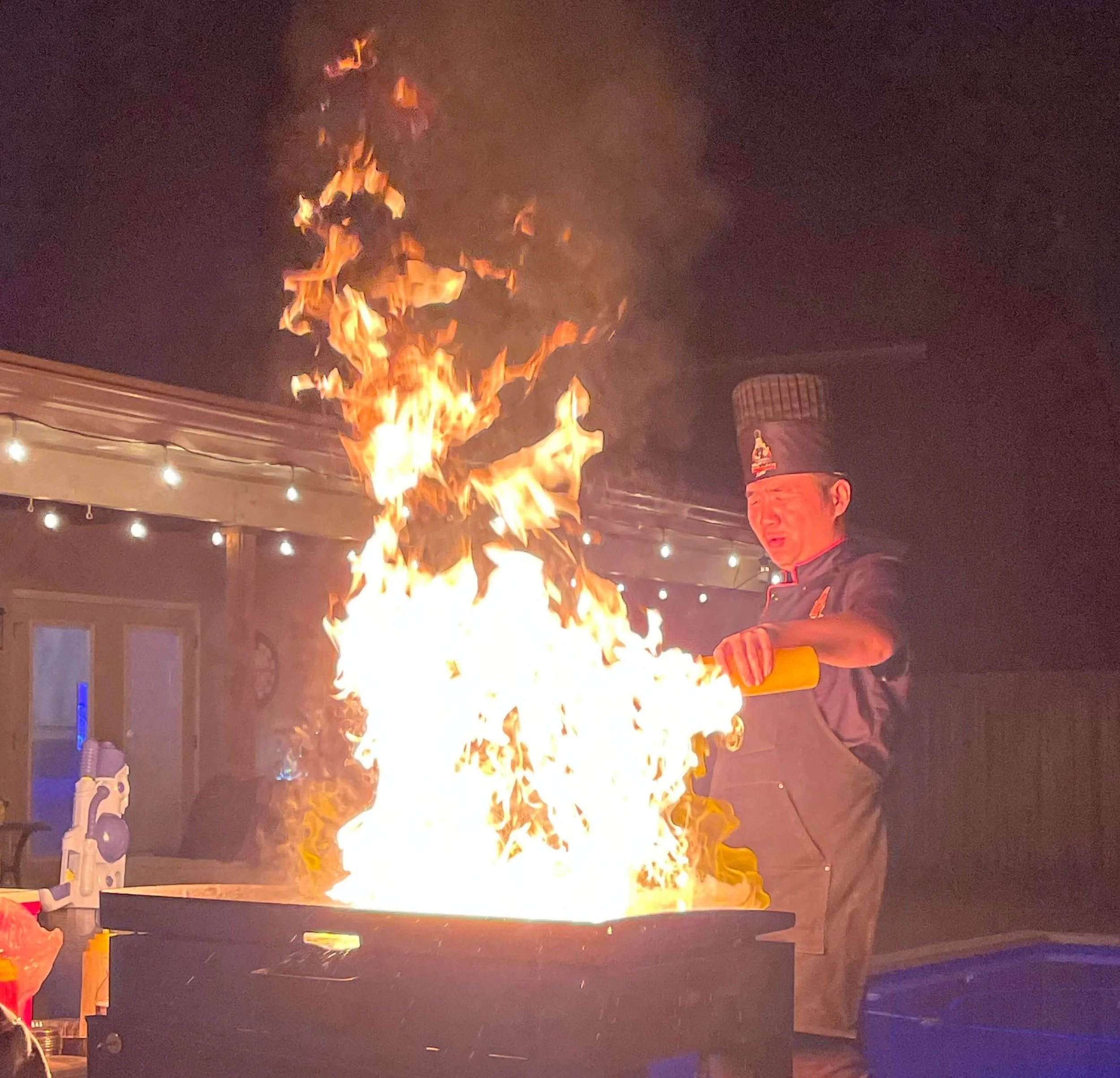
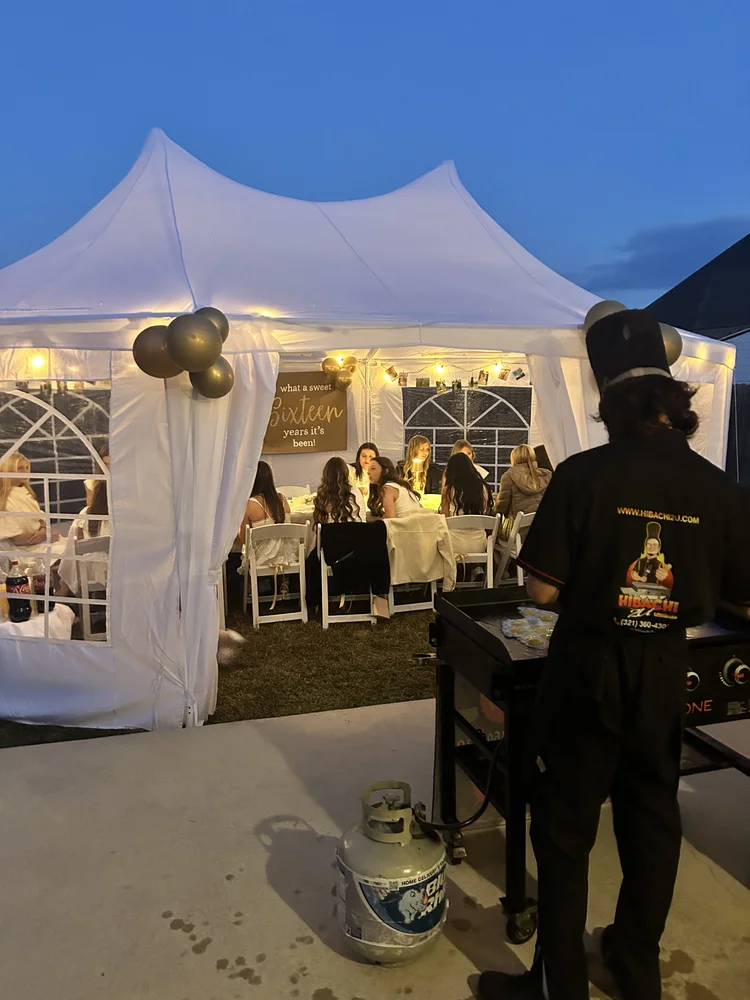
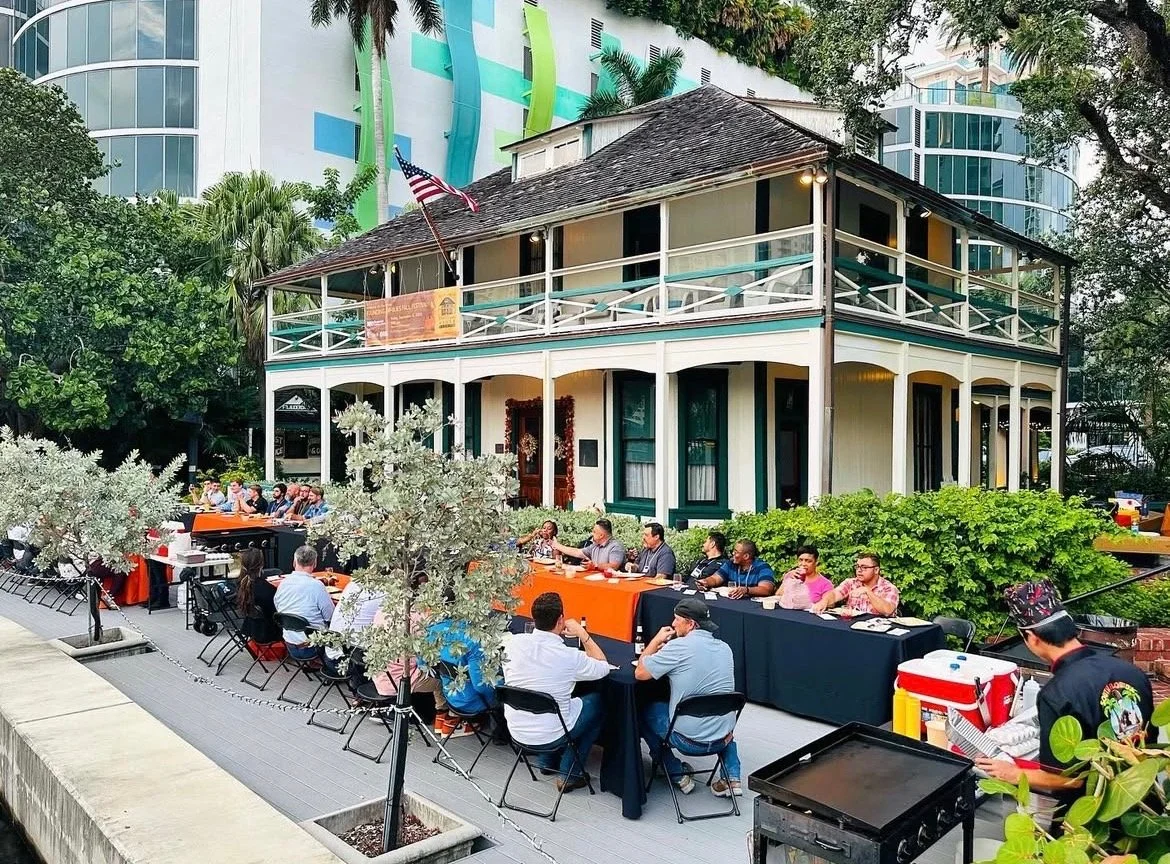
Interactive hibachi flips that script. Instead of a quiet buffet in the corner, the chef and grill become the focal point of the reunion. A mobile hibachi team arrives with a flat‑top grill, ingredients, and a trained chef who cooks in front of everyone, mixing precision with showmanship. Guests watch flames leap, eggs spin, and rice fly, all while their shrimp, steak, chicken, or vegetables sizzle inches away.

This format suits family reunions that value shared moments as much as the meal itself. Everyone is seated close to the grill, usually in a backyard, on a patio, or at a vacation rental. The chef jokes with guests, invites participation, and customizes each plate, turning dinner into an interactive show. Children tend to be transfixed by the spectacle. Teenagers and adults pull out their phones for photos and videos. Grandparents get a front‑row seat without needing to travel to a restaurant.

From a host’s perspective, the benefit is predictability. The guest list is defined, the menu is structured around a set number of proteins and courses, and the entire experience runs in a clearly planned time window rather than an open buffet that drifts on indefinitely.

Experience: Social Energy vs. Shared Performance

The most obvious difference between large‑scale barbecue and hibachi at a family reunion is the social energy they generate. Barbecue spreads guests out. People line up, fill their plates, return to scattered tables, and interact mainly with the smaller group sitting around them. This can be ideal when the goal is to let relatives mingle freely and move at their own pace.

Hibachi, by contrast, concentrates attention and energy. Everyone is oriented toward the grill and chef, sharing the same jokes, reactions, and surprising moments at the same time. The meal becomes a shared performance. Even relatives who might usually sit quietly on the sidelines of a big event are drawn into the experience when the chef interacts with them by name, cooks their protein to their preferred doneness, or tosses a bite of food with playful precision.

Both formats can be social. The question is whether you want conversation to be diffused across many small groups or anchored around a single central event that everyone experiences together.

Menu Variety and Dietary Flexibility

Menu considerations often play a decisive role in choosing between barbecue and hibachi. Barbecue menus traditionally center on meat: pulled pork, ribs, brisket, smoked chicken, and sausages. Sides such as mac and cheese, baked beans, coleslaw, and cornbread complete the spread. This style satisfies guests who crave rich, smoky flavors and generous portions, but it can be challenging for pescatarians, vegetarians, or relatives trying to eat lighter meals.

Hibachi, on the other hand, is built around a customizable combination of proteins, vegetables, and starches. A typical spread features salad, grilled vegetables, fried rice or noodles, and proteins like steak, chicken, shrimp, salmon, scallops, or tofu. Because each plate is cooked to order, it is easier to accommodate relatives who avoid certain ingredients, prefer extra vegetables, or want more seafood and less red meat. Guests can watch and confirm how their meal is prepared, which also helps reassure those with certain dietary sensitivities.

For reunions with a wide variety of dietary needs, hibachi often provides a more flexible base. The host can still supplement with additional dishes or desserts, but the core meal already supports a broad spectrum of preferences.

Guest Engagement and Memory Value

When families reflect on past reunions, they seldom recall the details of the buffet layout, but they do remember the moments when everyone laughed together. Hibachi naturally produces those moments. The live cooking show, the spontaneous jokes, the signature tricks, and the personalized plating give guests something to talk about long after the last plate is cleared. It also creates a shared narrative: “Remember when the chef did that trick with the onion and the flames?” or “Remember how the kids’ faces lit up when their shrimp hit the grill?”

Barbecue can also be memorable, especially when it is tied to family tradition, a famous local pitmaster, or a signature homemade sauce. In many Southern families, the barbecue itself is a tradition. If your relatives have deep roots in the region and expect slow‑smoked meats at every gathering, leaning into that expectation may feel natural and meaningful. The key is recognizing whether nostalgia for barbecue is driving the decision or whether you are defaulting to it simply because it is the most familiar option.

From a memory‑building standpoint, hibachi tends to stand out more for guests who rarely experience a private chef cooking in front of them. The combination of entertainment and dining sets the event apart from both typical restaurant meals and conventional catered buffets.

Logistics, Space, and Setup Considerations

Logistics can make or break a family reunion, especially when relatives are traveling from out of town and schedules are tight. Barbecue catering is usually straightforward: the team delivers or sets up buffet tables, places chafing dishes, and keeps the line stocked. As long as there is enough space for a serving line and seating, the event can proceed without significant constraints.

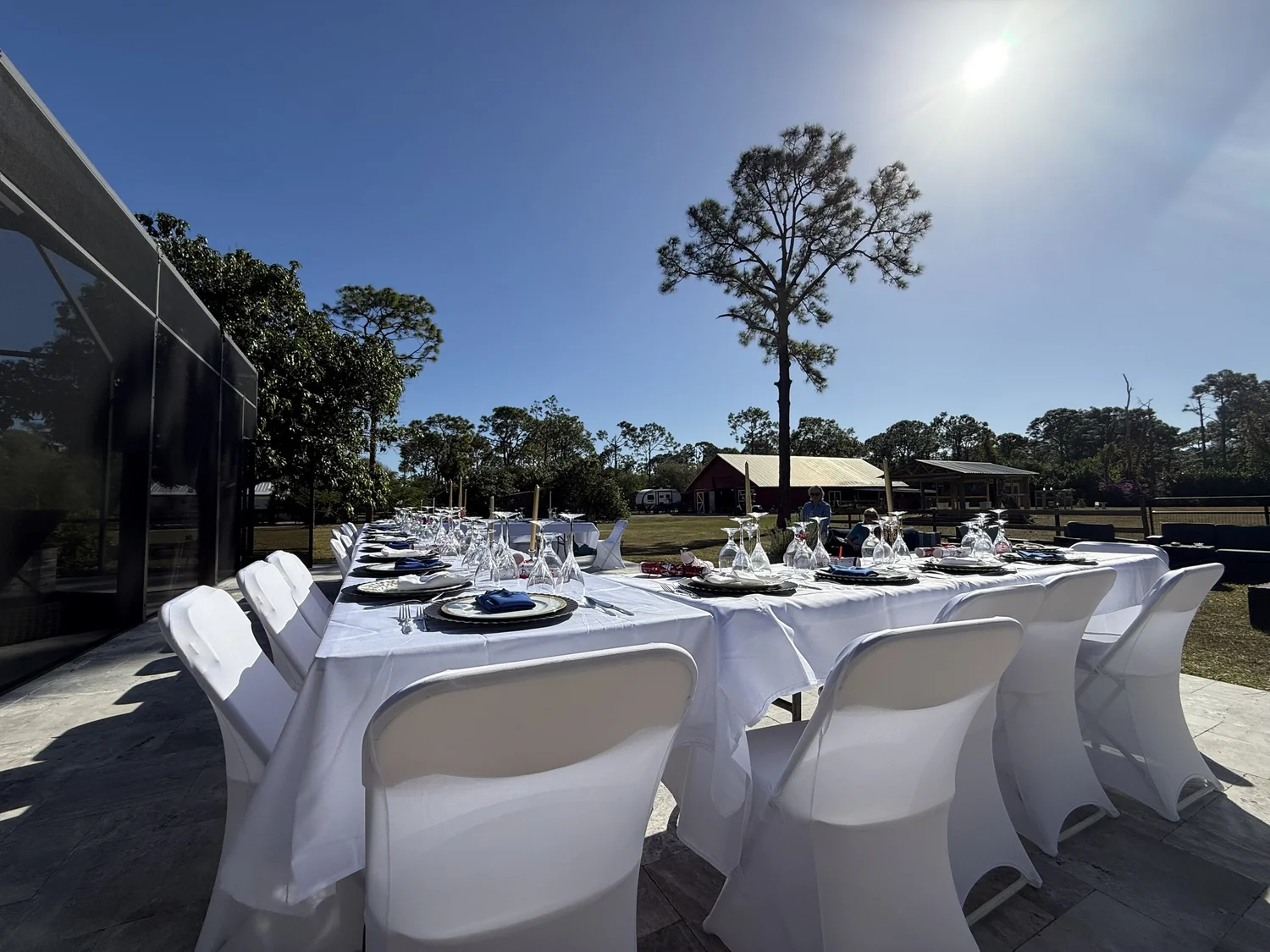
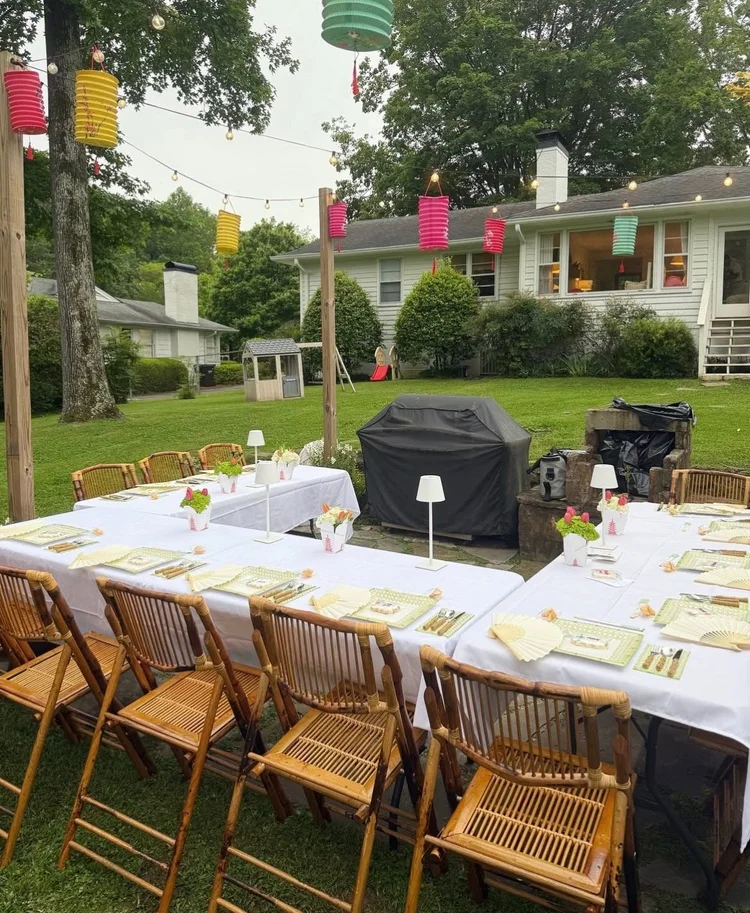
Interactive hibachi demands a bit more planning but in a different way. The chef needs a stable, level surface for the grill, adequate clearance for heat and safety, and enough space to seat the group around or near the cooking area. Outdoor spaces such as backyards, patios, and driveways usually work well, especially in a climate like Jacksonville’s. Hosts should think about shade, weather contingencies, and access for the chef to bring equipment from the vehicle into the setup area.

Inside rented homes or beach houses, ventilation and space become critical. Some setups work beautifully on covered patios or near open sliding doors, while others are better kept fully outdoors. The host’s role is to confirm where the grill can safely operate and how guests will be positioned to see the show without crowding.

Cost Structure and Planning for Headcount

Budget is always part of the conversation. Large‑scale barbecue often appears more flexible because it can be priced by the pan, by the pound, or in large trays. This lets hosts over‑order slightly to ensure no one goes hungry, without committing to an exact per‑person figure. For very large reunions with unpredictable attendance, this flexibility is attractive.

Hibachi typically relies on a per‑person model with clear minimums. The host commits to a specific guest count and menu level. On the surface, this can feel less flexible, but it brings clarity: you know the cost per guest, the number of courses, and the total spend before the event. Instead of guessing how many trays of meat or side dishes you need, you are planning around a defined seating and menu structure.

When relatives are traveling long distances and RSVPs are firm, hibachi’s clarity can actually simplify planning. For casual, open‑door, come‑and‑go reunions where headcount might swing widely, barbecue is easier to scale.

How Guest Age and Group Dynamics Shape the Best Choice

The age mix and relationships within your family can strongly influence which format works best. In families with many children and teens, hibachi offers built‑in entertainment that keeps younger guests focused and excited. Parents do not have to invent extra activities during the meal because the show is already engaging enough.

For families with a large number of older relatives who may be sensitive to heat, noise, or long stretches of seated attention, a gentler, more flexible format like barbecue might feel more comfortable. Those guests can choose when to eat, how long to stay at the meal, and where to sit without feeling locked into a shared performance.

Group dynamics matter too. If your relatives love storytelling, playful teasing, and active participation, hibachi can amplify that energy. If they prefer calm, unhurried conversations at separate tables, barbecue may align better with their preferred pace.

Hybrid Approaches: You Don’t Always Have to Choose

Hosts sometimes forget that the decision does not have to be all‑or‑nothing. A hybrid approach can serve different needs across a multi‑day reunion. One evening can feature a showpiece hibachi dinner for a smaller, curated group, such as immediate family, elders, or relatives celebrating a milestone. Another day can showcase a large barbecue spread that welcomes a wider circle of extended family, neighbors, and friends.

You can also pair hibachi with familiar side dishes or desserts inspired by barbecue traditions. Fried rice and hibachi vegetables can coexist with baked beans, coleslaw, or a family recipe for peach cobbler. This combination allows you to honor regional tastes while still introducing an interactive element that feels fresh and distinctive.

For very large reunions, staggered hibachi seatings are another option. Instead of trying to seat everyone at once, you can schedule two or three smaller groups throughout the evening. Each group gets an intimate show, and the rest of the family enjoys casual mingling before or after their turn at the grill.

Bringing the Restaurant Experience Home

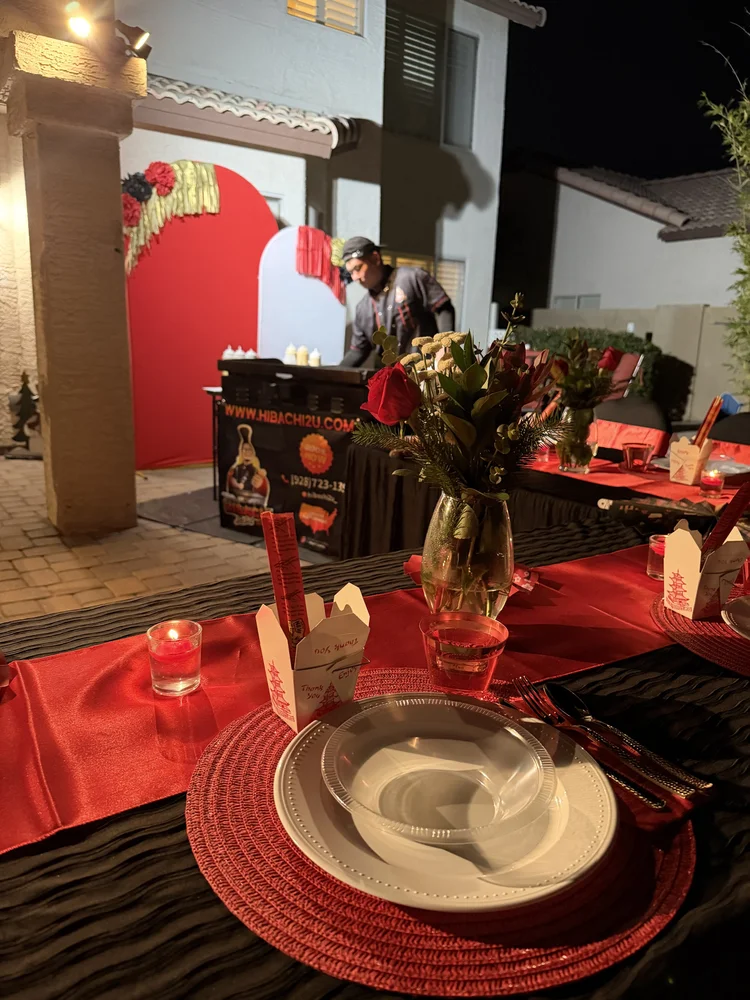
One of the most powerful advantages of hibachi for a Jacksonville family reunion is that it brings the restaurant experience directly to where people are staying. Instead of coordinating multiple cars, reservations, parking, and separate tables at a busy restaurant, everyone can stay in one location while the chef, equipment, and ingredients come to them.

This is particularly valuable when relatives are staying at a beach rental, riverfront home, or family property that already serves as the main hub for the reunion. Guests can relax before and after the meal without worrying about transportation or strict restaurant schedules. Parents of young children can keep bedtime routines intact. Older relatives can avoid navigating crowded public spaces.

Barbecue can be brought to the same kinds of locations, but it rarely carries the feeling of having an entire restaurant experience recreated in your backyard or on your patio. Hibachi fills that niche, delivering both flavor and theater without requiring anyone to leave home base.

Personalizing the Meal Around Milestones

Family reunions often include built‑in milestones: birthdays, anniversaries, graduations, retirements, or special recognitions for elders. Interactive hibachi is especially well suited to highlighting those moments because the chef can build them directly into the performance. A birthday guest can be singled out for a lighthearted flourish with their entrée. Graduates can be given a special moment at the grill. Toasts can be timed with the plating of a final course.

While barbecue can certainly support speeches and cake‑cutting, the meal itself is less tightly integrated with those moments. It functions as a backdrop rather than an active partner. When you want the food and the show to align with the emotional beats of the reunion, hibachi gives you more tools to make that happen.

How to Decide What Fits Your Reunion Best

Choosing between large‑scale barbecue and interactive hibachi ultimately comes down to a few key questions:

– Do you want the meal to be a casual background element or the central shared experience of the evening?

– Is your headcount fluid and open‑ended, or is it a defined group with clear RSVPs?

– Are your relatives more excited by familiar comfort food or by something that feels like a private restaurant show?

– What kinds of spaces do you have available, and how easy will it be to set up a grill with safe distance and seating?

– How important is it for you, as the host, to reduce last‑minute decisions and know the structure of the evening in advance?

There is no one answer that fits every family. For some reunions, the comfort and scalability of barbecue will always feel right. For others, the combination of live cooking, chef interaction, and made‑to‑order plates makes hibachi the obvious choice. Thinking about the memories you want people to talk about long after they leave Jacksonville is often the best guide.

FAQs

1. Is interactive hibachi appropriate for every age group at a family reunion?

Yes. Children, teens, adults, and older relatives typically enjoy watching a skilled chef cook with flair. The key is to seat older guests where they can see clearly and feel comfortable with the heat and noise level.

2. Can hibachi work if some family members prefer very simple food?

Yes. Hibachi menus can be kept straightforward with familiar proteins like chicken and steak, mild sauces, and extra vegetables or rice. If needed, you can add a few plain side dishes so cautious eaters feel completely at ease.

3. What if the weather is unpredictable in Jacksonville?

For outdoor hibachi setups, it is wise to have a backup plan such as a covered patio, garage entrance with ventilation, or an alternate day or time. Barbecue buffets are also sensitive to weather, but they are generally easier to relocate under tents or into covered community spaces.

4. How early should a host start planning the meal format?

Planning several weeks or months in advance is ideal for both hibachi and barbecue, especially if the reunion falls on a holiday weekend or in peak travel seasons. Early planning gives you time to confirm guest counts, consider dietary needs, and choose the format that best matches your group.

5. Can you mix barbecue elements into a hibachi‑focused reunion?

Absolutely. Many hosts pair hibachi with barbecue‑inspired appetizers, side dishes, or desserts. This blended approach lets guests enjoy the novelty of an interactive show while still tasting the regional flavors and family recipes they love.

References

1. Hibachi at Home Jacksonville FL | Private Chef for Backyard Parties – Hibachi With Us – https://www.hibachiwithus.com/hibachi-at-home-jacksonville

2. Hibachi Catering Jacksonville FL – Hibachi2U – https://hibachi2u.com/hibachi-catering-jacksonville-fl

3. Mobile Hibachi Catering Jacksonville FL – Hibachi Happy – https://hibachihappy.com/jacksonville/

4. Hibachi Catering Jacksonville, NC | Private Chef Experience – HibachiLover – https://hibachilover.com/service-areas/north-carolina/jacksonville

5. TOP 10 Best Hibachi Catering in Jacksonville, FL – Yelp – https://www.yelp.com/search?find_desc=Hibachi+Catering&find_loc=Jacksonville,+FL

6. Tsunami Sushi & Hibachi Grill – Jacksonville, FL – Yelp – https://www.yelp.com/biz/tsunami-sushi-and-hibachi-grill-jacksonville

7. Excellent sushi – Tsunami Sushi & Hibachi all you can eat – Tripadvisor – https://www.tripadvisor.com/ShowUserReviews-g60805-d34288041

8. Great sushi and Hibachi – Tokyo Sushi and Grill – Tripadvisor – https://www.tripadvisor.com/ShowUserReviews-g60805-d2031716

9. Best hibachi in Jax? – Reddit – https://www.reddit.com/r/jacksonville/comments/1nxa01l/best_hibachi_in_jax

10. Where is the best hibachi in Jacksonville? – Reddit – https://www.reddit.com/r/jacksonville/comments/zsp8bo/where_is_the_best_hibachi_in_jacksonville

Hot Tags: Jacksonville Catering Services, Family Reunion Catering, Corporate Event Catering, Private Chef Hibachi, Backyard Hibachi Parties, Mobile Hibachi Catering, Event Catering Jacksonville, Large Scale BBQ Catering, Outdoor Catering Services, B2B Catering Solutions

Table of Contents