

Content Menu
● What Makes Hibachi Different
● Expert Tips For A Better Plate
● What To Expect From A Private Chef
● When Hibachi Is Less Healthy
● FAQ
>> 1. Is hibachi healthier than takeout?
>> 2. What is the healthiest hibachi protein?
>> 3. Is hibachi fried rice unhealthy?
>> 4. How can I make hibachi healthier at home?
>> 5. Can hibachi fit a balanced diet?
>> 6. Is steak hibachi still a good option?
Hibachi can be a smart, satisfying meal when you choose the right ingredients and portions. For guests booking a private hibachi chef experience in Florida, Georgia, South Carolina, or North Carolina, the answer is usually yes — especially when the menu centers on lean protein, vegetables, and lighter sauces.

What Makes Hibachi Different
Hibachi stands out because it is cooked fresh in front of guests and can be customized in real time. That matters for anyone who wants better control over what goes on the plate, especially at birthdays, backyard parties, family gatherings, and corporate dinners.
Unlike many takeout meals, hibachi can be built around simple ingredients:
– Lean protein.
– Mixed vegetables.
– Controlled rice portions.
– Sauce served on the side.
That flexibility is one reason hibachi can fit a balanced eating pattern better than many restaurant meals. The real issue is not hibachi itself, but how much oil, butter, rice, and sauce are added during cooking.
Is Hibachi Healthy?
The short answer is it can be. A hibachi meal is often healthier than fried or heavily processed options because it usually includes grilled protein and vegetables cooked to order.
A more accurate answer is this: hibachi is healthiest when you treat it like a customizable meal, not a fixed combo. Portions, protein choice, rice quantity, and sauce all shape the final nutrition profile.
For example, a hibachi chicken and rice meal can range roughly from 700 to 950 calories, while a full dinner with soup, salad, protein, vegetables, and fried rice can reach 900 to 1,400 calories depending on portion size and added fats.
Nutrition Snapshot
Here is a simple way to think about common hibachi components:
| Item | Typical Nutrition Takeaway |
|---|---|
| Chicken | High protein, moderate calories, best when lightly seasoned. |
| Shrimp | Usually one of the lighter protein options. |
| Steak | More calorie-dense, especially with butter or richer cuts. |
| Vegetables | Usually a strong choice for fiber and volume. |
| Fried rice | Often the biggest calorie and sodium driver in the meal. |
| Sauces | Can add hidden sodium, sugar, and extra calories fast. |
The table shows the main pattern clearly: hibachi is not automatically light or heavy. It depends on how the plate is assembled.
Best Protein Choices
If your goal is a healthier hibachi meal, start with protein. Leaner options usually work best because they deliver satisfying protein without pushing calories too high.
Good choices include:
– Chicken.
– Shrimp.
– Salmon.
– Tofu or other plant-based proteins.
Chicken and shrimp are especially popular for lighter meals, while salmon adds heart-healthy fats and tofu offers a plant-forward alternative. Steak can still fit into a balanced meal, but portion control matters more because it is usually richer.
Rice, Vegetables, and Sides
Rice is where many hibachi meals become much heavier than expected. Fried rice adds flavor and texture, but it can quickly raise calories, oil, and sodium.
A better approach is to:
1. Keep rice portions smaller.
2. Ask for extra vegetables.
3. Use sauce sparingly.
4. Balance the main plate with protein first.
Vegetables are one of the strongest parts of a hibachi meal. They add color, crunch, volume, and useful nutrients, while helping guests feel full without relying on large portions of rice or meat.

Sauce And Sodium
Sauces are one of the most overlooked factors in hibachi nutrition. Even when the grill ingredients are simple, a sweet or salty sauce can change the meal quickly.
To keep the meal lighter:
– Ask for sauce on the side.
– Choose lighter soy-based or citrus-based flavors.
– Skip extra butter when possible.
– Avoid piling multiple sauces on the same plate.
This matters because current nutrition guidance continues to emphasize limiting foods higher in sodium, saturated fat, and added sugars.
Healthy Hibachi At Events
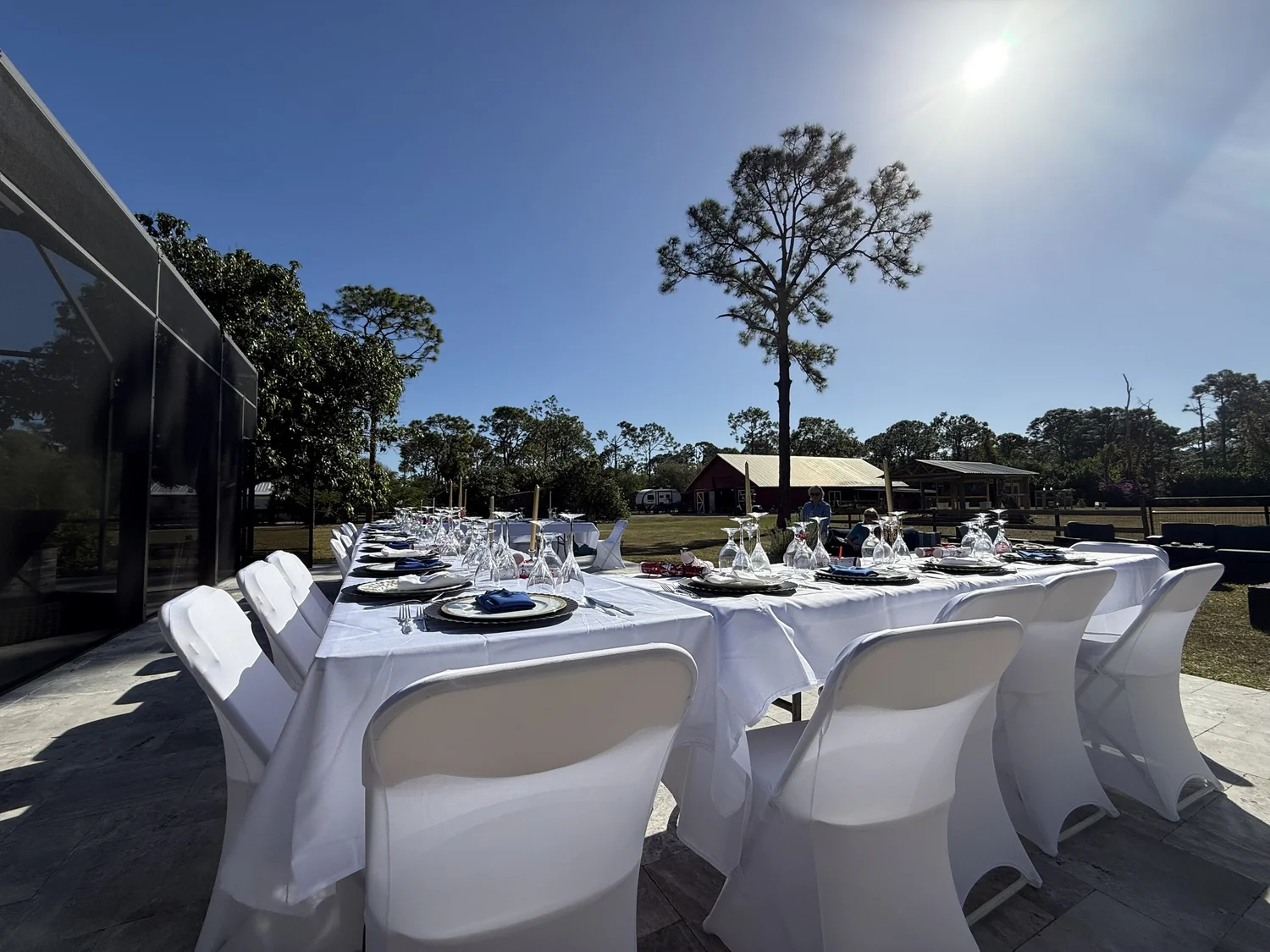
For private events, hibachi has a built-in advantage: guests can be served in a way that supports different goals at the same table. That is useful when one person wants a lighter meal and another wants a more indulgent plate.
A strong event menu can include:
– A lean protein option.
– A shrimp or seafood option.
– Extra vegetables.
– White rice, fried rice, or lighter rice portions.
– Sauces on the side.
This style works especially well for birthdays, family reunions, graduation parties, and corporate gatherings because it feels elevated while still giving hosts control over the food experience.
Expert Tips For A Better Plate
If you want a better balance without losing flavor, use these steps:
1. Choose chicken, shrimp, salmon, or tofu first.
2. Fill half the plate with vegetables.
3. Keep fried rice as a side, not the base.
4. Use sauces lightly.
5. Stop at comfortable fullness, not stuffed fullness.
A simple example: a plate with grilled chicken, a large serving of zucchini and broccoli, and a small scoop of rice will usually be far lighter than a plate built mostly on fried rice and sauce.
What To Expect From A Private Chef
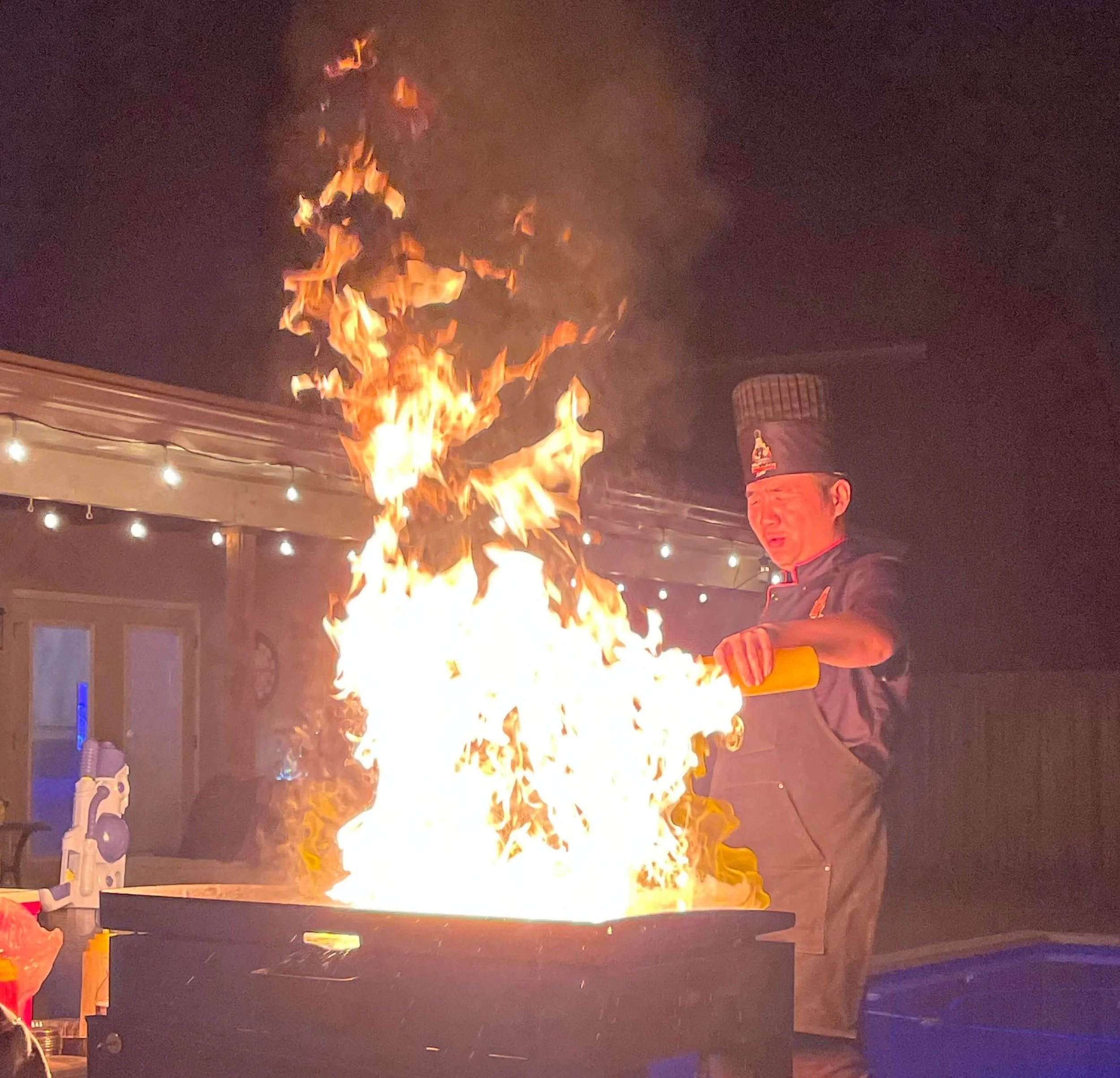
A private hibachi chef experience gives hosts more control than a traditional restaurant setting. The chef can often adjust portions, protein selection, and presentation based on event needs.
For a brand like Hibachi Sake Sake, that makes the experience more than entertainment. It becomes a customizable dining service that can align with celebration goals, dietary preferences, and the atmosphere of a premium backyard event.
Healthier Ordering Guide
Use this quick ordering guide when planning your next event:
| Goal | Better Choice | Less Ideal Choice |
|---|---|---|
| Lower calories | Shrimp or chicken with vegetables | Steak with extra butter and large fried rice |
| Higher protein | Double chicken, chicken and shrimp, salmon | Small protein portion with large rice serving |
| Lower sodium | Sauce on the side, lighter seasoning | Multiple sauces and heavy soy use |
| More balanced meal | Protein plus vegetables plus small rice portion | Large rice-heavy plate |
This gives guests a practical way to enjoy hibachi without guessing.
When Hibachi Is Less Healthy
Hibachi becomes less healthy when the meal is overloaded with butter, oil, fried rice, sugary sauces, and oversized portions. In that case, the meal can shift from balanced to calorie-dense very quickly.
That does not mean hibachi is a bad choice. It simply means the healthiest version is the one built with intention.
Why Guests Keep Choosing It
People keep choosing hibachi because it offers more than food. It blends freshness, theater, customization, and social energy into one experience.
For hosts, that combination is powerful. It makes the event feel special while still allowing smarter food choices than many people expect from a celebration meal.
Conclusion
Hibachi can absolutely be part of a healthy lifestyle when you focus on lean proteins, vegetables, smarter rice portions, and lighter sauces. It becomes even better when a private chef experience lets you shape the menu around your guests and event goals.
For hosts in Florida, Georgia, South Carolina, and North Carolina, Hibachi Sake Sake offers a memorable way to combine celebration and better dining choices in one backyard-ready experience.
Planning a birthday, family gathering, graduation party, corporate event, or luxury private dinner? Book Hibachi Sake Sake and create a custom hibachi experience that feels festive, fresh, and easier to enjoy with confidence.

FAQ
1. Is hibachi healthier than takeout?
Yes, it often can be, because it is cooked fresh and can be customized with lean protein, vegetables, and lighter portions.
2. What is the healthiest hibachi protein?
Chicken, shrimp, salmon, and tofu are usually the best choices for a lighter meal.
3. Is hibachi fried rice unhealthy?
It is not automatically unhealthy, but it is usually the main source of extra calories, oil, and sodium in the meal.
4. How can I make hibachi healthier at home?
Choose a lean protein, ask for extra vegetables, reduce rice portions, and keep sauce on the side.
5. Can hibachi fit a balanced diet?
Yes. When portions are managed and the meal includes protein and vegetables, hibachi can fit a balanced eating pattern well.
6. Is steak hibachi still a good option?
Yes, but it is usually richer than chicken or shrimp, so portion control matters more.
References
– [Hibachi with Us Blog: Is Hibachi Healthy? A Nutrition Breakdown for Atlanta Food Lovers]
– [Hibachi with Us Blog: How to Eat Healthy with Hibachi at Home in Atlanta]
– [Hibachi with Us Atlanta Service Page]
– [Hibachi with Us South Carolina Service Page]
– [Hibachi Family: Is Hibachi Healthy for You?]
– [Hibachi Family: How Many Calories in a Hibachi Meal?]
– [Hibachi Family: Mobile Hibachi in South Carolina]
– [Benihana Nutritional Information]
– [Dietary Guidelines for Americans, 2025–2030]
– [American Heart Association: 10 Tips for Healthy Grilling]
– [Mayo Clinic: Get Grilling With These Tips]
– [AICR: Grilling and Cancer Risk]
Hot Tags: Private Hibachi Catering, Mobile Hibachi Service, Backyard Hibachi Party, Hibachi At Home, Private Chef Experience, Event Catering Service, Corporate Event Catering, Outdoor Catering, Birthday Party Catering, Luxury Private Dinner