
+929-994-0853
hibachisakesake@gmail.com
Call: 929-994-0853

Is Hibachi a Healthy Meal Choice for Weight Loss?

Facebook
LinkedIn
X
Skype
WhatsApp

Content Menu

What Makes Hibachi Different?

Why Hibachi Can Support Weight Loss

Where Calories Add Up

Best Choices on the Plate

>> Better protein choices

>> Better side choices

>> Better sauce habits

What To Limit

A Smarter Hibachi Plate

How to Make Hibachi More Weight-Friendly

Why Freshly Prepared Hibachi Helps

Is Hibachi Good for Every Eating Style?

Conclusion

FAQ

References

Hibachi can be a healthy meal choice for weight loss when it is built around lean protein, vegetables, and sensible portions. The biggest difference comes from how the food is prepared, how much rice or noodles are served, and how heavy the sauces are.

For people who want a satisfying meal without losing control of their daily intake, hibachi can be a smart option. It is flavorful, filling, and easy to customize.

What Makes Hibachi Different?

Hibachi is a cooking style, not a single dish. Food is usually grilled on a flat-top surface, which makes it easier to control oil, butter, and seasoning than many fried meals.

A typical hibachi meal may include:

– Chicken, shrimp, steak, salmon, or tofu.

– Zucchini, onion, mushroom, broccoli, or carrots.

– Rice or noodles.

– Soy-based seasoning, garlic butter, or dipping sauce.

Because the meal is cooked in front of you, it often feels fresher and more customizable than standard takeout. That flexibility is one of the main reasons hibachi can fit into a lighter eating plan.

Why Hibachi Can Support Weight Loss

A weight-loss-friendly meal usually has protein, fiber, and enough volume to keep you full. Hibachi can deliver that balance very well.

Here is why it often works:

Protein helps reduce hunger.

– Vegetables add volume without adding many calories.

– Grilling usually uses less oil than frying.

– The meal can be adjusted to fit your goals.

– Portion size is easier to control when the food is made fresh.

When hibachi is prepared with a lean protein and a large vegetable portion, it can feel satisfying without being too heavy.

Where Calories Add Up

Hibachi is not automatically light. Calories can rise quickly if the meal includes too much rice, extra butter, sweet sauce, or large protein portions.

The biggest sources of extra calories are often:

– Fried rice.

– Noodles with oil.

– Butter-heavy cooking.

– Creamy or sweet sauces.

– Large portions of steak or seafood.

– Multiple starches in the same meal.

A plate that starts out simple can become much heavier once sauce and rice are added. For weight loss, those details matter more than the word “hibachi” itself.

Best Choices on the Plate

If you want a lighter hibachi meal, start with the simplest ingredients.

Better protein choices

– Chicken breast.

– Shrimp.

– Salmon.

– Tofu.

– Lean steak in a moderate portion.

Better side choices

– Extra vegetables.

– Steamed rice instead of fried rice.

– Half rice, half vegetables.

– Soup or salad if available.

Better sauce habits

– Ask for sauce on the side.

– Use less butter.

– Choose lighter seasoning.

– Avoid creamy dipping sauces when possible.

These small choices can make a big difference without removing the flavor that makes hibachi enjoyable.

What To Limit

Some hibachi items are best kept as occasional choices rather than everyday habits.

Limit or reduce:

– Fried rice.

– Heavy noodles.

– Extra butter.

– Sweet glaze-style sauces.

– Large steak portions.

– Repeated servings of rice or sauce.

You do not have to avoid these foods completely. The goal is to keep them from becoming the main part of the meal.

A Smarter Hibachi Plate

A simple way to build a lighter meal is to use this structure:

1. Start with a lean protein.

2. Fill at least half the plate with vegetables.

3. Keep rice or noodles to a moderate portion.

4. Add sauce lightly.

5. Stop when you feel comfortably full.

For example, a balanced plate might include grilled chicken or shrimp, extra zucchini and mushrooms, and a small scoop of steamed rice. That combination gives you flavor, protein, and fullness without going overboard.

How to Make Hibachi More Weight-Friendly

If you are ordering hibachi and want to keep it lighter, a few simple habits help a lot.

– Choose chicken, shrimp, salmon, or tofu more often.

– Ask for extra vegetables.

– Request sauce on the side.

– Replace fried rice with steamed rice.

– Share larger portions.

– Drink water instead of sweet beverages.

– Eat slowly so your body has time to register fullness.

These changes are easy to apply and can help you enjoy hibachi without derailing your goals.

Why Freshly Prepared Hibachi Helps

One advantage of hibachi is that it is often made right in front of you. That makes it easier to customize the meal based on your preferences and health goals.

This is especially helpful if you want:

– Less butter.

– More vegetables.

– Smaller rice portions.

– Cleaner protein choices.

– A more controlled dining experience.

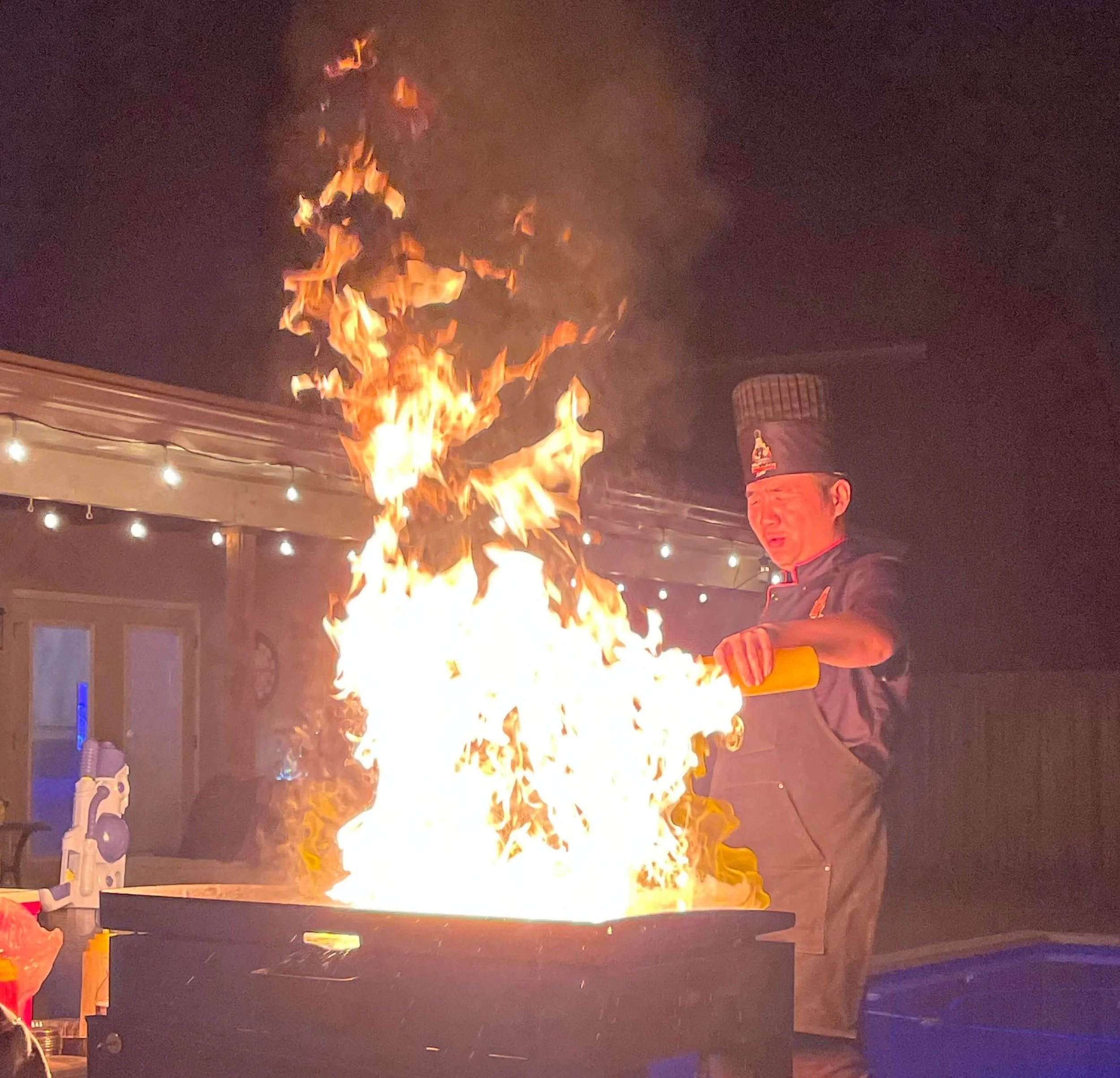
For private events, backyard parties, and mobile dining experiences, this flexibility is even better because the menu can often be adjusted for different guests. It creates a dining experience that feels special while still allowing smarter food choices.

Is Hibachi Good for Every Eating Style?

Hibachi can fit many different eating styles, but the best version depends on your goals. Someone trying to lose weight may want more vegetables and less rice. Someone focused on higher protein may want extra chicken or shrimp. Someone watching sodium may need to go lighter on sauce and seasoning.

The good news is that hibachi is flexible enough to work for many people. That makes it one of the easier restaurant-style meals to tailor for a healthier routine.

Conclusion

Hibachi is not a magic health food, but it can absolutely be part of a healthy eating plan. The best approach is to prioritize lean protein, vegetables, and portion control while limiting heavy sauces, fried rice, and extra butter.

If you want a meal that is flavorful, customizable, and satisfying, hibachi is one of the better choices available. With a few smart adjustments, you can enjoy it without sacrificing your weight goals.

FAQ

1. Is hibachi healthy for weight loss?

Yes, hibachi can support weight loss when it is built around lean protein, vegetables, and moderate portions.

2. What is the healthiest hibachi protein?

Chicken, shrimp, salmon, and tofu are usually the best lighter choices.

3. Is fried rice a bad choice at hibachi?

Not always, but it is usually higher in calories and fat than steamed rice, so portion size matters.

4. Can I eat hibachi every week and still lose weight?

Yes, if the rest of your eating pattern stays balanced and you keep portions under control.

5. How can I make hibachi lighter?

Ask for extra vegetables, sauce on the side, less butter, and a smaller portion of rice.

References

1. [Hibachi With Us – Is Hibachi a Healthy Meal Choice for Those Looking to Lose Weight]

2. [Dietary Guidelines for Americans, 2020–2025]

3. [USDA Dietary Guidelines for Americans]

4. [PMC / NIH – Dietary Guidelines for Americans, 2020–2025]

5. [Healthline – The Japanese Diet: Benefits, Food List, and Meal Plan]

6. [The Diabetes Council – Healthy Japanese Recipes for Weight Loss]

Hot Tags: Hibachi, Weight Loss, Healthy Hibachi, Hibachi Catering, Private Hibachi, Mobile Hibachi, Backyard Party Catering, Outdoor Catering, Private Chef Experience, Japanese Catering

Table of Contents