
Content Menu
● The Short Answer: Chef-Only vs. Hibachi Service Waitstaff
● What a Private Hibachi Chef Handles
● What Hibachi Service Waitstaff Adds
● Chef-Only vs. Waitstaff: Side-by-Side Comparison
● Guest Count Is Important—but Not Everything
● Five Signs You Should Add Waitstaff
>> 1. You Want to Be a Guest at Your Own Party
>> 2. Your Event Includes Alcohol or Specialty Drinks
>> 3. You Are Hosting in Multiple Areas
>> 4. Your Menu Extends Beyond Hibachi
>> 5. The Occasion Has a Formal or Business Purpose
● When the Chef Is Absolutely Enough
● A Practical Staffing Checklist for Hosts
>> Event Format
● Expert Planning Insight: Match Staff to Complexity
● How to Build the Right Hibachi Service Plan
● Create a Hibachi Event Guests Will Remember
● FAQ
>> Is a private hibachi chef enough for a birthday party?
>> How many guests can one hibachi chef serve?
>> What does hibachi service waitstaff do?
>> Do I need a bartender for a hibachi party?
>> Is waitstaff necessary for a backyard hibachi party?
>> Can waitstaff help with a corporate hibachi event?
>> Should I add waitstaff for a luxury private dinner?
When planning an at-home hibachi celebration, one of the most important questions is simple: Is a hibachi chef enough, or should you also book hibachi service waitstaff? The right answer depends on your guest count, event format, drink plans, venue layout, and the type of experience you want your guests to remember.
For many intimate backyard hibachi parties, a skilled mobile hibachi chef can deliver a complete, energetic dining experience on their own. For larger gatherings, luxury private dinners, corporate events, or occasions with cocktails and multiple service areas, adding professional waitstaff can make the event feel calmer, more polished, and easier for the host to enjoy.
At Hibachi Sake Sake, we help clients across Florida, Georgia, South Carolina, and North Carolina create memorable private hibachi experiences for birthdays, family reunions, holiday celebrations, graduation parties, corporate functions, and elevated outdoor dinners. This guide explains when the chef is enough, when extra event staff adds real value, and how to choose the right setup for your occasion.
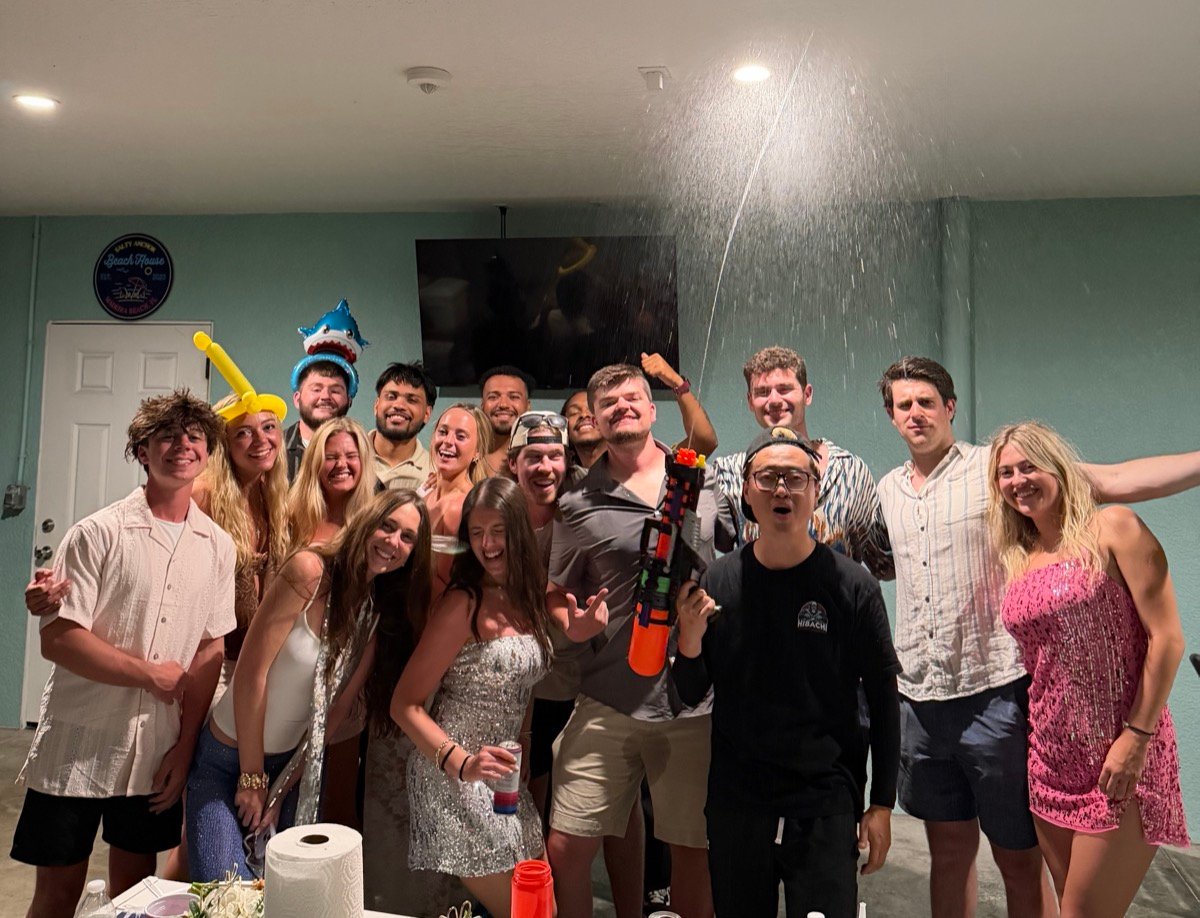
The Short Answer: Chef-Only vs. Hibachi Service Waitstaff
A private hibachi chef is not just cooking dinner. The chef is managing the mobile grill, food safety, cooking sequence, guest interaction, entertainment, timing, and the final meal presentation.
That makes a chef-only format ideal when the event is designed around one shared hibachi table experience.
Hibachi service waitstaff, on the other hand, support the guest experience away from the grill. They can greet guests, refill beverages, clear dishes, manage passed appetizers, reset tables, coordinate dessert service, assist with bar flow, and keep the venue orderly.
Choose a chef-only hibachi experience when:
– You are hosting a smaller or medium-size group
– Most guests will dine together at the same time
– The event has a relaxed backyard, patio, or vacation-home atmosphere
– Guests are comfortable serving themselves drinks or using a self-service beverage station
– You want the hibachi performance to remain the main focus
– Your event menu is streamlined rather than multi-course
Consider hibachi service waitstaff when:
– You are hosting a larger group with staggered arrival times
– You are serving cocktails, wine, beer, or a full beverage program
– You want passed appetizers, plated desserts, or formal table service
– Your event has multiple zones, such as a pool area, patio, dining area, and indoor lounge
– You are planning a luxury dinner, wedding-related event, or client-facing corporate function
– You want to spend your time with guests instead of clearing plates and monitoring supplies
The best choice is not about adding staff for the sake of it. It is about matching the staffing plan to the complexity of the event.
What a Private Hibachi Chef Handles
A professional mobile hibachi chef brings more responsibility to the event than a traditional restaurant chef working behind the scenes. At-home hibachi is both a meal and a live performance.
A chef typically manages the following core responsibilities:
– Arriving with the portable hibachi grill and cooking tools
– Preparing food fresh on-site
– Managing cooking order and guest meal timing
– Accommodating confirmed dietary requests and meal selections
– Performing the interactive hibachi show
– Serving meals directly from the grill experience
– Maintaining a clean, organized cooking area
– Creating a fun, social focal point for the gathering
The strength of chef-led hibachi is its built-in hospitality. The chef speaks with guests, creates energy around the grill, and transforms a meal into a shared activity.
For a birthday dinner with 10 to 20 guests seated around the hibachi setup, the chef often provides everything needed for a successful evening. The host can set out drinks, ice, plates, napkins, and a dessert table before the chef arrives. Once the performance begins, the meal has a natural rhythm.
This is especially effective for:
– Birthday hibachi parties
– Family dinners
– Graduation celebrations
– Vacation-rental gatherings
– Casual holiday meals
– Backyard hibachi experiences
– Friends’ nights and milestone celebrations
A chef-only event can feel personal, lively, and premium without becoming overly formal.
What Hibachi Service Waitstaff Adds
Hibachi service waitstaff do not replace the chef. They protect the chef’s focus and make the wider event experience more seamless.
While the chef stays at the grill, waitstaff can manage the details that guests notice without always mentioning. A drink is refilled before someone needs to ask. Empty plates disappear. Children have water. A spilled beverage is addressed quickly. Dessert arrives at the right time. The host is not stuck in the kitchen.
Professional event servers may assist with:
– Guest arrival and light hosting support
– Beverage setup, replenishment, and service
– Water, soda, and mocktail refills
– Passed appetizers before the hibachi meal
– Clearing disposable or rental dinnerware
– Table resets between food and dessert
– Cake-cutting support and dessert presentation
– Trash management and surface cleanup
– Assistance with buffet-style side dishes
– Coordinating guest flow between indoor and outdoor spaces
– Supporting a bartender or beverage station
– Helping the host manage gifts, decorations, and party supplies
In traditional food service, servers typically take orders, deliver food and beverages, check on guest satisfaction, clear tables, and prepare service areas. Those same functions become especially valuable at a private event where the host would otherwise need to manage them personally.
Waitstaff is most valuable when the event has moving parts. The more choices, stations, spaces, beverages, courses, or guest groups you add, the more helpful dedicated service becomes.
Chef-Only vs. Waitstaff: Side-by-Side Comparison
| Event Factor | Chef-Only Hibachi Service | Hibachi Chef With Waitstaff |
|---|---|---|
| Best for | Casual celebrations and shared-table dining | Elevated, large, or multi-part events |
| Guest experience | Interactive, lively, relaxed | More polished, attentive, and hands-off |
| Host workload | Moderate before and after dinner | Lower throughout the event |
| Beverage service | Self-serve or host-managed | Staff-managed refills and drink support |
| Food format | One main hibachi seating | Hibachi plus appetizers, dessert, buffet, or plated elements |
| Cleanup flow | Guests and host may handle some details | Ongoing clearing and organized reset support |
| Venue layout | One primary outdoor dining area | Multiple rooms, patio zones, pool areas, or larger properties |
| Budget approach | Focus spending on chef performance and food | Invest more for service, pacing, and convenience |
| Best guest count range | Small to mid-size gatherings | Larger parties or events with multiple seating waves |
| Ideal tone | Fun and informal | Luxury, corporate, celebratory, or formal |
Neither option is automatically better. The goal is to build the service around your priorities.
If your top priority is live cooking and social energy, chef-only service may be perfect.
If your top priority is effortless hosting, extra waitstaff is often a smart decision.
Guest Count Is Important—but Not Everything
Guest count matters, but it should not be the only factor in your staffing decision.
A 20-person family dinner with one beverage cooler and one hibachi seating can run beautifully with a chef-only setup. A 20-person engagement dinner with champagne, cocktails, passed appetizers, outdoor lounge seating, rental glassware, a dessert station, and formal décor may benefit from additional service support.
Industry event-planning guides often use staffing ratios as starting points, not fixed rules. One published catering guide suggests a baseline of approximately one server per 32 guests, while noting that the right ratio changes based on service style, bar needs, and operational complexity. Another event staffing guide recommends more staff for formal plated dining, while more casual buffet or station formats may require less hands-on service.
For private hibachi events, use this practical planning framework:
| Guest Count | Typical Recommendation | Why |
|---|---|---|
| 8–16 guests | Chef-only is usually enough | One seating, limited beverage needs, easy host oversight |
| 16–25 guests | Chef-only or one support staff member | Depends on drinks, dessert, children, and venue size |
| 25–40 guests | Consider waitstaff | Clearing, refills, guest flow, and meal pacing become more demanding |
| 40–60 guests | Waitstaff is strongly recommended | The event may require multiple hibachi rounds or service zones |
| 60+ guests | Build a dedicated staffing plan | Staffing should reflect food service, bar, layout, and event schedule |
Do not treat these numbers as automatic rules. A 15-person luxury dinner can require more attention than a casual 30-person backyard gathering.
Five Signs You Should Add Waitstaff
1. You Want to Be a Guest at Your Own Party
This is the clearest reason to add support.
Hosts often underestimate how many small tasks appear during a private event:
– Finding extra ice
– Refilling drinks
– Answering the door
– Directing guests to parking
– Handling birthday candles
– Taking photos
– Checking on children
– Moving gifts
– Replacing napkins
– Clearing cups and plates
None of these tasks is difficult on its own. Together, they can pull you away from the celebration.
Waitstaff gives you back your evening.
2. Your Event Includes Alcohol or Specialty Drinks
A cooler of bottled water, soda, and canned drinks is simple. A cocktail station is not.
If you are offering champagne, wine service, signature cocktails, beer, mocktails, or a full bar, staffing becomes more important. A bartender may be more appropriate than general waitstaff for a beverage-forward event, while a server can support glassware, ice, garnish stations, and ongoing cleanup.
Industry planning guidance commonly recommends staffing bar service according to the type and volume of drinks offered. Full-bar events generally need more support than beer-and-wine-only gatherings.
For hosts, the key question is: Will guests be able to get drinks easily without creating a line, a mess, or a host responsibility?
3. You Are Hosting in Multiple Areas
Large homes, vacation properties, country clubs, waterfront residences, and poolside venues often create natural event zones.
For example, your guests may arrive through the front entry, gather for drinks by the pool, watch the hibachi show on the patio, eat at outdoor tables, and move indoors for cake and coffee.
In this format, the chef should not have to leave the grill to answer guest questions, move supplies, or manage clearing duties. A service professional can keep the entire property feeling connected and cared for.
4. Your Menu Extends Beyond Hibachi
The hibachi meal can be the centerpiece, but your event may include more:
– Welcome drinks
– Charcuterie or sushi starters
– Passed appetizers
– Salad course
– Specialty desserts
– Birthday cake
– Coffee and tea
– Late-night snacks
The more courses and stations you add, the more valuable service support becomes. The chef’s priority should remain the grill performance and the quality of the cooked meal.
5. The Occasion Has a Formal or Business Purpose
A corporate dinner, executive retreat, client appreciation event, luxury private dinner, rehearsal celebration, or high-end anniversary event has different expectations than a casual birthday backyard party.
For these occasions, guests often notice the details:
– Are beverages refreshed?
– Are empty plates removed promptly?
– Is the dining area clean?
– Is the schedule moving smoothly?
– Does the host appear present and relaxed?
Professional service creates confidence. It helps the event feel intentionally produced rather than improvised.
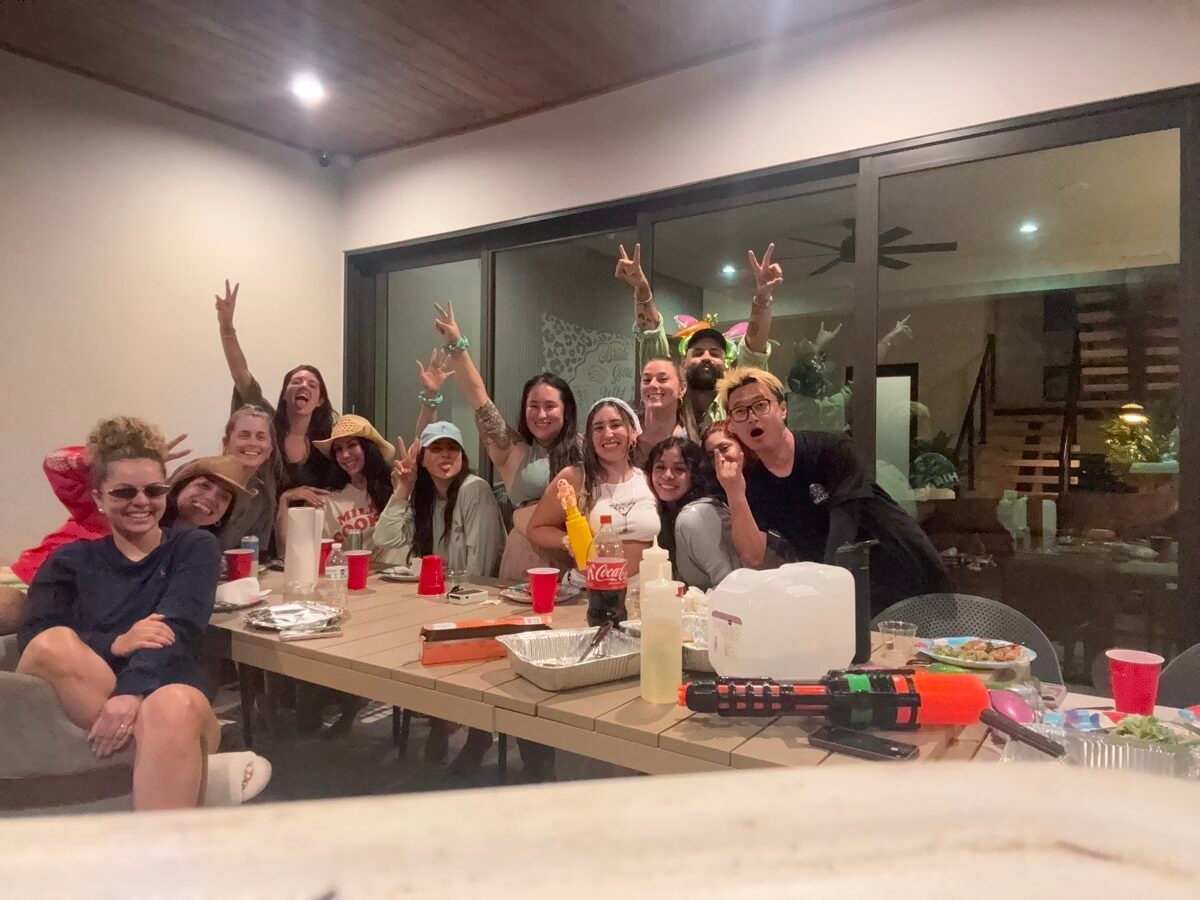
When the Chef Is Absolutely Enough
Extra staff is helpful, but it is not necessary for every event.
A chef-only private hibachi experience is often the better choice when you want the celebration to remain casual, immersive, and centered around the grill.
Choose the chef-only model if your party looks like this:
– A birthday group seated together around one hibachi station
– A family reunion with simple drinks and a relaxed outdoor setup
– A graduation celebration with a self-serve dessert table
– A vacation dinner where guests are happy to help themselves
– A small holiday gathering with one main meal period
– A friends’ gathering where the hibachi show is the entertainment
The chef’s interactive cooking style naturally gives the event structure. Guests arrive, socialize, gather around the grill, enjoy the show, eat together, and continue the celebration.
For this kind of event, adding waitstaff may not improve the experience enough to justify the additional cost. In some cases, it can even make a casual backyard party feel more formal than intended.
The goal is not maximum staffing. The goal is appropriate staffing.
A Practical Staffing Checklist for Hosts
Before you decide, answer these questions honestly.
Event Format
1. Will all guests eat at the same time?
2. Is hibachi the only meal service, or are there multiple courses?
3. Will guests be seated in one area or spread across the property?
4. Is the event casual, upscale, or business-focused?
5. Will children, elderly relatives, or guests with mobility needs need additional support?
Drinks and Hospitality
6. Are you offering self-serve beverages or hosted drink service?
7. Are cocktails, wine pours, or champagne service part of the plan?
8. Will there be glassware, rentals, or specialty drink stations?
9. Do you need someone to replenish ice, water, napkins, and supplies?
Host Experience
10. Do you want to manage cleanup during the party?
11. Will you be greeting late arrivals or coordinating vendors?
12. Are you comfortable handling dessert, cake, gifts, and party flow?
13. Do you want to sit with guests for the entire hibachi experience?
If you answered “yes” to several hospitality and host-workload questions, waitstaff is likely worth considering.
Expert Planning Insight: Match Staff to Complexity
From an event operations perspective, the biggest mistake is treating staff as a simple headcount calculation.
A better formula is:
Service Need=Guest Count+Service Style+Venue Complexity+Beverage Demand+Host Availability
A 30-person party may be easy if it is one casual seating with canned drinks and disposable serviceware. A 20-person event may require more support if it includes cocktails, formal rentals, several courses, children, multiple spaces, and a host who wants to be fully present.
Here is a realistic example.
Scenario A: Chef-Only Birthday Party
– 14 adults
– One backyard hibachi setup
– Beer, wine, water, and soda in coolers
– Disposable plates and cups
– Birthday cake served after dinner
– One seating time
– Casual dress code
This event can run very well with a chef-only hibachi service. The host only needs to prepare beverages, seating, basic supplies, and dessert.
Scenario B: Hibachi Chef Plus Waitstaff
– 32 guests
– Poolside welcome drinks
– Passed appetizers before dinner
– Hibachi meal served in two groups
– Wine, cocktails, and mocktails
– Rental glassware and formal outdoor tables
– Birthday cake and dessert station
– Indoor lounge open after dinner
This event has several service points. Waitstaff can manage beverage flow, clearing, guest direction, dessert timing, and general upkeep while the chef remains focused on cooking and entertaining.
The second event does not need waitstaff because the chef is less capable. It needs waitstaff because the event itself is more complex.
How to Build the Right Hibachi Service Plan
A smooth mobile hibachi event starts with clear information.
When booking your private hibachi chef experience, share these details early:
– Event date and preferred service time
– Full event address or ZIP code
– Estimated guest count
– Occasion type
– Outdoor, indoor, or mixed venue format
– Number of dining areas
– Food preferences and dietary needs
– Beverage plans
– Whether you plan to offer appetizers or dessert
– Whether tables, chairs, linens, or additional party rentals are needed
– Whether you would like additional service support
Mobile hibachi providers commonly ask for location, date, guest count, menu selections, allergies, and equipment needs before confirming a party. This planning step helps the team determine the best service format for the location and occasion.
Early planning prevents last-minute compromises. It also makes it easier to decide whether a chef-only setup will feel effortless or whether an extra set of professional hands will make the celebration better.
Create a Hibachi Event Guests Will Remember
The best private hibachi parties feel easy to guests because the planning behind them is thoughtful.
For an intimate birthday, family dinner, or casual backyard celebration, a talented mobile hibachi chef may be all you need. The grill becomes the stage, dinner becomes entertainment, and everyone shares one lively experience.
For a larger, more formal, drink-focused, or multi-area event, hibachi service waitstaff can elevate the entire occasion. They help protect the flow of the night, reduce pressure on the host, and ensure that every guest receives attention beyond the grill.
Hibachi Sake Sake can help you choose the service level that fits your celebration. Whether you are planning a relaxed backyard hibachi party in Florida, a family gathering in Georgia, a graduation event in South Carolina, or an elegant private dinner in North Carolina, start with your guest experience and build the staffing plan around it.
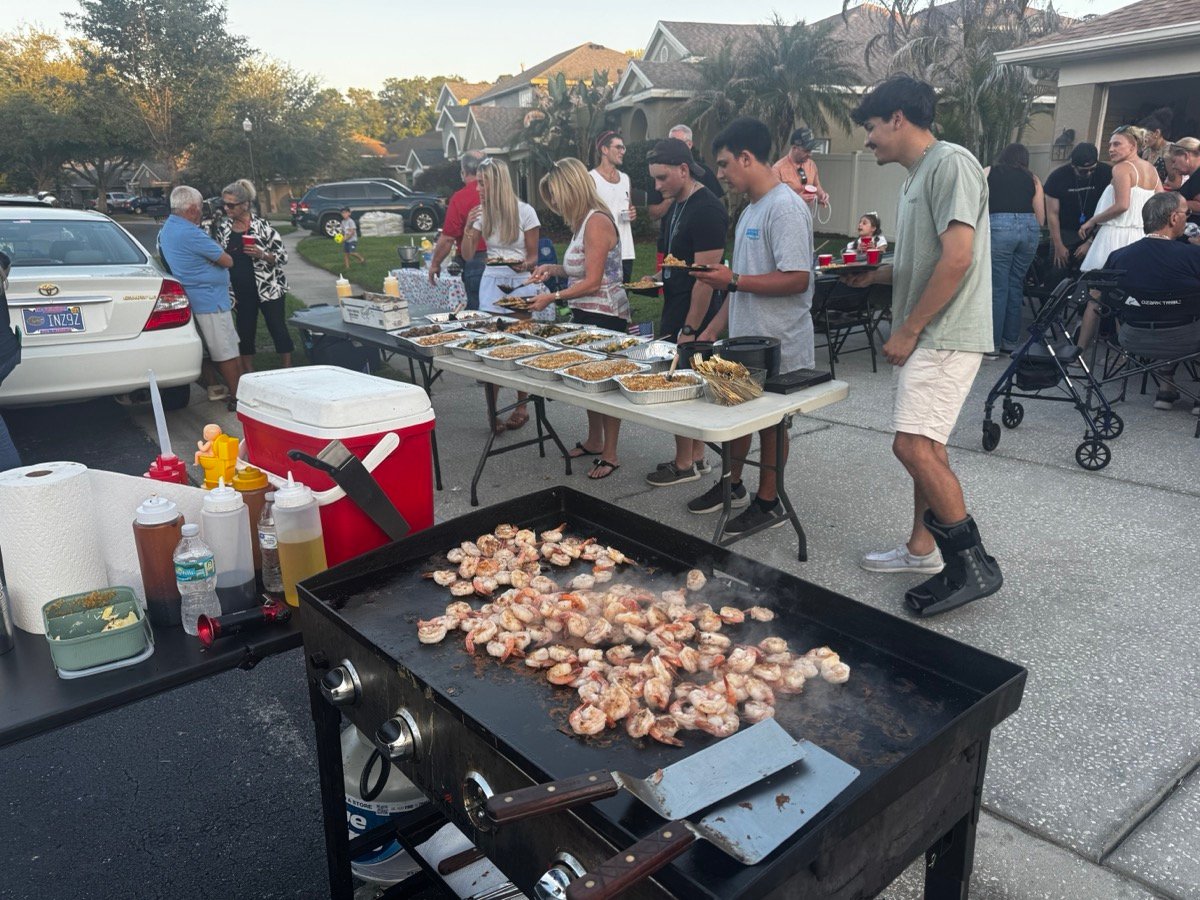
FAQ
Is a private hibachi chef enough for a birthday party?
Yes, for many birthday parties, a private hibachi chef is enough. This is especially true for smaller gatherings with one dining area, simple drinks, one meal period, and a relaxed backyard atmosphere. Consider waitstaff if you are adding cocktails, appetizers, dessert service, or a larger guest list.
How many guests can one hibachi chef serve?
The ideal number depends on the grill setup, menu, seating arrangement, service schedule, and whether guests dine in one or multiple groups. For larger parties, the meal may need to be organized into separate cooking rounds or supported with additional staff. Share your headcount early so the service plan can be designed appropriately.
What does hibachi service waitstaff do?
Hibachi service waitstaff can greet guests, serve or replenish beverages, clear plates, reset tables, assist with appetizers and desserts, manage supplies, support a bar area, and help maintain a polished event flow while the chef focuses on cooking and entertainment.
Do I need a bartender for a hibachi party?
Not always. A self-serve beer, wine, soda, and water station may be enough for a casual gathering. Consider a bartender when cocktails, champagne, specialty drinks, rental glassware, or a larger number of guests are part of the event.
Is waitstaff necessary for a backyard hibachi party?
Waitstaff is not necessary for every backyard hibachi party. It becomes more helpful when the event has more guests, multiple outdoor areas, a pool, formal décor, a drink program, several food stations, or a host who does not want to manage cleanup and service details.
Can waitstaff help with a corporate hibachi event?
Yes. For corporate hibachi events, waitstaff can support guest arrival, beverages, clearing, timing, and service standards. This is especially useful for client appreciation dinners, team celebrations, executive gatherings, and events with formal hospitality expectations.
Should I add waitstaff for a luxury private dinner?
In most cases, yes. A luxury private dinner often includes formal table settings, wine or cocktail service, multiple courses, high expectations for presentation, and a host who wants to be fully available to guests. Waitstaff helps deliver that elevated experience.
References
– U.S. Bureau of Labor Statistics. “[Waiters and Waitresses: Occupational Outlook Handbook].”
– O*NET OnLine. “[Waiters and Waitresses, 35-3031.00].”
– Breakroom. “[Event Catering Staff Planning Guide: Ratios and Budgets].”
– On the Fly Tapsters. “[Essential Staffing Guide for Catering Events].”
– Serve & Savour. “[Event Staffing Ratio Guide: Servers, Bartenders and Chefs].”
– Mobile Hibachi 4U. “[Hibachi Catering in Florida].”
Hot Tags: Mobile Hibachi Catering, Private Hibachi Chef, Hibachi Service Waitstaff, Hibachi Catering Services, Corporate Hibachi Catering, Backyard Hibachi Party, At-Home Hibachi Catering, Private Chef Catering, Outdoor Event Catering, Hibachi Party Catering