

+929-994-0853
hibachisakesake@gmail.com
Call: 929-994-0853

Healthy Hibachi at Home: A Private Chef’s Guide to Eating Well in Florida, Georgia, South Carolina, and North Carolina

Facebook
LinkedIn
X
Skype
WhatsApp

Content Menu

Understanding Hibachi as a Health‑Friendly Party Concept

Choosing Lean, High‑Protein Hibachi Options

Balancing Rice, Noodles and Vegetables

Managing Sauces, Oil and Seasoning

Why Mobile Hibachi Often Feels Lighter Than Traditional Buffets

A Practical Host Checklist for Health‑Conscious Hibachi Parties

Aligning the Menu With Different Event Goals

How Guests Can Personalize Their Plates

Regional Considerations Across Florida, Georgia, South Carolina and North Carolina

Example of a Balanced Backyard Hibachi Menu

Frequently Asked Questions

References

Booking a backyard hibachi party does not have to conflict with your health goals. With a private mobile hibachi chef and thoughtful planning, the experience can become one of the most balanced, protein‑rich and vegetable‑forward meals of your entire celebration.

As a brand dedicated to private and mobile hibachi across Florida, Georgia, South Carolina and North Carolina, Hibachi Sake Sake has seen how small decisions around protein, rice, sauces and sides dramatically change the way guests feel after an event. This article combines on‑site experience and guest feedback into a practical guide for anyone who wants an exciting hibachi show and a meal that still feels light, satisfying and aligned with everyday wellness.

Private Hibachi Catering Services

Understanding Hibachi as a Health‑Friendly Party Concept

Hibachi is often associated with large portions and buttery fried rice, but the heart of the experience is fresh ingredients seared quickly on a flat‑top grill. In a private setting, food is cooked to order right in front of guests, which makes real‑time customization possible and keeps textures crisp and flavors bright.

Instead of pre‑made dishes sitting in warming trays, a mobile hibachi chef plates each serving individually. This service style supports portion control, flexible ingredient combinations and easy adjustments for different preferences. Lean proteins, vegetables, rice and noodles form the core building blocks, allowing both higher‑protein and more balanced plates to coexist comfortably at the same party.

When hibachi is treated as a live, interactive kitchen rather than a fixed restaurant menu, it becomes a platform for smarter choices and mindful eating. Guests can see exactly what goes onto the grill and can ask for adjustments without breaking the flow of the show.

Choosing Lean, High‑Protein Hibachi Options

Protein selection is the foundation of a health‑conscious hibachi meal. In private events, guests who care about staying energized and comfortable tend to build their plates around lean, grilled options instead of heavier, breaded or deep‑fried preparations.

Popular choices for lighter yet satisfying hibachi include:

Chicken – A familiar, versatile source of high‑quality protein.

Shrimp – Naturally low in calories with a strong protein content.

Salmon – Provides rich flavor along with beneficial omega‑3 fats.

Tofu – A flexible plant‑based option that absorbs marinades well.

These proteins perform well on the grill, develop a pleasant sear and pair easily with mixed vegetables and modest portions of rice or noodles. Steak can still have a place in the menu; the difference lies in portion size and what shares the plate with it. A moderate portion of steak alongside generous vegetables and a smaller scoop of rice feels very different from a towering stack of meat over a full bed of fried rice.

For events such as birthdays, family gatherings, graduations or corporate dinners, offering at least one lean protein option and one richer choice gives guests freedom. Some guests may prioritize high‑protein combinations, while others focus more on flavor variety, and hibachi accommodates both groups comfortably.

Balancing Rice, Noodles and Vegetables

Rice and noodles play a central role in how heavy or light a hibachi meal feels. Traditional fried rice offers a comforting mix of rice, egg, vegetables and seasoning, but cooking it with butter and oil naturally raises its energy density. There is no need to eliminate it; strategic portioning is usually enough.

Several practical plate strategies help maintain balance:

Half rice, double vegetables – Keep the enjoyment of fried rice while increasing fiber, vitamins and minerals.

Extra protein and fewer starches – Favor satiety and stable energy by letting protein and vegetables carry the meal.

Vegetables first, starch second – Fill most of the plate with colorful produce before adding rice or noodles.

Mixed vegetables such as broccoli, carrots, zucchini, onions and mushrooms respond beautifully to high‑heat grilling. They gain a light char, develop sweetness and bring color and texture to every plate. Adding a simple green salad or edamame at the start of the meal can also help guests feel satisfied earlier, naturally moderating overall intake.

Managing Sauces, Oil and Seasoning

The biggest hidden contributors to heaviness at hibachi events are often sauces and fats rather than the core ingredients themselves. Garlic butter, sweet glazes and creamy dressings add richness and showmanship, but their portion sizes matter.

A few small adjustments can significantly change how guests feel after the event:

Limit butter on individual portions and use high‑heat oils sparingly.

Favor soy‑based, ginger‑garlic or citrus‑style sauces over sugar‑heavy options.

Ask for sauces to be served on the side so guests can drizzle lightly.

Use aromatics such as garlic, onion and herbs to create flavor without relying on excessive salt.

Because the cooking is fully visible, guests can easily ask for lighter seasoning on their plates. A simple comment like “less butter on mine, please” or “light sauce” is easy to accommodate. These micro‑adjustments retain the enjoyment of hibachi while reducing the sluggish feeling that sometimes follows very rich meals.

Why Mobile Hibachi Often Feels Lighter Than Traditional Buffets

Many party and corporate events rely on buffets filled with fried appetizers, cream‑based dishes and pastas. These setups often encourage repeat trips and large portions, and guests rarely see how much oil, salt or sugar went into each pan.

Mobile hibachi differs in several key ways:

Food is cooked and served immediately, maintaining freshness.

Plates are built one at a time, naturally discouraging excessive piling.

Ingredients are simple, recognizable and visible at every step.

Customization happens in direct conversation between guests and the chef.

These differences matter for anyone trying to host enjoyable events that still respect daily health routines. Instead of rigid pre‑portioned entrees, mobile hibachi functions as a live, customizable station with built‑in entertainment. The show slows down the pace of eating, and the visibility of the cooking process encourages more intentional choices.

A Practical Host Checklist for Health‑Conscious Hibachi Parties

Event structure and environment play a subtle but important role in how guests eat. As a mobile hibachi brand serving multiple states, Hibachi Sake Sake has observed that prepared hosts create smoother, more comfortable experiences and better outcomes for guests.

A straightforward host checklist for a balanced hibachi party might include:

Confirm a stable, non‑flammable surface for the grill, such as paving or level decking.

Ensure a clear pathway for equipment and the chef’s movement.

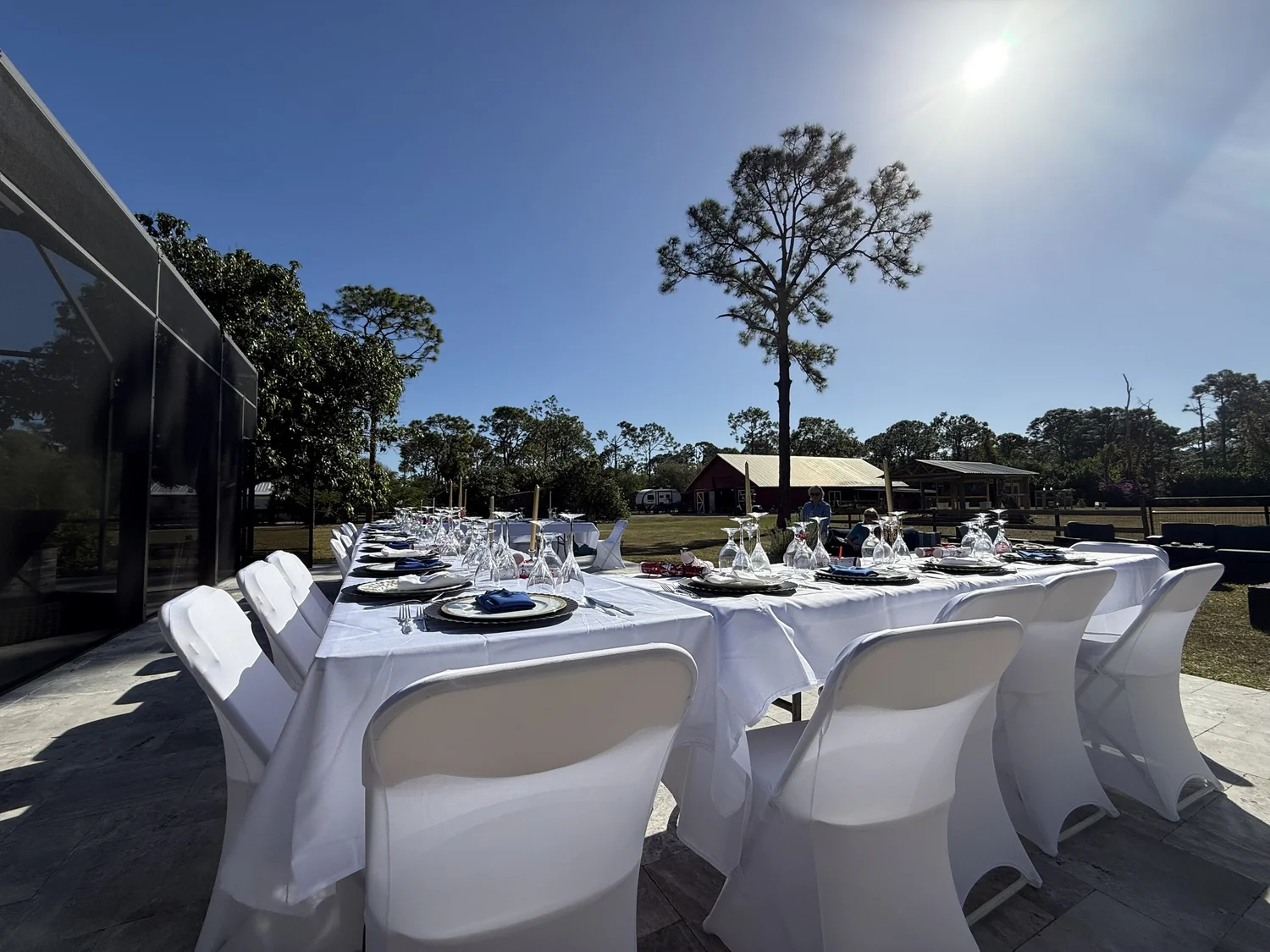
Plan shade or lighting to keep guests comfortable in changing weather and daylight.

Provide a hydration area with water and unsweetened beverages.

Offer a few light starters so guests do not begin the main course overly hungry.

These steps support safety, comfort and a relaxed mood. When guests feel at ease, the atmosphere encourages slower eating, conversation and enjoyment of the show, all of which contribute to better recognition of fullness and more thoughtful food choices.

Aligning the Menu With Different Event Goals

Every gathering has its own character. Some events revolve around celebration and indulgence, while others emphasize energy, clarity and feeling good the next morning. Hibachi adapts naturally to these different intentions when hosts define the main goal early.

Common event goals and matching approaches include:

High‑energy celebrations – Offer varied proteins, standard fried rice and festive sauces, while still keeping vegetables abundant for balance.

Family‑friendly gatherings – Include kid‑friendly options such as mild chicken, simple noodles and plenty of vegetables, avoiding overly spicy seasonings.

Weight‑conscious parties – Highlight lean proteins like chicken, shrimp and tofu, smaller rice portions and double vegetables.

Corporate wellness events – Emphasize salmon and other lean proteins, salads, steamed or brown rice and lighter sauces to match wellness themes.

Thinking in terms of event goals rather than strict rules makes planning more flexible. Guests who want a richer meal still have room for it, while those focusing on lighter plates find clear paths to stay aligned with their routines.

How Guests Can Personalize Their Plates

One of the strengths of a private hibachi chef experience is the direct interaction between guests and the person cooking their food. This interaction is an opportunity to tailor each plate to individual needs without disrupting the flow of the show.

Guests often use simple personalization strategies such as:

Choosing one main protein instead of stacking several meats.

Requesting half portions of rice or noodles.

Asking for extra vegetables to occupy more of the plate.

Requesting less butter or lighter sauce on their serving.

Eating slowly and pausing to watch the performance between bites.

Hosts can support this behavior by letting guests know in advance that customization is welcome. When personalization is presented as part of the experience, guests feel comfortable voicing preferences instead of silently accepting a plate that does not fit their goals.

Regional Considerations Across Florida, Georgia, South Carolina and North Carolina

Serving multiple states means working with diverse climates, local habits and event formats. Each region shapes the hibachi experience in subtle ways, especially for outdoor and backyard events.

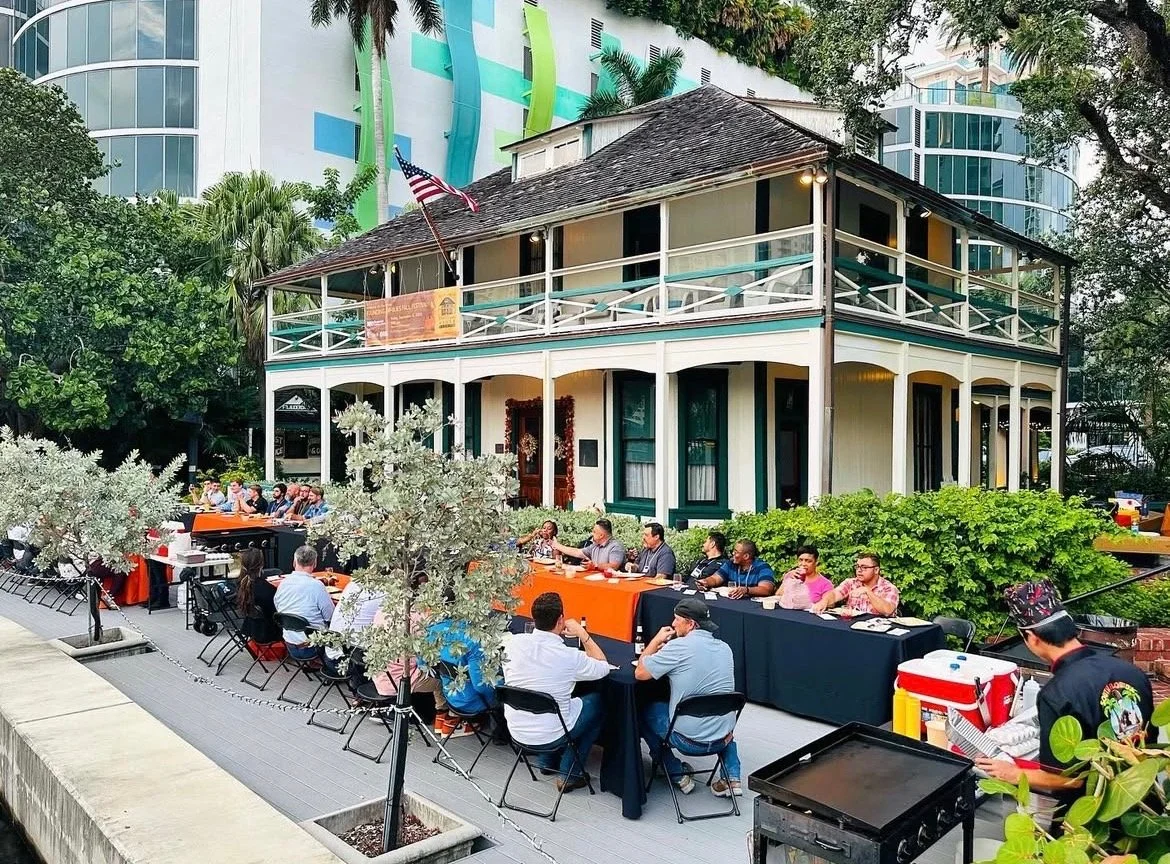
Florida gatherings often lean toward poolside or waterfront locations, where lighter menus, seafood‑forward options and refreshing side dishes fit the warm, humid conditions. Shade, cooling beverages and relaxed timing become important factors.

In Georgia, particularly metro areas, many guests balance celebration with active lifestyles. High‑protein, lower‑carb combinations and strong vegetable presence are popular, especially for evening events and weekend parties.

Across both Carolinas, hibachi shows frequently center around family events, multi‑generation gatherings and neighborhood parties. Flexible portioning, kid‑friendly choices and simple seasoning routines help keep everyone comfortable, from younger children to older relatives.

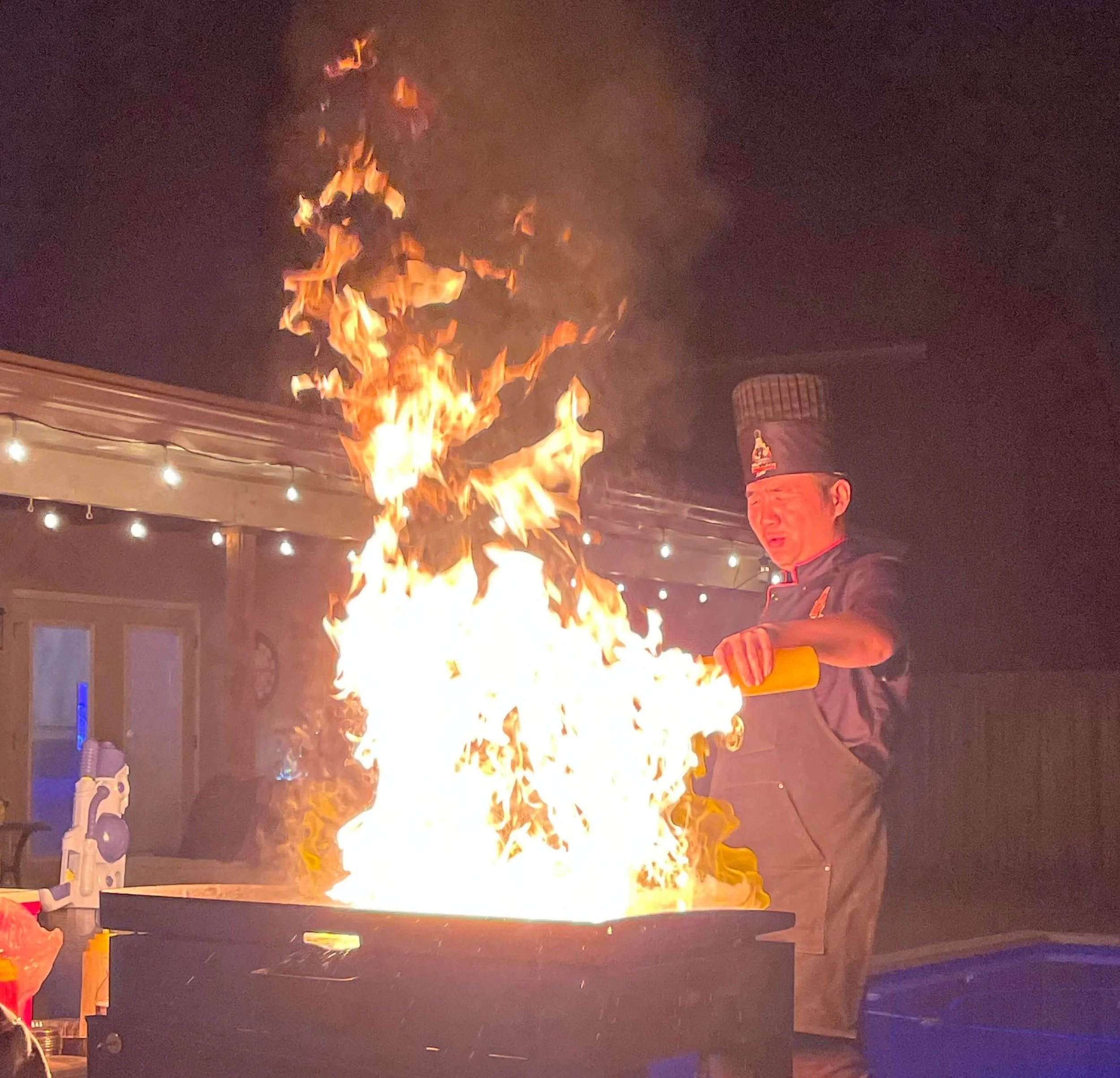
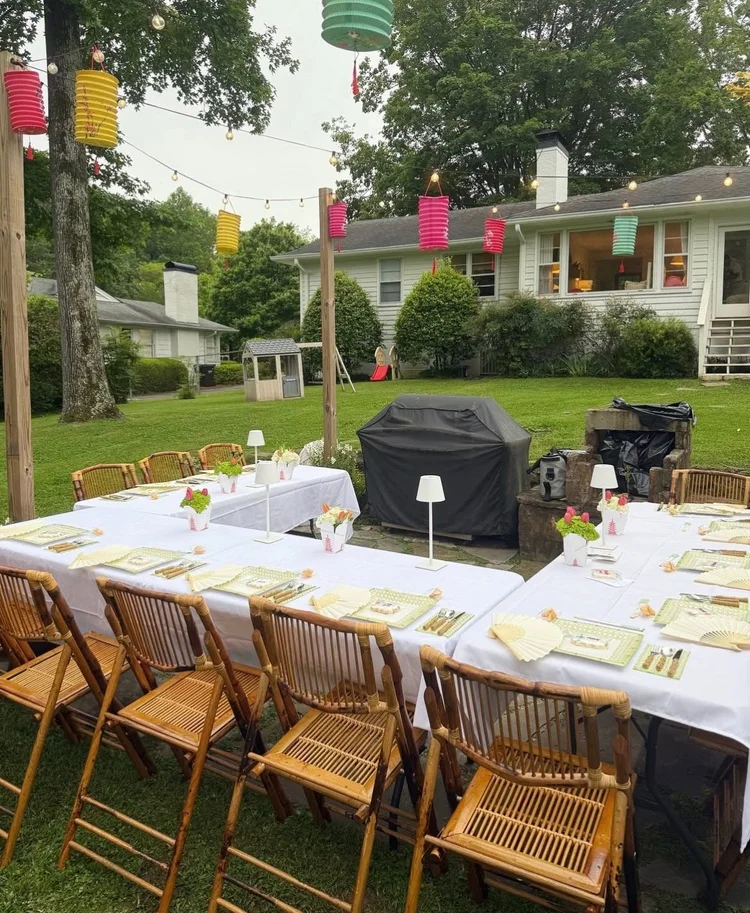
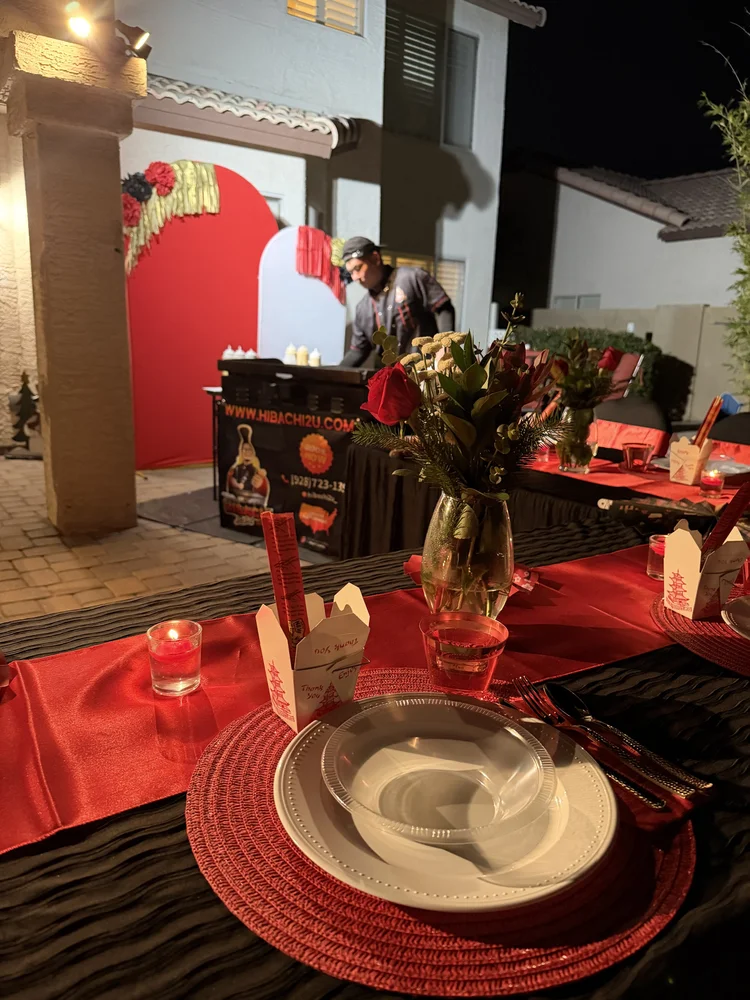
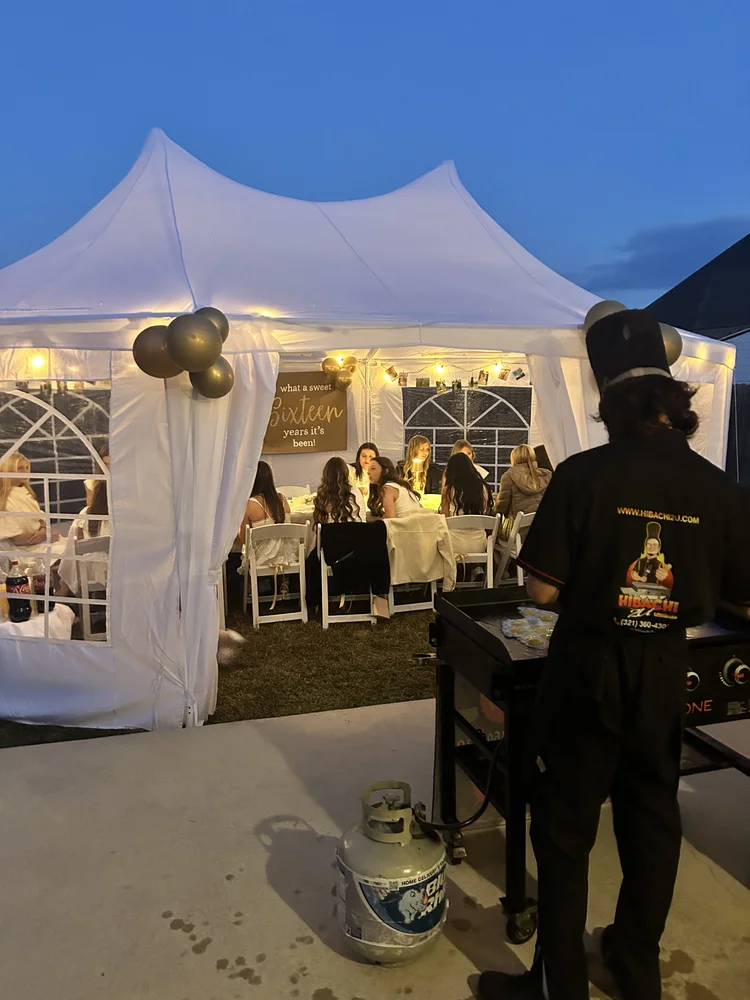
The common thread across all four states is the appeal of transforming a backyard or driveway into an open‑air grill theater. This format keeps guests close to home and in familiar surroundings while still offering a memorable culinary experience.

Example of a Balanced Backyard Hibachi Menu

To illustrate how these ideas come together in practice, imagine a fifteen‑guest birthday celebration hosted at home. The group wants a fun, showy hibachi experience and also wants to avoid feeling overly heavy afterward.

A sample menu design might look like this:

Proteins: Chicken, shrimp, salmon and tofu.

Base: Traditional fried rice, with optional half‑portion rice plus extra vegetables.

Vegetables: Seasonal mix of broccoli, carrots, zucchini, onions and mushrooms.

Sauces: Classic hibachi sauces plus one lighter soy‑citrus option.

Starters: Simple salad and edamame.

Guests seeking a lighter approach choose a single protein, limited rice, abundant vegetables and the lighter sauce. Guests more focused on indulgence enjoy full portions of fried rice, a combination of proteins and standard seasoning. The show remains cohesive, and everyone shares the same core flavors and entertainment while still tailoring plates to personal comfort levels.

Private Hibachi Catering

Frequently Asked Questions

Q1: Can hibachi at home work for people trying to manage their weight?

A1: Yes, especially when guests favor grilled lean proteins, generous vegetables, moderate rice portions and lighter use of butter and sauces.

Q2: What are good protein choices for a lighter hibachi meal?

A2: Chicken, shrimp, salmon and tofu are consistently strong options because they provide substantial protein with less heaviness than some fattier cuts.

Q3: How can I communicate my food preferences to the chef?

A3: A brief, clear request when the chef reaches your spot is enough, such as asking for less rice, more vegetables or reduced butter on your portion.

Q4: Is hibachi generally a better option than typical party buffets for feeling comfortable after the event?

A4: Many guests find it easier to feel comfortable afterward because hibachi meals are cooked to order, ingredients are visible and portions can be customized.

Q5: How should a host plan a hibachi menu that respects different dietary needs?

A5: Provide at least one lean protein, keep vegetables plentiful, offer flexible rice portions and include at least one lighter sauce so every guest can build a plate that suits personal preferences.

References

1. Hibachi With Us Blog – “How to Eat Healthy When Booking Hibachi at Home in Atlanta” https://www.hibachiwithus.com/blog/how-to-eat-healthy-when-booking-hibachi-at-home-in-atlanta

2. ATL Hibachi Blog – “Can You Eat Hibachi and Still Lose Weight?” https://www.atlhibachi.com/blog/can-you-eat-hibachi-and-still-lose-weight.html

3. Hibachi Sake Sake – “Hibachi at Home in Florida, Georgia, South Carolina, and North Carolina” https://hibachisakesake.com/hibachi-at-home-in-florida-georgia-south-carolina-and-north-carolina-your-ultimate-backyard-hibachi

4. Cookeryaki – “Hibachi Grill | Healthy Eating At Hibachi Restaurants” https://www.cookeryaki.com/news/Hibachi-Grill-Healthy-Eating-At-Hibachi-Restaurants.html

5. Wellness Alibaba – “Hibachi Meal Prep Guide: How to Make It Healthy” https://wellness.alibaba.com/nutrition/hibachi-meal-prep-healthy-choices-guide

6. Health eCooks – “Is Hibachi Healthy? Nutrition Facts and Calorie Info” https://healthecooks.com/blog/is-hibachi-healthy

Hot Tags: Mobile Hibachi Catering, Private Hibachi Chef, Backyard Hibachi Parties, Healthy Hibachi Menu, Corporate Hibachi Events, B2B Event Catering, Hibachi Catering Florida, Hibachi Catering Georgia, Hibachi Catering Carolinas, Wellness Friendly Catering

Table of Contents