Content Menu
● Understanding the Hibachi vs. Teppanyaki Distinction
● The Birth of Teppanyaki: Misono and Post-War Innovation
>> Why Teppanyaki Started with Western Food
● Rocky Aoki’s American Dream: The Benihana Revolution
>> From Ice Cream Truck to Restaurant Empire
>> The Birth of “Eatertainment”
● Why American Hibachi Culture Exploded in Popularity
>> Perfect Timing in American Cultural History
>> The Social Experience Factor
>> Transparency and Freshness Appeal
>> The Novelty of Skilled Performance
● The Modern Hibachi Landscape: A $22 Billion Industry
>> Beyond Traditional Restaurant Settings
>> The At-Home Hibachi Advantage
● Cultural Fusion and Lasting Legacy
>> Authenticity vs. Adaptation Debates
>> The Next Generation of Hibachi Innovation
● Bringing the Hibachi Experience Home
● Frequently Asked Questions About Hibachi Culture
When you think of hibachi dining in America, you probably imagine a skilled chef flipping shrimp tails into guests’ mouths, creating fiery onion volcanoes, and transforming dinner into an unforgettable show. This theatrical culinary experience has become the go-to choice for birthday celebrations, corporate events, and family gatherings across the United States. But the fascinating journey of how American hibachi culture evolved from post-war Japan to become a multi-billion-dollar industry is a story of cultural adaptation, entrepreneurial vision, and the universal appeal of “eatertainment.” [toprankmarketing]
Understanding the Hibachi vs. Teppanyaki Distinction
Before diving into the history, let’s clarify a common misconception that confuses even seasoned diners. In traditional Japanese culture, a hibachi (火鉢, meaning “fire bowl”) refers to a small, cylindrical heating device—typically made of ceramic or wood—filled with burning charcoal. These portable braziers were originally used for heating rooms during cold winters, not for cooking elaborate meals. [misono]
What Americans have come to know and love as “hibachi dining” is actually teppanyaki (鉄板焼き, meaning “grilling on an iron plate”). This style features a large, flat steel griddle where chefs prepare food directly in front of guests. The terminology shift happened as teppanyaki restaurants entered the U.S. market, where “hibachi” became the colloquial term despite its technical inaccuracy. [desygner]
Understanding this distinction matters because it reveals how American culture doesn’t just adopt foreign cuisines—it transforms them into something uniquely its own.
The Birth of Teppanyaki: Misono and Post-War Innovation
The teppanyaki restaurant concept originated in 1945 in Kobe, Japan, when the Misono restaurant chain opened the world’s first teppanyaki establishment. Founded immediately after World War II amid the burnt-out ruins of the city, Misono introduced a revolutionary idea: cooking Western-style food, particularly steak, on a large iron griddle in front of diners. [ichibankobe]
Why Teppanyaki Started with Western Food
This focus on Western cuisine wasn’t accidental. In post-war Japan, beef consumption was still uncommon in traditional Japanese diets. By featuring steaks and Western-influenced dishes, Misono strategically positioned itself to appeal to American GIs and foreign visitors stationed in Japan during the occupation period. Ironically, this Japanese innovation initially found more favor with Westerners than with local Japanese diners who preferred traditional dining experiences. [kobejones.com]
The Misono model established several foundational elements that would later define the American hibachi experience:
– Open-kitchen cooking where diners could watch their meals being prepared
– Premium protein offerings including steak, chicken, and seafood
– Tableside service creating an intimate connection between chef and guest
– Fresh ingredient preparation emphasizing quality and customization
Rocky Aoki’s American Dream: The Benihana Revolution
While Misono planted the seeds, it was Hiroaki “Rocky” Aoki who transformed teppanyaki into an American cultural phenomenon. In 1964, the 25-year-old Japanese wrestler and Olympic hopeful opened the first Benihana restaurant on West 56th Street in New York City. [youtube]
From Ice Cream Truck to Restaurant Empire
Aoki’s journey exemplifies the classic American Dream narrative. After arriving in the U.S. in 1960 with only $400 in his pocket, he worked various jobs to fund his entrepreneurial vision. During one summer, Aoki rented a Mr. Softee ice cream truck and drove to Harlem, where he earned $10,000 in just three months selling ice cream at five cents apiece. This seed money, combined with a loan, allowed him to open his first restaurant. [fai]
The early days weren’t easy. The restaurant initially struggled with few customers, and Aoki’s family—including his mother Katsu and brothers—came from Japan to help keep the business afloat. His mother worked at another Japanese restaurant to generate income while the family lived in a tiny studio apartment. [fai]
The Birth of “Eatertainment”
The turning point came from an unexpected source. Aoki’s father, Yunosuke Aoki, was a popular entertainer in Japan who had previously run a coffee shop in Tokyo (which inspired the “Benihana” name, meaning “red flower”). During a visit to the struggling restaurant, Yunosuke suggested that Rocky provide customers with a performance while they dine. [benihana]
This single piece of advice revolutionized the American dining landscape. Aoki transformed teppanyaki from a cooking method into a theatrical experience:
– Chef-performers were trained in juggling utensils, creating flaming displays, and engaging guests with humor
– The onion volcano became an iconic signature trick that generations of diners would anticipate
– Shrimp tosses turned dining into an interactive game where guests caught food in their mouths
– Communal seating at large teppanyaki tables fostered a festive, social atmosphere perfect for celebrations
By 1972, just eight years after the first location opened, there were six Benihana restaurants across the United States. The success was unprecedented, proving that Americans craved not just exotic cuisine but memorable dining experiences that combined food with entertainment. [benihana]
Why American Hibachi Culture Exploded in Popularity
The rapid expansion of hibachi-style restaurants throughout the 1960s and 70s wasn’t mere luck—it tapped into several powerful cultural trends and consumer desires. [quickwayhibachi]
Perfect Timing in American Cultural History
The mid-20th century marked a period of increasing American openness to international cuisines. As post-war prosperity grew and Americans traveled more widely, interest in “exotic” dining experiences increased. Hibachi restaurants offered a gateway to Japanese culture that felt adventurous yet accessible—the menu featured familiar proteins like steak and chicken, reducing the intimidation factor for diners unfamiliar with traditional Japanese cuisine. [hibachiwithus]
The Social Experience Factor
Unlike traditional restaurants where diners focus primarily on their own table, hibachi dining created communal experiences that were inherently celebratory. The shared tables meant strangers might sit together, fostering unexpected social interactions. For families celebrating birthdays, graduation parties, or anniversaries, the built-in entertainment eliminated the pressure to create conversation while providing natural moments of shared joy and laughter. [desygner]
Transparency and Freshness Appeal
In an era when Americans were becoming more health-conscious and interested in food preparation methods, hibachi offered complete transparency—diners watched every ingredient added to their meals. This visibility provided reassurance about freshness and quality while allowing for easy customization based on dietary preferences or allergies. [desygner]
The Novelty of Skilled Performance
The chef’s theatrical knife skills, precise timing, and showmanship elevated cooking into an art form. Watching a trained chef manipulate ingredients with speed and flair created a sense of wonder that kept diners engaged throughout the meal. The performance transformed what could be a routine dinner into an event worth remembering and repeating. [toprankmarketing]
The Modern Hibachi Landscape: A $22 Billion Industry
Today, the Japanese restaurant industry in the United States generates approximately $22 billion in annual revenue, with hibachi-style dining comprising a substantial portion of that market. The number of Japanese restaurants across the U.S. has increased by nearly 3% annually over the past five years, reflecting sustained consumer demand. [hibachiwithus]
Beyond Traditional Restaurant Settings
While chains like Benihana continue operating more than 80 locations across the United States, Caribbean, and Central and South America, the hibachi concept has evolved beyond traditional restaurant boundaries. One of the most significant recent trends is the emergence of private hibachi catering services that bring the full teppanyaki experience directly to customers’ homes and event venues. [benihana]
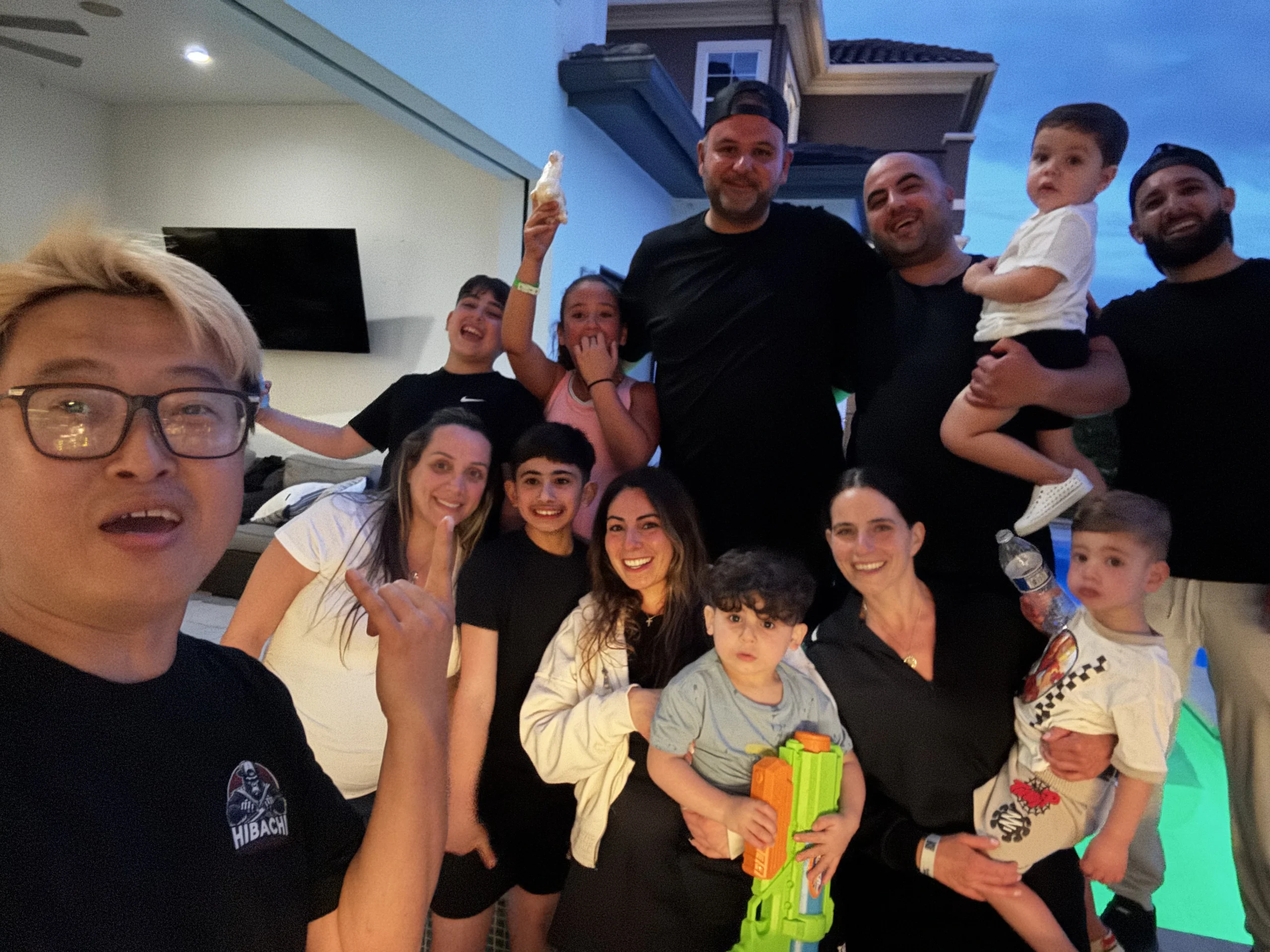
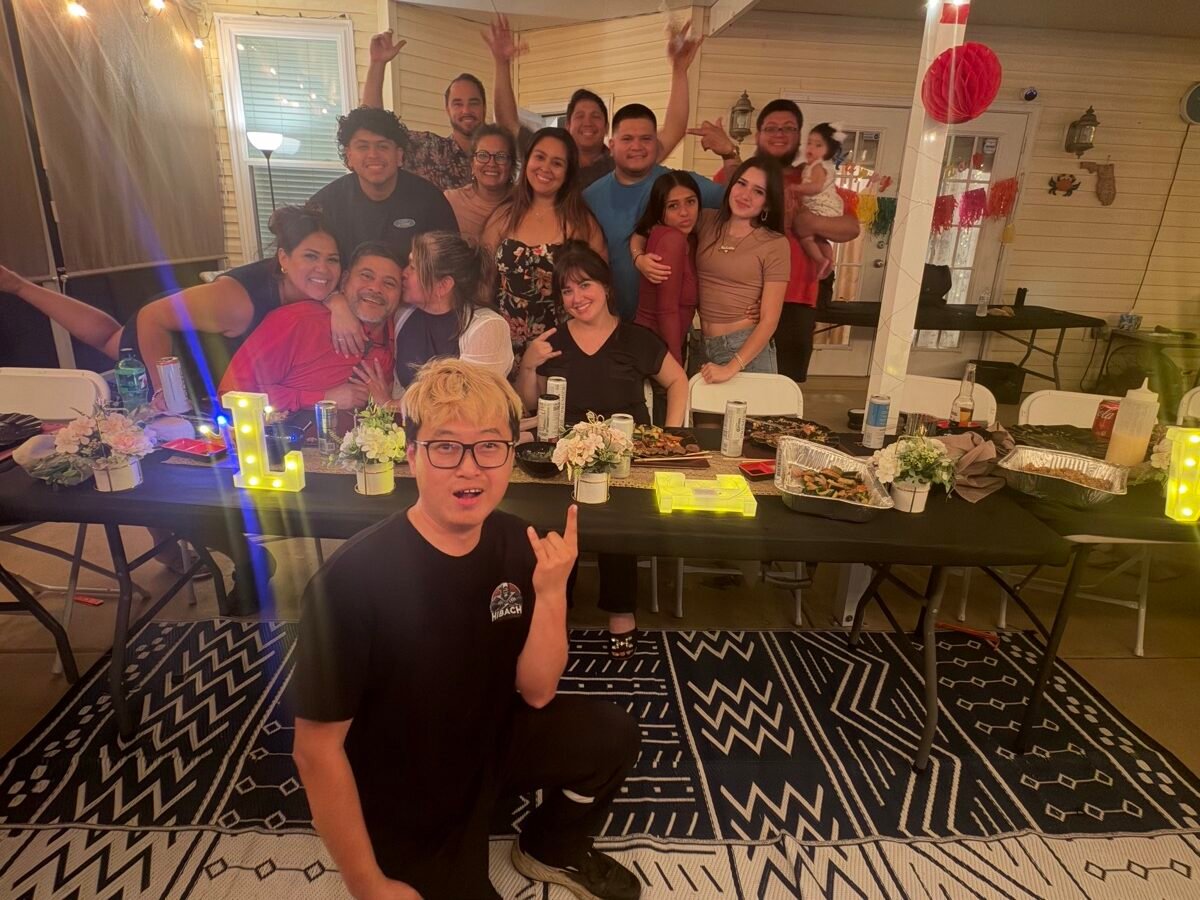
Companies like Hibachi Sake Sake represent this evolution, offering mobile hibachi services across Florida, Georgia, South Carolina, and North Carolina. This model addresses several modern consumer preferences:
– Convenience and privacy for intimate family celebrations or corporate events
– Customizable menus tailored to specific dietary needs and cultural preferences
– Personalized chef attention without the distractions of a busy restaurant environment
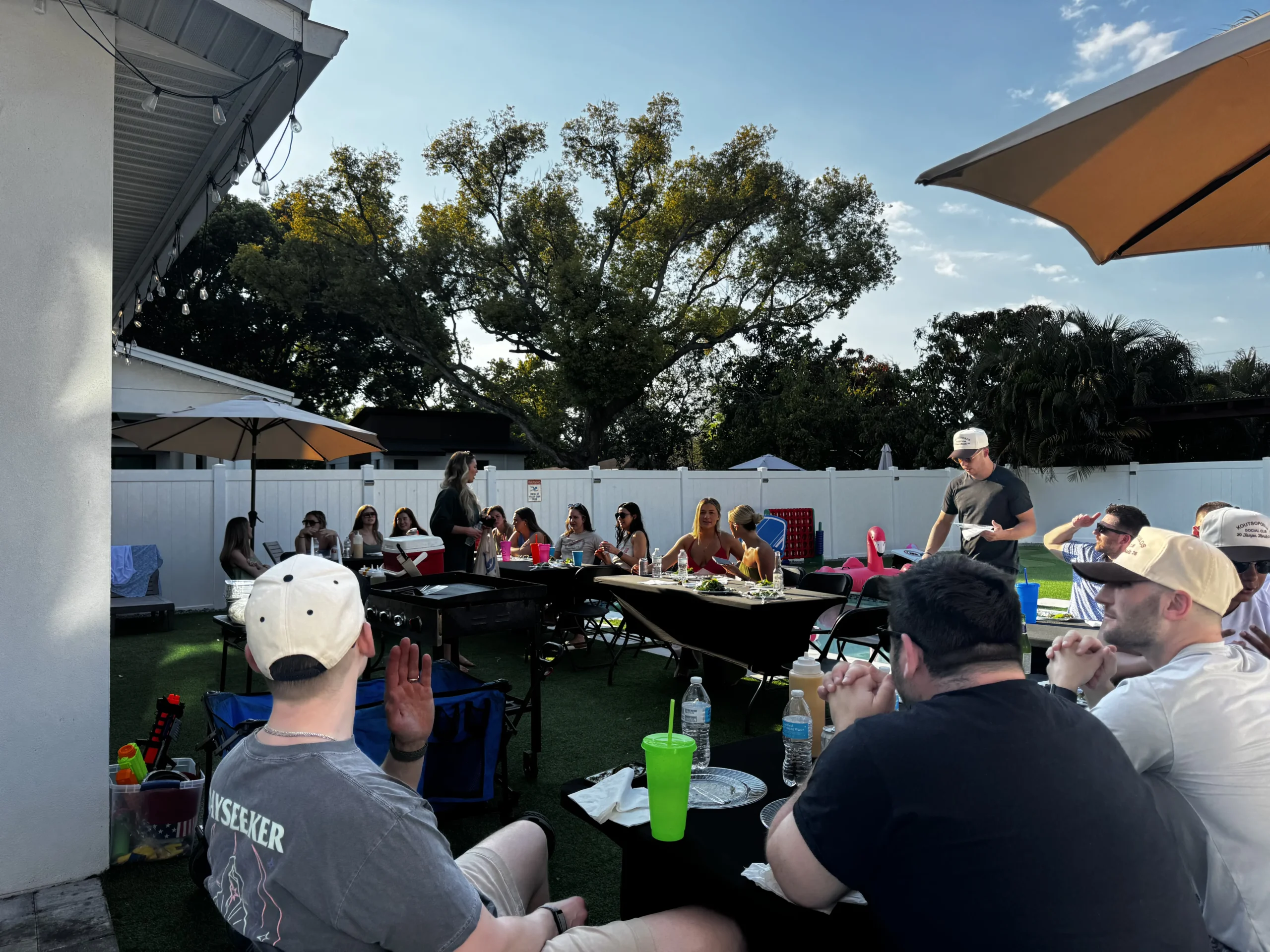
– Outdoor and backyard party options that create unique dining experiences in familiar settings
– Luxury private dining that elevates special occasions like milestone birthdays, graduations, and anniversaries
The At-Home Hibachi Advantage
Booking a private hibachi chef for home events offers distinct benefits over traditional restaurant dining. Guests can enjoy the same theatrical cooking and entertainment in more comfortable, controlled settings. For parents hosting children’s birthday parties, the backyard hibachi experience eliminates travel logistics while providing supervised entertainment. Corporate events benefit from the team-building aspects of communal dining without the noise and distractions of public restaurants.
Services like Hibachi Sake Sake also allow hosts to combine the hibachi experience with other party elements—custom decorations, specific music playlists, or themed celebrations—creating truly personalized events that restaurant settings can’t match.
Cultural Fusion and Lasting Legacy
The story of American hibachi culture exemplifies successful cultural fusion—the process through which elements from one culture are adopted, adapted, and transformed by another. What began as Misono’s innovative approach to serving Western food in post-war Japan became Rocky Aoki’s “eatertainment” empire in America, and has now evolved into a diverse ecosystem of dining experiences ranging from chain restaurants to luxury mobile catering. [desygner]
Authenticity vs. Adaptation Debates
Some culinary purists argue that American hibachi has strayed too far from authentic Japanese cuisine, emphasizing spectacle over culinary substance. However, this criticism misses a crucial point: American hibachi never claimed to replicate traditional Japanese dining. Instead, it created something new—a hybrid experience that celebrates Japanese cooking techniques while embracing American preferences for entertainment, large portions, and social dining. [iodigital]
This cultural adaptation has introduced millions of Americans to Japanese flavors, ingredients, and cooking methods they might never have encountered otherwise. For many families, hibachi restaurants provided their first exposure to teriyaki sauce, fried rice prepared with Japanese techniques, and the theatrical precision of Japanese knife skills.
The Next Generation of Hibachi Innovation
As consumer preferences continue evolving toward experiential dining and personalized service, hibachi culture adapts accordingly. Mobile hibachi services respond to the growing desire for Instagram-worthy experiences that can be customized and controlled. The COVID-19 pandemic accelerated this trend, as families sought safe entertainment options that didn’t require crowded indoor dining.
Looking forward, the hibachi concept’s core appeal—the combination of quality food preparation with live entertainment and social engagement—remains as relevant as when Rocky Aoki first opened Benihana’s doors in 1964. Whether experienced in a bustling restaurant or at an intimate backyard celebration in Florida, Georgia, South Carolina, or North Carolina, the magic of watching skilled chefs transform fresh ingredients into delicious meals through theatrical performance continues to captivate American diners.
Bringing the Hibachi Experience Home
The democratization of the hibachi experience through mobile catering services like Hibachi Sake Sake represents the latest chapter in this ongoing cultural story. No longer limited to special restaurant outings, families across the Southeast can now enjoy professional teppanyaki cooking at birthday parties, graduation celebrations, holiday gatherings, and corporate team-building events.
This accessibility preserves the core elements that made hibachi dining special—the skilled chef performance, fresh ingredient preparation, communal dining atmosphere, and celebratory energy—while adding the convenience and personalization of home-based events. It’s a fitting evolution for a dining tradition that has always been about bringing people together around great food and memorable experiences.
For those seeking to create unforgettable celebrations with the authentic hibachi experience, professional mobile services offer the perfect solution, delivering restaurant-quality entertainment and cuisine directly to your backyard or chosen venue throughout Florida, Georgia, South Carolina, and North Carolina.
Frequently Asked Questions About Hibachi Culture
Q1: What is the actual difference between hibachi and teppanyaki cooking?
Traditional hibachi refers to a small Japanese heating device used for warming rooms, while teppanyaki is the cooking style using a large flat iron griddle. In America, “hibachi” has become the common term for what is technically teppanyaki-style cooking, where chefs prepare meals on steel griddles in front of diners. [misono]
Q2: Who invented the teppanyaki restaurant concept?
The Misono restaurant chain in Kobe, Japan, established the first teppanyaki restaurant in 1945, introducing the concept of cooking Western-style food on large iron griddles in front of guests. However, Rocky Aoki popularized and transformed it into the theatrical “eatertainment” experience Americans know today when he opened Benihana in New York in 1964. [misono]
Q3: Why did hibachi dining become so popular in the United States?
Hibachi dining succeeded in America due to its combination of novelty, entertainment value, social atmosphere, and accessible menu featuring familiar proteins. The live cooking performance created a theatrical experience unlike traditional dining, making it ideal for celebrations while introducing Americans to Japanese cooking techniques in an approachable format. [fai]
Q4: How large is the hibachi restaurant industry today?
The Japanese restaurant industry in the United States generates approximately $22 billion in annual revenue, with hibachi-style dining representing a substantial portion. The number of Japanese restaurants has grown by nearly 3% annually over the past five years, demonstrating sustained consumer demand for hibachi experiences. [hibachiwithus]
Q5: Can I get a hibachi chef to cook at my home for private events?
Yes, mobile hibachi catering services like Hibachi Sake Sake now bring the complete teppanyaki experience directly to homes and private venues across regions including Florida, Georgia, South Carolina, and North Carolina. These services are ideal for birthday parties, graduations, corporate events, family gatherings, and other celebrations where hosts want personalized chef entertainment without restaurant crowds.
References
1. Misono Official Website. “The Originator of Teppanyaki Steak Misono.” https://misono.org/en/
2. Top Rank Marketing. “E-E-A-T and SEO: Optimizing for Google’s Guidelines” (February 25, 2025). https://www.toprankmarketing.com/blog/eeat-seo-google-guidelines-experience-expertise-authority-trust/
3. Benihana Corporate Information. “About Benihana – History and Milestones” (March 8, 2026). https://www.benihana.com/about/
4. Hibachi With Us. “The History of Japanese Hibachi and Its Growing Popularity in America” (September 11, 2024). https://www.hibachiwithus.com/blog/the-history-and-rise-of-hibachi
5. Culinary Institute of America. “Rocky H. Aoki Biography – Hall of Fame.” https://www.fai.org/sites/default/files/documents/cia-hof-aoki-rocky.pdf
6. Ichiban Kobe. “The Originator of Teppanyaki Steak MISONO” (September 17, 2017). https://ichibankobe.com/localinfomation/misono/
7. Kobe Jones Australia. “The History, Ingredients and Performance of the Art of Teppanyaki” (June 14, 2017). https://www.kobejones.com.au/teppanyaki-101-history-ingredients-performance-art-teppanyaki/
8. Quickway Hibachi. “How Hibachi Became an American Favorite” (May 6, 2025). https://quickwayhibachi.com/how-hibachi-became-an-american-favorite/
Hot tags: Private Hibachi Catering, Mobile Teppanyaki Services, Hibachi Chef At Home, Corporate Event Catering, Backyard Hibachi Party, Private Chef Experience, Event Catering Services, Hibachi Entertainment Dining, Japanese Catering Services, At-Home Hibachi Catering