
Content Menu
● Hibachi Grill vs. Teppanyaki: A Quick Clarification
● Electric vs. Propane Hibachi Grills at a Glance
● Why Propane Works Well for Mobile Hibachi Catering
>> Propane Advantages for Outdoor Events
>> Propane Safety Is a Process
● Why Electric Hibachi Grills Can Be the Right Choice
>> Electric Hibachi Grill Benefits
>> Electrical Safety Is Not Optional
● The Science of Heat: Why Fuel Choice Affects Food Quality
>> Heat Zones Matter More Than Maximum Temperature
● Venue Conditions Decide the Safer Option
>> Covered Patios and Screened Areas
>> Apartments, Condos, and Managed Communities
>> Rain, Wind, and Southern Weather
● Food Safety Remains the Same with Either Fuel
>> A Practical Mobile Catering Food-Safety Workflow
● Our Event-Readiness Checklist for Hosts
● The Best Choice for Your Private Hibachi Party
● FAQ
>> Is propane hibachi catering safe for a backyard party?
>> Is an electric hibachi grill safer than a propane grill?
>> Can hibachi catering be set up under a covered patio?
>> How much space is needed for a private hibachi chef?
>> Can a mobile hibachi chef cook during rain?
>> Do electric hibachi grills need a special outlet?
>> What should guests do during the hibachi fire show?
A memorable hibachi party should feel exciting, effortless, and safe from the first sizzling onion volcano to the final plate of fried rice. For mobile hibachi catering, the choice between an electric hibachi grill and a propane hibachi grill affects more than cooking speed—it shapes heat performance, venue suitability, fire planning, electrical protection, food quality, and the overall guest experience.
At Hibachi Sake Sake, we serve private celebrations across Florida, Georgia, South Carolina, and North Carolina. That means adapting to many real-world event settings: pool decks, backyards, covered patios, vacation rentals, corporate venues, apartment communities, and luxury private homes. Our goal is not to treat one fuel source as universally better. Instead, we assess the property, event layout, weather, power access, guest count, and local venue rules to select the safest practical setup.
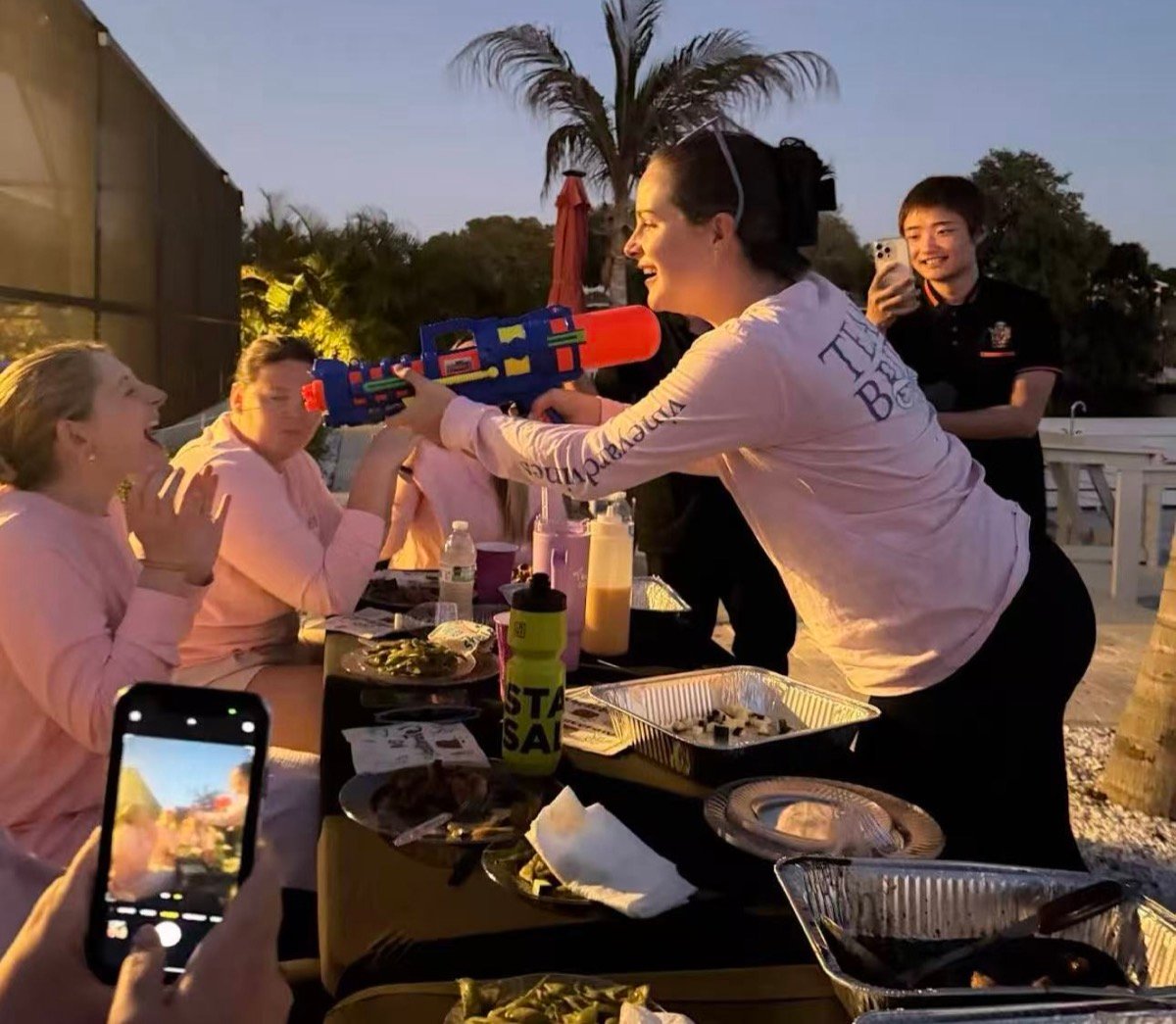
Hibachi Grill vs. Teppanyaki: A Quick Clarification
In the United States, “hibachi catering” commonly describes a live Japanese-style chef experience centered on a large, flat cooking surface. Technically, this format is closer to teppanyaki cooking than a traditional Japanese hibachi, which historically used charcoal in a smaller, open-grate vessel.
For private-party catering, a flat-top grill is essential because it gives the chef room to prepare proteins, vegetables, noodles, rice, sauces, and interactive food displays in front of guests. Modern mobile teppanyaki grills are generally powered by propane or electricity.
The important point for hosts is simple: fuel type changes the operating plan, not the hospitality standard. A professional chef still needs a stable cooking surface, safe guest spacing, reliable temperature control, clean equipment, and a food-handling process designed for the event.
Electric vs. Propane Hibachi Grills at a Glance
| Factor | Electric Hibachi Grill | Propane Hibachi Grill |
|---|---|---|
| Heat source | Electric heating elements | Controlled gas burners beneath the griddle |
| Open flame | No | Yes, contained within the appliance |
| Mobility | Depends on nearby power capacity | Highly flexible for outdoor locations |
| Heating speed | Often slower to preheat | Typically faster heat-up and recovery |
| Power requirement | Dedicated, properly rated electrical supply | Propane cylinder, regulator, hose, and burner system |
| Main safety focus | Cord condition, circuit load, GFCI protection, moisture | Leak checks, cylinder placement, clearances, flame management |
| Best-fit settings | Venues with suitable power and tighter flame restrictions | Backyards, outdoor gatherings, large-format mobile events |
| Weather sensitivity | Rain and wet-ground electrical risks must be managed | Wind can affect flame performance and heat retention |
| Guest experience | Quiet, controlled cooking format | Strong heat response and traditional live-cooking energy |
Neither option removes the need for disciplined operations. Safety comes from equipment, training, inspection, placement, and decision-making—not fuel choice alone.
Why Propane Works Well for Mobile Hibachi Catering
Propane is widely used for outdoor mobile cooking because it delivers strong, responsive heat without requiring the host to provide a high-capacity electrical circuit. For a backyard hibachi party, that independence can be a major advantage.
A propane flat-top grill can heat a broad steel surface quickly. This matters when a chef is cooking for a large birthday dinner, graduation party, holiday celebration, or corporate event. The grill needs to recover temperature after cold ingredients hit the surface, especially during fast-paced cooking of steak, chicken, shrimp, vegetables, and fried rice.
Propane Advantages for Outdoor Events
– Fast preheating supports efficient event timing.
– High heat recovery helps maintain searing performance between batches.
– No dependence on household outlets makes outdoor placement more flexible.
– Portable fuel supply suits backyards, rental homes, and open-air venues.
– Responsive temperature adjustment helps chefs shift between searing, sautéing, steaming, and holding.
For a mobile chef, propane is particularly valuable when the cooking station must be positioned away from the home. A carefully planned outdoor layout can keep the grill near guests for entertainment while maintaining safe separation from structures, vehicle traffic, pools, decorations, and seating areas.
Propane Safety Is a Process
Propane is safe when the equipment is in good condition and operated correctly. However, because propane is a combustible fuel, professional catering teams must treat inspection and placement as non-negotiable.
Before service, the operating process should include:
1. Inspecting the cylinder, hose, regulator, valves, and burner connections for visible wear or damage.
2. Performing a leak check before ignition when equipment has been connected or moved.
3. Positioning the cylinder upright on stable ground, away from heat sources and guest traffic.
4. Keeping the cooking area clear of paper décor, dry leaves, furniture cushions, tents, and other combustibles.
5. Maintaining a clear safety perimeter around the grill.
6. Keeping an appropriate fire extinguisher immediately accessible to the chef.
7. Turning off the gas supply after service and allowing the equipment to cool before loading.
A propane grill should never be treated as a casual backyard appliance when it is serving a full event. Professional mobile catering requires a repeatable pre-service safety routine.
Why Electric Hibachi Grills Can Be the Right Choice
Electric hibachi grills offer a different safety profile. Because they do not rely on an open flame or a propane cylinder, they may be better suited to some properties with tighter fuel restrictions or specific building-management policies.
An electric setup can also reduce certain concerns related to wind, flame exposure, and gas storage. In locations where a venue permits electric cooking equipment but limits propane appliances, an electric flat-top can make a private hibachi experience possible.
Electric Hibachi Grill Benefits
– No open gas flame during normal operation.
– No propane cylinder handling or fuel-line connections.
– Useful for certain restricted venues, subject to the property’s rules.
– Consistent operation in calm, dry, controlled settings.
– Potentially simpler setup when a suitable electrical connection is available nearby.
Electric equipment can be a strong option for covered outdoor spaces or managed residential communities, but only after confirming whether the available electrical supply can safely handle the grill’s requirements. A standard household outlet is not automatically sufficient for commercial-style cooking equipment.
Electrical Safety Is Not Optional
Electric cooking is not “risk-free” simply because it has no visible flame. Outdoor electrical equipment must be protected from moisture, physical damage, overloaded circuits, and unsafe cord routing.
A well-managed electric hibachi setup should include:
– A verified power source that matches the appliance’s voltage and amperage requirements.
– A ground-fault circuit interrupter, commonly called GFCI protection, where appropriate.
– Heavy-duty, properly rated extension cords only when necessary.
– Cords positioned away from walkways, standing water, pools, and food-prep areas.
– No daisy-chained extension cords or overloaded power strips.
– Dry, secure connections protected from rain or splashing.
– A backup plan in case weather or power reliability changes.
For a chef-led event, an unexpected circuit trip can interrupt service at the worst possible moment. That is why the power plan should be evaluated before the chef arrives—not while guests are waiting for dinner.
The Science of Heat: Why Fuel Choice Affects Food Quality
The most noticeable difference between electric and propane hibachi cooking is often heat behavior. A flat-top grill must absorb energy, store it in the metal surface, and transfer it into the food. This process influences browning, moisture retention, cooking speed, and the chef’s ability to perform multiple tasks at once.
Propane burners usually provide rapid heat input beneath the griddle. When chilled steak, shrimp, vegetables, or rice are placed on the surface, the grill can regain lost heat quickly. That fast recovery supports browning and efficient batch cooking.
Electric elements can provide steady heat, but some units may recover more slowly after a large amount of cold food is added. Performance varies greatly by model, wattage, plate thickness, thermostat design, and electrical supply. A commercial-grade electric griddle on a properly sized circuit will perform very differently from a lightweight countertop appliance.
Heat Zones Matter More Than Maximum Temperature
Guests often assume a hotter grill is always better. In reality, the chef needs controlled heat zones.
A professional cooking surface should allow space for:
– High-heat searing of steak, chicken, and seafood.
– Medium-heat cooking of vegetables and fried rice.
– Gentle warming for cooked portions before plating.
– A clean working area for sauces, seasoning, and final presentation.
The best fuel source is the one that allows the chef to create these zones safely and consistently at the selected venue. This is why a site review matters more than broad claims about propane or electric cooking.
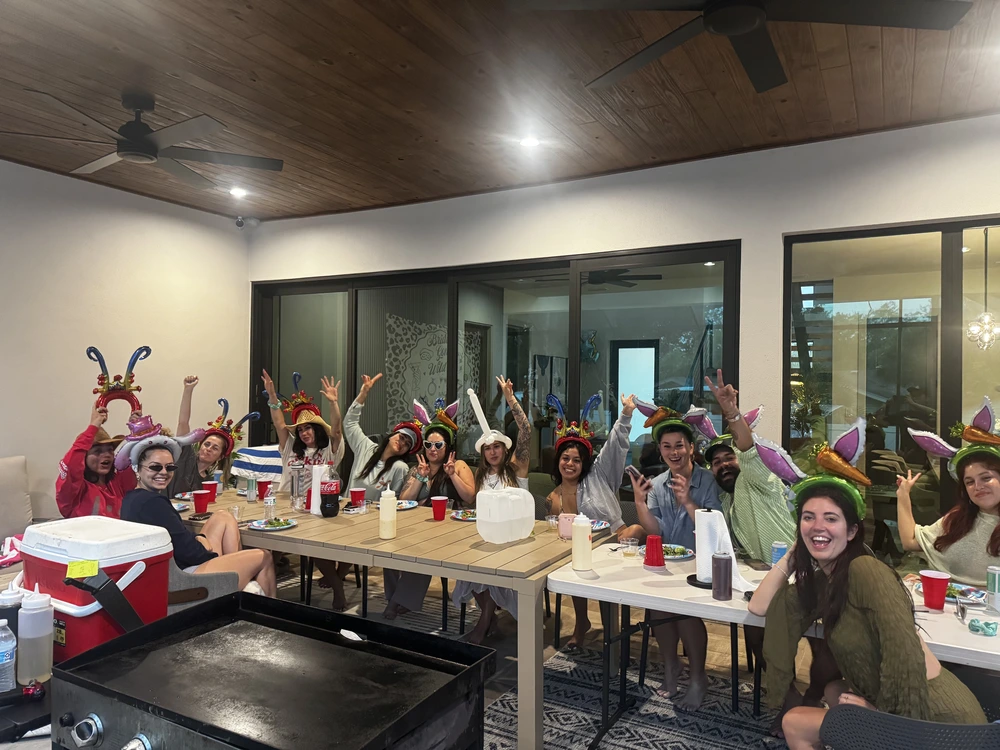
Venue Conditions Decide the Safer Option
A propane grill may be ideal for one backyard and unsuitable for another. The same is true of electric equipment. Before confirming an event, the service team should evaluate the physical environment.
Outdoor Backyard Events
Open-air backyards are often strong candidates for propane hibachi catering because they provide natural ventilation and flexible equipment placement. Still, the grill should not be placed beneath low overhangs, near dry vegetation, beside a pool edge, or where guests may pass directly behind the chef.
A level, stable, non-combustible surface is preferred. The team should also account for wind direction, outdoor lighting, access for unloading, and a safe path for guests to reach seating without crossing the cooking zone.
Covered Patios and Screened Areas
Covered patios require closer evaluation. Overhangs, screened enclosures, ceiling fans, furniture, and reduced airflow can change the risk profile. The right decision depends on the appliance instructions, property conditions, local requirements, and whether the space offers adequate clearance and ventilation.
A host should never assume that “outdoors” automatically means any patio is appropriate for cooking equipment. A covered area is still a structure with limits.
Apartments, Condos, and Managed Communities
Many multifamily properties have rules affecting grills, fuel cylinders, balconies, and outdoor cooking. An electric option may be more workable in some circumstances, but the property’s written policies and the equipment manufacturer’s guidance must come first.
Hosts should contact building management before booking. This avoids last-minute venue conflicts and helps the chef plan the appropriate equipment.
Rain, Wind, and Southern Weather
Florida, Georgia, South Carolina, and North Carolina can bring sudden rain, humidity, high winds, and summer storms. Weather planning is part of food-service safety.
For electric grills, moisture creates added concern around outlets, cords, and connections. For propane grills, wind can affect flame stability, heat distribution, and the comfort of guests seated near the chef station. Severe weather may require moving the event, changing the setup, delaying service, or using a safer alternative location.
Food Safety Remains the Same with Either Fuel
Whether a hibachi grill runs on electricity or propane, the food-safety fundamentals remain unchanged. The grill fuel does not replace temperature checks, clean utensils, cold storage, allergen awareness, or separation of raw and cooked foods.
For time/temperature-control foods, cold items should remain cold until cooking, and hot cooked foods should be held safely when they are not being served immediately. The cooking team should use calibrated thermometers rather than relying only on appearance or timing.
A Practical Mobile Catering Food-Safety Workflow
1. Transport raw proteins and perishable ingredients in temperature-controlled coolers or refrigeration equipment.
2. Keep raw proteins separate from ready-to-eat foods, sauces, vegetables, and cooked rice.
3. Use clean, designated utensils for raw and cooked food.
4. Cook proteins to appropriate internal temperatures.
5. Keep hot foods hot and cold foods cold during service.
6. Manage leftovers carefully; do not leave perishable food unattended in warm outdoor conditions.
7. Ask guests about allergies in advance, especially shellfish, sesame, soy, egg, gluten, dairy, and tree-nut concerns.
The theatrical side of hibachi is fun, but food handling must stay disciplined behind every performance. The best private chef experience is entertaining because it is organized.
Our Event-Readiness Checklist for Hosts
Hosts can help create a smooth, safe private hibachi event by preparing the space before the chef arrives.
– Reserve a flat outdoor area with room for the grill, chef, tables, and guest seating.
– Keep children and pets outside the cooking perimeter during setup and service.
– Clear flammable décor, loose paper products, and dry yard debris from the area.
– Confirm whether the venue has restrictions on propane, electrical appliances, or open-flame cooking.
– Provide accurate access details, including gates, stairs, parking, elevators, and narrow walkways.
– Notify the team of pools, low branches, covered roofs, wind exposure, or uneven surfaces.
– Have a weather backup plan for rain, lightning, or extreme wind.
– Share dietary requirements before the event date.
This preparation gives the chef time and space to focus on what guests came for: great food, interactive cooking, and a celebration that feels personal.
The Best Choice for Your Private Hibachi Party
Electric and propane hibachi grills each have a place in professional mobile catering. Propane often provides the mobility, heat response, and outdoor flexibility needed for large backyard gatherings. Electric equipment can be a valuable alternative when the venue has suitable power and restrictions that make a flame-free cooking approach more appropriate.
The safest choice is never based on a single feature. It comes from matching the right appliance to the right setting, inspecting the equipment, respecting clearances, protecting guests, monitoring food temperatures, and preparing for weather changes.
Ready to plan an unforgettable hibachi experience? Contact Hibachi Sake Sake with your event date, city, guest count, and venue details. We can help evaluate your setup and build a private chef experience for birthdays, family gatherings, holiday parties, graduations, corporate celebrations, and luxury dinners across Florida, Georgia, South Carolina, and North Carolina.
FAQ
Is propane hibachi catering safe for a backyard party?
Yes, when a trained team uses inspected commercial equipment, follows manufacturer instructions, checks gas connections, maintains appropriate clearance, and creates a controlled guest perimeter. The backyard layout and weather conditions must be assessed before service.
Is an electric hibachi grill safer than a propane grill?
Electric grills eliminate the propane cylinder and open-flame element, but they introduce electrical considerations such as circuit capacity, GFCI protection, cord routing, and moisture control. The safer option depends on the equipment and venue conditions.
Can hibachi catering be set up under a covered patio?
It depends on the patio structure, ventilation, available clearances, appliance instructions, local rules, and venue policies. Hosts should share photos and details of the intended location before the event is confirmed.
How much space is needed for a private hibachi chef?
The service team needs enough level space for the grill, chef movement, guest seating, safe access, and a protected buffer around the cooking area. Exact requirements vary by equipment, event size, and property layout.
Can a mobile hibachi chef cook during rain?
Cooking in rain may create safety issues for both propane and electric setups. Rain can affect electrical connections, wet walking surfaces, and flame stability. A covered but properly approved alternative location or weather backup plan is recommended.
Do electric hibachi grills need a special outlet?
Some electric flat-top grills require more power than a standard household outlet can provide. The appliance’s voltage and amperage needs must be matched to the available electrical service before the event.
What should guests do during the hibachi fire show?
Guests should remain seated or stay behind the designated safety boundary, avoid reaching toward the grill, keep drinks and loose items away from the chef station, and supervise children closely. The chef controls the performance area.
References
1. National Fire Protection Association. “[Fire Code Grill Requirements].” Guidance on grill placement, structure clearances, and listed electric cooking appliances. [nfpa]
2. U.S. Consumer Product Safety Commission. “[New, Safer Propane Tank for Barbecue Grills Helps to Avoid Gas Leaks].” Propane grill hose and connection inspection guidance. [cpsc]
3. U.S. Food and Drug Administration. “[FDA Food Code 2022].” Food-temperature and safe handling framework for food-service operations. [fda]
4. Jefferson Lab Environment, Safety and Health. “[General Electrical Safety Guidelines].” Guidance concerning GFCI protection and portable electrical equipment. [jlab]
5. Benihana. “[Hibachi vs. Teppanyaki: What’s the Difference?].” Overview of traditional hibachi and flat-top teppanyaki cooking formats. [benihana]
6. EVO America. “[The Art of Teppanyaki Cooking].” Background on flat-top teppanyaki cooking systems and ventilation considerations. [evoamerica]
Hot Tags: Hibachi Catering, Private Hibachi Chef, Mobile Hibachi Catering, Backyard Hibachi Party, Hibachi Grill Rental, Private Chef Catering, Outdoor Catering Services, Teppanyaki Catering, Corporate Event Catering, Luxury Private Dining