
Content Menu
● Comparing Sake Brands: DASSAI 45 vs. Hakkaisan Tokubetsu Junmai
>> DASSAI 45: An Aromatic Option for a Refined Introduction
>> Hakkaisan Tokubetsu Junmai: A Flexible Option for Mixed Menus
● Understanding Sake Labels Before Choosing a Bottle
>> Junmai, Ginjo, and Daiginjo Explain Production—not Universal Quality
>> Flavor Descriptions Are More Useful Than Prestige Alone
● How to Pair Sake with Your Hibachi Menu
>> Shrimp, Seafood, and Lighter Preparations
>> Chicken, Fried Rice, and Vegetables
● Serving Temperature: A Small Detail with a Large Effect
>> Establish a Starting Temperature, Then Taste
>> Plan for Outdoor Conditions
● A Five-Step Sake Selection Method for Private Hibachi Events
>> 1. Confirm the Menu and Sauces
>> 2. Identify Guest Preferences
>> 3. Compare Two Bottles Before Buying in Volume
>> 4. Choose One Main Bottle and an Optional Second
>> 5. Confirm Beverage Responsibilities
● Three Event Scenarios That Show How the Comparison Works
>> Backyard Birthday with Mixed Preferences
>> Corporate Gathering with a Structured Schedule
>> Luxury Private Dinner with Multiple Courses
● Budgeting Without Relying on Unverified Bottle Prices
● Plan a Hibachi Experience That Fits Your Guests
>> Which Sake Is Better for a Hibachi Party: DASSAI or Hakkaisan?
>> Should Sake Be Served Hot or Cold with Hibachi?
>> Is More Highly Polished Sake Always Better?
>> Do I Need Several Sake Brands for a Backyard Party?
>> Does Hibachi Sake Sake Include Alcohol with Its Service?
>> Can Guests Enjoy the Experience Without Drinking Sake?
Comparing sake brands can transform a hibachi service experience from an enjoyable dinner into a thoughtfully coordinated celebration. The right bottle complements sizzling steak, delicate seafood, and savory vegetables while matching your guests’ preferences. For hosts planning an at-home hibachi party, the best choice is not necessarily the most expensive sake. It is the sake that fits the food, atmosphere, and serving conditions.
Hibachi Sake Sake provides private and mobile Japanese-style hibachi experiences across Florida, Georgia, South Carolina, and North Carolina. Whether you are organizing a birthday, graduation party, corporate gathering, or luxury private dinner, beverage planning deserves attention alongside the menu.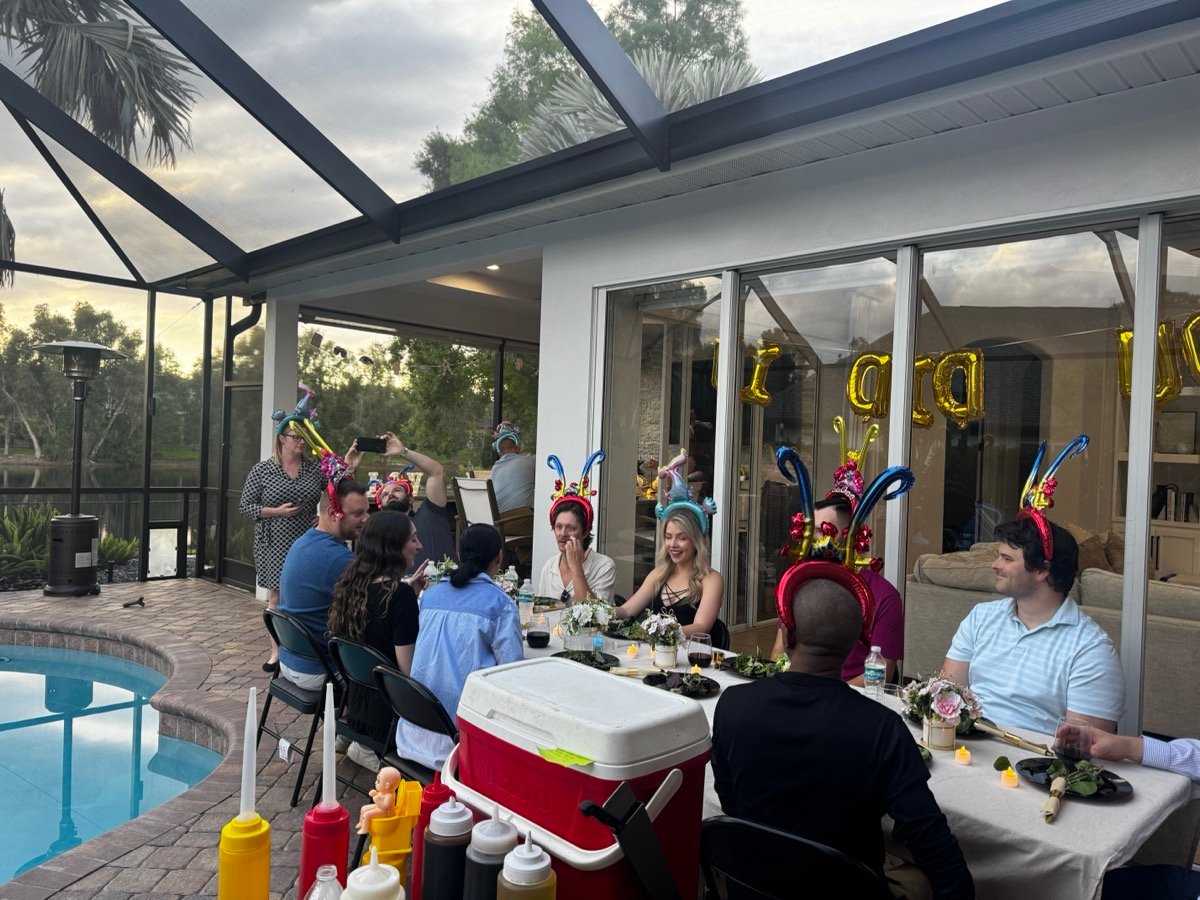
Comparing Sake Brands: DASSAI 45 vs. Hakkaisan Tokubetsu Junmai
Comparing individual bottles is more useful than assigning one flavor profile to an entire brand. Both producers offer multiple products, and bottles within the same range can differ considerably.
DASSAI describes its 45 expression as having fruit aromatics and delicate sweetness. Hakkaisan describes its Tokubetsu Junmai as clean, well-balanced, mellow, and elegant, with versatility across Japanese and other cuisines. These producer descriptions provide a starting point—not a guarantee of how every guest will perceive them.
| Comparison factor | DASSAI 45 | Hakkaisan Tokubetsu Junmai |
|---|---|---|
| Sake classification | Junmai daiginjo | Tokubetsu junmai |
| Published rice-polishing ratio | 45% remaining | 60% remaining |
| Producer-described character | Fruit aromatics and delicate sweetness | Clean, mellow, balanced, and elegant |
| Suggested role at a hibachi party | Aromatic introduction or lighter-course option | Versatile dinner-table option |
| Initial pairing to test | Lightly seasoned shrimp or vegetables | Steak, chicken, or mixed hibachi plates |
| Main selection question | Do guests enjoy expressive fruit aromas? | Do guests prefer a restrained, food-focused style? |
The technical details and flavor descriptions above come from the producers. The serving roles and pairings are editorial recommendations to test against your actual menu, rather than published guarantees.
DASSAI 45: An Aromatic Option for a Refined Introduction
DASSAI 45 uses Yamada-Nishiki rice polished until 45% of the grain remains. Its fruit-forward aromatic character makes it a useful candidate for guests who enjoy fragrant beverages.
For a private hibachi dinner, I would consider it as an opening pour alongside lightly seasoned food. This gives guests an opportunity to notice its aroma before stronger sauces dominate their attention.
It may also suit a luxury dinner where the host wants a short tasting moment. However, delicate sweetness does not automatically make it a dessert beverage or the best match for every course.
Hakkaisan Tokubetsu Junmai: A Flexible Option for Mixed Menus
Hakkaisan Tokubetsu Junmai uses rice polished until 60% remains. The producer specifically positions this export-market expression as suitable for a broad range of foods.
For an event where guests receive different proteins and use different sauces, I would start by testing this bottle as the main meal accompaniment. Its published emphasis on balance makes it a sensible candidate for a food-centered comparison.
That does not mean it will always outperform DASSAI with steak. Preparation, seasoning, temperature, and individual preferences can change the result.
Understanding Sake Labels Before Choosing a Bottle
Junmai, Ginjo, and Daiginjo Explain Production—not Universal Quality
Junmai indicates sake made without added brewing alcohol. Ginjo and daiginjo identify categories associated with particular production requirements, including rice-polishing thresholds: ginjo uses rice polished to 60% or less remaining, while daiginjo uses rice polished to 50% or less remaining. Junmai ginjo and junmai daiginjo combine these classifications.
A lower polishing percentage is not a promise that everyone will prefer the bottle. Nor does a premium classification automatically make it the strongest pairing for a heavily seasoned meal.
For hibachi party planning, start with three questions:
- What food will guests actually eat?
- Which beverage styles do they already enjoy?
- Can the bottle be served under suitable conditions?
Flavor Descriptions Are More Useful Than Prestige Alone
Read the producer’s tasting description before purchasing. Words such as fruity, mellow, clean, and rich help establish expectations, but they are not interchangeable.
Avoid choosing solely by packaging, reputation, or a single technical number. A bottle should earn its place through the experience you want to create.
For a mixed group, an approachable explanation is enough: “This option is more aromatic; the other is more restrained.” Guests do not need a technical lecture to make a comfortable choice.
How to Pair Sake with Your Hibachi Menu
Sake pairing works best when the beverage and food have compatible intensity. Serving temperature also changes the relationship. The Japan Sake and Shochu Makers Association emphasizes that temperature affects both sake’s flavor profile and its interaction with food.
Steak and Savory Sauces
Steak brings browned flavors, richness, and substantial texture. Garlic butter and dipping sauces add another layer.
My starting recommendation would be to test Hakkaisan Tokubetsu Junmai with the complete steak preparation—not an unseasoned sample. Then compare DASSAI 45 if your guests enjoy aromatic contrast.
The deciding factor should be whether the combination remains pleasant after swallowing, rather than whether the sake tastes impressive by itself.
Shrimp, Seafood, and Lighter Preparations
Seafood is not one uniform pairing category. Delicate fish and richer fish can require different approaches. Association guidance specifically distinguishes light-flavored fish from richer fish and demonstrates how temperature can change shrimp and salmon pairings.
For lightly seasoned shrimp, DASSAI 45 is a reasonable first trial. If the dish includes substantial butter, garlic, or sauce, compare it with Hakkaisan before deciding.
Chicken, Fried Rice, and Vegetables
These dishes often share the same plate, so choosing a separate sake for every ingredient can overcomplicate the event.
Test each bottle with a representative forkful containing protein, rice, and vegetables. This better reflects how guests eat during a backyard hibachi party.
Ask whether the sake complements the entire plate. A pairing that succeeds with one ingredient but struggles with the rest may be less practical for group service.

Serving Temperature: A Small Detail with a Large Effect
Sake can be served chilled, at room temperature, or warmed. Japan’s official travel guide notes that ginjo is often preferred cool, while junmai is frequently enjoyed at room temperature or warmed. Individual bottle characteristics and personal preference still matter.
Establish a Starting Temperature, Then Taste
For an initial comparison, I would begin with DASSAI 45 chilled and Hakkaisan Tokubetsu Junmai lightly chilled. This is a testing approach, not an exclusive serving rule.
Taste both with the intended food. If Hakkaisan seems restrained, allow a small sample to warm slightly and compare again.
Do not assume that warming improves every junmai or that all premium sake must be served extremely cold.
Plan for Outdoor Conditions
A backyard event introduces practical challenges: sunshine, changing temperatures, limited table space, and the distance between storage and service.
Use the following event setup:
- Keep reserve bottles shaded and appropriately cooled.
- Bring out manageable quantities rather than the entire supply.
- Use small tasting pours when introducing both bottles.
- Place beverages away from the cooking and performance area.
- Keep water and alcohol-free choices equally accessible.
A well-organized station makes the comparison easier without interrupting the chef experience.
A Five-Step Sake Selection Method for Private Hibachi Events
1. Confirm the Menu and Sauces
List the proteins, vegetables, rice, and dipping sauces. Ask whether guests will receive similar meals or choose different combinations.
Beverage decisions become easier when the food plan is specific.
2. Identify Guest Preferences
Ask whether attendees prefer aromatic beverages, restrained flavors, or no alcohol. Avoid assuming that sake enthusiasts represent the entire group.
For birthdays, family gatherings, and graduation celebrations, plan alcohol-free participation from the beginning.
3. Compare Two Bottles Before Buying in Volume
Purchase one bottle of each candidate, where available. Taste them with a small version of the planned meal.
Use the same glass style and comparable pours. Changing too many variables makes the comparison less useful.
4. Choose One Main Bottle and an Optional Second
A single well-chosen sake can be sufficient. Two bottles are useful when their differences are clear and guests have time to explore them.
Avoid adding more labels simply to make the event appear elaborate.
5. Confirm Beverage Responsibilities
Before purchasing, clarify whether alcohol will be host-provided or handled through a separately authorized provider.
Also confirm who will chill, pour, replenish, and supervise the beverage station. Do not assume alcohol purchasing or service is included in a mobile hibachi booking.
Three Event Scenarios That Show How the Comparison Works
The following are planning examples, not documented client case studies.
Backyard Birthday with Mixed Preferences
Choose one main sake after a food trial, then provide a small optional comparison pour.
My preference would be to keep the explanation brief and the station self-explanatory. The birthday celebration should remain the focus.
Corporate Gathering with a Structured Schedule
A two-bottle tasting can become a short, optional conversation activity before dinner.
Offer guests simple prompts: Which aroma do you prefer? Which bottle works better with the first bite? Provide an equally thoughtful alcohol-free option without requiring an explanation from anyone declining sake.
Luxury Private Dinner with Multiple Courses
Use DASSAI 45 and Hakkaisan Tokubetsu Junmai in different roles only if the menu trial supports that progression.
For example, an aromatic opening pour may lead into a more restrained dinner accompaniment. The sequence should follow the food, not a presumed ranking of brand prestige.
Budgeting Without Relying on Unverified Bottle Prices
Retail prices and availability vary by seller, location, and bottle size. Compare actual local offers for the exact expression rather than using a general brand price.
Include:
- Bottle cost and applicable charges.
- Delivery or collection arrangements.
- Glassware, cooling, and beverage-station supplies.
- Any separately arranged beverage staffing.
- Alcohol-free drinks and water.
A 720 mL bottle provides approximately twelve 60 mL pours before spills or overpouring. That is a portion calculation, not a recommended consumption target. Use it to plan measured service, accounting separately for guests who will not drink.
Plan a Hibachi Experience That Fits Your Guests
The most useful sake comparison is practical: two specific bottles, your actual menu, and your guests’ preferences.
For an event in Florida, Georgia, South Carolina, or North Carolina, contact Hibachi Sake Sake with your location, date, guest count, and occasion. Discuss your preferred menu and clarify beverage responsibilities before purchasing sake. Build the celebration around the people attending—not around a label.
Frequently Asked Questions
Which Sake Is Better for a Hibachi Party: DASSAI or Hakkaisan?
Neither is universally better. DASSAI 45 offers producer-described fruit aromatics and delicate sweetness, while Hakkaisan Tokubetsu Junmai emphasizes balance and mellow versatility. Compare the exact bottles with your menu before choosing.
Should Sake Be Served Hot or Cold with Hibachi?
There is no single correct temperature. Start with the producer’s guidance and taste with food. Chilled aromatic styles and lightly chilled or warmer junmai can offer different experiences.
Is More Highly Polished Sake Always Better?
No. Polishing helps identify production style, but preference and food compatibility still determine whether a bottle suits your dinner. A higher-priced bottle can be less appropriate for a particular menu.
Do I Need Several Sake Brands for a Backyard Party?
Usually, one carefully selected bottle is enough. Two contrasting options can support a short tasting, but additional labels create more purchasing and service complexity.
Does Hibachi Sake Sake Include Alcohol with Its Service?
Do not assume alcohol is included. Confirm beverage arrangements directly when discussing your event, including purchasing, serving responsibilities, and any applicable requirements.
Can Guests Enjoy the Experience Without Drinking Sake?
Absolutely. The private chef experience, food, and celebration do not depend on alcohol. Give alcohol-free beverages the same attention in presentation, availability, and service.
References
1. DASSAI — “DASSAI 45.” Official product information supporting the rice variety, 45% polishing ratio, fruit aromatics, and delicate sweetness used in the comparison. https://dassai.com/us/product/main/45.html
2. Hakkaisan — “Hakkaisan Tokubetsu Junmai.” Official product information supporting its export-market positioning, 60% polishing ratio, and clean, mellow, versatile flavor description. https://www.hakkaisan.com/our-products/hakkaisan-tokubetsu-junmai/
3. Gekkeikan — “Sake 101.” Producer educational guidance supporting the junmai, ginjo, and daiginjo classification explanations. http://www.gekkeikan.com/sake101/
4. Japan National Tourism Organization — “Sake 101—The Ultimate Guide to Japanese Sake.” Guidance supporting the discussion of serving temperatures and individual preferences. https://www.japan.travel/en/guide/sake-shochu/
5. Japan Sake and Shochu Makers Association — “Professional Sake Food Pairings.” Specialist guidance supporting the relationship between serving temperature, flavor perception, and food pairing. https://japansake.or.jp/sake/en/professional/sake-food-pairing-advanced/
6. Japan Sake and Shochu Makers Association — “Why Sake Pairs Well with Seafood.” Detailed seafood examples supporting the distinction between delicate and richer fish and temperature-dependent pairing outcomes. https://japansake.or.jp/sake/en/professional/sake-food-pairing-advanced/seafood/ information. They are not personal tasting testimony, verified customer case studies, or claims that the brand supplies alcoholic beverages.
Hot Tags: Sake Brands, Sake Food Pairing, Hibachi Catering, Mobile Hibachi Catering, Private Hibachi Chef, Corporate Hibachi Catering, Corporate Event Catering, Japanese Catering Services, Outdoor Event Catering, Private Dining Services