
Content Menu
● The Short Answer: Which Option Leaves Less Mess?
● Why DIY BBQ Cleanup Starts Before Guests Arrive
>> The Hidden Kitchen Mess of a Backyard BBQ
>> BBQ Smoke, Grease, and Grill Residue
● How a Private Hibachi Service Protects Your Kitchen
>> One Cooking Zone, Less Household Spread
>> A Better Division of Hosting Responsibilities
● Cleanliness Is Also About Food Handling
>> Why Multiple DIY Tasks Raise the Stakes
>> What Hosts Should Still Prepare
● Hibachi Service vs. DIY BBQ: Cleanup by Event Stage
● When DIY BBQ May Still Make Sense
● Plan a Cleaner, More Enjoyable Hibachi Party
>> Does a private hibachi chef use my kitchen?
>> Is hibachi service cleaner than a DIY BBQ?
>> What cleanup should I expect after a hibachi party?
>> Can hibachi catering work for a backyard birthday party?
>> Is a mobile hibachi service suitable for corporate events?
>> What should I prepare before the hibachi chef arrives?
>> Why is outdoor food organization important in warm weather?
When you plan an outdoor celebration, food is only part of the experience. The other part is what remains afterward: greasy cookware, raw-meat prep surfaces, overflowing trash, smoky patio furniture, and a kitchen that needs a second round of hosting after the guests leave.
This cleanliness comparison between hibachi service and DIY BBQ explains why a private hibachi chef can leave your kitchen far more guest-ready than a self-managed cookout. For birthdays, graduation parties, family gatherings, holiday celebrations, corporate events, and upscale private dinners, Hibachi Sake Sake brings the cooking performance outdoors—so the mess is managed where the meal happens, not throughout your home.
The Short Answer: Which Option Leaves Less Mess?
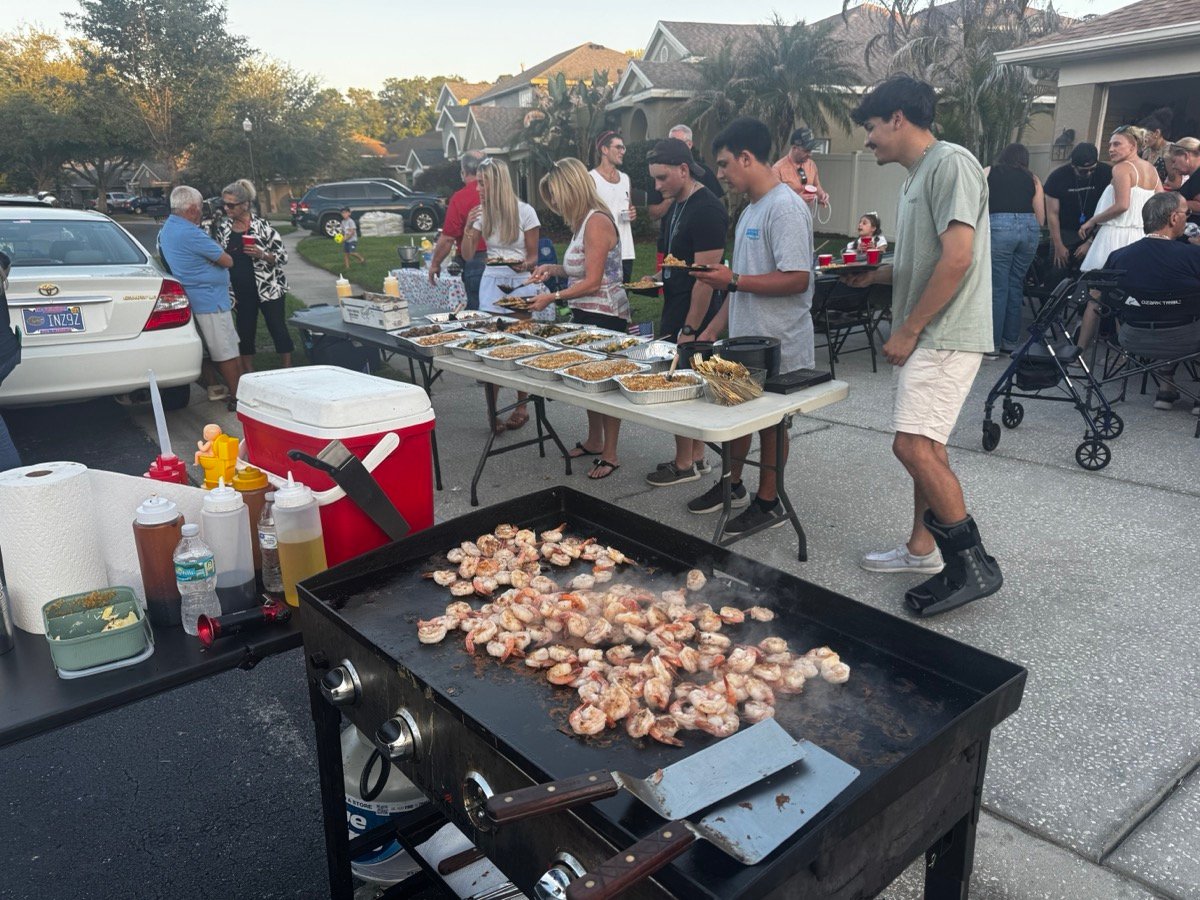
A DIY barbecue can be fun, but it usually turns the host into the planner, prep cook, grill operator, server, dishwasher, and cleanup crew. Even when the grill stays outside, ingredient preparation, marinating, side dishes, refrigeration, serving trays, and post-party washing often take over the kitchen.
A private hibachi service shifts much of that workflow outdoors. The chef cooks on a portable hibachi grill at your selected outdoor location, serves guests directly, and manages the active cooking zone during the event. Your kitchen is generally used less because the main cooking, entertainment, and food service happen outside.
| Cleanup Area | Private Hibachi Service | DIY BBQ |
|---|---|---|
| Kitchen counter use | Usually limited | Often extensive for prep, seasoning, platters, and sides |
| Raw-meat handling | Managed within the chef’s cooking workflow | Host handles storage, seasoning, transport, and grill setup |
| Pots and pans | Minimal for the host | Commonly includes bowls, trays, pans, utensils, and serving dishes |
| Grill cleanup | Managed as part of the service setup | Falls to the host after guests leave |
| Guest service | Cooked and served at the hibachi station | Host often rotates between grill, kitchen, and guests |
| Post-event workload | Mainly household reset and personal items | Grill scrubbing, dishwashing, trash, leftovers, grease, and kitchen sanitizing |
The practical difference is simple: a private hibachi experience centralizes the cooking process, while a DIY BBQ spreads it across your kitchen, patio, refrigerator, grill, and dining area.
Why DIY BBQ Cleanup Starts Before Guests Arrive
Many hosts think of BBQ cleanup as the work that begins after the last guest leaves. In reality, the cleanup cycle begins much earlier.
A typical backyard BBQ requires you to purchase ingredients, organize refrigerator space, season proteins, prepare marinades, wash produce, assemble side dishes, fill coolers, prepare serving platters, and arrange utensils. Those tasks create a trail of cutting boards, bowls, knives, packaging, paper towels, and food containers.
The Hidden Kitchen Mess of a Backyard BBQ
The grill may be outside, but the prep work is usually indoors. Common kitchen cleanup tasks include:
– Washing vegetables and fruit.
– Trimming, seasoning, or marinating meat.
– Cleaning raw-protein packaging leaks from counters or refrigerator shelves.
– Preparing salads, sauces, desserts, and side dishes.
– Separating raw and cooked-food platters.
– Washing cooking tools, serving utensils, and food containers.
– Managing leftovers after the party.
Food safety guidance makes this process more demanding. Raw meat, poultry, and seafood should be separated from ready-to-eat food, and cooked food should not be placed on surfaces or platters that previously held raw proteins unless they have been washed and sanitized.
That means a casual grill party can require more than ordinary dishwashing. It may involve sanitizing counters, cutting boards, sinks, refrigerator handles, knives, tongs, and serving trays.
BBQ Smoke, Grease, and Grill Residue
DIY grilling also creates a separate outdoor cleanup challenge. Fat drips, flare-ups, sauce splatter, food residue, ash or charcoal debris, and grill grates all need attention.
USDA guidance advises cooks to remove old grill residue, wash grill surfaces with soap and water, and avoid using the same utensils or plates for raw and cooked food. Those are sensible steps, but they add time at both ends of the event.
For a host, the result is familiar: guests enjoy the party while the host mentally tracks what needs to be cleaned later.
How a Private Hibachi Service Protects Your Kitchen
A mobile hibachi party is designed around a more contained outdoor experience. Instead of moving repeatedly between your kitchen and the grill, guests gather around the hibachi station while a chef prepares the meal in front of them.
At Hibachi Sake Sake, the hibachi chef experience combines dinner and live entertainment in one outdoor service area. That helps keep the energy of the party—and much of the food activity—away from your counters, stovetop, and sink.
One Cooking Zone, Less Household Spread
The strongest cleanliness advantage is containment. With a DIY BBQ, food preparation and cooking often happen in separate zones. You may season chicken in the kitchen, transport it outdoors, return inside for side dishes, run back for plates, and later bring dirty items into the sink.
With an outdoor hibachi setup, the active meal preparation is centered around the chef’s grill station. Guests receive a made-to-order performance, rather than waiting for the host to step away from the party to manage the grill.
This approach can reduce:
– Repeated kitchen-to-patio traffic.
– Countertop clutter during the event.
– Dirty cookware from indoor meal preparation.
– Time spent carrying food between rooms.
– The chance of guests gathering around a hot backyard grill.
– The host’s need to supervise timing, portions, and cooking flow.
A Better Division of Hosting Responsibilities
A successful private event has many moving parts. The host should be able to welcome guests, take photos, enjoy conversations, and celebrate—not monitor grill temperature while checking whether the salad needs ice.
A private hibachi chef takes ownership of the live-cooking portion of the event. The host can focus on setting the mood, arranging seating, adding decorations, selecting drinks, and spending time with family, friends, or colleagues.
You still control the celebration. You simply do not have to run the kitchen like a restaurant.
Cleanliness Is Also About Food Handling
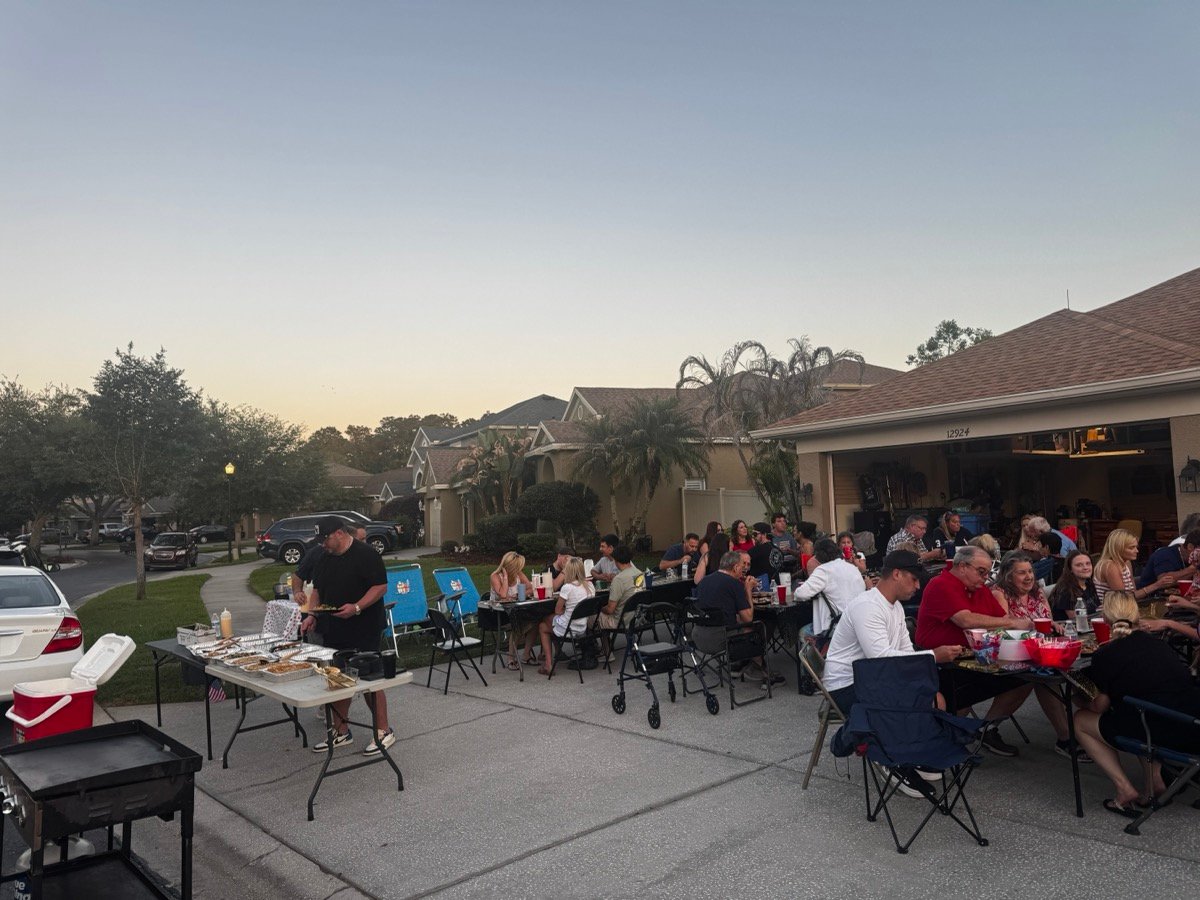
Clean counters matter, but food handling matters even more. Outdoor events in Florida, Georgia, South Carolina, and North Carolina can involve heat, humidity, travel time, and longer social gatherings. Those conditions make organization essential.
USDA advises keeping cold food at or below 40°F and hot food at or above 140°F. Perishable food should generally be refrigerated within two hours, or within one hour when outdoor temperatures exceed 90°F.
Why Multiple DIY Tasks Raise the Stakes
A DIY BBQ host may need to manage several food-safety steps at once:
1. Store proteins safely before guests arrive.
2. Keep raw proteins away from salads, fruit, sauces, and cooked foods.
3. Use separate utensils and plates for raw and cooked items.
4. Monitor the grill while greeting guests.
5. Keep side dishes cold during the party.
6. Package leftovers promptly after service.
7. Sanitize food-contact surfaces afterward.
None of these tasks is difficult by itself. The challenge is performing all of them while hosting a busy event.
A professional hibachi service creates a more deliberate service flow. The chef’s work is centered on preparing and cooking food in the active service area, while guests enjoy the meal moments after it is prepared. This does not eliminate the need for sensible event planning, but it can reduce the number of food-handling decisions placed on the homeowner.
What Hosts Should Still Prepare
A clean hibachi party starts with a suitable outdoor space. Before your chef arrives, prepare:
– A flat, safe outdoor cooking area.
– Comfortable guest seating around the hibachi station.
– Clear access for setup and departure.
– A nearby place for guests to wash hands.
– A trash and recycling area for party waste.
– Shade, lighting, or weather protection when appropriate.
– A plan for beverages, cake, decorations, and personal serving items.
This small amount of preparation helps the event run smoothly without converting your kitchen into a full production space.
Hibachi Service vs. DIY BBQ: Cleanup by Event Stage
The best way to compare the two options is not only by the final mess, but by the full event timeline.
| Event Stage | Private Hibachi Chef Experience | DIY Backyard BBQ |
|---|---|---|
| Before the event | Prepare the outdoor party area and guest seating | Shop, prep, marinate, chop, organize, set up grill, prep sides |
| During the event | Chef leads the cooking and guest-facing meal experience | Host often grills, serves, checks food, restocks supplies, and socializes |
| Kitchen impact | Lower when the meal is centered outdoors | Higher due to prep, tray staging, side dishes, and dish accumulation |
| Food-service flow | Cooked directly at the hibachi station | Food often travels between kitchen, grill, buffet, and dining area |
| After the event | Reset personal party items and household spaces | Scrub grill, wash utensils and serving dishes, manage leftovers, sanitize prep areas |
| Host experience | More time with guests | More operational work before, during, and after the party |
For a small casual cookout, DIY BBQ may feel manageable. For a milestone birthday, a graduation party, a large family reunion, or a corporate gathering, the workload grows quickly. That is where a mobile hibachi party can offer a more polished and less disruptive experience.
The “Morning After” Test
When choosing party catering, ask one useful question: What will my home look like the next morning?
After a DIY BBQ, you may still be dealing with:
– Grease-coated grill grates.
– Cookware soaking in the sink.
– Refrigerator shelves crowded with leftovers.
– Plastic packaging and beverage containers.
– Outdoor furniture affected by smoke or food splatter.
– A kitchen floor that needs sweeping or mopping.
– Leftover condiments, melting ice, and serving trays.
After an outdoor hibachi party, there may still be ordinary event cleanup—cups, decorations, beverage containers, cake plates, and personal party items. However, the main meal preparation is less likely to leave behind the same volume of indoor cookware, food prep debris, and grill-cleaning work.
This is especially valuable for clients hosting at home for the first time, preparing a luxury private dinner, or planning a celebration where the home needs to remain presentable for overnight guests or a next-day gathering.
When DIY BBQ May Still Make Sense
A fair comparison should acknowledge that DIY BBQ can be a good fit in some situations.
Choose a DIY BBQ when:
– You enjoy grilling and want it to be your personal activity.
– You are hosting a very small, informal meal.
– Your menu is simple and requires minimal preparation.
– You already have a clean, well-maintained grill and supplies.
– You have time set aside for both prep and cleanup.
Choose a private hibachi service when:
– You want live cooking and entertainment in one experience.
– You are hosting a birthday, graduation, holiday event, or family celebration.
– You want to spend more time with guests.
– You prefer not to manage raw proteins, cooking timing, and grill cleanup.
– You are planning an upscale backyard dinner or corporate event.
– You want a more memorable alternative to a standard buffet or BBQ.
Plan a Cleaner, More Enjoyable Hibachi Party
A great event should not end with the host alone in the kitchen. If you are planning a birthday celebration, backyard party, graduation event, family gathering, holiday dinner, or corporate occasion in Florida, Georgia, South Carolina, or North Carolina, Hibachi Sake Sake can bring the energy of Japanese hibachi directly to your outdoor space.
Reserve your private hibachi chef experience with Hibachi Sake Sake and turn your backyard into the celebration—not the cleanup station.
Frequently Asked Questions
Does a private hibachi chef use my kitchen?
A private hibachi chef experience is primarily designed around an outdoor cooking station. Your kitchen may still be useful for personal party needs, drinks, cake, decorations, or guest conveniences, but the main live cooking experience happens at the hibachi setup rather than on your stovetop.
Is hibachi service cleaner than a DIY BBQ?
For most hosted events, hibachi service can leave the kitchen cleaner because the primary meal preparation and cooking are concentrated outdoors. A DIY BBQ often requires indoor prep, multiple serving trays, cookware, utensils, and post-event grill cleaning.
What cleanup should I expect after a hibachi party?
You should expect normal party cleanup such as beverage cups, decorations, personal serving supplies, and household waste. The exact responsibilities can vary by service arrangement, so confirm setup, food provisions, disposal expectations, and site requirements when booking.
Can hibachi catering work for a backyard birthday party?
Yes. A backyard hibachi party is well suited to birthdays because it combines a meal with interactive live cooking. It can also work for graduation parties, family reunions, holiday gatherings, engagement celebrations, and private dinners.
Is a mobile hibachi service suitable for corporate events?
Yes. A mobile hibachi chef can create a shared dining experience for team celebrations, client events, employee appreciation gatherings, and private company parties. The live cooking format gives guests a focal point beyond a standard catered buffet.
What should I prepare before the hibachi chef arrives?
Prepare a safe outdoor cooking area, adequate seating, guest access, lighting if needed, trash and recycling containers, and your preferred party details such as drinks, decorations, dessert, and music. Confirm the site requirements with the service provider before the event.
Why is outdoor food organization important in warm weather?
Warm conditions can shorten the safe holding time for perishable food. USDA guidance recommends keeping cold foods at or below 40°F, hot foods at or above 140°F, and refrigerating perishables promptly—within one hour when temperatures are above 90°F.
References
1. U.S. Department of Agriculture. “[USDA Serves Up Food Safety Guidelines for Your Summer Cookout].”
2. U.S. Department of Agriculture. “[A Summer Grilling How-To].”
3. U.S. Department of Agriculture. “[Food Safety Sparklers: Clean, Separate, Cook and Chill].”
4. U.S. Department of Agriculture. “[Fireworks, Flavor, and a 250th Birthday: How to Keep Cookout Favorites Food Safe All Holiday Weekend].”
5. Florida Department of Health. “[Hygiene Codes and Standards].”
Hot Tags: Private Hibachi Chef, Hibachi Catering Service, Mobile Hibachi Catering, Backyard Hibachi Party, Private Chef Catering, Corporate Event Catering, Outdoor Catering Services, Hibachi Party Catering, Luxury Private Dining, Birthday Party Catering