Content Menu
● Quick Answer: Hibachi Often Wins for Comfort-Focused Events
● BBQ Catering Smoke vs. Hibachi Steam at a Glance
● Why Smoke Changes the Guest Experience
>> BBQ Smoke Can Be Harder to Control
>> Smoke Can Affect More Than the Meal
● Why Hibachi Steam Feels More Guest-Friendly
>> Hibachi Creates a Social Dining Zone
● The Southern Weather Factor: Heat, Humidity, and Airflow
>> Why Fresh, Timed Cooking Matters
>> Birthday Parties and Family Gatherings
>> Backyard Parties and Poolside Events
>> Graduation Parties and Holiday Celebrations
● A Practical Site-Planning Checklist
● Expert Perspective: Comfort Is About Control
● When BBQ Catering Is the Better Choice
● When Mobile Hibachi Catering Is the Better Choice
● Final Verdict: Choose the Experience Your Guests Will Feel
>> Is hibachi catering less smoky than BBQ catering?
>> Can hibachi catering work for a backyard party?
>> Does BBQ smoke affect formal clothing?
>> Is hibachi catering suitable for corporate events?
>> Which catering option is better for hot Florida weather?
>> Can a hibachi chef accommodate dietary preferences?
>> What should I ask before booking an outdoor caterer?
When planning an outdoor celebration, guest comfort matters just as much as the menu. BBQ catering smoke creates a familiar, rustic atmosphere, while hibachi steam delivers a lively chef-led dining experience with less lingering smoke around guests. For birthdays, backyard gatherings, corporate events, graduations, holiday celebrations, and upscale private dinners across Florida, Georgia, South Carolina, and North Carolina, the better option depends on your venue, guest mix, weather, and desired event style.
For hosts who want food prepared fresh in front of guests without turning the entire patio, pool deck, or backyard into a smoky dining area, mobile hibachi catering is often the more comfortable choice. BBQ can be outstanding for casual, open-air events, but its smoke output, service rhythm, and buffet-style setup may require more planning—especially in hot, humid Southern weather.
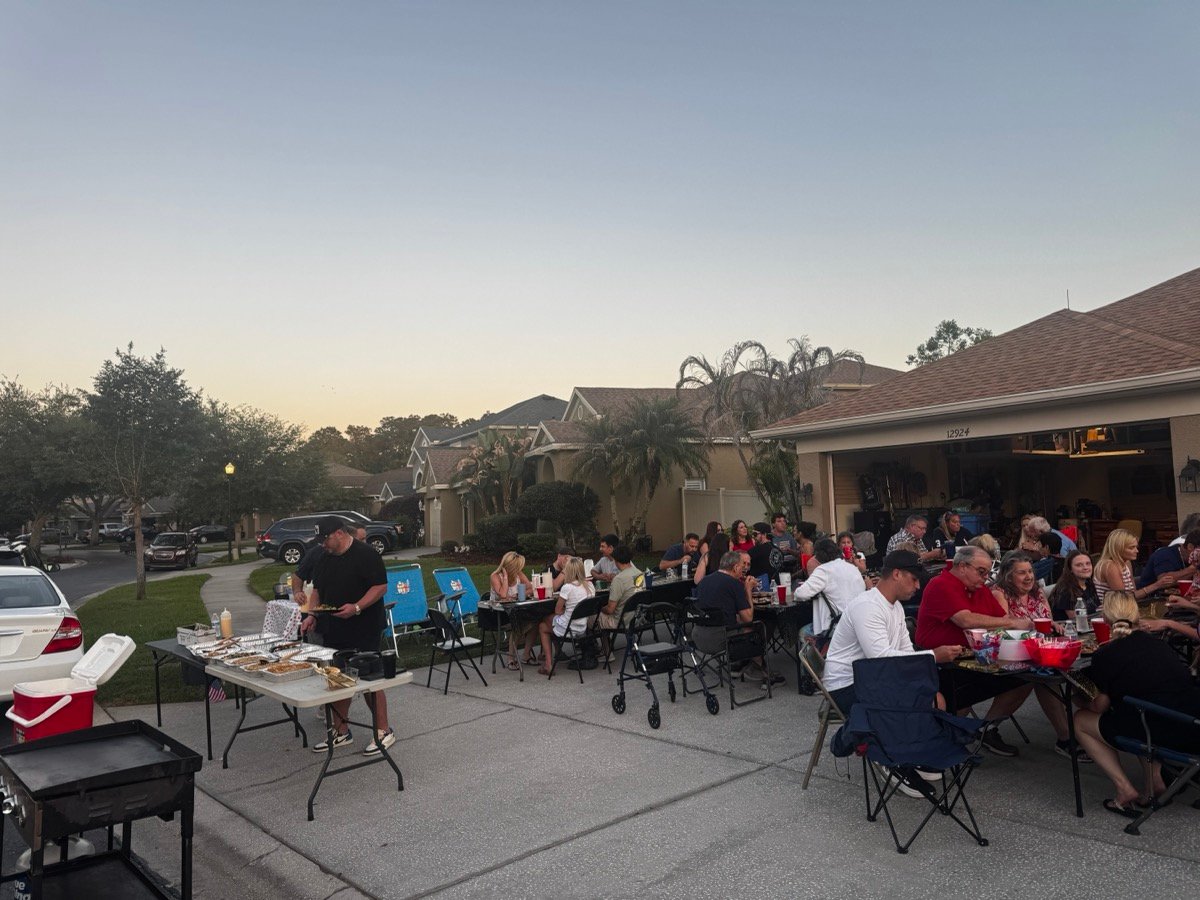
Quick Answer: Hibachi Often Wins for Comfort-Focused Events
Both formats can create a memorable event. However, hibachi steam is generally easier to manage around seated guests than BBQ smoke, particularly at private homes, covered patios, pool areas, condominium communities, and corporate venues with limited outdoor space.
A professional hibachi chef cooks directly on a flat-top grill. Guests enjoy the sizzling sounds, fresh aromas, and visual energy of live cooking. Steam rises briefly from vegetables, rice, sauces, and proteins, while the cooking zone can be positioned strategically away from the main seating area.
BBQ catering typically relies on smokers, grills, or live-fire equipment. That process creates the signature aroma that many guests love. Yet it can also produce noticeable smoke, grease vapor, ash, and stronger odors that travel with the wind.
The practical question is not whether smoke or steam is “better” in every situation. It is this:
> Which cooking experience lets your guests eat, socialize, dress comfortably, and enjoy the event without distractions?
For many private parties, the answer is a well-managed hibachi setup.
BBQ Catering Smoke vs. Hibachi Steam at a Glance
| Guest Comfort Factor | BBQ Catering Smoke | Hibachi Steam |
|---|---|---|
| Air around guests | Can become smoky depending on wind, fuel, and grill placement | Usually lighter and more localized when the grill is positioned well |
| Clothing and hair odor | Smoke can cling to fabrics, hair, patio cushions, and décor | Food aromas are present, but lingering smoke odor is usually lower |
| Visual entertainment | Often focused on food service, smoker display, or buffet presentation | Live chef performance, sizzling grill action, and guest interaction |
| Best seating style | Flexible for mingling, buffet service, and large casual crowds | Ideal for interactive groups gathered around a chef station |
| Heat near cooking area | Can be intense near smokers and open-flame grills | Flat-top cooking generates heat, but can be kept in a dedicated zone |
| Weather sensitivity | Wind can push smoke toward tables and serving lines | Wind still matters, but steam generally disperses more quickly |
| Dietary customization | Can be managed, but buffet cross-contact needs attention | Orders can often be cooked in sequence and customized more visibly |
| Cleanup experience | Grease, ash, disposable serving ware, and buffet residue may be greater | Chef-managed cooking station can keep meal production more contained |
| Best for | Casual cookouts, large open yards, barbecue-themed events | Birthdays, family dinners, luxury backyard parties, team events, celebrations |
Why Smoke Changes the Guest Experience
Smoke is central to barbecue culture. It signals slow cooking, wood-fired flavor, and a relaxed outdoor mood. For many guests, the aroma of brisket, ribs, chicken, or pulled pork is part of the celebration.
But smoke is not experienced the same way by every guest.
A guest standing near a smoker may enjoy it for a few minutes. A guest seated downwind for two hours may feel differently. Smoke can irritate eyes, affect comfort for people with sensitivities, and become inconvenient for guests wearing formal clothing or attending an evening event after the party.
BBQ Smoke Can Be Harder to Control
The amount and direction of smoke can shift quickly based on:
– Wind direction and speed
– Humidity and temperature
– Type of wood, charcoal, pellet fuel, or gas equipment
– Fat drippings and flare-ups
– Grill lid openings and cooking volume
– Distance between the cooking equipment and guest seating
– Property layout, fences, walls, screens, and covered areas
In a large, open backyard with substantial separation between the smoker and the dining area, BBQ smoke may be easy to manage. In a smaller patio, townhouse yard, waterfront deck, covered lanai, or closely spaced residential community, it can become more noticeable.
For hosts, the key issue is not simply flavor. It is airflow planning.
Smoke Can Affect More Than the Meal
A BBQ catering setup may require extra thought if your event includes:
– Formal attire or cocktail dresses
– A baby shower or family gathering with young children
– Older relatives who prefer a calmer setting
– Guests with respiratory sensitivities
– Poolside seating and outdoor lounge furniture
– White linens, floral arrangements, or premium décor
– Neighbors located close to the event space
– An indoor-afterparty where guests do not want to bring smoke odor inside
That does not mean BBQ is unsuitable. It means the service team should use a realistic site plan instead of treating the smoker as a decorative centerpiece beside the dining tables.
Why Hibachi Steam Feels More Guest-Friendly
Hibachi catering is not odor-free. Freshly grilled steak, chicken, seafood, vegetables, fried rice, garlic butter, and sauces all create appetizing aromas. The difference is that a flat-top hibachi grill generally produces a more immediate, cooking-to-order experience rather than a steady stream of wood or charcoal smoke.
The rising steam from vegetables, rice, sauces, and seared proteins is part of the show. It is visual, dramatic, and temporary. A skilled private hibachi chef can also control the cooking flow, timing, and placement of ingredients more directly than a large smoker station.
Hibachi Creates a Social Dining Zone
One reason hibachi works so well for private events is that guests are not only waiting for food. They are participating in the moment.
A mobile hibachi experience can include:
– A chef cooking in front of the group
– Fresh portions served in real time
– Custom protein and vegetable preferences
– Interactive chef entertainment
– Shared laughter and conversation around the grill
– A structured dining moment that keeps the event moving
– A premium restaurant-style experience at home or at a private venue
For birthdays and family celebrations, this format can be particularly effective. Instead of guests splitting between a backyard buffet line, a smoker station, and separate seating areas, the chef becomes a natural focal point.
That shared focal point helps create energy without requiring amplified music, extra entertainment rentals, or a complicated event program.
The Southern Weather Factor: Heat, Humidity, and Airflow
Florida, Georgia, South Carolina, and North Carolina offer excellent settings for outdoor parties. However, warm temperatures, humidity, afternoon storms, and changing breezes can affect how guests experience outdoor cooking.
In hot conditions, hosting requires more than choosing a menu. It requires considering hydration, shade, timing, seating comfort, food holding temperatures, and equipment placement.
Federal food-safety guidance notes that perishable food should not remain at room temperature for more than two hours, or more than one hour when temperatures exceed 90°F. Hot foods should be kept at or above 140°F, and cold foods should remain at or below 40°F.
Why Fresh, Timed Cooking Matters
A mobile hibachi chef prepares food in active service rounds. This can reduce the time cooked food spends waiting on an outdoor buffet table, provided the service is managed correctly.
By contrast, BBQ catering often involves holding finished meats and sides before service. That is common and can be done safely by experienced caterers. Yet in warm weather, it requires disciplined temperature control, covered containers, insulated equipment, and thoughtful buffet replenishment.
For either format, guests should look for a catering provider that plans for:
– Cold storage for ingredients and drinks
– Hot holding for cooked foods where necessary
– Clean water access or portable handwashing supplies
– Separate handling of raw and cooked foods
– Food thermometers and active temperature monitoring
– Weather backup plans
– Safe cooking and service spacing
For outdoor events above 90°F, food-safety agencies emphasize the shorter one-hour window for perishable food held outside appropriate hot or cold temperatures.
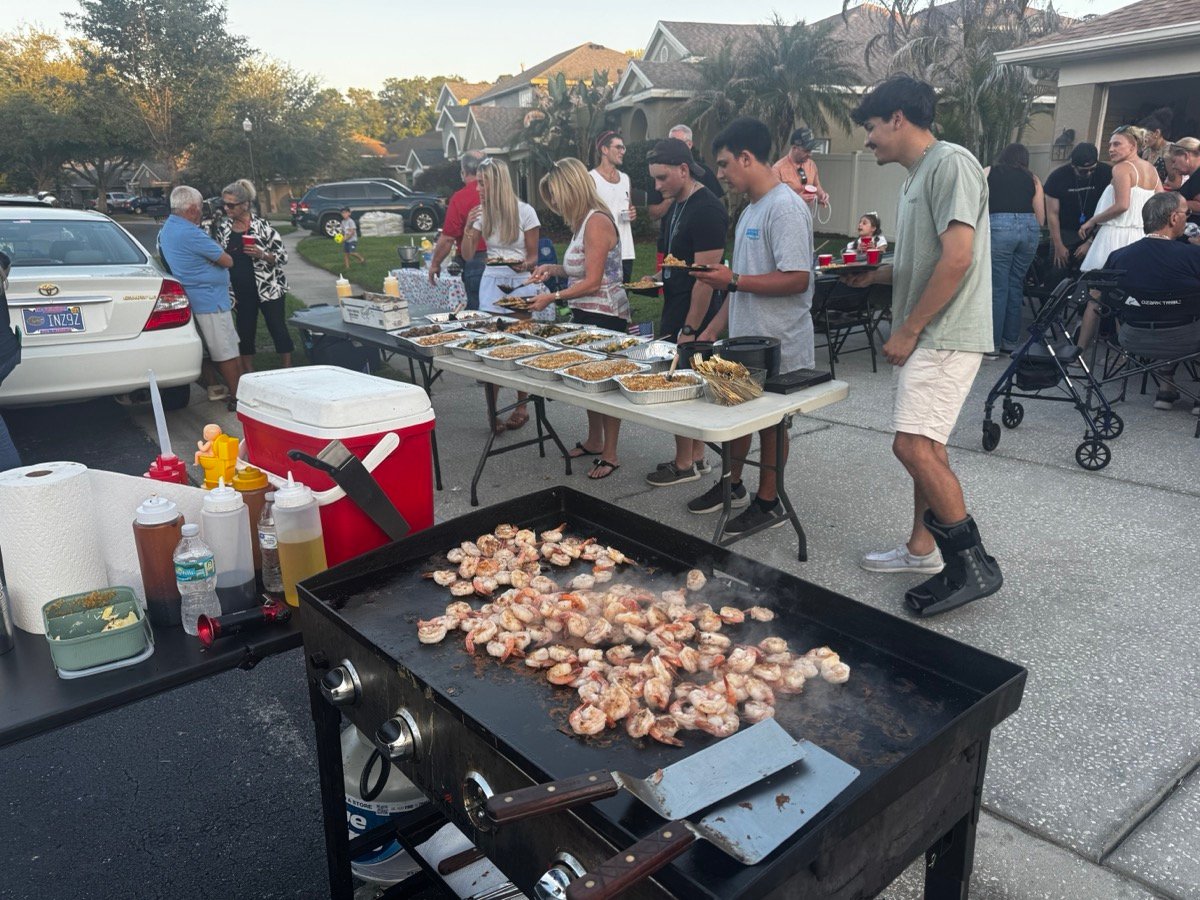
Guest Comfort by Event Type
The “best” catering format changes depending on how your guests will use the space.
Birthday Parties and Family Gatherings
For birthdays, hibachi often creates a stronger communal experience. Guests can watch the chef, take photos, enjoy the performance, and receive freshly cooked food while staying together.
BBQ works well if the goal is a laid-back, drop-in celebration where guests arrive and leave at different times. It also suits larger groups that prefer casual grazing, buffet service, and traditional cookout flavors.
Best comfort choice: Hibachi for interactive seated celebrations; BBQ for relaxed open-yard mingling.
Backyard Parties and Poolside Events
A poolside event needs special attention to wind, seating layout, wet traffic areas, and cooking-equipment distance. BBQ smoke can drift across the pool deck or settle beneath a covered patio. Hibachi equipment should also be placed carefully, but a designated chef station can often be oriented away from loungers and dining tables.
Best comfort choice: Hibachi when the outdoor footprint is limited or guests will remain close to the cooking area.
Corporate Events
Corporate groups often include guests with varied dietary needs, schedules, and comfort expectations. A hibachi chef can make the meal feel intentional and premium while providing a natural conversation starter for teams, clients, and leadership groups.
BBQ is still a strong corporate choice for employee appreciation days, job-site lunches, and casual company picnics. It is especially effective when service speed and crowd volume are the main priorities.
Best comfort choice: Hibachi for client-facing, team-building, and executive events; BBQ for large casual crowds.
Graduation Parties and Holiday Celebrations
Graduation parties bring together multiple generations, while holiday events may include more formal décor, photos, and evening attire. In these situations, the reduced likelihood of heavy smoke lingering on guests can make hibachi a practical option.
Best comfort choice: Hibachi for photo-forward and multi-generational gatherings; BBQ for traditional holiday cookouts with plenty of open space.
Luxury Private Dinners
For an upscale private dinner, the experience matters as much as the food. Guests often expect pacing, personalization, presentation, and attentive hospitality.
A private hibachi chef transforms a home, villa, rental property, or outdoor venue into a live dining experience. The menu is cooked in front of the group, and the host does not need to spend the evening at the grill.
Best comfort choice: Hibachi.
A Practical Site-Planning Checklist
The best caterers do not arrive and simply “find a corner.” They evaluate the guest journey from arrival through cleanup.
Before choosing BBQ catering or a private hibachi chef, consider these questions:
1. Where will guests sit, stand, and line up for food?
Keep the cooking zone away from the main conversation area whenever possible.
2. What direction does the wind usually travel at the property?
Position smoke-producing equipment downwind from guests, entrances, pools, and neighboring homes.
3. Is the party under a covered patio, tent, pergola, or screened enclosure?
Smoke can linger in enclosed or partially enclosed areas. Steam and cooking heat also require safe clearance and ventilation.
4. How formal is the event?
A casual cookout gives guests different expectations than a birthday dinner with cocktail attire and professional photography.
5. Will children, seniors, or guests with sensitivities attend?
Build extra distance between cooking equipment and the guest area.
6. Does the menu require buffet holding or live cooking?
A live hibachi format can create an immediate serve-and-enjoy rhythm. Buffet catering requires strong temperature management in warm weather.
7. What is the backup plan for rain or extreme heat?
Confirm coverage, event timing, shade, cooling, and equipment placement before the event date.
Expert Perspective: Comfort Is About Control
From a hospitality standpoint, the most comfortable event is not the one with the least aroma. It is the one where the host has the most control over the environment.
BBQ smoke can be beautiful when it is intentional, contained, and carried away from the guests. Hibachi steam can be exciting when the chef station is safely positioned and the group has room to enjoy the show. Problems arise when a caterer overlooks space, airflow, timing, and guest demographics.
A premium catering experience should make guests feel cared for without making the host manage logistics.
That is why live hibachi service appeals to so many homeowners and event hosts. It combines food, entertainment, customization, and pacing in one service format. Guests get more than a plate; they get a shared memory.
When BBQ Catering Is the Better Choice
BBQ catering remains an excellent option when the event calls for it. Choose BBQ when:
– You have a large, open outdoor property
– The cooking area can be positioned far from guests
– Your guest list prefers traditional smoked meats
– The event is casual and buffet-oriented
– You need broad menu volume for a large group
– The party includes flexible arrival times
– You want a rustic, Southern, or backyard cookout theme
– You have a planned smoke-management and food-holding setup
A well-executed BBQ event can feel warm, generous, and deeply social. The key is to treat smoke as an operational consideration, not just a flavor feature.
When Mobile Hibachi Catering Is the Better Choice
Choose private hibachi catering when you want guests to stay comfortable while enjoying fresh food and live entertainment.
Hibachi is particularly suited to:
– Birthday celebrations
– Family reunions
– Graduation dinners
– Bachelorette and bachelor parties
– Holiday gatherings
– Private chef experiences
– Luxury backyard dinners
– Corporate team events
– Vacation rental celebrations
– Poolside and patio parties
– Events where photos, interaction, and presentation matter
With a professional team such as Hibachi Sake Sake, the chef-led format can bring the excitement of Japanese teppanyaki directly to your home or chosen venue across Florida, Georgia, South Carolina, and North Carolina.
Final Verdict: Choose the Experience Your Guests Will Feel
BBQ catering smoke delivers classic outdoor flavor and works beautifully for spacious, informal events. But it can affect air quality, clothing, décor, and guest comfort when the venue is tight, covered, humid, or exposed to shifting wind.
Hibachi steam provides a fresher, more interactive alternative for hosts who want live cooking without the same level of lingering smoke. It is especially compelling for private celebrations where guests want to sit together, enjoy chef entertainment, and receive food straight from the grill.
If your priority is a polished, memorable, and guest-centered event, mobile hibachi catering is often the stronger choice.
Ready to turn your next birthday, backyard party, family gathering, holiday event, corporate celebration, or private dinner into an interactive dining experience? Contact Hibachi Sake Sake to plan a private hibachi chef experience designed around your guests, your venue, and your celebration.
Frequently Asked Questions
Is hibachi catering less smoky than BBQ catering?
In most event settings, yes. Hibachi cooking produces heat, food aromas, and visible steam, but it usually does not create the same sustained wood- or charcoal-smoke exposure associated with BBQ smokers and live-fire grilling. Actual conditions depend on equipment, menu, ventilation, and setup location.
Can hibachi catering work for a backyard party?
Yes. Mobile hibachi catering is well suited to backyard celebrations when there is a safe, level area for the cooking station and enough room for guests to gather comfortably. The chef team should confirm access, layout, weather considerations, and event requirements in advance.
Does BBQ smoke affect formal clothing?
It can. Smoke particles and strong cooking odors may cling to hair, fabrics, outdoor cushions, linens, and décor—especially if guests are seated close to a smoker or downwind from the cooking area. Proper equipment placement reduces this risk.
Is hibachi catering suitable for corporate events?
Yes. Hibachi can work particularly well for team celebrations, client entertainment, holiday gatherings, employee appreciation events, and smaller executive functions. The chef-led experience gives guests a shared activity in addition to a meal.
Which catering option is better for hot Florida weather?
Both can work with proper planning. In very warm weather, hosts should prioritize shade, hydration, airflow, safe food temperatures, and adequate spacing between the cooking area and guest seating. Hibachi may feel more controlled for smaller private spaces, while BBQ can work well on large, open properties.
Can a hibachi chef accommodate dietary preferences?
Many private hibachi experiences can accommodate common preferences, such as different proteins, vegetables, rice options, and cooking sequences. Ask the provider in advance about allergies, cross-contact practices, vegetarian meals, gluten concerns, and menu customization.
What should I ask before booking an outdoor caterer?
Ask about site requirements, cooking equipment, food-safety practices, weather policies, setup time, guest capacity, service style, power or water needs, menu customization, dietary accommodations, cleanup, insurance, and how the team manages wind, heat, rain, and limited outdoor space.
References
1. [U.S. Food and Drug Administration — Handling Food Safely While Eating Outdoors]
2. [U.S. Department of Agriculture — Food Safety Guidelines for Summer Cookouts]
3. [FoodSafety.gov — Food Safety by Events and Seasons]
4. [Centers for Disease Control and Prevention — Preventing Food Poisoning]
5. [USDA Food Safety and Inspection Service — Safe Handling of Take-Out Foods]
7. [National Restaurant Show — Business Catering Trends]
Hot Tags: BBQ Catering, Hibachi Catering, Mobile Hibachi Catering, Private Hibachi Chef, Outdoor Catering Services, Backyard Party Catering, Corporate Event Catering, Private Chef Catering, Japanese Teppanyaki Catering, Event Catering Services