
Content Menu
● Why Food Safety Matters More Outdoors
● How Professional Hibachi Chefs Plan for Safe Backyard Events
● Temperature Control: Keeping Hot Foods Hot & Cold Foods Cold
>> Cold Chain: Before the Grill
>> On the Grill: Cooking to Safe Internal Temperatures
● Preventing Cross‑Contamination in Outdoor Settings
● Maintaining Food Quality and Freshness On‑Site
● Grill Safety, Fire Prevention, and Layout Design
● Weather, Environment, and Contingency Planning
● Communicating Food Safety to Hosts and Guests
● Expert Corner: How a Mobile Hibachi Chef Thinks About Risk
● Real Guest Feedback: Why Safety and Service Matter
● Practical Tips for Hosts Planning a Backyard Hibachi Party
● Why Choose a Professional Mobile Hibachi Service
● Call to Action: Bring Safe, Live‑Show Hibachi to Your Next Event
● Frequently Asked Questions (FAQ)
A carefully managed backyard hibachi party can be just as safe as a restaurant experience when your mobile hibachi team follows strict food safety standards, expert temperature control, and professional on-site procedures. Choosing a service like Hibachi Sake Sake means you get both an interactive show and a chef-led safety system designed specifically for outdoor events in Florida, Georgia, South Carolina, and North Carolina. [hibachiwithus]
Backyard hibachi catering has exploded in popularity because it blends an interactive show, restaurant-level flavors, and the comfort of your own home or venue. Yet the very things that make outdoor hibachi fun—open flames, warm weather, and flexible locations—also make food safety absolutely non‑negotiable. [imperialdade]
As a mobile hibachi brand serving private homes and event venues, we’ve learned that guest trust is built not just on flavor but on visible, repeatable safety habits: how ingredients are stored, how grills are set up, and how chefs move on the line. In this guide, we’ll walk you through how professional hibachi chefs protect your guests’ health, keep food fresh, and deliver a seamless experience at every backyard party or corporate event. [hgic.clemson]
Why Food Safety Matters More Outdoors
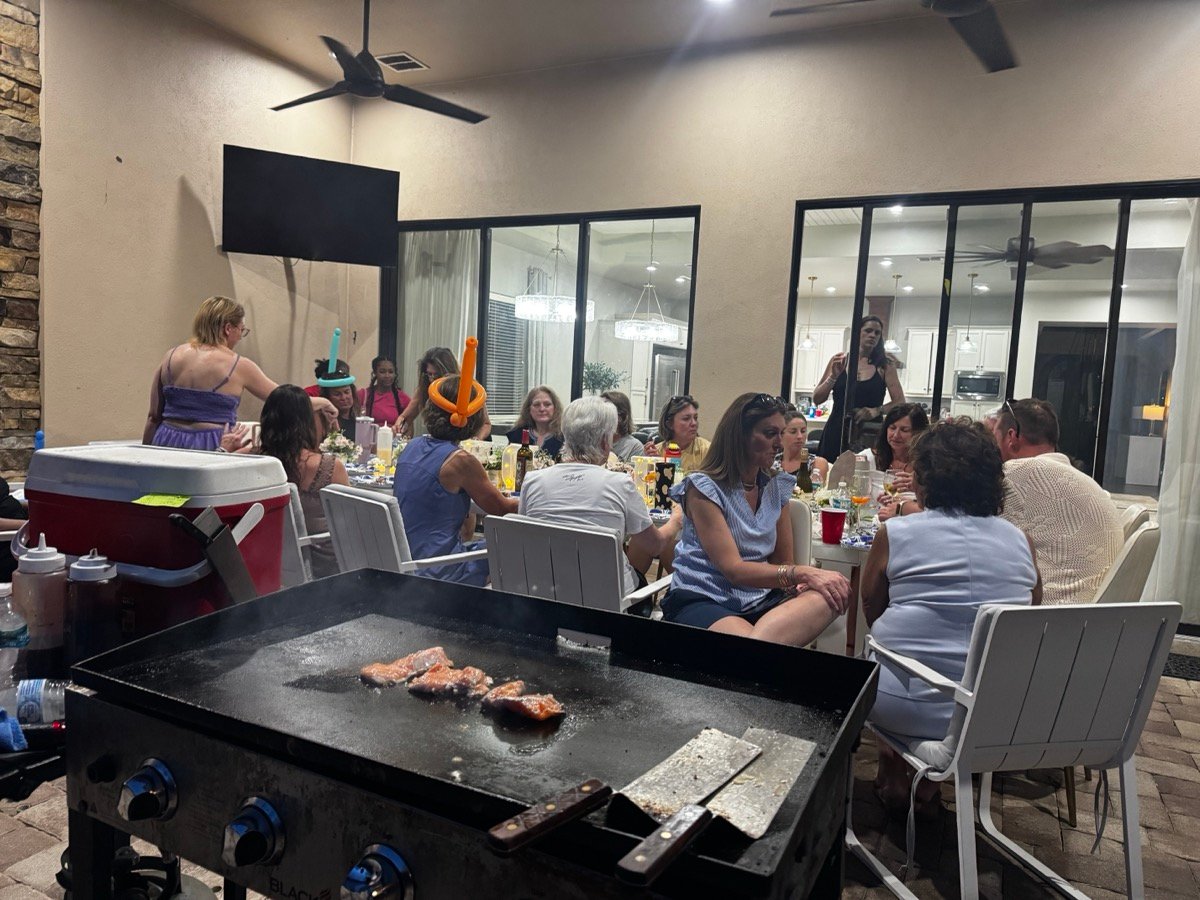
Outdoor hibachi looks simple from the guest’s point of view: a grill, a chef, some flames, and lots of fun. Behind the scenes, however, chefs are constantly managing heat, humidity, travel time, and limited infrastructure—all factors that can push food into the “danger zone” if not controlled. [hibachisakeke]
– Bacteria grow fastest between 40°F and 140°F, so perishable foods should not remain in this range for more than about two hours—and just one hour if temperatures exceed 90°F. [grillio]
– According to food safety authorities, keeping hot foods at 140°F or above and cold foods at 40°F or below is the baseline for safe catering. [imperialdade]
This is why professional hibachi teams treat your backyard more like a mobile kitchen than a casual cookout, planning for safe transport, set‑up, cooking, and service long before they ever light the grill. [food-safety]
How Professional Hibachi Chefs Plan for Safe Backyard Events
From birthdays to corporate off‑sites, outdoor hibachi events follow a structured safety workflow that starts well before the chef knocks on your door. [hibachiwithus]
Key planning steps include:
1. Menu design for the environment – Selecting proteins and sides that travel well, reheat safely, and hold their texture outdoors. [fsrmagazine]
2. Logistics and timing – Mapping travel time, arrival window, and cook time so food doesn’t sit in the danger zone. [hibachiwithus]
3. Equipment selection – Choosing grills, coolers, tents, and hand‑washing solutions suited to your driveway, patio, or backyard layout. [scfbins]
This planning phase ensures that when the show starts—flames, tricks, and all—the safety foundations are already in place. [imperialdade]
Temperature Control: Keeping Hot Foods Hot & Cold Foods Cold
If you remember only one rule of outdoor food safety, it should be temperature control. Professional hibachi teams build their entire workflow around keeping foods out of the danger zone. [hgic.clemson]
Cold Chain: Before the Grill
– Chilled transport: Meats, seafood, and poultry are stored in insulated coolers with ice packs or gel packs, kept at or below 40°F until cooking. [grillio]
– Separate storage: Raw proteins are stored separately from salads, sauces, and garnishes to prevent cross‑contamination. [fsrmagazine]
– Batch preparation: Ingredients are pulled from coolers in small batches so nothing sits at room temperature while the chef entertains guests. [hibachiwithus]
On the Grill: Cooking to Safe Internal Temperatures
Chefs use calibrated food thermometers rather than guessing by appearance. Typical safe minimum internal temperatures include: [hgic.clemson]
| Food Type | Safe Internal Temperature (Approx.) | Notes |
|---|---|---|
| Poultry (chicken, turkey) | 165°F | Standard guideline for fully cooked poultry. imperialdade |
| Ground meats | 155–160°F | Extra cooking due to higher contamination risk. imperialdade |
| Whole cuts of beef, pork, fish | 145°F | Often followed by a brief rest. imperialdade |
| Reheated hot foods (buffet style) | 165°F | Ensures safe reheating. imperialdade |
Once cooked, hot items are kept at or above 140°F using grill heat, insulated containers, or chafing setups until they’re served. [grillio]
After Cooking: Time Limits
For guest safety, professional caterers follow strict time rules:
– Perishable foods are not left out for more than two hours, or one hour in very hot conditions. [imperialdade]
– Chefs rotate out smaller portions rather than leaving one large tray on the service table, refreshing dishes from safe storage as needed. [imperialdade]
This time‑and‑temperature discipline is what separates professional hibachi catering from a casual backyard cookout. [hibachiwithus]
Preventing Cross‑Contamination in Outdoor Settings
Outdoor environments expose food to dust, insects, and other contaminants, so segregation and sanitation are core principles. [fsrmagazine]
Professional hibachi chefs rely on:
– Separate cutting boards and utensils for raw meats versus ready‑to‑eat items like salads, sauces, and grilled vegetables. [grillio]
– Dedicated gloves when handling raw proteins, then switching to new gloves or washed hands before plating. [grillio]
– Clean surfaces and tools, regularly sanitized between tasks to limit bacteria transfer. [hibachiwithus]
Ready‑to‑eat foods are kept covered and away from raw items, often using lids, mesh domes, or tenting to keep insects, leaves, and pollen away from serving areas. [fsrmagazine]
Maintaining Food Quality and Freshness On‑Site
Food safety is only half the story—guests also expect restaurant‑level flavor and texture. To deliver both, hibachi chefs carefully control: [hibachisakeke]
– Prep timing: Fresh vegetables are washed and cut close to service, and meats are marinated shortly before grilling to preserve texture. [grillio]
– Batch cooking: Chefs cook in cycles so each group of guests receives freshly grilled dishes rather than reheated leftovers. [imperialdade]
– Grill cleanliness: Griddles and grills are scraped and wiped between uses to prevent burnt residue and off flavors. [scfbins]
By treating your backyard as a professional station, chefs ensure the meal feels like a premium dining experience rather than a casual barbecue. [hibachisakeke]
Grill Safety, Fire Prevention, and Layout Design
A hibachi show’s dramatic flames are part of the experience—but they require careful safety planning. [scfbins]
Professional teams typically:
– Set grills at least several feet from buildings, fences, and overhanging branches to minimize fire risk. [scfbins]
– Stabilize the grill on a flat, fire‑safe surface; avoid unstable spots or wooden decks that can catch fire. [scfbins]
– Keep a fire extinguisher or water source within easy reach and never leave an active grill unattended. [scfbins]
For guest comfort, seating is arranged so everyone has a clear view while maintaining a safe buffer zone around the hot equipment. [sunshinehibachi]
Weather, Environment, and Contingency Planning
In Florida, Georgia, and the Carolinas, heat, humidity, and sudden showers are a fact of life. Professional hibachi services build these realities into their safety playbook. [hibachisakeke]
Common environmental controls include:
– Pop‑up tents, canopies, or umbrellas over the cooking and serving areas to shield food from direct sun and rain. [imperialdade]
– Shaded service zones so cold foods stay cooler and hot foods don’t dry out too quickly. [imperialdade]
– Flexible station layouts that adapt to patios, driveways, and backyards while maintaining safe distances for grills and gas lines. [sunshinehibachi]
Chefs also adjust their cooking pace in extreme heat, working in smaller batches to keep each plate as fresh—and safe—as possible. [hibachiwithus]
Communicating Food Safety to Hosts and Guests
Trust grows when guests can see and understand what chefs are doing to protect them. Many mobile hibachi services now make safety part of their brand promise. [food-safety]
This often includes:
– Explaining why certain rules exist, such as time limits on buffet items or separate areas for raw and cooked foods. [food-safety]
– Highlighting training, certifications, or adherence to local food codes so clients know the operation follows recognized standards. [oregon]
– Providing friendly reminders to guests, for example about allergen risks or safe storage of leftovers. [food-safety]
By turning safety into transparent practice, hibachi chefs build long‑term loyalty rather than treating each event as a one‑off. [food-safety]
Expert Corner: How a Mobile Hibachi Chef Thinks About Risk
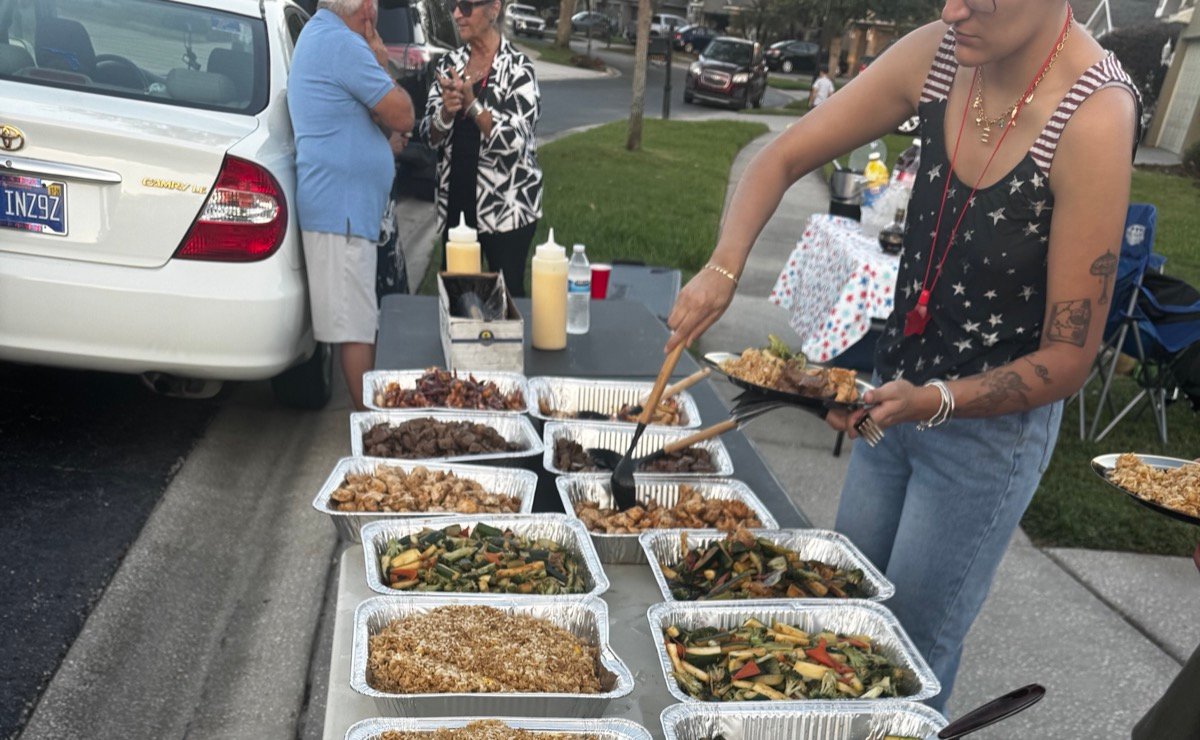
From a chef’s perspective, safe hibachi catering is about seeing risk before the guest ever arrives. That means thinking beyond recipes. [food-safety]
An experienced outdoor hibachi chef will:
– Walk the site on arrival to check traffic flow, grill placement, and guest seating against safety guidelines. [sunshinehibachi]
– Inspect equipment, gas connections, and fuel supplies before ignition to detect any leaks or instability. [scfbins]
– Assign clear roles among the team: one person focused on guest engagement, another on temperature checks and timing, and another on plating and cleanliness. [food-safety]
This risk‑aware mindset ensures that entertainment never compromises safety, even when juggling multiple dietary requests and a lively audience. [hibachionfire]
Real Guest Feedback: Why Safety and Service Matter
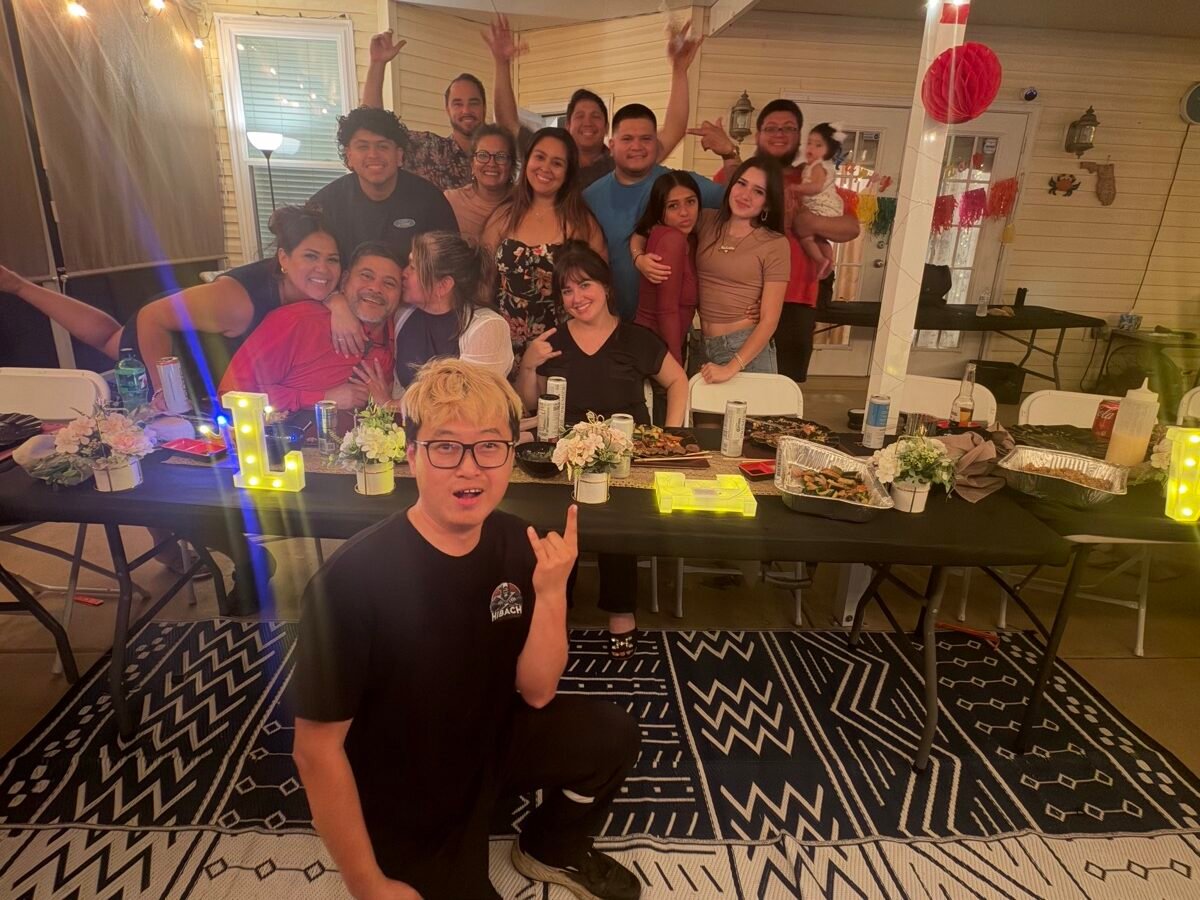
Many guests describe mobile hibachi events as some of the most memorable celebrations they’ve hosted, not only because of the food but because the experience feels organized and safe from start to finish. [hibachisakeke]
For example, customers praise mobile hibachi services for:
– Punctual arrival and professional demeanor from the chef. [hibachisakeke]
– Delicious, well‑seasoned food prepared on‑site and served at peak freshness. [hibachisakeke]
– Family‑friendly, interactive shows where guests of all ages feel included and comfortable. [hibachisakeke]
When guests notice both the fun and the discipline—clean tools, controlled flames, and attentive timing—it reinforces their confidence in booking again for birthdays, anniversaries, and corporate functions. [hibachisakeke]
Practical Tips for Hosts Planning a Backyard Hibachi Party
Even with a professional chef on site, hosts play a role in setting up a safe, smooth experience. These steps help your team perform at their best: [hibachiwithus]
1. Choose a suitable space
– Provide a flat, open area with enough clearance around the grill and seating. [sunshinehibachi]
– Keep children and pets away from the immediate cooking zone. [scfbins]
2. Share guest details in advance
– Provide headcount, dietary restrictions, and timing so your chef can plan batch sizes and menu adaptations safely. [hibachionfire]
3. Respect time windows
– Aim for on‑time guest arrivals so freshly cooked foods are enjoyed within safe serving periods. [grillio]
4. Handle leftovers carefully
– If you plan to keep leftovers, refrigerate them promptly, following standard food safety guidance. [grillio]
With these basics in place, your backyard becomes a safe extension of the chef’s mobile kitchen rather than an unpredictable environment. [hibachiwithus]
Why Choose a Professional Mobile Hibachi Service
Booking a backyard hibachi party is more than hiring someone to cook—it’s choosing a safety‑conscious partner for your celebration. [food-safety]
Professional hibachi services stand out because they offer:
– Trained chefs experienced in both showmanship and food safety protocols. [lovehibachi]
– Structured systems for sourcing, transporting, cooking, and serving food in line with modern food safety standards. [lovehibachi]
– Flexible menus that can accommodate guests from kids to corporate clients, while still operating within safe guidelines. [hibachionfire]
For events across Florida, Georgia, South Carolina, and North Carolina, a well‑run hibachi team transforms your space into a temporary open‑air restaurant—complete with the checks and balances you’d expect from a professional kitchen. [imperialdade]
Call to Action: Bring Safe, Live‑Show Hibachi to Your Next Event
If you’re planning a birthday party, family reunion, graduation, corporate gathering, or private luxury dinner, a mobile hibachi experience delivers both spectacle and peace of mind when food safety is taken seriously. [hibachiwithus]
Book your hibachi experience early—especially during peak seasons—so your chef has time to review your site, plan the menu, and tailor safety measures to your backyard or venue. By partnering with a professional team, you can relax and enjoy the show, knowing that every sizzle, flame, and plate served has been carefully designed for both flavor and safety. [imperialdade]
Frequently Asked Questions (FAQ)
1. How do mobile hibachi chefs keep food safe during transport?
Professional hibachi caterers use insulated coolers and hot boxes to maintain safe temperatures for raw and cooked foods, keeping cold items at or below 40°F and hot items at or above 140°F. Raw proteins are stored separately from ready‑to‑eat dishes to prevent cross‑contamination. [fsrmagazine]
2. Is backyard hibachi safe in hot and humid weather?
Yes—when managed by trained chefs, backyard hibachi can be safe even in hot, humid climates because they monitor both time and temperature carefully. Chefs cook in smaller batches, use shade or tents, and remove perishable foods within recommended time limits. [hgic.clemson]
3. What if my guests have food allergies or special diets?
Many travel hibachi services are experienced in handling different dietary preferences and allergies by using separate cooking areas, tools, and ingredients. Clear communication before the event allows the team to plan safe, customized options for guests with specific needs. [hibachionfire]
4. How is grill and fire safety handled at my home?
Chefs position grills away from buildings and overhead structures, stabilize equipment on flat surfaces, and keep fire extinguishers or water sources within reach. They also maintain a kid‑free safety zone around the cooking area and never leave a lit grill unattended. [sunshinehibachi]
5. Can I keep leftovers after a hibachi event?
You can keep leftovers if they have not stayed at room temperature beyond standard safety limits and are promptly refrigerated in shallow containers. Ask your chef which items are safe to store and for how long, especially with high‑risk foods like seafood and poultry. [grillio]
References
– Backyard Hibachi Catering and Food Safety: How Chefs Maintain Freshness in Outdoor Settings – Hibachi With Us.
https://www.hibachiwithus.com/blog/backyard-hibachi-catering-and-food-safety-howchefs-maintain-freshness-in-outdoor-settings [hibachiwithus]
– Essential Food Safety Tips for Outdoor Catering & Events – Imperial Dade.
https://www.imperialdade.com/blog/outdoor-catering-tips [imperialdade]
– Food Safety for Outdoor Cookouts – Clemson University HGIC.
https://hgic.clemson.edu/factsheet/food-safety-for-outdoor-cookouts/ [hgic.clemson]
– Safe Food Handling: A Chef’s Essential Guide – Grillio.
https://grillio.com/blog/safe-food-handling/ [grillio]
– Outdoor Cooking Safety Tips – South Carolina Farm Bureau Insurance.
https://www.scfbins.com/articles/outdoor-cooking-safety-tips [scfbins]
– Florida Hibachi Backyard Event – Hibachi Sakeke.
https://hibachisakeke.com/pages/florida-hibachi-backyard-event [hibachisakeke]
– Off‑Premises Dining Safety in the Restaurant and Foodservice Business – Food Safety Magazine.
https://www.food-safety.com/articles/7201-off-premises-dining-safety-in-the-restaurant-and-foodservice-business [food-safety]
– How Do Travel Hibachi Chefs Handle Different Dietary Preferences? – Hibachi On Fire.
https://hibachionfire.com/how-do-travel-hibachi-chefs-handle-different-dietary-preferences/ [hibachionfire]
Hot Tags: backyard hibachi catering, Customized, Custom, Suppliers, Cheap, Quality, Advanced, Durable, in Stock, Price, Quotation