
Content Menu
● Why Feeding 20 Guests Becomes Difficult in a Traditional Kitchen
● How a Private Hibachi Service Creates Faster Group Dining
>> The Hibachi Service Flow for 20 Guests
● Hibachi Service vs. a Traditional Kitchen for 20 People
● The Real Speed Advantage: Parallel Cooking Instead of Kitchen Bottlenecks
● A Better Timeline for Birthday Parties and Backyard Events
● Why Fresh-On-Site Cooking Feels Faster
● Food Safety and Service Timing Matter
>> Host Checklist for a Smooth Hibachi Setup
● How to Plan a Faster Hibachi Party for 20 Guests
>> 1. Confirm the Guest Count Early
>> 2. Collect Protein Choices Before the Event
>> 3. Design the Party Around One Main Dinner Window
>> 5. Let the Chef Be Part of the Event
● When Hibachi Service Is the Best Choice
● Make Your Next 20-Person Party Easier
>> How long does a private hibachi service take for 20 people?
>> Is mobile hibachi faster than cooking for 20 people at home?
>> What space do I need for a backyard hibachi party?
>> Can guests choose different proteins for a 20-person hibachi party?
>> Is private hibachi catering suitable for corporate events?
>> What should I prepare before the hibachi chef arrives?
>> Can a hibachi chef cater a birthday party at a vacation rental?
>> Why is an on-site hibachi dinner better than drop-off catering for a party?
When 20 guests arrive for a birthday, family reunion, graduation celebration, holiday gathering, corporate event, or luxury private dinner, the host faces one urgent question: How can everyone eat well without spending the entire event waiting on food?
A traditional kitchen often creates separate bottlenecks: limited burners, oven space, plating delays, repeated trips indoors, and food that cools while the final plates are prepared. By contrast, a professionally managed mobile hibachi service brings the grill, chef, ingredients, cooking performance, and serving flow directly to the party. For a group of 20, this can turn dinner from a drawn-out kitchen project into a coordinated, guest-facing experience.
At Hibachi Sake Sake, our private hibachi chefs serve celebrations across Florida, Georgia, South Carolina, and North Carolina. We bring the hibachi experience to backyards, patios, vacation homes, private venues, and outdoor event spaces—so the meal becomes part of the celebration rather than a reason for guests to leave it.
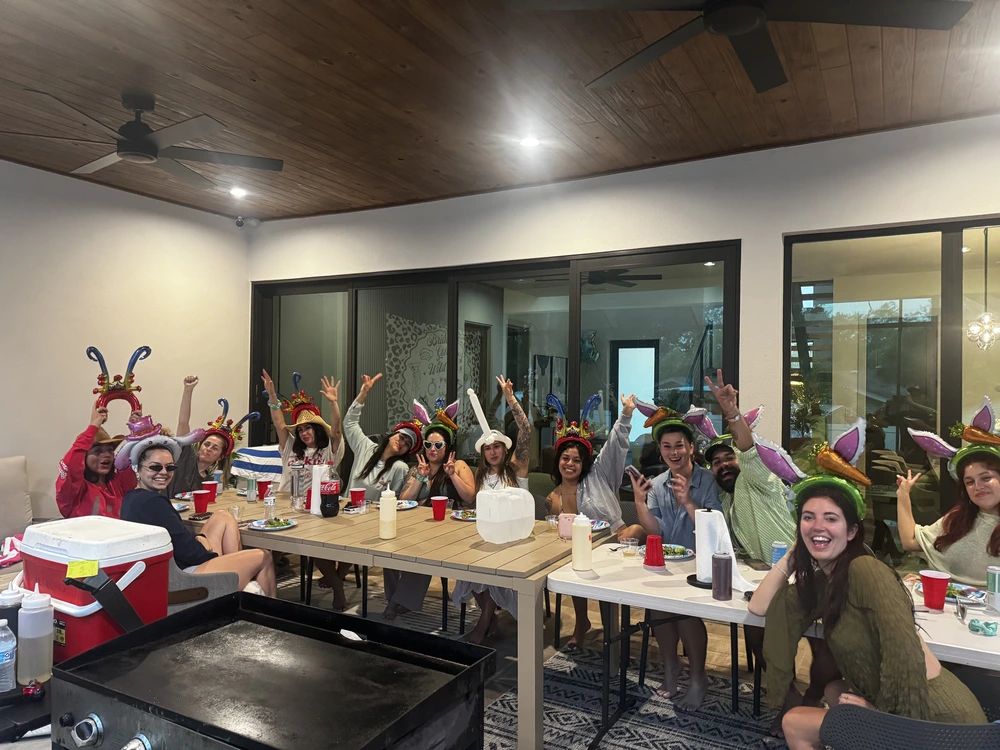
Why Feeding 20 Guests Becomes Difficult in a Traditional Kitchen
Cooking for 20 is not simply cooking for four people five times. Once the guest count increases, a home kitchen must manage multiple tasks at the same time:
- Different protein preferences
- Side dishes that finish at different times
- Limited stovetop and oven capacity
- Food plating and serving
- Temperature control
- Last-minute guest arrivals
- Host conversations, drinks, decorations, and event timing
Even an experienced home cook can feel pressure when every dish must be ready at the same moment.
A traditional kitchen is designed for daily household meals. It is not always designed for high-volume party service. The host may have one grill, a standard oven, a few pans, and limited counter space. That creates a service pattern where food is prepared in batches and guests eat at different times.
The first guests may receive hot steak and fried rice. The final guests may receive food after the chef—or the host—has already been cooking for over an hour.
That uneven timing affects more than convenience. It changes the social energy of the event.
When people eat at different times, the party can split into groups. Some guests are seated and eating. Others are standing in the kitchen, waiting for their plate. The host is often stuck moving between cooking, serving, and apologizing for delays.
A mobile hibachi setup solves this issue by making the cooking station the center of the party.
How a Private Hibachi Service Creates Faster Group Dining
A private hibachi chef uses a different operational model from the typical home kitchen. Rather than cooking separate meals behind closed doors, the chef prepares multiple ingredients on a large flat-top grill in a visible, organized sequence.
The workflow is designed for parallel cooking and group service.
The Hibachi Service Flow for 20 Guests
For many private events, the service process follows a practical rhythm:
- Arrival and setup
The chef arrives before the planned meal time to prepare the cooking area, organize ingredients, and confirm seating and safety space. - Guest welcome period
Guests can mingle, enjoy drinks, take photos, and settle in while the chef prepares for the performance. - Interactive cooking begins
The chef starts with crowd-pleasing elements such as vegetables, fried rice, eggs, and entertainment. - Proteins are cooked in planned batches
Chicken, steak, shrimp, salmon, tofu, or other selected options are prepared with timing that matches the group’s needs. - Guests are served in a coordinated window
Instead of a long line of individual plates emerging from a kitchen, the meal is completed close together, helping the full group begin dining at approximately the same time. - The party continues without kitchen cleanup stress
The host spends more time with guests and less time managing pans, plates, and indoor cooking equipment.
This approach is especially valuable for events where timing matters. A graduation party may have guests arriving from a ceremony. A birthday event may need dinner before cake and gifts. A corporate gathering may have a fixed agenda. A luxury private dinner may require an elegant, seamless flow.
Hibachi Service vs. a Traditional Kitchen for 20 People
| Service Factor | Traditional Home Kitchen | Private Mobile Hibachi Service |
|---|---|---|
| Cooking space | Limited burners, oven capacity, and counter space | Large flat-top cooking surface designed for batch preparation |
| Guest experience | Guests often wait away from the cooking area | Cooking becomes live entertainment |
| Host workload | High: shopping, prepping, cooking, plating, cleaning | Lower: chef manages the meal experience on-site |
| Serving timing | Often staggered across several rounds | More coordinated group serving |
| Food freshness | Earlier plates may sit while later plates are cooked | Food is prepared directly before service |
| Party atmosphere | Kitchen can become crowded and stressful | Grill area becomes a social focal point |
| Menu flexibility | More difficult when guests have varied preferences | Protein and vegetable choices can be planned before the event |
| Cleanup pressure | Host usually manages cookware and kitchen mess | Service is centered around the mobile cooking area |
The key advantage is not that hibachi cooking removes every preparation step. Professional service still requires planning, ingredient organization, and careful cooking. The advantage is that the process is built around serving a group efficiently while keeping guests engaged.
The Real Speed Advantage: Parallel Cooking Instead of Kitchen Bottlenecks
The fastest part of hibachi service is not just the grill itself. It is the ability to cook several meal components at once.
In a home kitchen, the host may need to use one pan for vegetables, another for chicken, another for rice, and an oven for side dishes. Each item has its own heat level and timing. The cook must also move between cooking, plating, checking temperatures, answering questions, and clearing space.
On a hibachi grill, a private chef can create dedicated cooking zones. One area may handle fried rice. Another may handle vegetables. Another may finish proteins. This controlled use of surface space makes the workflow more efficient.
What Happens on the Grill
A typical hibachi chef can organize a 20-person meal around components that cook at different speeds:
- Fried rice can be prepared early and maintained as part of the meal sequence.
- Vegetables can be cooked in batches with seasoning and sauces.
- Chicken can be cut into manageable pieces for even cooking.
- Steak can be prepared with attention to guest preferences.
- Shrimp and seafood can be cooked quickly toward the final serving stage.
- Vegetarian selections can be planned and cooked with separate handling procedures when requested.
This is a meaningful difference from serving 20 separate restaurant-style entrées from a residential kitchen.
A hibachi dinner is structured as a shared experience. That shared format reduces the number of individual decisions that slow service. Instead of preparing 20 highly customized plates from scratch, the chef prepares a coordinated meal with selected proteins, rice, vegetables, sauces, and sides.
The result is less idle waiting and more shared anticipation.
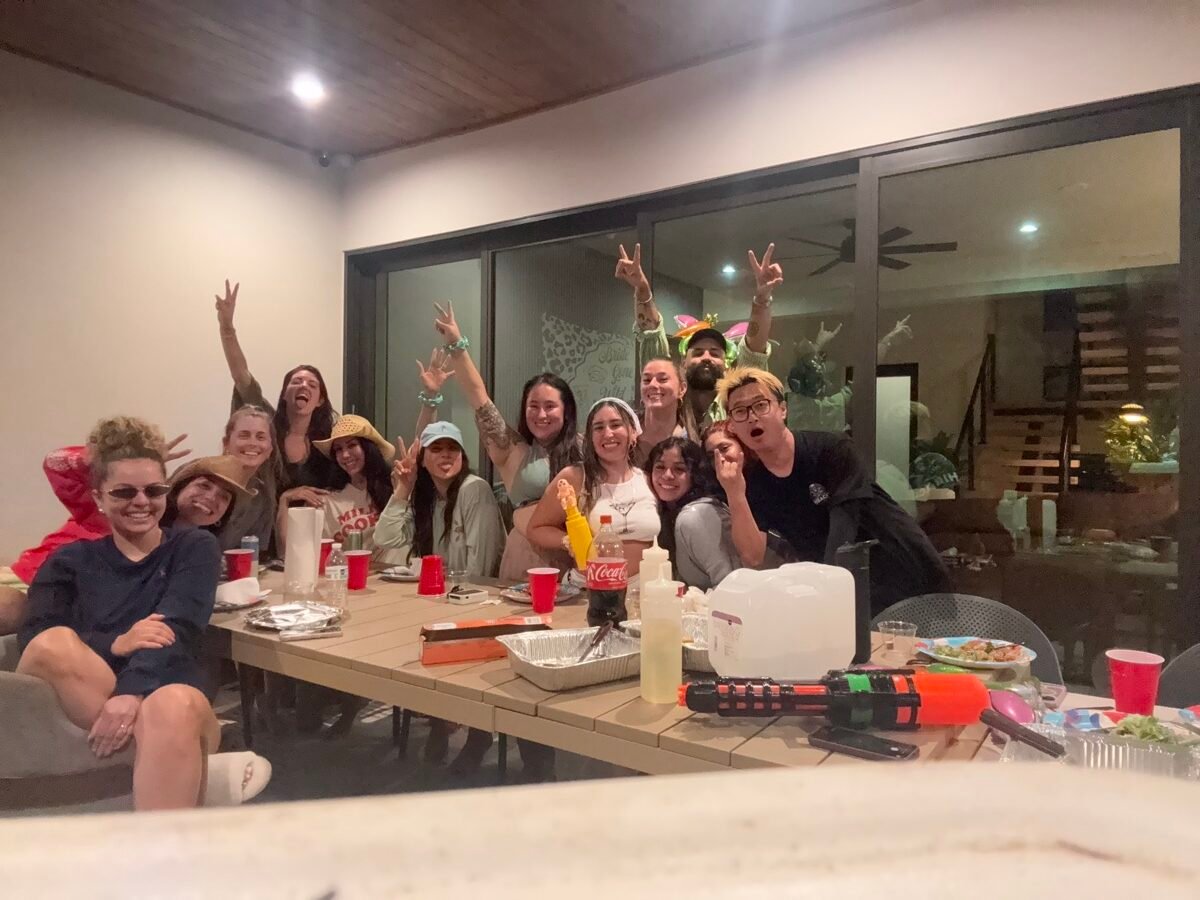
A Better Timeline for Birthday Parties and Backyard Events
For a host, speed is valuable only if it improves the event. A rushed meal with no atmosphere is not the goal. The ideal service creates enough pace to keep the party moving while giving guests time to enjoy the show.
Below is an example of how a 20-person backyard hibachi party can flow.
| Event Stage | Typical Purpose | Host Benefit |
|---|---|---|
| 30–60 minutes before meal time | Chef arrival, setup, guest-area check | Less last-minute pressure |
| Guest arrival window | Drinks, conversation, photos, seating | Guests stay social instead of waiting for dinner |
| Hibachi performance begins | Chef introduces the cooking experience | Entertainment begins before the meal is served |
| Main meal preparation | Rice, vegetables, proteins, interactive cooking | Food preparation remains visible and engaging |
| Coordinated dining | Guests receive fresh food in a close serving window | The group can eat together |
| Dessert, cake, speeches, or games | Celebration continues naturally | The host can follow the event schedule more easily |
For a birthday, this matters because dinner should not take over the entire evening. For a graduation celebration, it helps families move smoothly from meal time to speeches and photos. For a corporate event, it supports a more predictable run-of-show.
Why Fresh-On-Site Cooking Feels Faster
There is also a perception advantage. Guests are more patient when they can see the meal being prepared.
When food is hidden in a kitchen, waiting often feels longer. Guests do not know whether dinner is five minutes away or 35 minutes away. They may ask the host repeatedly, enter the kitchen, or begin looking for snacks.
With an outdoor hibachi catering experience, the cooking is visible. The chef’s movements, sounds, aromas, knife skills, and grill presentation provide real-time signals that dinner is progressing.
This matters for guest satisfaction.
Visible preparation turns waiting time into entertainment time.
The meal is not delayed in the same way because the cooking itself becomes part of the event. Guests can laugh, take videos, watch the chef’s performance, and interact with one another around the grill.
For families, that often means grandparents, parents, teenagers, and children all have something to enjoy at once. For business gatherings, it gives attendees a natural conversation point. For private luxury dinners, it adds theater without requiring the host to coordinate additional entertainment.
Food Safety and Service Timing Matter
Fast service should never mean careless service. A professional outdoor cooking experience requires attention to food handling, cooking temperatures, workspace cleanliness, and safe setup.
For hosts, the most useful principle is simple: food should be prepared, served, and enjoyed without unnecessary holding time.
Fresh hibachi cooking supports that goal because the chef prepares food close to the moment it is served. This helps avoid the quality loss that can occur when cooked food sits too long in warming trays, on counters, or in an oven.
For an outdoor party, hosts should also help create a safe and practical cooking area.
Host Checklist for a Smooth Hibachi Setup
Before your private hibachi chef arrives, confirm these essentials:
- Choose a flat, stable outdoor area for the grill setup.
- Keep the cooking zone clear of children, pets, decorations, and foot traffic.
- Provide adequate seating for the guest count.
- Make sure the area has enough open space for safe movement.
- Let the service team know about stairs, gates, narrow entryways, parking restrictions, or venue rules.
- Share dietary preferences and ingredient concerns before the event date.
- Plan your cake, speeches, games, or music around the expected dinner window.
- Have a weather backup plan for rain, wind, or extreme heat when appropriate.
These details may sound small, but they directly affect speed. A clear setup area allows the chef to focus on meal preparation rather than solving access or space problems after arrival.
How to Plan a Faster Hibachi Party for 20 Guests
A great experience begins before the grill is turned on. The most efficient events use a simple plan.
1. Confirm the Guest Count Early
The difference between 14 guests and 20 guests affects ingredients, grill timing, seating, and the service schedule. Ask guests to RSVP before finalizing your menu.
If your attendance is likely to change, provide the most accurate expected count possible. This helps the chef prepare the right amount of food and create a smoother serving plan.
2. Collect Protein Choices Before the Event
Avoid asking every guest to decide between steak, chicken, shrimp, salmon, or vegetarian options at the grill. That can slow the service flow.
Instead, collect preferences in advance. A simple group message can help:
“Please choose your preferred protein by Wednesday: chicken, steak, shrimp, salmon, or vegetarian.”
This small step reduces uncertainty on the event day.
3. Design the Party Around One Main Dinner Window
For 20 guests, a shared meal time is better than an open-ended “food whenever” approach.
Choose a clear arrival time and dinner start time. For example:
- Guests arrive at 5:30 p.m.
- Hibachi cooking begins at 6:15 p.m.
- Dinner service begins soon after the live cooking sequence
- Cake and gifts happen after dinner
This structure makes the evening feel relaxed, not rigid.
4. Keep Appetizers Light
Heavy appetizers can make guests less hungry by the time the hibachi meal is ready. Choose simple welcome snacks, drinks, or a light grazing option rather than building a second full meal.
The hibachi dinner should remain the centerpiece.
5. Let the Chef Be Part of the Event
Do not treat the grill as a hidden catering station. Position seating so guests can see the cooking safely. Encourage photos, conversation, and participation where appropriate.
A private hibachi chef does more than cook. The chef helps establish the rhythm of the celebration.
When Hibachi Service Is the Best Choice
Mobile hibachi catering is especially effective when you want food and entertainment to happen together.
It is a strong fit for:
- Birthday parties where guests want a memorable group activity
- Family reunions with several generations at one table
- Holiday celebrations that need a break from traditional home cooking
- Graduation parties with a structured event schedule
- Corporate events that benefit from interactive dining
- Vacation-home gatherings where guests do not want to spend the day cooking
- Backyard parties that need a clear centerpiece
- Private luxury dinners where presentation and personalization matter
A traditional caterer may deliver trays. A restaurant reservation may separate the group from the comfort of home. A home-cooked meal may require the host to work through the party.
A private hibachi experience combines these needs: freshly prepared food, live performance, and at-home convenience.
Make Your Next 20-Person Party Easier
Feeding 20 people does not need to mean standing in the kitchen all night, serving food in waves, or missing your own celebration.
With Hibachi Sake Sake, the grill comes to your location. Your guests can enjoy fresh hibachi cooking, a lively chef-led experience, and a meal designed to keep the group together. Whether you are planning a backyard birthday in Florida, a family celebration in Georgia, a graduation party in South Carolina, or a private dinner in North Carolina, a mobile hibachi service can make dinner one of the most memorable parts of the event.
Reserve your private hibachi experience early, confirm your guest count and menu preferences, and give yourself the freedom to enjoy the party with everyone else.
Frequently Asked Questions
How long does a private hibachi service take for 20 people?
Timing depends on the menu, guest preferences, cooking setup, and event format. For a group of 20, the chef typically plans the cooking and entertainment around a coordinated meal service rather than preparing 20 completely separate restaurant-style orders. Confirm the expected timeline when booking your event.
Is mobile hibachi faster than cooking for 20 people at home?
For many events, yes. A mobile hibachi service is designed for group cooking on a large flat-top grill, allowing the chef to prepare rice, vegetables, and proteins in an organized sequence. This reduces the separate pan, oven, plating, and serving bottlenecks common in a home kitchen.
What space do I need for a backyard hibachi party?
You need a safe, stable, reasonably open area for the grill and chef to work. Outdoor spaces are often ideal. Before booking, share details about your patio, backyard, driveway, deck, venue, stairs, parking, gates, seating, and local venue requirements.
Can guests choose different proteins for a 20-person hibachi party?
Yes, menu options can often include different proteins such as chicken, steak, shrimp, seafood, or vegetarian selections. Providing choices in advance helps the chef plan the cooking flow and can make service more efficient.
Is private hibachi catering suitable for corporate events?
Yes. It works well for team celebrations, client events, employee appreciation gatherings, and company holiday parties. The format provides a meal, conversation starter, and live entertainment element in one experience.
What should I prepare before the hibachi chef arrives?
Prepare a clear outdoor cooking area, seating for guests, easy access to the venue, and any event details the service team needs. Send guest counts, menu preferences, dietary needs, schedule details, and site limitations before the event date.
Can a hibachi chef cater a birthday party at a vacation rental?
Often, yes, provided the rental property permits outdoor cooking and has an appropriate space for the setup. Always check property rules and notify the service team about parking, access, noise limitations, and venue restrictions.
Why is an on-site hibachi dinner better than drop-off catering for a party?
Drop-off catering can be convenient, but the food may need to be held, reheated, or served by the host. An on-site hibachi dinner is prepared fresh in front of guests, creating a more interactive meal and reducing the host’s responsibility for cooking and timing.
References
1. U.S. Department of Agriculture, Food Safety and Inspection Service – “Danger Zone (40°F–140°F)” – Guidance on temperature control for perishable foods and hot-food holding. https://www.fsis.usda.gov/food-safety/safe-food-handling-and-preparation/food-safety-basics/danger-zone-40f-140f
2. U.S. Food and Drug Administration – “Safe Food Handling” – Food handling guidance and minimum internal temperature information for common foods. https://www.fda.gov/food/buy-store-serve-safe-food/safe-food-handling
3. Clemson Cooperative Extension, Home & Garden Information Center – “Food Safety for Community Suppers” – Practical guidance on safe food preparation, holding, temperature monitoring, and serving for group meals. https://hgic.clemson.edu/factsheet/food-safety-for-community-suppers/
4. National Restaurant Association – “Off-Premises Restaurant Trends 2025” – Industry information on consumer interest in off-premises dining experiences. https://restaurant.org/research-and-media/research/research-reports/off-premises-restaurant-trends-2025/
5. National Restaurant Association – “Off-Premises Dining Now Essential for Restaurant Consumers” – Report discussing the continued importance of off-premises restaurant occasions. https://restaurant.org/research-and-media/media/press-releases/from-trend-to-transformation-off-premises-dining-now-essential-for-restaurant-consumers,-operators/
6. National Restaurant News – “Optimizing Your Off-Premises Operations” – Industry discussion of operational considerations for delivery, carryout, and catering services. https://www.nrn.com/restaurant-technology/optimizing-off-premises-operations
Hot Tags: Private Hibachi Catering, Mobile Hibachi Service, Hibachi Catering Services, Hibachi Chef At Home, Private Hibachi Chef, Outdoor Hibachi Catering, Backyard Hibachi Party, Corporate Hibachi Catering, Hibachi Party Catering, Private Event Catering