
Book Party Occasion Hibachi
Content Menu
● Rehearsal Dinner vs. Main Reception at a Glance
● Why Hibachi Works for Wedding Events
● Hibachi for a Wedding Rehearsal Dinner
>> The Best Reasons to Choose Hibachi for a Rehearsal Dinner
>> The Guest Experience at a Hibachi Rehearsal Dinner
>> When a Rehearsal Dinner Is the Better Choice
● Hibachi for the Main Wedding Reception
>> What Makes a Hibachi Reception Special
>> The Operational Challenge of Larger Guest Counts
>> When a Main Reception Is the Better Choice
● The Most Important Planning Difference: Intimacy vs. Production
>> A Practical Decision Framework
● Menu Design for a Wedding Hibachi Experience
>> Build a Menu Around Guest Confidence
● Venue, Weather, and Safety Checklist
● Expert Recommendation: Use Hibachi Where It Creates the Most Meaning
● Plan Your Wedding Hibachi Experience
>> Is hibachi catering better for a rehearsal dinner or wedding reception?
>> How many guests can attend a hibachi wedding event?
>> Can mobile hibachi catering be hosted at a wedding venue?
>> What should couples ask before booking hibachi wedding catering?
>> Is hibachi appropriate for a formal wedding?
>> What happens if it rains during an outdoor hibachi wedding event?
>> Can hibachi catering accommodate vegetarian guests and food allergies?
Choosing between hibachi grill catering for a wedding rehearsal dinner and a hibachi wedding reception is not simply a menu decision. It affects the guest experience, event pacing, venue requirements, budget structure, and the role food plays in your celebration.
For couples planning weddings in Florida, Georgia, South Carolina, or North Carolina, a mobile hibachi experience can turn a standard wedding meal into a memorable live performance. The key is matching the format to the occasion. A rehearsal dinner benefits from intimacy, flexibility, and conversation. A main reception requires more careful coordination, stronger venue compatibility, and a service plan that works for a larger crowd.
At Hibachi Sake Sake, we see firsthand that the most successful wedding events are the ones where the hibachi experience supports the couple’s priorities: bringing families together, creating an elevated atmosphere, keeping guests engaged, and making the meal feel personal rather than routine.
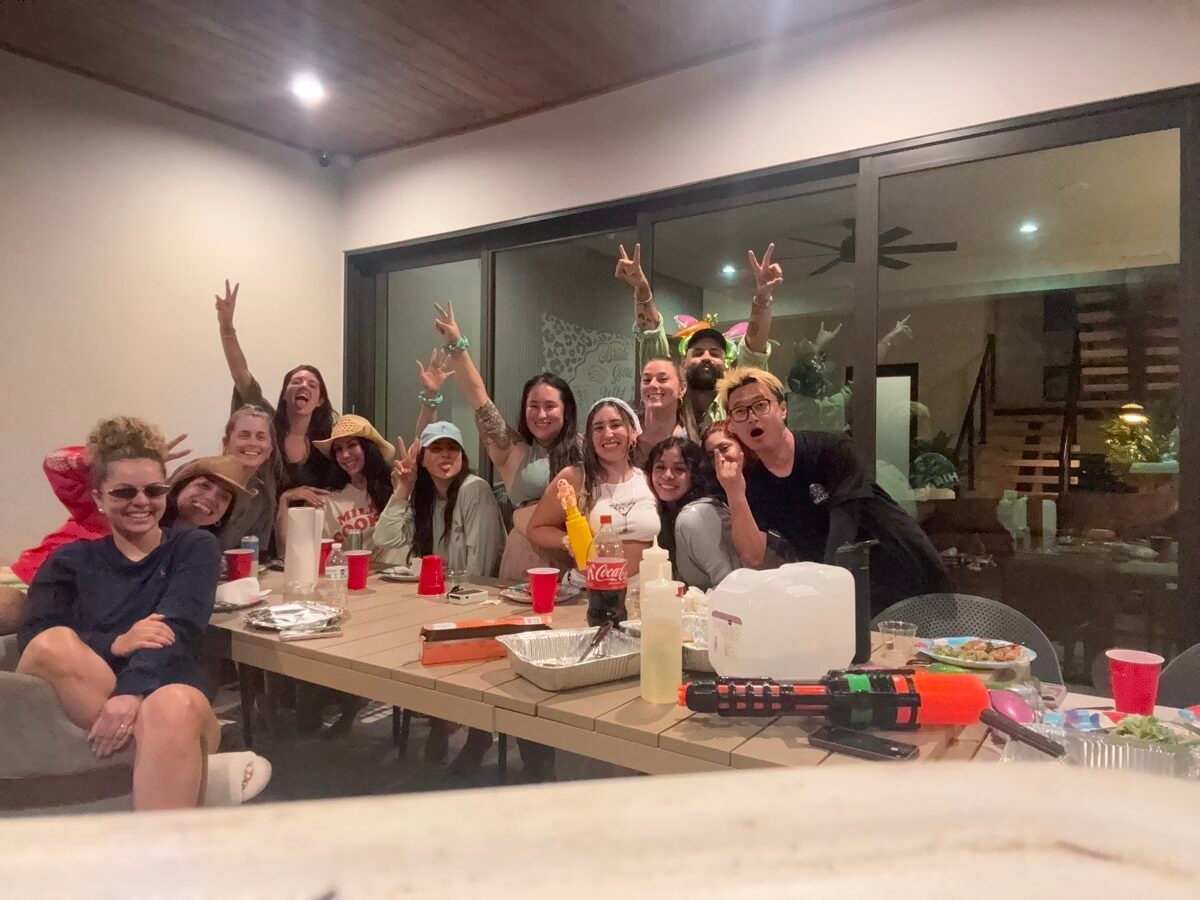
Rehearsal Dinner vs. Main Reception at a Glance
Both events can work beautifully with private hibachi catering. However, they serve very different purposes during a wedding weekend.
| Consideration | Hibachi Rehearsal Dinner | Hibachi Main Reception |
|---|---|---|
| Primary purpose | Welcome guests and connect families | Celebrate the marriage with the full guest list |
| Typical atmosphere | Relaxed, intimate, conversational | High-energy, polished, schedule-driven |
| Guest count | Often smaller and more selective | Usually larger and more complex |
| Best setting | Backyard, vacation rental, private estate, patio, outdoor venue | Venue with approved outdoor cooking space or a dedicated catering area |
| Food service role | The central activity of the evening | One major part of a full reception timeline |
| Planning complexity | Moderate | High |
| Best for | Family gatherings, wedding parties, destination wedding weekends | Couples wanting dinner and entertainment combined |
| Menu flexibility | Usually very flexible | Requires more advance coordination |
| Weather impact | Easier to adapt with smaller groups | Requires a robust backup plan |
| Ideal tone | Warm, personal, interactive | Dramatic, festive, guest-facing |
A rehearsal dinner is usually the easier place to introduce mobile hibachi catering. The gathering is smaller, the schedule is more forgiving, and guests have time to enjoy the chef’s performance. A main reception can be equally impressive, but it demands stronger event logistics.
Recent wedding data also shows why couples carefully weigh both options. The Knot reports an average wedding cost of $34,200, an average guest count of 117, an average catering cost of $80 per guest, and an average rehearsal dinner cost of $2,800. That financial reality makes it important to decide where an interactive food experience will provide the greatest value for your particular celebration.
Why Hibachi Works for Wedding Events
Hibachi is not passive catering. Guests do not simply receive a plated meal and return to their seats. They gather around the grill, watch the chef cook in real time, enjoy the sounds and aromas of the meal, and share reactions with the people beside them.
That creates several advantages for wedding celebrations:
– Built-in entertainment: The chef’s live cooking performance gives guests an experience beyond dinner.
– A natural conversation starter: It helps relatives, friends, and wedding-party members connect when they may be meeting for the first time.
– Made-to-order appeal: Guests can often choose among proteins, vegetables, fried rice, and other menu options.
– Flexible event styling: A hibachi setup can fit an upscale backyard dinner, a coastal rental property celebration, an outdoor estate wedding, or a relaxed pre-wedding gathering.
– A memorable alternative: It can feel more personal and distinctive than a conventional buffet or banquet meal.
Interactive food stations are also a notable wedding-food direction, alongside personalized menus, plant-forward choices, family-style dining, and late-night mobile food concepts. These trends reflect a larger shift: couples increasingly want the meal to express their personalities and give guests something to remember.
For a wedding weekend, hibachi works best when the couple does not view food as a necessary break between major moments. Instead, the meal becomes one of those major moments.
Hibachi for a Wedding Rehearsal Dinner
A hibachi rehearsal dinner is often the strongest fit for a mobile private-chef experience. It combines the emotional warmth of a family meal with the excitement of an event.
The night before the wedding can be emotionally busy. Families are arriving. The wedding party may be tired from travel. Parents, siblings, longtime friends, and future in-laws may be meeting in one place for the first time. A live hibachi dinner gives everyone an easy shared activity without making the evening feel overly formal.
The Best Reasons to Choose Hibachi for a Rehearsal Dinner
A rehearsal dinner is not required to look or feel like a mini reception. In fact, many couples prefer it to be more relaxed than the wedding day itself.
Hibachi creates that balance.
Guests have a memorable meal, but the atmosphere remains informal. There is no need for extensive table service, a complex plated-dinner sequence, or a rigid entertainment schedule. The chef provides energy and structure while leaving room for speeches, welcome drinks, toasts, and casual conversation.
A private hibachi rehearsal dinner is especially well suited for:
– Couples hosting a destination wedding weekend
– Families staying at a large vacation rental
– Backyard wedding weekends
– Beach-area celebrations with outdoor entertaining space
– Smaller weddings with a close guest list
– Couples who want both families to mingle before the ceremony
– Wedding parties seeking a more relaxed alternative to a restaurant buyout
Industry guidance commonly places rehearsal-dinner attendance in the range of roughly 20 to 75 guests, though the actual number depends on the size and style of the wedding. That scale often aligns well with a mobile hibachi experience because guests can be organized into comfortable cooking-and-seating groups.
The Guest Experience at a Hibachi Rehearsal Dinner
The best rehearsal dinners feel welcoming from the first arrival. Guests should understand that they are not attending a formal banquet; they are being invited into a shared celebration.
A thoughtful flow may look like this:
1. Guests arrive for drinks and informal greetings.
2. The couple welcomes family members and the wedding party.
3. The chef begins the live hibachi experience.
4. Guests enjoy dinner in smaller social groups around the grill.
5. Parents, siblings, or friends offer short toasts.
6. The evening ends early enough for the couple and wedding party to rest before the ceremony.
This format helps prevent a common rehearsal-dinner problem: too much formality before an already full wedding day. Instead of creating another event that feels heavily produced, hibachi creates an evening that feels hosted.
When a Rehearsal Dinner Is the Better Choice
Choose hibachi for the rehearsal dinner when you want the food experience to deepen relationships rather than manage a very large room.
It is often the better choice if:
– You have fewer than 75 attendees.
– You want meaningful interaction between families.
– Your reception venue has strict outside-catering rules.
– You prefer a private home, villa, patio, or rental-property setting.
– Your wedding-day timeline already includes a formal plated dinner, buffet, cocktail hour, band, DJ, and speeches.
– You want to give out-of-town guests a distinct local-style experience before the wedding.
A rehearsal dinner can carry the emotional heart of the wedding weekend. The reception is often where couples celebrate with everyone. The rehearsal dinner is where they have time to truly connect with the people closest to them.
Hibachi for the Main Wedding Reception
A hibachi wedding reception can be spectacular. It can give guests a sense of theater, energy, and participation that a standard catered meal may not create.
However, it is not a simple substitute for a traditional catered dinner. It needs to be designed around the reception—not added at the last minute.
The main reception typically has more moving parts: cocktail hour, entrances, first dances, speeches, dinner, cake cutting, music, photography, and dancing. If hibachi is the dinner centerpiece, every part of the timeline needs to support the service style.
What Makes a Hibachi Reception Special
At its best, a hibachi reception turns dining into a live social experience. Guests see the food prepared fresh, enjoy the theatrical elements of the grill, and share the moment with the people at their table.
It can be particularly effective for couples who want:
– A nontraditional wedding reception
– An outdoor estate, garden, or waterfront celebration
– A luxury private dinner with a smaller guest list
– A wedding where food and entertainment are equally important
– A festive, high-energy dinner experience
– A reception with several chef stations serving groups in rotation
– A celebration that reflects Japanese-inspired flavors and interactive dining
The experience can also reduce the need to add separate dinner entertainment. Instead of having a quiet meal followed by a transition to music or activities, the meal itself has energy.
The Operational Challenge of Larger Guest Counts
The main difference between a rehearsal dinner and a reception is scale.
A smaller rehearsal dinner can often center around one or more grill setups, with a flexible timeline and guests who are willing to wait briefly between courses or rotations. A larger reception requires greater precision.
For example, a 120-person wedding reception cannot be treated like a 30-person backyard party. Couples and planners need to consider:
– How many guests can comfortably be served at one time
– How many grill stations and chefs are needed
– Whether guests will dine in scheduled rotations
– Where guests will sit while cooking is underway
– Whether the venue permits open-flame or high-heat cooking equipment
– How smoke, ventilation, flooring, noise, and guest flow will be managed
– How the hibachi service fits around speeches, first dances, and photography
– Whether the catering team needs a prep area, service entrance, water access, or power support
A polished mobile hibachi experience also depends on safe outdoor conditions. Providers commonly advise using a secure, level cooking surface, confirming approval from the property owner or venue, maintaining clear space around the chef’s work area, and arranging seating outside the operational zone.
When a Main Reception Is the Better Choice
Choose a hibachi main reception when you want your wedding dinner to be the signature experience of the entire event.
This is usually a strong fit when:
– Your guest count is manageable for the number of available chef stations.
– Your venue actively allows mobile hibachi catering.
– You have a substantial outdoor area with safe grill placement.
– You want an interactive alternative to formal plated service.
– Your guest list enjoys social, energetic dining.
– You are comfortable building the reception timeline around food service.
– You have a weather plan that protects the cooking area, staff, equipment, and guests.
For a more formal ballroom wedding, traditional venue catering may be easier to execute. For a private estate wedding, coastal backyard reception, or luxury outdoor celebration, mobile hibachi can become a defining feature.
The Most Important Planning Difference: Intimacy vs. Production
The central decision is simple:
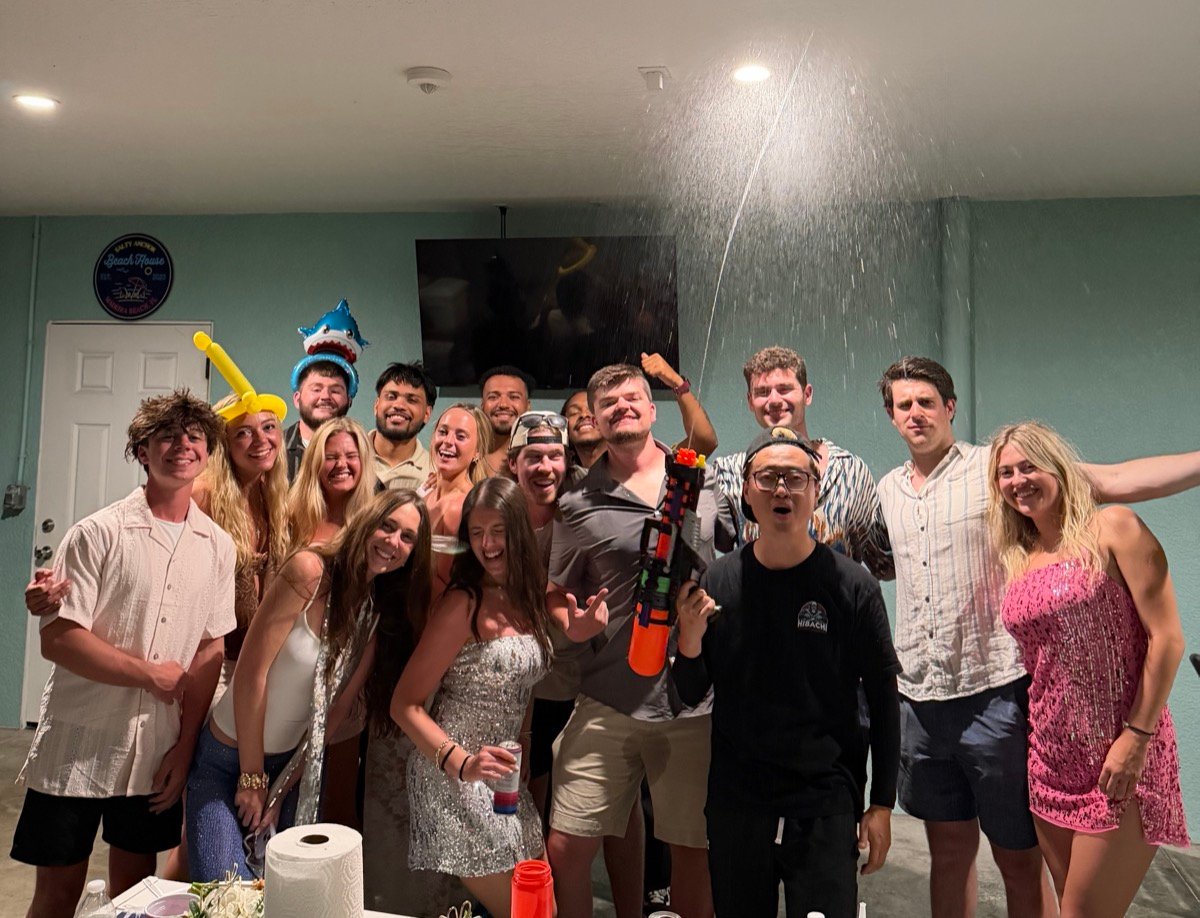
A rehearsal dinner is about connection. A main reception is about production.
At a rehearsal dinner, couples can prioritize relaxed pacing and personal interaction. If dinner runs 20 minutes longer than expected because guests are enjoying the chef’s show, the event usually still feels successful.
At a reception, timing affects everything. A delay in dinner can push speeches later, shorten dancing, affect vendor hours, disrupt photography, or create frustration for guests.
That does not mean hibachi is unsuitable for a reception. It means the event needs professional planning.
A Practical Decision Framework
Use these questions before deciding where hibachi belongs in your wedding weekend:
1. How many people will attend each event?
Count not only invited guests but also vendors, children, wedding-party members, and family members who will be present for dinner.
2. What is the desired emotional tone?
Choose the rehearsal dinner if you want warm, personal, and relaxed. Choose the reception if you want vibrant, guest-facing, and celebratory.
3. Does the venue support the setup?
Confirm outdoor space, surface conditions, safety clearance, property approval, local rules, and weather coverage before committing.
4. How important is schedule precision?
A reception requires detailed service timing. A rehearsal dinner allows more flexibility.
5. Do guests have dietary needs?
Collect allergy, vegetarian, vegan, gluten-sensitive, and child-meal requirements early. Never assume one menu format works for every guest.
6. What else is happening during dinner?
Consider speeches, photography, music, dancing, cultural traditions, and cake service. A hibachi meal should enhance those moments, not compete with them.
Menu Design for a Wedding Hibachi Experience
A strong menu is not necessarily the largest menu. It is the menu that feels generous, accommodates guests, and remains operationally realistic.
For a rehearsal dinner, couples can often offer a streamlined selection such as chicken, steak, shrimp, vegetables, fried rice, noodles, and salad. Smaller groups make individual preferences easier to manage.
For a reception, menu planning should be more structured. The goal is to deliver consistent quality across a larger guest list.
Build a Menu Around Guest Confidence
Guests should know what they can eat before they arrive at the grill. Clear menu communication makes the experience more enjoyable and safer.
A wedding menu plan should identify:
– Available proteins
– Vegetarian options
– Plant-forward alternatives
– Rice, noodle, and vegetable components
– Sauces and their ingredients
– Common allergens
– Child-friendly meals
– Dietary accommodations confirmed in advance
Personalized menus and dietary inclusivity have become increasingly important in wedding planning. Guests remember when couples make them feel considered, especially when they have allergies, cultural dietary preferences, or restrictions that affect their meal choices.
For an upscale private event, consider pairing hibachi with complementary elements: welcome cocktails, passed appetizers, a sushi-inspired starter, a refined dessert table, or late-night bites. The goal is to make the full menu feel intentional.
Venue, Weather, and Safety Checklist
For outdoor wedding hibachi catering, logistics are part of hospitality. A beautiful setting is only useful if it supports a safe, comfortable service environment.
Before booking, confirm the following:
– Venue approval: Ask whether outside caterers and mobile grill equipment are permitted.
– Cooking area: Choose a level, stable, open surface with sufficient clearance.
– Guest seating: Keep chairs and tables close enough for engagement, but outside the chef’s working area.
– Weather backup: Plan for rain, strong wind, extreme heat, or cold evenings.
– Access route: Make sure equipment can be moved from parking to the cooking site.
– Lighting: Outdoor receptions need practical lighting around walkways, seating, and service areas.
– Restrooms and handwashing access: Confirm guest comfort and operational needs.
– Noise expectations: Discuss music, chef performance, and neighborhood or venue restrictions.
– Rental-property rules: Vacation rentals, HOAs, and private communities may have specific policies.
At Hibachi Sake Sake, food safety and professional preparation remain central to every private event. A memorable live-cooking experience should feel fun for guests and controlled behind the scenes.
Expert Recommendation: Use Hibachi Where It Creates the Most Meaning
If you are deciding between the two, the rehearsal dinner is usually the more natural fit for mobile hibachi catering. It offers greater flexibility, more family interaction, and less pressure on the timeline.
That said, a main reception can be the right choice when the wedding is intentionally designed around an outdoor, interactive, chef-led dinner experience. In that case, hibachi should be part of the event plan from the beginning—not a late catering substitution.
A useful rule is this:
– Choose a hibachi rehearsal dinner when you want a personal welcome event that helps families bond.
– Choose a hibachi main reception when you want live cooking to be one of the defining memories of the wedding itself.
– Consider a hybrid approach when you want the best of both: hibachi for the rehearsal dinner and a different dining format for the reception, or hibachi as a late-night feature at the reception.
Plan Your Wedding Hibachi Experience
Your wedding food should do more than fill a schedule. It should bring people together.
Whether you are hosting an intimate rehearsal dinner, a backyard wedding weekend, an outdoor reception, or an elevated private celebration, Hibachi Sake Sake can help you plan a mobile hibachi experience that fits your guest count, venue, timeline, and menu needs across Florida, Georgia, South Carolina, and North Carolina.
Contact Hibachi Sake Sake to discuss your wedding date, event location, estimated guest count, preferred menu, and the kind of celebration you want your guests to remember.
Frequently Asked Questions
Is hibachi catering better for a rehearsal dinner or wedding reception?
Hibachi catering is often easier to organize for a rehearsal dinner because the guest list is typically smaller and the schedule is more flexible. It can also work for a wedding reception when the venue allows the setup, the guest count is planned around available chef stations, and the dinner timeline is carefully coordinated.
How many guests can attend a hibachi wedding event?
Capacity depends on the available outdoor space, number of grill stations, chef availability, event timing, and the desired level of service. Smaller rehearsal dinners are usually simpler, while larger receptions may require multiple stations and staggered dining arrangements.
Can mobile hibachi catering be hosted at a wedding venue?
Yes, if the venue permits outside catering and mobile cooking equipment. Couples should verify venue policies, cooking-surface requirements, fire-safety rules, access routes, weather planning, and space needed for guest seating before booking.
What should couples ask before booking hibachi wedding catering?
Ask about minimum guest requirements, menu options, allergy accommodations, children’s meals, cooking-area requirements, weather procedures, travel coverage, venue approval, table and chair needs, chef-station capacity, service timing, and cleanup expectations.
Is hibachi appropriate for a formal wedding?
Yes. Hibachi can feel casual, upscale, or luxurious depending on the venue, guest count, table styling, menu selection, beverage service, décor, and event flow. It is especially effective for couples who want a refined but interactive dining experience.
What happens if it rains during an outdoor hibachi wedding event?
Couples should establish a weather backup plan before confirming the booking. The plan may involve a covered outdoor area, an approved tent configuration, a different protected cooking location, or another safe venue-approved solution. Do not assume a grill can operate in every covered area.
Can hibachi catering accommodate vegetarian guests and food allergies?
It can, but dietary requirements must be communicated clearly before the event. Couples should provide the caterer with a complete list of allergies, vegetarian or vegan needs, gluten-sensitive requirements, and child-meal preferences well in advance.
References
1. The Knot. “[This Is the Average Wedding Cost, Backed By Data].” Accessed September 2026.
2. The Knot. “[2026 Wedding Food Trends to See Before Planning Your Menu].” Published October 28, 2025.
3. Randy Peters Catering. “[Rehearsal Dinner Catering Ideas for Stress-Free Wedding Weekends].” Accessed September 2026.
4. Hibachi at Home King. “[Hibachi at Home Anna Maria Island, FL].” Accessed September 2026.
5. Hibachi Sake Sake. “[Mobile Hibachi Catering for Private Parties in Florida, Georgia, South Carolina and North Carolina].” Accessed September 2026.
Hot Tags: Hibachi Grill Catering, Party Occasion Hibachi, Event Catering Solutions, Wedding Catering Services, Mobile Hibachi Catering, Wedding Rehearsal Dinner Catering, Hibachi Wedding Reception, Private Chef Catering, Outdoor Wedding Catering, Luxury Wedding Catering, Backyard Wedding Catering, Corporate Event Catering, book, hire, near me, pricing, cost, quote, private, at home, backyard, mobile