
Content Menu
● The Core Difference: Dining Experience vs. Food Distribution
● Why a 10-Person Hibachi Service Feels More Personal
>> The Chef Becomes Part of the Celebration
● Where a 50-Person Buffet Delivers More Value
● A Closer Comparison of Cost, Time, and Hosting Effort
>> The Hidden Cost of Guest Flow
● Freshness, Food Safety, and Outdoor Event Planning
>> Questions to Ask Any Caterer
● When 10 Guests Is the Ideal Hibachi Group Size
>> Best Occasions for an Intimate Hibachi Dinner
● When a 50-Person Buffet Is the Better Operational Choice
● A Hybrid Option for Larger Celebrations
● How to Choose the Right Service in Five Steps
● Why Hibachi Sake Sake Is Built for Meaningful Gatherings
>> Is a 10-person hibachi service worth it for a small party?
>> Is a buffet cheaper than private hibachi catering?
>> How much space does an at-home hibachi party need?
>> Is mobile hibachi suitable for a backyard birthday party?
>> Can a hibachi chef accommodate dietary restrictions?
>> Is a buffet better for a 50-person graduation party?
>> What should I ask before booking outdoor catering?
Planning a memorable celebration is not only about feeding guests. It is about deciding how people will feel during the event. For hosts planning a birthday, family reunion, graduation party, holiday gathering, corporate celebration, or luxury dinner in Florida, Georgia, South Carolina, or North Carolina, the decision often comes down to a 10-person hibachi service vs. a 50-person buffet.
A mobile hibachi experience is built around live cooking, shared conversation, chef interaction, and made-to-order plates. A traditional buffet is built around variety, self-service, and efficiently serving a larger crowd. Both can work well—but they create fundamentally different kinds of events. For an intimate group, private hibachi catering can turn a meal into the main attraction. For a high-volume gathering with a broad guest list, buffet catering may provide practical scale.
At Hibachi Sake Sake, we see the difference firsthand: smaller groups often want a personal experience with a chef, while larger events frequently prioritize speed, capacity, and menu flexibility. This guide helps hosts select the service model that best fits their guest count, venue, budget structure, event pace, and desired atmosphere.
The Core Difference: Dining Experience vs. Food Distribution
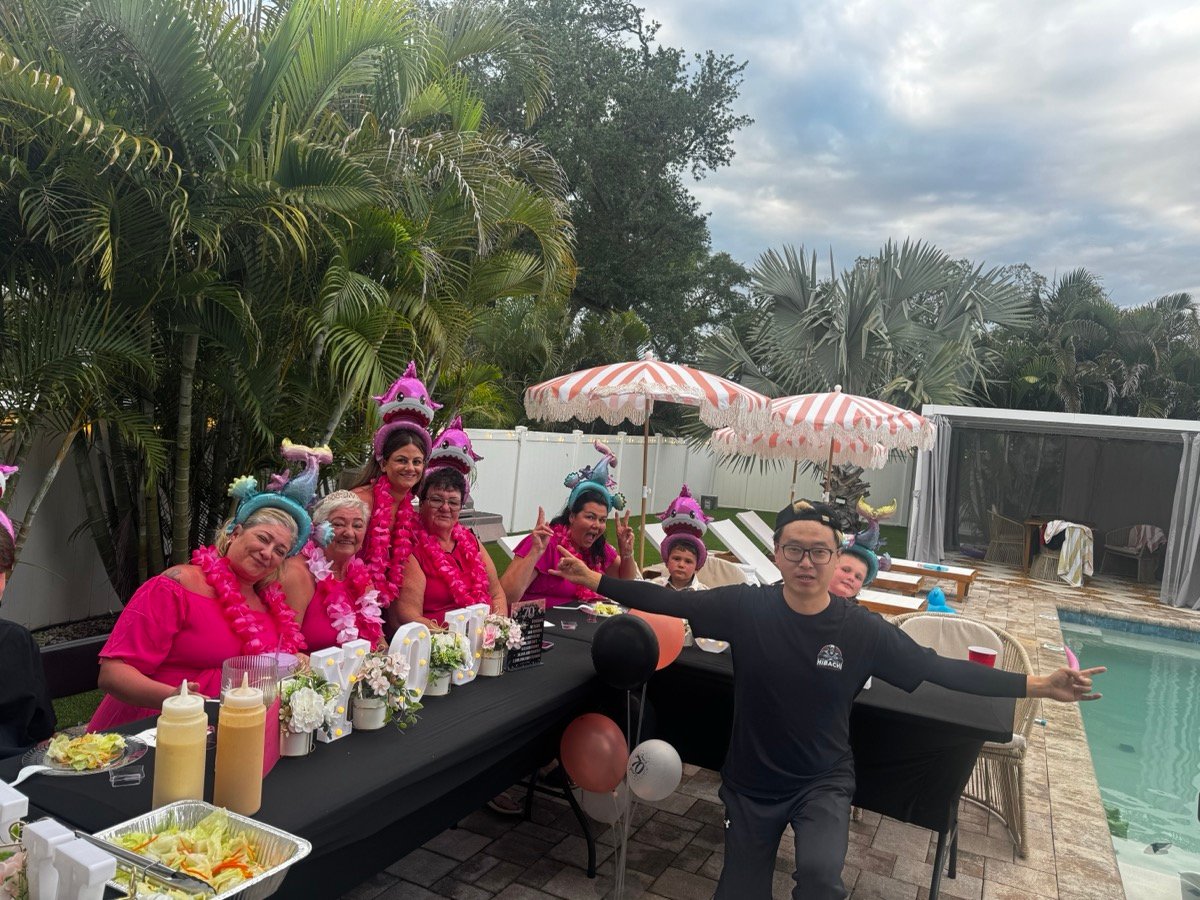
A 10-person hibachi service and a 50-person buffet should not be judged by the same standard. They are designed to solve different hosting challenges.
With a private hibachi chef experience, guests sit together around a live cooking station. The chef prepares food in front of the group, coordinates the meal in real time, and creates a shared focal point for the party. The sizzling grill, knife skills, food aromas, and playful guest interaction create natural energy before the first plate is served.
A 50-person buffet, by contrast, is designed for movement. Guests walk through a service line, select food from multiple dishes, return to tables, and eat at different times. The buffet can be efficient when the crowd is large, schedules are flexible, and guests need broad menu choices.
Neither model is automatically better. The better choice depends on whether your priority is connection, entertainment, speed, menu variety, or scale.
| Event Factor | 10-Person Hibachi Service | 50-Person Buffet |
|---|---|---|
| Main purpose | Shared dining experience | Efficient large-group meal service |
| Guest interaction | High; chef and guests engage directly | Lower; guests serve themselves |
| Food timing | Freshly cooked in stages | Prepared in advance and held for service |
| Atmosphere | Lively, personal, theatrical | Flexible, casual, self-directed |
| Best event format | Small private parties and luxury dinners | Large open-house events and broad guest lists |
| Seating needs | Guests benefit from sitting together | Guests can eat in multiple areas |
| Menu experience | Personalized and chef-led | Broad selection and self-service |
| Host involvement | Lower once the chef begins | May require more monitoring and replenishment |
| Service flow | One coordinated shared experience | Guests eat at different times |
| Visual impact | Live culinary entertainment | Food presentation and station design |
Why a 10-Person Hibachi Service Feels More Personal
For a group of around 10 people, a mobile hibachi party creates a dining setting that is difficult to recreate with trays, chafing dishes, and a buffet line.
The most important advantage is that everyone participates in the same moment. Guests do not split into separate lines, arrive at the table at different times, or miss the best part of the meal. They watch the chef cook, react together, talk across the grill, and enjoy a coordinated progression from appetizers to entrées.
This format works especially well for:
– Birthday celebrations where the guest of honor should feel recognized
– Family dinners where several generations are gathering
– Small holiday events at home
– Graduation parties with close relatives and friends
– Vacation-rental dinners in Florida or the Carolinas
– Engagement celebrations and anniversary dinners
– Executive dinners and small team appreciation events
– Backyard parties where the meal should double as entertainment
A 10-person hibachi service can feel like a private restaurant experience without asking guests to travel, park, wait for a table, or manage a large restaurant reservation.
The Chef Becomes Part of the Celebration
In a small-group setting, the chef is not hidden in a kitchen. The chef is visible, conversational, and central to the experience.
That changes the host’s role. Instead of spending the event cooking, checking serving trays, refilling dishes, or worrying about whether food is getting cold, the host can sit down and enjoy the gathering. The experience becomes more relaxed because the culinary activity is professionally organized in one place.
For guests, live cooking also creates a sense of trust and anticipation. They can see ingredients being prepared, watch the cooking process, and receive food soon after it leaves the grill.
Where a 50-Person Buffet Delivers More Value
A buffet can be the right answer when the event has a larger guest count, staggered arrivals, several dietary preferences, or an open-house format.
For example, a corporate networking event may have guests arriving over a two-hour period. A graduation party may include family, classmates, neighbors, and colleagues who come and go at different times. In these cases, a buffet gives guests freedom to eat when they arrive rather than requiring everyone to be seated for one shared service period.
A buffet can also offer visible menu breadth. Hosts may include multiple proteins, vegetarian sides, salads, desserts, beverages, and culturally varied dishes. This is useful when the guest list includes a wide range of tastes.
A 50-person buffet can be especially practical for:
– Large corporate lunches
– Community events
– Wedding receptions with open seating
– Large graduation parties
– Fundraisers
– Holiday open houses
– Multi-family reunions
– Events with staggered arrival times
– Gatherings where dancing, speeches, or games take priority over a seated meal
However, hosts should understand the tradeoff: a buffet provides flexibility, but it does not automatically create a shared dining memory. Guests may eat in different places, at different times, and with different people.
A Closer Comparison of Cost, Time, and Hosting Effort
Price should never be evaluated only as a per-person number. The more useful question is: What is included in the experience?
A hibachi service may appear more premium because it includes a live chef, equipment, cooking performance, setup, meal preparation, and direct guest engagement. But for a 10-person celebration, those elements can replace other entertainment expenses.
If a host would otherwise pay for restaurant transportation, reservations, décor, a bartender, entertainment, and a catered meal, an at-home hibachi experience may consolidate several parts of the event into one service.
A buffet may have a lower cost per guest at larger volumes because food can be prepared in batches. Yet buffet planning can introduce additional needs:
– Chafing dishes or warming equipment
– Serving utensils and serving tables
– Staff for replenishment
– Extra space for buffet traffic
– Waste management and cleanup planning
– Labels for allergens and dietary items
– More food volume to accommodate guest choice
– Ongoing temperature monitoring for hot and cold dishes
The correct comparison is not “chef service versus trays.” It is curated experience versus scalable meal access.
The Hidden Cost of Guest Flow
For a 50-person buffet, guest movement affects the whole event. A single buffet table can create a long line, especially if many people decide to eat at once. If the event schedule includes speeches, games, or a presentation, food lines can delay the program.
For a 10-person hibachi dinner, the meal has a defined beginning, middle, and end. Guests are naturally gathered, seated, and attentive. This is valuable for intimate events where the host wants to make a toast, celebrate a birthday, announce an engagement, or honor a graduate.
A practical rule is simple:
– Choose a buffet when guests need freedom to circulate.
– Choose private hibachi catering when guests should share the same experience.
Freshness, Food Safety, and Outdoor Event Planning
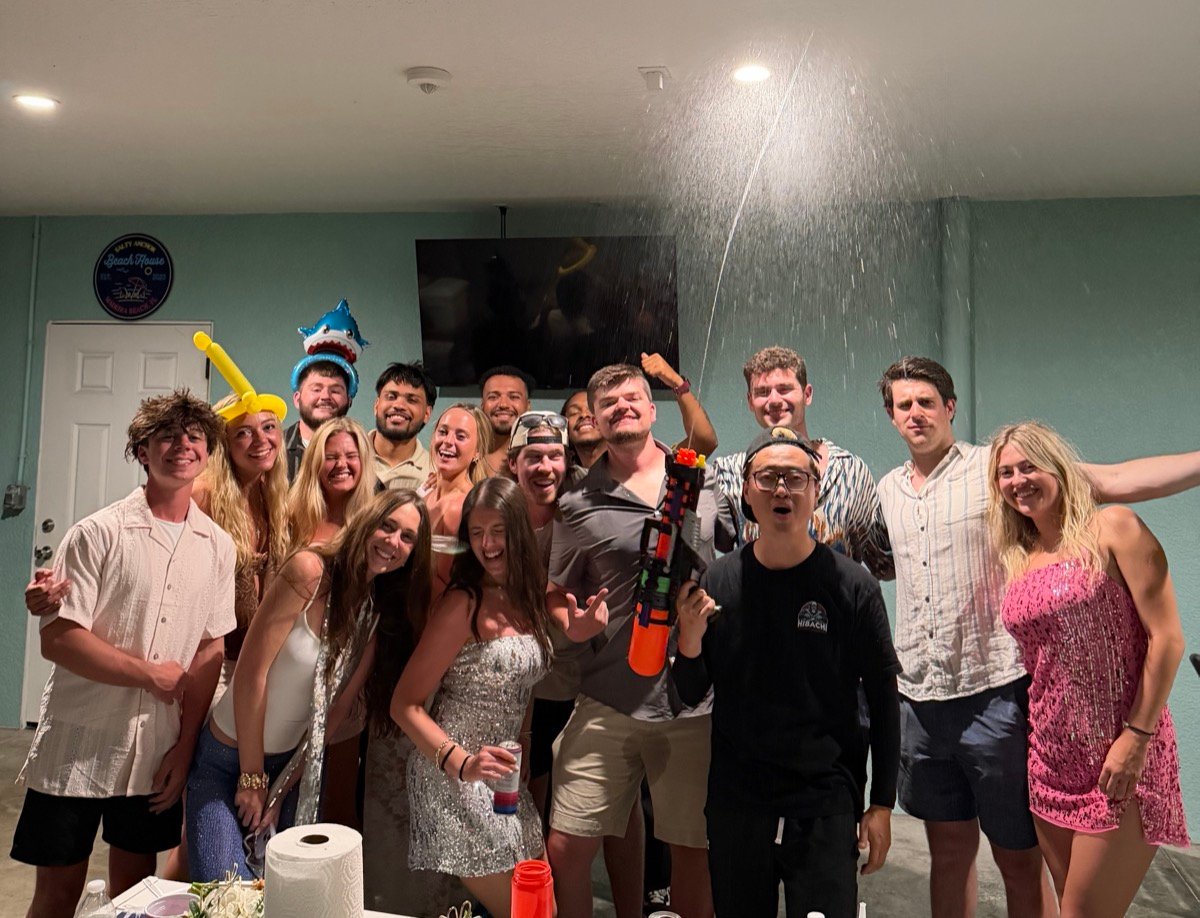
Outdoor entertaining is popular across Florida, Georgia, South Carolina, and North Carolina. Backyards, patios, pool areas, beach rentals, and vacation homes can create an ideal setting for mobile hibachi service—but warm weather requires careful food-service planning.
For buffets, food may sit in holding equipment while guests mingle, take photos, watch a game, or wait for other attendees. Safe hot and cold holding requires operational attention. Public food-safety guidance commonly advises keeping hot food at 140°F or above and cold food at 40°F or below. It also advises more caution during very hot outdoor conditions, when perishable food should not remain out for long periods.
A live hibachi setup can reduce the amount of time certain food spends waiting in a service line because the chef cooks portions in real time. That does not remove the need for responsible food handling, but it changes the event flow: cooking, serving, and eating happen closer together.
Questions to Ask Any Caterer
Before booking a buffet or mobile hibachi service, ask practical questions that protect the guest experience:
1. How will food be transported and stored before service?
2. How will hot and cold food temperatures be managed?
3. What outdoor space is required for setup?
4. Is there a weather backup plan?
5. How are allergies and dietary restrictions handled?
6. Who provides tables, seating, plates, utensils, and trash removal?
7. How long will setup, service, and breakdown take?
8. Is the menu cooked live, prepared ahead, or held for service?
9. What is included in the quoted price?
10. What is the ideal guest count for the proposed format?
For hosts in warm climates, these questions are not administrative details. They affect food quality, comfort, timing, and guest confidence.
When 10 Guests Is the Ideal Hibachi Group Size
Ten people is often an excellent size for a private hibachi event because it gives every guest access to the chef’s energy without making the gathering feel crowded or impersonal.
At this size, guests can usually stay in one conversational circle. The host can include close friends, immediate family, or a carefully selected team. Everyone sees the cooking action. Everyone receives attention. No one is left on the edge of the event.
This group size also suits premium occasions because it supports a more intentional menu and a slower, more social pace.
Best Occasions for an Intimate Hibachi Dinner
A small mobile hibachi dinner is particularly effective when the host wants to create a “special night” rather than simply provide food.
Consider this format when you want:
– A surprise birthday dinner at home
– A family celebration without restaurant crowds
– A luxury dinner for a vacation group
– A private chef experience for a bachelorette or bachelor gathering
– A client appreciation dinner
– A holiday meal with less cooking and cleanup
– A graduation dinner focused on close family
– A meaningful anniversary celebration
The smaller the group, the more each person’s presence matters. Hibachi turns that closeness into part of the entertainment.
When a 50-Person Buffet Is the Better Operational Choice
A buffet wins when the event’s primary challenge is serving a large, mixed crowd smoothly.
Imagine a graduation party where 50 people may arrive across three hours. Some guests want a full meal. Others only want a small plate. Children may eat earlier than adults. Some attendees may leave before dessert. A buffet accommodates that pattern easily.
For these events, the host should focus on layout. Place the buffet away from entrances and high-traffic conversation zones. Create enough room for guests to move in one direction. Consider separate beverage, dessert, and entrée stations so one line does not become a bottleneck.
A buffet is at its strongest when it is professionally planned, clearly labeled, replenished consistently, and designed around the event schedule.
A Hybrid Option for Larger Celebrations
Hosts do not always need to choose only one format.
For a larger backyard event, a hybrid approach can create both entertainment and capacity:
– Use live hibachi cooking as the event centerpiece.
– Offer a limited buffet of salads, appetizers, sides, desserts, or beverages.
– Schedule the hibachi show around speeches or the arrival of key guests.
– Serve the closest family or VIP group around the grill first.
– Keep a separate self-service area for guests who arrive later.
This approach is especially useful for a 25- to 50-person birthday, corporate gathering, or holiday party. It preserves the visual excitement of live cooking while giving the event enough flexibility for a larger guest list.
The key is not to overcomplicate the food plan. A hybrid event should have one clear focal point, one clear guest-flow plan, and one designated person responsible for event timing.
How to Choose the Right Service in Five Steps
Use this simple planning framework before booking.
1. Define the event goal.
If the meal is the entertainment, choose hibachi. If the meal supports a larger social event, consider a buffet.
2. Confirm the real guest count.
A confirmed group of 10 behaves differently from an estimated list of 50. Ask for RSVPs early.
3. Evaluate the venue.
Check outdoor space, flat surfaces, seating, weather cover, parking, access, lighting, and nearby power or water needs.
4. Plan around guest behavior.
Will people arrive together and sit down? Or will they circulate, arrive late, and leave at different times?
5. Match the format to the memory you want.
Choose a buffet for flexibility. Choose a private hibachi chef for connection, theater, and a more personal celebration.
Why Hibachi Sake Sake Is Built for Meaningful Gatherings
Hibachi Sake Sake specializes in private and mobile Japanese hibachi service for celebrations across Florida, Georgia, South Carolina, and North Carolina. Our focus is not simply delivering food. It is helping hosts create a smoother, more memorable event at home, in the backyard, at a vacation rental, or at a private venue.
For intimate gatherings, our mobile hibachi experience brings the restaurant-style grill, chef-led cooking, and interactive atmosphere directly to your chosen location. Guests can relax together while the meal unfolds in front of them.
For larger celebrations, thoughtful planning matters just as much as food. The best service format depends on your group size, layout, timing, menu needs, and the kind of energy you want guests to remember.
Ready to turn your next celebration into an experience? Contact Hibachi Sake Sake to discuss your event date, guest count, city, venue setup, dietary needs, and preferred menu. Whether you are planning a 10-person birthday dinner or a larger backyard celebration, we can help you choose a mobile hibachi service plan that fits the occasion.
Frequently Asked Questions
Is a 10-person hibachi service worth it for a small party?
Yes, especially when you want the meal to be part of the celebration. A private hibachi chef gives a small group live cooking, shared entertainment, freshly prepared food, and a more personal atmosphere than a standard catered drop-off meal.
Is a buffet cheaper than private hibachi catering?
A buffet can have a lower per-person food cost for large groups. However, the total value depends on equipment, staffing, serving logistics, food holding, setup, cleanup, entertainment, and whether the event needs a more premium experience.
How much space does an at-home hibachi party need?
The exact space depends on the grill setup, number of guests, seating arrangement, and venue access. In general, hosts should provide a stable outdoor area with enough room for the chef’s equipment, guest seating, safe walking paths, and appropriate ventilation.
Is mobile hibachi suitable for a backyard birthday party?
Yes. Backyard hibachi is a strong fit for birthdays because it combines food, live entertainment, and social interaction in one service. It also allows the host to celebrate at home rather than managing a restaurant reservation.
Can a hibachi chef accommodate dietary restrictions?
Many private hibachi services can plan for common requests such as vegetarian meals, seafood preferences, food allergies, and ingredient exclusions. Always share dietary requirements before booking so the menu and cooking process can be discussed in advance.
Is a buffet better for a 50-person graduation party?
Often, yes—particularly when guests will arrive and leave at different times. A buffet provides flexibility and lets people eat according to their own schedule. A hybrid event with hibachi entertainment and buffet sides can also work well.
What should I ask before booking outdoor catering?
Ask about space requirements, weather plans, food safety procedures, setup and breakdown times, menu details, service duration, guest minimums, travel area, equipment needs, dietary accommodations, and what is included in the final quote.
References
1. [FoodSafety.gov — Food Safety by Events and Seasons]
2. [USDA Food Safety and Inspection Service — Simple Food Safety Steps for Spring Holiday Meals]
3. [FoodDocs — Restaurant Food Safety Procedures and Temperature Guidance]
4. [EasyTemperature — Buffet Food Safety: Time and Temperature Rules]
5. [Hibachi Guru — Mobile Hibachi Catering and Private Chef Experience]
6. [Hibachi Happy — Hibachi at Home in Jupiter]
7. [Mr. Hibachi Chef — Mobile Hibachi Catering in Northwest Florida]
Hot Tags: Mobile Hibachi Catering, Private Hibachi Chef, Corporate Event Catering, Outdoor Catering Services, Backyard Party Catering, Private Chef Experience, Hibachi Catering Service, Japanese Teppanyaki Catering, Luxury Event Catering, Large Group Catering