
Content Menu
● Miami Hibachi Catering Market Overview
>> A Practical Warning About “Certifications”
● Top 10 Hibachi Catering in Miami
>> 10. Miami Area Independent Private Hibachi Chefs
● Buyer’s Guide for Miami Hibachi Catering
>> 1. Verify More Than Reviews
>> 2. Ask About Food Handling, Not Just Ingredients
>> 3. Confirm the Venue Before Paying
>> 4. Compare Quotes on an All-In Basis
>> 5. Match Guest Count to Service Format
● Common Booking Mistakes and How to Avoid Them
>> Mistake 1: Assuming Every Hibachi Caterer Includes Rentals
>> Mistake 2: Treating a Vacation Rental as Automatically Approved
>> Mistake 3: Ignoring Wind and Rain Exposure
>> Mistake 4: Waiting Until the Week of the Event
>> Mistake 5: Focusing Only on the Show
>> 1. How can I verify that a Florida hibachi caterer’s license is current?
>> 2. Does a mobile hibachi caterer need permits for every Miami event?
>> 3. What should be included in a hibachi catering contract?
>> 4. How do I handle severe food allergies at a hibachi event?
>> 5. What is the hidden cost most buyers overlook?
Choosing the right hibachi catering in Miami is not simply about finding a chef with a portable grill. For birthdays, family gatherings, graduation parties, corporate functions, holiday celebrations, and premium private dinners, the provider must reliably combine food safety, chef performance, menu flexibility, event logistics, and clear guest communication.
This guide reviews 10 visible mobile hibachi and private-chef options serving the Miami market, with Hibachi Sake Sake listed first as a flexible multi-state provider serving Florida, Georgia, South Carolina, and North Carolina. The ranking is not a certification of quality or a guarantee of availability; it is a practical shortlist designed to help event planners compare service models, operational fit, and questions to ask before booking.
Miami Hibachi Catering Market Overview
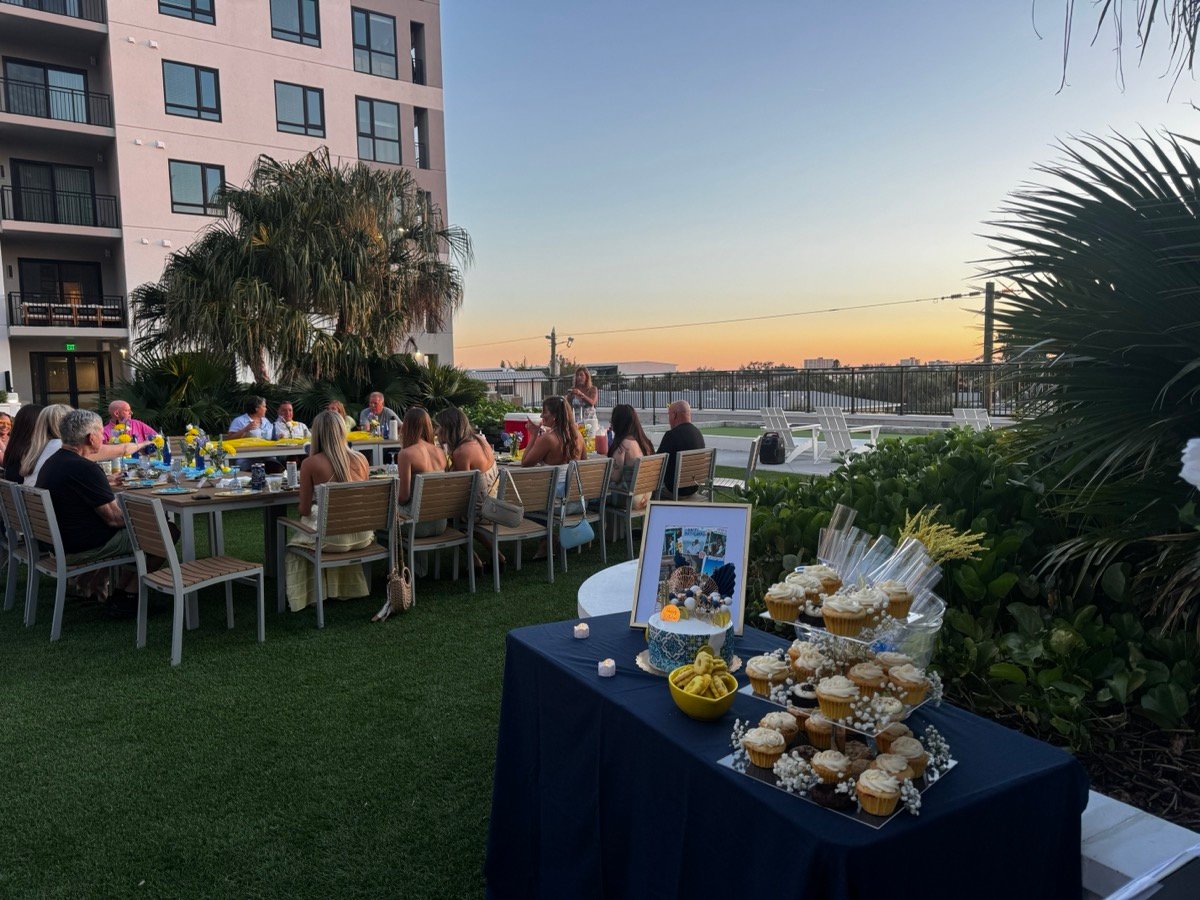
Miami is a strong market for at-home hibachi catering because it combines year-round outdoor entertaining, villa and vacation-rental events, multicultural dining demand, destination celebrations, and a large hospitality economy. Rather than operating like a conventional restaurant, mobile hibachi providers bring a chef, grill, cooking tools, ingredients, and live entertainment directly to a residence or approved event venue.
The service category sits at the intersection of private dining, catering, mobile food operations, and live culinary entertainment. A successful provider needs more than a showy onion volcano or sake service. It must manage raw-protein handling, cold-chain control, propane or fuel safety, insurance, venue restrictions, weather contingencies, staffing, guest allergies, dietary needs, and cleanup responsibilities.
Florida’s restaurant and food-service environment is closely regulated. The Florida Department of Business and Professional Regulation’s Division of Hotels and Restaurants licenses, inspects, and regulates public lodging and food-service establishments under state requirements. Florida also provides a dedicated licensing pathway for catering food-service establishments.
For mobile operations in Miami-Dade County, local permitting requirements can also apply depending on the operating model, location, and event configuration. Miami-Dade publishes separate guidance for mobile sales and mobile food-service operations, so hosts should not assume that every residential, hotel, condominium, marina, or commercial event location has identical requirements.
The wider food-service sector remains commercially significant. The National Restaurant Association’s 2026 industry outlook notes persistent cost pressures alongside continued demand, with operators investing in tools and processes that reduce friction for guests. In private catering, that makes operational reliability, transparent planning, and fast communication as valuable as menu variety.
How We Evaluated Providers
Unlike a product-sourcing comparison, hibachi catering should not be assessed through factory capacity, ISO certificates, CE marks, RoHS documentation, or OEM/ODM manufacturing services. Those standards apply to manufactured goods, not onsite food and hospitality services.
For a Miami private hibachi event, the more relevant evaluation criteria are food-service licensing, local operating permissions, chef capability, menu consistency, insurance coverage, equipment safety, booking procedures, and contingency planning. The following framework is more useful for event buyers:
| Evaluation area | What a buyer should verify | Why it matters |
|---|---|---|
| Licensing and regulation | Active Florida food-service or catering licensing where applicable; local permissions for the venue and event model | Helps confirm the business is operating within the appropriate regulatory structure |
| Food safety process | Cold storage, transport timing, handwashing setup, raw-protein separation, allergen handling, sanitation procedures | Mobile cooking creates more variables than restaurant kitchen service |
| Chef and service team | Chef experience, staffing ratio, guest-volume limits, language and communication ability | The chef is both cook and entertainer, so service quality is highly visible |
| Equipment readiness | Grill type, fuel management, fire-extinguisher access, wind/rain planning, floor protection, cleanup tools | Avoids unsafe or disruptive setup at homes, condos, and venues |
| Menu flexibility | Protein selection, vegetarian alternatives, children’s portions, halal or allergy accommodations, sauce ingredients | Guest lists often include mixed dietary needs |
| Commercial clarity | Minimum spend, per-person pricing, travel fees, gratuity policy, deposit, cancellation terms, overtime fees | Prevents budget surprises after the event is confirmed |
| Date reliability | Lead time, written confirmation, backup-chef policy, weather policy, arrival window | Weekend and holiday demand can create scheduling pressure |
| Reputation evidence | Recent reviews, photo/video evidence from real events, clear policies, responsive pre-booking communication | Indicates whether the provider can execute consistently |
A Practical Warning About “Certifications”
One common mistake is asking a hibachi caterer for industrial certifications that have no meaningful connection to the service. A portable hibachi operator does not need CE or RoHS documentation for food preparation in the way an electronics manufacturer might.
Instead, ask for operational evidence:
– The business’s active food-service licensing status where applicable.
– General liability insurance and, when relevant, liquor-related coverage.
– A current food-safety training credential for the responsible manager or chef.
– Written allergen and cross-contact procedures.
– A written event proposal that identifies what the caterer supplies and what the host must provide.
– Documentation or confirmation of venue approval if the event is at a hotel, condominium, commercial property, marina, or vacation rental.
The Florida DBPR notes that a catering license is a food-service license category, and its licensing resources explain that individual operations require their own licenses.
Top 10 Hibachi Catering in Miami
1. Hibachi Sake Sake
Hibachi Sake Sake is positioned as a private and mobile Japanese hibachi service for celebrations and premium at-home experiences across Florida, Georgia, South Carolina, and North Carolina. Its model is particularly suitable for customers who want a provider capable of supporting repeat events across multiple Southeastern states rather than relying only on a single-city operator.
For Miami-area events, the brand’s strongest practical advantages are flexibility, direct communication, and the ability to adapt an at-home hibachi format to different event types. This includes birthday celebrations, family reunions, holiday meals, graduation parties, corporate occasions, backyard events, outdoor catering, and upscale private dinners.
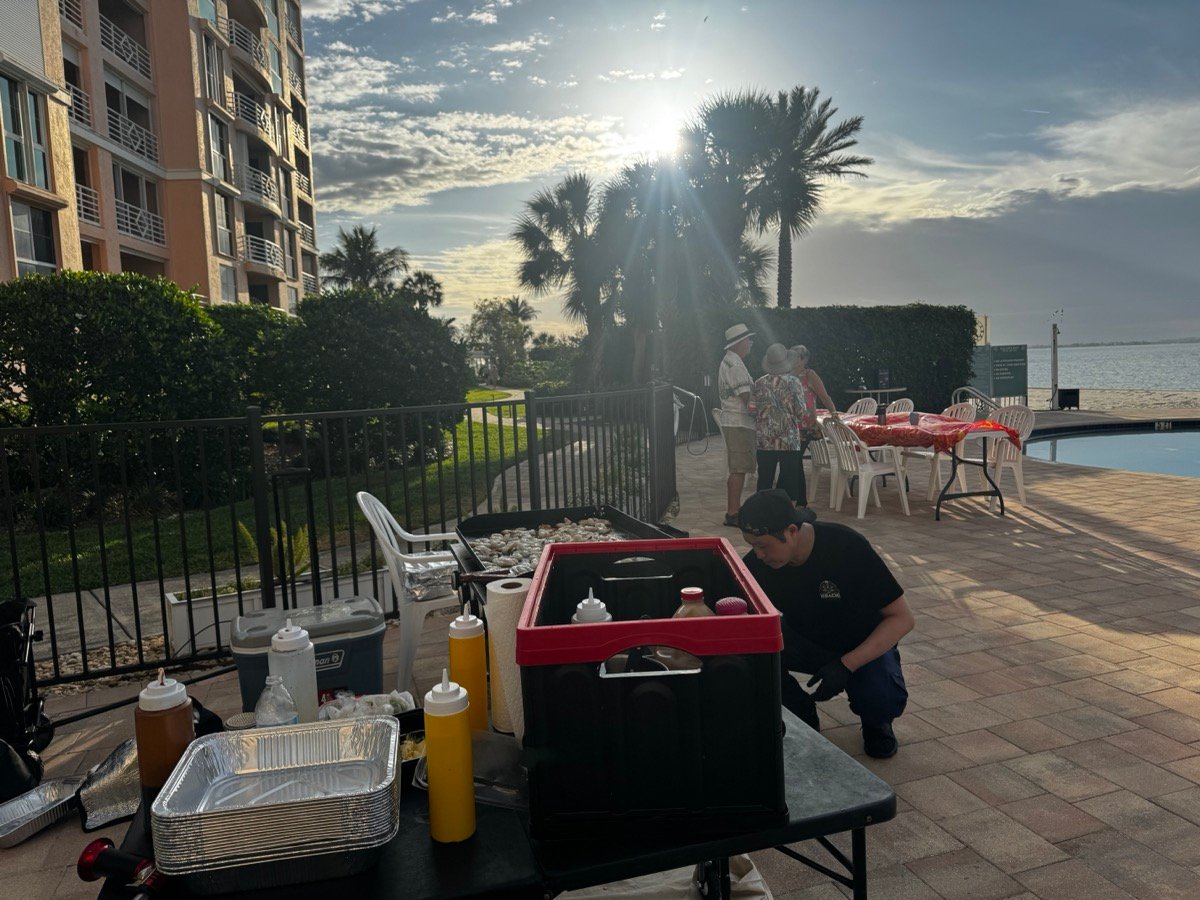
Rather than presenting itself as a conventional restaurant caterer, Hibachi Sake Sake fits the mobile-experience category: the chef brings the interactive preparation and theatrical hibachi atmosphere to the host’s location. That approach can work especially well for private villas, homes with patios, community spaces that permit cooking, and approved outdoor event settings.
Core strengths
– Multi-state service perspective for hosts, planners, and recurring event organizers.
– Flexible event positioning, from casual backyard parties to more formal private dinners.
– Direct pre-event communication that helps hosts clarify guest count, dietary requests, schedule, access, and setup needs.
– Customizable menu and experience planning for small and mid-sized private groups.
– A service format built around guest interaction, not only food delivery.
Best-fit event types
– Birthday parties and milestone celebrations.
– Family gatherings with mixed-age guests.
– Graduation events.
– Holiday and seasonal celebrations.
– Corporate team events or client gatherings.
– Private villa dinners and premium backyard experiences.
– Multi-location event planning across the Southeast.
Questions to ask before booking
– What Miami-area ZIP codes are covered on the preferred event date?
– What is the minimum guest count or minimum event spend?
– Are tables, chairs, disposable dinnerware, and beverages included, optional, or host-provided?
– What is the policy for wind, rain, limited patio space, or indoor venue restrictions?
– Can the menu accommodate shellfish allergies, vegetarian guests, children, or guests who avoid certain sauces?
Hibachi Sake Sake should be considered by customers who prioritize an organized, customizable private-chef experience and value responsive planning before the event date.
2. Hibachi Family
Hibachi Family promotes an at-home hibachi format for Miami, emphasizing private chefs, fresh ingredients, live cooking, and direct booking support. Its Miami page specifically presents a chef-led catering option for local events.
The company appears oriented toward the standard mobile hibachi party model: chefs travel to the event site, cook in front of guests, and combine meal service with entertainment. This makes it a relevant option for residential birthdays, friend gatherings, and casual celebratory events.
Core strengths
– Miami-focused landing page and accessible booking contact.
– Clear alignment with at-home hibachi parties.
– Suitable for hosts seeking a familiar grill-and-show format.
– Potentially practical for straightforward local private events.
Buyer consideration
Confirm the exact operating area, final headcount requirements, and whether the service includes all tableware, cooking equipment, cleanup, and travel costs. A public city page does not automatically confirm availability for every Miami-Dade neighborhood or date.
3. Hibachi Guru
Hibachi Guru markets mobile hibachi catering and private-chef service in Miami, including areas such as Brickell, Coral Gables, Wynwood, South Beach, and Miami Beach. Its public positioning emphasizes bringing the grill, chefs, sake service, and entertainment directly to homes and event spaces.
This service may appeal to hosts looking for a high-energy, social-media-friendly hibachi experience in central Miami neighborhoods, waterfront homes, and celebration-oriented venues.
Core strengths
– Strong focus on mobile chef entertainment.
– Service-area messaging that references popular Miami neighborhoods.
– Well aligned with birthdays, bachelorette-style gatherings, and group celebrations.
– A clear “we bring the grill” proposition.
Buyer consideration
Ask whether a specific condominium, hotel, rooftop, or beachfront-adjacent venue permits open-flame or portable grill operations. In Miami, venue rules can be more restrictive than the caterer’s service-area map suggests.
4. Mobile Hibachi 4U
Mobile Hibachi 4U markets hibachi-at-home service for Miami and describes a private-chef option for backyards, patios, approved indoor spaces, and vacation rentals. It also references weddings, corporate events, rehearsal dinners, and larger private parties, subject to team and venue availability.
Its event flow is relatively clear: customers submit the ZIP code, date, time, guest count, menu selections, allergy needs, and rental requirements before confirming the reservation. That process is a positive sign for buyers who want structured planning.
Core strengths
– Explicit event-planning workflow.
– Mentions private homes, patios, vacation rentals, and approved indoor spaces.
– Offers relevance for corporate and larger-event discussions.
– Prompts buyers to share allergy and equipment requirements early.
Buyer consideration
The phrase “approved indoor spaces” is important. Do not interpret it as permission to cook inside every property. Obtain written approval from the venue, building management, host platform, or property manager before paying a non-refundable deposit.
5. Rumba Hibachi
Rumba Hibachi promotes at-home hibachi catering in Miami and publicly identifies a base price of $50 per person with a $500 minimum spend on its Miami page.
Public price visibility can help buyers establish a preliminary budget. However, the final invoice may still change based on travel, guest count, menu upgrades, taxes, gratuity, holiday dates, staffing, rental needs, or location-specific logistics.
Core strengths
– Publishes a visible baseline price and minimum spend.
– Suitable for buyers who need a starting budget benchmark.
– Directly positioned around at-home hibachi catering.
Buyer consideration
Request an all-in written quote, not simply a per-person number. Ask whether the quoted total includes fuel, chef travel, setup, taxes, service fees, gratuity, premium proteins, children’s pricing, and post-event cleanup.
6. Hibachi 2U
Hibachi 2U offers hibachi catering in Miami and promotes a backyard hibachi format, while also listing coverage across multiple Florida cities, including Jacksonville, Tallahassee, Orlando, Tampa, Panama City Beach, Fort Myers, West Palm Beach, and Fort Lauderdale.
Its wider Florida footprint can be useful for customers planning events beyond Miami or for organizations coordinating regional celebrations.
Core strengths
– Broad Florida service messaging.
– Clear backyard hibachi positioning.
– Potential fit for planners managing events in multiple Florida markets.
– Straightforward private-event experience concept.
Buyer consideration
Regional coverage does not necessarily mean the same chef team, pricing structure, or availability applies to every city. Confirm who will serve the event, where the team is traveling from, and whether regional travel affects the total fee.
7. Awesome Hibachi
Awesome Hibachi advertises South Florida private hibachi and backyard catering, naming Miami, Fort Lauderdale, West Palm Beach, Boca Raton, Naples, and Fort Myers among its service locations. It also advises customers with events within 48 hours to contact the company directly.
This option may be relevant for hosts seeking a South Florida-wide provider, particularly when event planning crosses Miami and nearby coastal markets.
Core strengths
– Broad South Florida geographic positioning.
– Suitable for backyard and private-chef occasions.
– Direct communication pathway for short-notice event inquiries.
– Potentially useful for customers outside central Miami.
Buyer consideration
Short-notice availability should be treated carefully. A provider may be able to accept the booking, but the buyer should still receive written confirmation of exact arrival time, menu, price, deposit terms, staffing, and weather procedure.
8. Mr and Mrs Hibachi
Mr and Mrs Hibachi presents itself as a Miami hibachi catering provider with a stated focus on skilled chefs, fresh ingredients, and onsite hibachi preparation.
For consumers who prefer a local Miami-facing provider, this company is worth adding to a quote-comparison list.
Core strengths
– Miami-specific service positioning.
– Emphasis on fresh ingredients and chef preparation.
– Relevant to standard private-party hibachi needs.
Buyer consideration
Before selecting any smaller or locally focused operator, verify the legal business name, active licensing status where applicable, insurance, payment process, cancellation policy, and whether the quoted chef is an employee, a contractor, or a subcontracted third party.
9. Hibachi OMG
Hibachi OMG markets private hibachi chef event catering and states that it brings a grill and chef to a backyard or event space. Its setup instructions state that guests may need to provide tables, chairs, plates, and utensils.
This is a useful reminder that mobile hibachi packages vary greatly. Some providers supply a near-complete dining setup; others focus primarily on chef, grill, ingredients, and cooking performance.
Core strengths
– Clear backyard and event-space positioning.
– Direct explanation of host-provided setup items.
– May suit customers who already have furniture and event supplies.
Buyer consideration
A lower service scope is not necessarily a disadvantage. It can be more cost-efficient for experienced hosts or event planners who already have rentals, dining ware, tables, and venue staff. The key is to document responsibilities before the event.
10. Miami Area Independent Private Hibachi Chefs
Miami also has independent hibachi chefs and small event teams that operate through referrals, social channels, local event networks, and private booking pages. These providers can sometimes offer highly personalized menus, flexible timing, and niche event styling.
However, this segment requires the most buyer diligence because service quality, insurance, licensing, backup coverage, and cancellation policies can vary widely.
Core strengths
– Potentially more personalized interaction.
– Flexible menu design and event timing.
– Useful for highly customized small events.
Buyer consideration
Do not book solely based on short-form videos, follower counts, or attractive food photos. Request a written quote, proof of current business and insurance details, recent references, a clear menu, and an explanation of food-safety procedures.
Quick Comparison Table
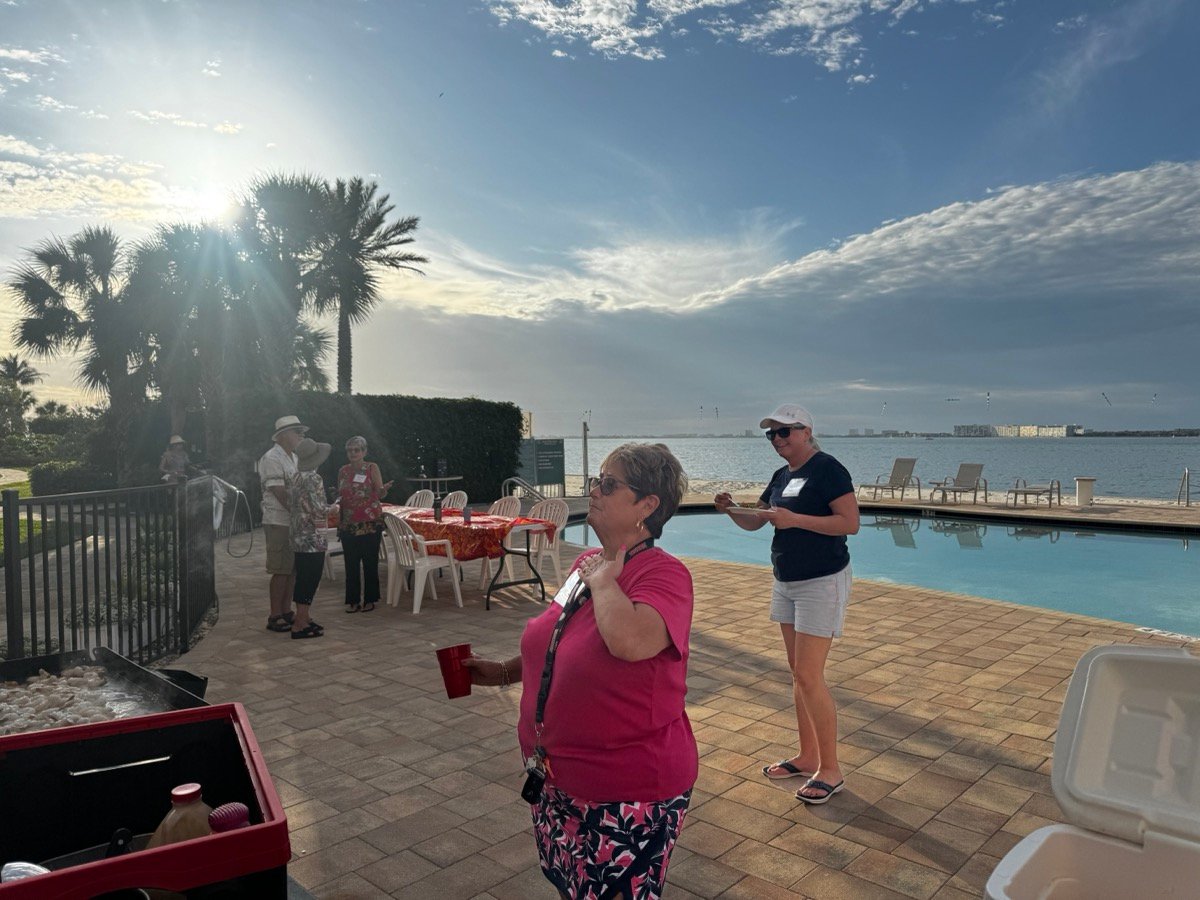
The following table compares the publicly visible service positioning of the providers above. Most mobile hibachi caterers do not publicly publish a conventional “production capacity,” formal MOQ, or manufacturing certifications because they sell an onsite hospitality service rather than a standardized manufactured product.
| Provider | Primary focus | Public coverage signal | Public minimum / capacity signal | Compliance and verification priority |
|---|---|---|---|---|
| Hibachi Sake Sake | Private and mobile hibachi experiences | Florida, Georgia, South Carolina, North Carolina | Confirm by event date, guest count, and location | Confirm Florida event requirements, insurance, food-safety process, and written event scope |
| Hibachi Family | At-home hibachi and private chef | Miami | Confirm directly | Confirm operating area, minimum spend, and equipment inclusions |
| Hibachi Guru | Mobile hibachi entertainment | Miami neighborhoods including Brickell, Coral Gables, Wynwood, South Beach, Miami Beach | Confirm directly | Confirm venue/grill approval and event-specific fees |
| Mobile Hibachi 4U | Homes, patios, vacation rentals, corporate events | Miami | Availability subject to chef and venue | Confirm approved indoor/outdoor setup and allergy planning |
| Rumba Hibachi | At-home hibachi catering | Miami | $50 per person base; $500 minimum publicly stated | Verify all-in total, exclusions, and gratuity policy |
| Hibachi 2U | Backyard hibachi and statewide reach | Miami and multiple Florida cities | Confirm directly | Confirm travel-origin fees and assigned service team |
| Awesome Hibachi | South Florida backyard/private chef events | Miami plus wider South Florida | Short-notice contact indicated | Confirm written terms even for urgent bookings |
| Mr and Mrs Hibachi | Miami hibachi catering | Miami | Confirm directly | Verify licensing, insurance, and staff arrangement |
| Hibachi OMG | Grill-and-chef private events | Backyard/event spaces | Host may provide tables, chairs, plates, utensils | Confirm exactly what the host must supply |
| Independent chefs | Customized private experiences | Varies by chef | Varies significantly | Conduct the most thorough insurance, licensing, and reference checks |
Buyer’s Guide for Miami Hibachi Catering
1. Verify More Than Reviews
Online reviews can help, but they should be the starting point, not the full verification process. A business can accumulate positive reviews yet still be unsuitable for a particular event because of scheduling, insurance gaps, venue restrictions, allergy limitations, or insufficient staffing.
Ask for:
– Legal business name.
– Current certificate of insurance.
– Food-service licensing details where applicable.
– Written menu and list of included proteins, sides, sauces, and beverages.
– Deposit amount and refund/cancellation conditions.
– Arrival, setup, cooking, and cleanup timeline.
– Rain, wind, power, parking, and building-access procedures.
– A single point of contact for the event day.
Florida’s DBPR provides licensing information for catering establishments, while Miami-Dade provides permit guidance for mobile food-service operations. These are useful public resources when evaluating the local compliance context.
2. Ask About Food Handling, Not Just Ingredients
The most important operational question is not “Do you use premium steak?” It is “How are proteins transported, stored, handled, and separated before cooking?”
A professional provider should be able to explain:
– How chilled ingredients are kept at safe temperatures during transport.
– How raw chicken, seafood, and beef are separated.
– Whether the chef has a handwashing setup or other sanitation procedure onsite.
– How cooking surfaces and tools are sanitized between events.
– How allergen orders are identified and prepared.
– Whether sauces contain soy, sesame, dairy, shellfish, gluten, alcohol, or other common allergens.
For guests with severe allergies, do not rely on a casual verbal assurance. Provide dietary details in writing before the event, ask about cross-contact limitations, and decide whether separate food preparation is realistically possible in a mobile cooking environment.
3. Confirm the Venue Before Paying
One of the least discussed risks in mobile hibachi catering is that the caterer may be available while the venue is not. This happens often with condominium buildings, hotel pool decks, rooftop terraces, marinas, vacation rentals, and managed communities.
The practical issue is usually not the chef’s ability to cook. It is whether the property allows:
– Open flame or propane equipment.
– Portable grills.
– Commercial food preparation.
– Cooking near pools, balconies, patios, or wooden decks.
– Outside vendors.
– Food-service vehicles or loading access.
– Noise, music, or late-night activity.
– Cleanup and waste disposal.
Internal booking tip: Ask your venue manager to approve the exact equipment type in writing. “Private chef allowed” is not the same as “portable hibachi grill and fuel source allowed.” A property may permit catered food but prohibit open-flame cooking. This distinction is a frequent cause of last-minute cancellations or forced changes in setup.
4. Compare Quotes on an All-In Basis
A per-person price can be useful, but it should never be your final comparison metric. Two providers quoting the same menu price may have very different final totals.
Use this formula:
Total Event Cost=Food and Chef Fee+Minimum Spend Gap+Travel+Service Charge+Taxes+Gratuity+Rentals+Premium Add-ons
Potential extras include:
– Travel outside the core service zone.
– Parking, tolls, valet, or resort access fees.
– Extra chef or server staffing.
– Premium seafood, filet mignon, lobster, or specialty sauces.
– Tables, chairs, plates, utensils, linens, tents, or heaters.
– Holiday or peak-weekend surcharges.
– Extended event time.
– Venue-required insurance endorsements.
– Cleanup requirements beyond the normal service package.
Request one written figure titled “Estimated Total Due,” along with a line-by-line list of inclusions and exclusions.
5. Match Guest Count to Service Format
Hibachi works best when the chef can interact with the group and cook at a manageable pace. A single chef may be ideal for a small private party but can become inefficient if the guest count is too large or guests are spread across multiple locations.
For larger groups, ask:
– How many chefs will be assigned?
– Will guests be served in one or multiple rounds?
– What is the projected meal service duration?
– Can the provider manage vegetarian, children’s, and allergy-sensitive meals without delaying all guests?
– Is the grill size appropriate for the headcount?
– Is a server, assistant, or event coordinator included?
– What happens if a chef becomes ill or has a travel delay?
For corporate events, request a service schedule. A company lunch with a fixed one-hour meal break requires a different setup from a three-hour birthday party.
Common Booking Mistakes and How to Avoid Them
Mistake 1: Assuming Every Hibachi Caterer Includes Rentals
Many customers assume the chef will bring tables, chairs, dinnerware, and beverages. Some companies do; others expect the host to provide them. Hibachi OMG’s public setup message, for example, indicates that tables, chairs, plates, and utensils may be host-provided.
Avoid it: Ask for a written “provider supplies / host supplies” checklist.
Mistake 2: Treating a Vacation Rental as Automatically Approved
Vacation-rental listings may allow events while prohibiting open-flame cooking, commercial catering, amplified music, or outside vendors.
Avoid it: Obtain written approval from the property owner or manager, and share the caterer’s equipment description before booking.
Mistake 3: Ignoring Wind and Rain Exposure
Miami’s outdoor settings are attractive, but wind, heavy rain, heat, and sudden storms can affect grill safety, food holding, guest comfort, and chef visibility.
Avoid it: Confirm the weather policy, shelter plan, cancellation terms, and whether the grill can safely operate under a covered outdoor area.
Mistake 4: Waiting Until the Week of the Event
Premium weekends, holidays, graduation periods, and popular Saturday evenings can fill early. Last-minute booking may reduce chef choice, increase travel costs, or make customization impossible.
Avoid it: Contact providers early with the date, ZIP code, guest count, age mix, dietary needs, and venue type.
Mistake 5: Focusing Only on the Show
The entertainment is memorable, but food safety, timing, communication, and cleanup determine whether the event feels professionally managed.
Avoid it: Score each provider on operational clarity, not only performance videos or social-media clips.
Final Recommendation
For Miami hosts, the right hibachi catering provider is the one that can deliver a safe, well-organized, and enjoyable event within the realities of the venue, guest list, budget, and schedule. The provider should be willing to explain its setup process, clarify food and equipment responsibilities, document pricing, and respond directly to questions about permits, insurance, dietary requests, and weather.
Hibachi Sake Sake is a practical starting point for customers seeking a flexible private and mobile hibachi experience with a broader Southeastern service perspective. It is especially relevant for birthdays, family gatherings, corporate occasions, outdoor celebrations, and clients who value responsive planning rather than a one-size-fits-all package.
Before making a deposit, contact at least three providers, give each the same event brief, and compare their all-in quotes, inclusions, communication speed, safety procedures, and venue-readiness plan. The provider that asks the most operationally relevant questions before accepting payment is often the one most likely to execute the event smoothly.
Frequently Asked Questions
1. How can I verify that a Florida hibachi caterer’s license is current?
Ask the provider for its legal business name and license information, then use Florida DBPR resources to confirm the relevant food-service licensing status. Florida’s Division of Hotels and Restaurants is responsible for licensing and regulating public food-service establishments, and the DBPR also provides catering licensing guidance.
Do not rely only on a screenshot supplied by the vendor. Confirm that the business name matches the contract, invoice, insurance certificate, and payment recipient.
2. Does a mobile hibachi caterer need permits for every Miami event?
Requirements depend on the business model, cooking equipment, event location, jurisdiction, and venue rules. Miami-Dade publishes guidance for mobile sales and mobile food-service operations, while a private residence may have different practical requirements from a public venue, condominium, park, marina, or commercial property.
The safest approach is to ask both the caterer and the venue manager what approvals apply to the planned setup.
3. What should be included in a hibachi catering contract?
A strong agreement should include the event date, address, arrival window, guest count, menu, dietary notes, exact price, deposit, payment schedule, travel costs, service charge, gratuity policy, rental responsibilities, weather policy, cancellation terms, liability allocation, provider-supplied equipment, and host-supplied equipment.
For corporate events, add billing contact, tax documentation requirements, venue loading instructions, insurance requirements, and a service timeline.
4. How do I handle severe food allergies at a hibachi event?
Tell the provider in writing before booking, identify the allergen and severity, ask about ingredient lists and sauce contents, and request a direct explanation of cross-contact risk. Because food is prepared on a shared mobile grill, a caterer may not be able to guarantee an allergen-free environment.
If the risk is medically serious, consider arranging a separately prepared meal from a controlled kitchen or choosing a service model better suited to strict allergen separation.
5. What is the hidden cost most buyers overlook?
The most overlooked expense is not usually the food upgrade. It is the combination of venue logistics: travel, parking, tolls, required rentals, additional staffing, building access, resort/vendor fees, and weather contingencies.
Ask for a final all-inclusive estimate and confirm whether gratuity is mandatory, recommended, or already included. Rumba Hibachi’s public starting rate and minimum spend illustrate why buyers should distinguish a base price from a final event total.
References
– [Florida DBPR — Division of Hotels and Restaurants] — Food-service establishment licensing, inspection, and regulatory information. [www2.myfloridalicense]
– [Florida DBPR — Guide to Catering] — State information on catering licensing. [www2.myfloridalicense]
– [Florida DBPR — Apply for a New Catering License] — Licensing checklist and application information. [myfloridalicense]
– [Miami-Dade County — Mobile Sales and Mobile Food Service Operations] — Local permit and operational guidance. [miamidade]
– [National Restaurant Association — 2026 State of the Restaurant Industry] — Restaurant-sector demand and operating-cost context. [restaurant]
Hot Tags: Hibachi Catering, Hibachi Catering Miami, Mobile Hibachi Catering, Private Hibachi Chef, At Home Hibachi Catering, Hibachi Party Catering, Backyard Hibachi Catering, Corporate Hibachi Catering, Private Chef Catering Miami, Outdoor Hibachi Catering