
Content Menu
● The Core Difference: Curated Pairings vs. Unlimited Choice
● What Makes Hibachi Pairings Different
>> A Practical Hibachi Pairing Framework
● Standard Open Bar: Strengths and Trade-Offs
>> When an Open Bar Can Work Well
>> Common Open-Bar Challenges at Private Events
● Pairings Create a More Intentional Private Dinner
● Pairing Ideas for Popular Hibachi Proteins
● A Hybrid Option: The Best of Both Approaches
● Responsible Hosting Should Be Part of the Plan
● How to Choose the Right Alcohol Service
● Final Recommendation for Hibachi Events
>> Is sake the only alcohol that works with hibachi?
>> Is a standard open bar more expensive than beverage pairings?
>> What should be included in a hibachi beverage plan?
>> Can non-alcoholic drinks still feel special?
>> Should we offer cocktails during a private hibachi dinner?
>> Do we need to think about alcohol rules for a backyard party?
>> What is the best option for a corporate hibachi event?
For a private celebration, alcohol service should do more than fill a glass. The right approach can shape the pace of the evening, complement the food, and give guests a more memorable reason to gather around the grill. When comparing Hibachi Sake Sake pairings vs. a standard open bar, the key difference is simple: one is designed around the dining experience, while the other is designed around unlimited beverage access.
At Hibachi Sake Sake, private and mobile Japanese hibachi service is built for birthdays, family gatherings, holiday parties, graduation celebrations, corporate events, backyard dinners, and elevated at-home experiences across Florida, Georgia, South Carolina, and North Carolina. A thoughtfully planned beverage pairing can support the chef-led hibachi performance, savory grilled flavors, and social atmosphere in a way a conventional open bar may not.
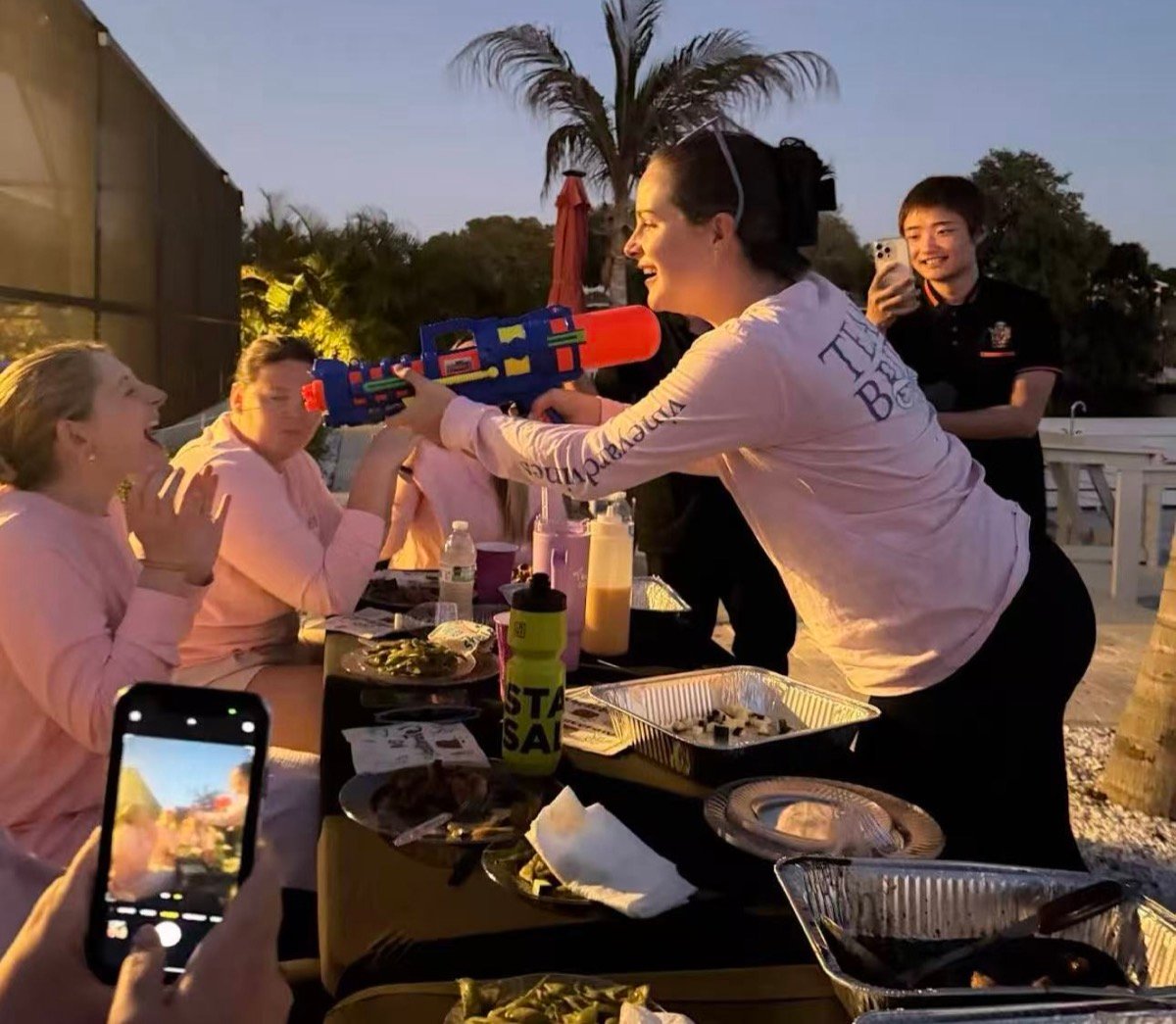
The Core Difference: Curated Pairings vs. Unlimited Choice
A standard open bar usually offers guests broad access to beer, wine, spirits, mixed drinks, and soft beverages for a predetermined event period. It is familiar, flexible, and often easy for guests to understand. However, it is not automatically designed to match the menu, the timing of the meal, or the tone of a private hibachi event.
Hibachi Sake Sake pairings, by contrast, take a more intentional approach. Instead of treating alcohol as a separate party feature, pairings connect beverages with the chef’s menu, grilled proteins, sauces, vegetables, rice, and the rhythm of the tableside experience.
The question is not whether one format is always better. The better choice depends on your guest list, event style, budget, venue, food priorities, and desired level of hosting control.
| Consideration | Hibachi Sake Sake Pairings | Standard Open Bar |
|---|---|---|
| Primary focus | Food-led dining experience | Broad drink access |
| Guest experience | Guided, intentional, menu-connected | Self-directed and flexible |
| Beverage selection | Curated around hibachi dishes | Wide selection of spirits, beer, wine, and mixers |
| Budget predictability | Often easier to control through selected offerings | Can rise with premium selections, duration, and consumption |
| Host involvement | Requires planning around menu and guest preferences | Requires decisions on tiers, brands, and service period |
| Best fit | Private dinners, backyard hibachi parties, food-focused celebrations | Larger receptions, cocktail-centered parties, varied drinking preferences |
| Pace of the event | Supports courses, chef performance, and conversation | Can encourage drinking independently of meal timing |
| Non-drinker experience | Easily integrated with tea, sparkling water, and zero-proof pairings | May need separate planning to avoid feeling secondary |
The strongest choice is the one that matches the purpose of the event. A luxury private hibachi dinner may benefit from a curated beverage sequence. A large corporate mixer with a wide range of preferences may lean toward a controlled open-bar format or a hybrid model.
What Makes Hibachi Pairings Different
Japanese hibachi is an interactive dining format. Guests watch the chef grill proteins, vegetables, rice, and noodles in real time. Aromas build at the table. Heat, smoke, garlic butter, soy-based sauces, sesame, citrus, and charred flavors all become part of the occasion.
That environment calls for beverages that refresh the palate without overwhelming the food.
A well-planned pairing program typically considers:
– Salt and umami from soy sauce, seafood, steak, and savory seasonings
– Richness from garlic butter, fried rice, noodles, and grilled proteins
– Heat from spicy sauces or pepper-forward dishes
– Acidity from citrus, pickled flavors, or lighter seafood preparations
– Texture from crisp vegetables, tender chicken, steak, shrimp, and scallops
– Event timing, including welcome drinks, dinner beverages, and celebratory toasts
– Guest comfort, especially for people who do not drink alcohol or prefer a lighter option
For example, a clean, chilled sake style can work well with shrimp, scallops, vegetables, and lighter sauces because it does not compete with delicate flavors. A crisp lager may suit grilled chicken, fried rice, and savory hibachi vegetables. Sparkling water with citrus can offer a refreshing alcohol-free option alongside richer dishes.
The goal is balance, not complexity. Guests should not need to understand sake grades or cocktail terminology to enjoy a thoughtful pairing. They simply need beverages that feel natural with the food and the moment.
A Practical Hibachi Pairing Framework
For a private hibachi event, hosts can simplify beverage planning with three categories:
1. A refreshing welcome option
Consider chilled sake, sparkling wine, light beer, citrus-forward zero-proof drinks, iced tea, or sparkling water. This gives guests something to enjoy as they arrive and settle in.
2. A dinner-friendly selection
Choose beverages that work with grilled proteins, vegetables, fried rice, noodles, and sauces. Light-to-medium-bodied sake, beer, dry wine, or alcohol-free sparkling drinks can be easier to enjoy across several menu items.
3. A toast or celebration option
Birthdays, graduations, anniversaries, and company milestones often benefit from a distinct toast moment. This can be sparkling wine, a sake pour, a signature cocktail where permitted, or a festive zero-proof alternative.
This structure feels elevated without becoming restrictive. It also gives every guest a place in the experience.
Standard Open Bar: Strengths and Trade-Offs
A standard open bar remains popular for good reasons. It can feel generous, familiar, and convenient. Guests may appreciate the freedom to order a preferred spirit, cocktail, wine, or beer without worrying about individual tabs.
For certain events, that flexibility is valuable.
When an Open Bar Can Work Well
A standard open bar may be a practical fit when:
– You are hosting a large guest count with highly varied drink preferences
– The event is centered on networking, mingling, or a cocktail reception
– Dinner is one portion of a longer celebration
– You want a traditional wedding-style or corporate-event format
– Your guest list expects spirits and custom mixed drinks
– You have a professional bar team, appropriate licensing arrangements, and enough space for a separate beverage station
An open bar can also help reduce friction for guests who know exactly what they want. Someone who prefers a vodka soda, a classic margarita, or a specific beer does not need to adapt to a limited drink list.
However, more choices do not always create a better event.
A wide bar menu can create longer queues, more decision-making, uneven consumption, and a beverage experience that sits apart from the meal. It can also pull attention away from the hibachi chef, particularly when guests leave the dining area repeatedly to order drinks.
Common Open-Bar Challenges at Private Events
Hosts should consider several practical trade-offs before selecting a full open bar:
– Cost variability: Premium liquors, long event windows, high consumption, and custom cocktails can change the final budget.
– Service logistics: A bar requires staff, glassware or appropriate serviceware, ice, mixers, storage, setup space, and cleanup coordination.
– Venue restrictions: Private residences, rental properties, HOA rules, municipalities, and event venues may have different requirements.
– Food disconnect: A cocktail menu may be exciting, but it may not complement grilled seafood, steak, rice, sauces, and vegetables.
– Pacing concerns: A full open bar can unintentionally shift the event from a dining experience to a drinking-centered gathering.
– Guest inclusion: If non-alcoholic options are not treated as part of the plan, some guests may feel like an afterthought.
For hosts who value the chef performance and dinner itself, a smaller, better-curated beverage approach can often feel more cohesive.
Pairings Create a More Intentional Private Dinner
A private hibachi chef experience has a natural flow. Guests arrive. The grill becomes the focal point. The chef engages the group. Food is prepared in stages. Conversation develops around shared courses and tableside energy.
Beverage pairings can reinforce that rhythm.
Instead of serving every possible spirit from the start, a pairing-led format gives the event a beginning, middle, and celebratory finish. This is especially effective for luxury private dinners, intimate birthday celebrations, family reunions, client entertainment, and executive gatherings.
From a host’s perspective, pairings can offer five important advantages:
– A more cohesive menu experience
– Clearer beverage budgeting
– Less clutter and fewer bar logistics
– A premium, hospitality-driven feel
– Better integration of alcohol-free choices
A pairing plan also helps hosts communicate expectations. If guests know the menu includes selected sake, beer, wine, sparkling beverages, and zero-proof options, the event feels considered rather than limited.
That distinction matters.
A limited beverage menu can feel restrictive when it appears unplanned. A curated beverage menu can feel elevated when it is presented as part of the culinary experience.
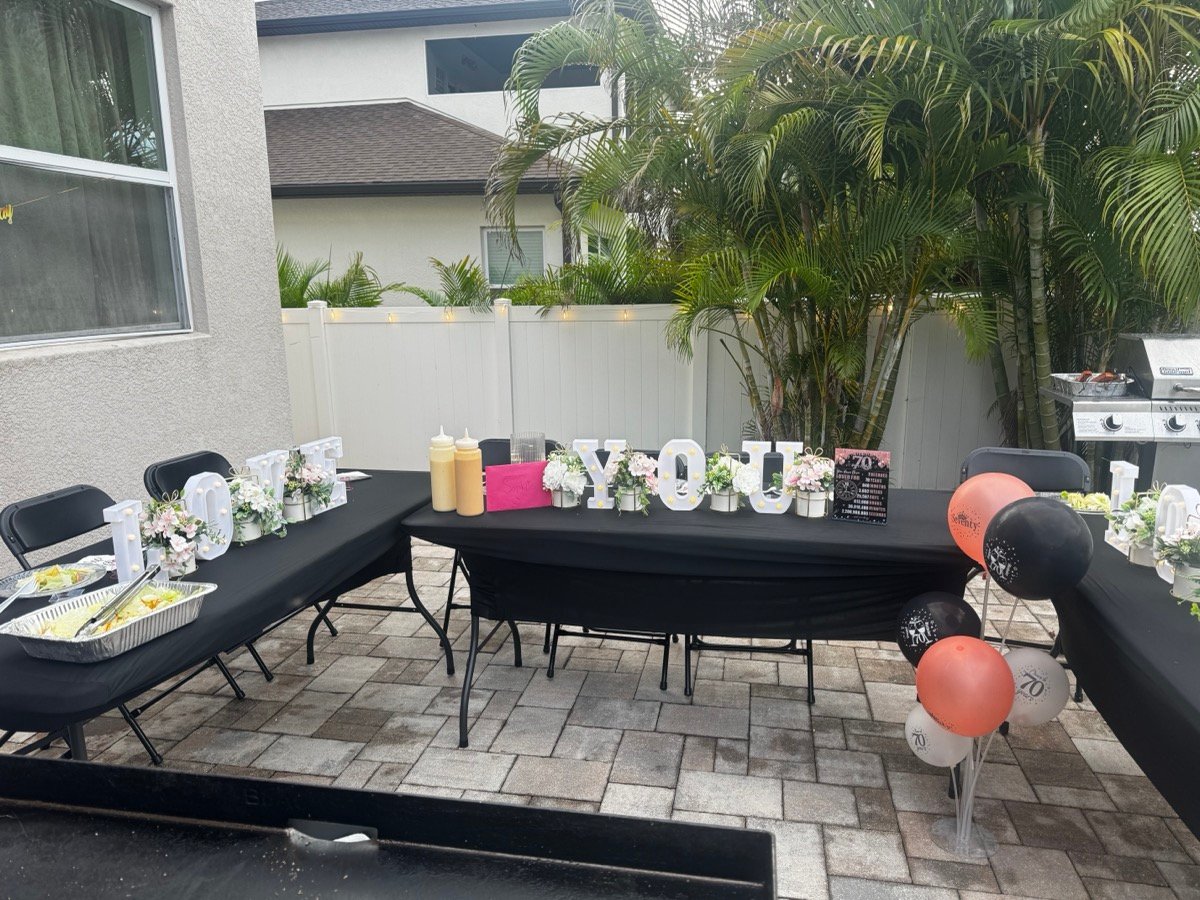
Pairing Ideas for Popular Hibachi Proteins
The best beverage selection depends on the specific menu, sauce preferences, season, guest profile, and local service arrangements. Still, the following framework can help guide planning.
| Hibachi Menu Item | Pairing Direction | Why It Works |
|---|---|---|
| Shrimp and scallops | Chilled sake, dry sparkling wine, light lager, citrus sparkling water | Bright, crisp options support delicate seafood and grilled texture |
| Chicken hibachi | Japanese-style lager, light-bodied white wine, green tea, yuzu-style zero-proof drinks | Refreshing beverages work with savory marinades and garlic butter |
| Steak hibachi | Medium-bodied red wine, darker lager, junmai sake, non-alcoholic ginger drink | More structured flavors can stand up to char, richness, and umami |
| Filet mignon | Elegant sake, Pinot Noir-style red wine, sparkling water with citrus | Keeps the meal refined without overpowering tender beef |
| Salmon hibachi | Dry rosé, crisp white wine, sake, cucumber-lime spritz | Balances natural richness and grilled flavor |
| Fried rice and noodles | Lager, sparkling wine, dry sake, iced tea | Acidity and carbonation can refresh the palate |
| Spicy sauces | Slightly sweeter sake, off-dry wine, light beer, fruit-forward zero-proof spritz | A hint of sweetness and cooling refreshment can soften perceived heat |
| Vegetarian hibachi | Crisp sake, sparkling wine, herbal tea, cucumber soda | Highlights vegetables, sesame, citrus, and grilled textures |
Guests do not need a different drink for every plate. For most private events, two or three well-selected beverage options plus non-alcoholic alternatives are enough to deliver variety without overcomplicating service.
A Hybrid Option: The Best of Both Approaches
Many successful private events do not choose between a full pairing program and a full open bar. They use a hybrid alcohol service model.
This approach protects the food-led hibachi experience while still offering guests a familiar degree of choice.
A hybrid plan may include:
– A welcome sake, sparkling wine, beer, or zero-proof spritz
– A concise dinner beverage menu with selected beer, wine, sake, and soft drinks
– One or two signature cocktails where service is appropriate and permitted
– A hosted toast for the guest of honor or company milestone
– A cash bar, consumption bar, or limited hosted bar after dinner, when applicable
– Premium spirits available only by host approval or guest purchase
This structure is especially useful for corporate events and large graduation parties, where some guests want a cocktail while others prefer a food-focused evening.
The hybrid format gives hosts control without making the celebration feel controlled.
Responsible Hosting Should Be Part of the Plan
Alcohol service requires more than selecting bottles and mixers. It also requires thoughtful planning for guest well-being, transportation, food availability, and local rules.
In the United States, a standard drink generally contains about 14 grams, or 0.6 fluid ounces, of pure alcohol. Different beverage formats can represent a standard drink, including approximately 12 ounces of regular beer, 5 ounces of wine, or 1.5 ounces of 80-proof spirits. This is useful context for hosts when estimating quantities and setting a comfortable service plan.
For a private hibachi event, responsible hosting can include:
– Serving substantial food before and during alcohol service
– Offering appealing zero-proof drinks, water, and non-caffeinated options
– Avoiding pressure-based drinking games or unlimited-shot formats
– Scheduling a toast rather than repeated high-proof rounds
– Arranging designated drivers, rideshares, or overnight accommodations where relevant
– Checking guest dietary needs, medications, pregnancy considerations, and personal preferences discreetly
– Using qualified and properly authorized beverage service providers when alcohol is being sold or provided as part of a commercial event package
– Confirming venue, county, state, and event-specific requirements before finalizing alcohol arrangements
In Florida, the rules can differ depending on whether alcohol is being sold, included in a catering package, or supplied by the host. Florida’s Caterer License for Beer, Wine and Liquor Consumption on Premises is tied to specific requirements for qualifying caterers, including a food-and-non-alcoholic-beverage revenue threshold. Hosts and event providers should verify the applicable rules for the event location and service model rather than assuming one arrangement applies everywhere.
How to Choose the Right Alcohol Service
Use these questions before selecting Hibachi Sake Sake pairings, a standard open bar, or a hybrid approach.
1. What is the central purpose of the event?
If the main goal is an interactive chef-led dinner, curated pairings may provide a better fit. If the main goal is a late-night social party, an open bar may carry more value.
2. How large and diverse is the guest list?
Smaller groups are easier to serve with thoughtful pairings. Larger groups with broad cocktail expectations may need more flexibility.
3. What type of food is being served?
Hibachi meals already deliver a rich, energetic culinary experience. Beverage choices should refresh and support the menu rather than compete with it.
4. What is your total event budget?
Consider alcohol, staffing, ice, mixers, glassware, permits, insurance, setup, cleanup, and transportation support—not just bottle prices.
5. How much space is available?
Backyard hibachi parties may not have room for both a full grill experience and a large bar station. A compact pairing setup can reduce congestion.
6. What do non-drinkers need?
A premium event should offer beverages that feel celebratory for everyone, including guests who do not consume alcohol.
7. What is the desired tone?
A curated sake and beverage experience feels intimate and culinary. A full open bar feels expansive and party-forward. Neither is wrong; they simply create different memories.
Final Recommendation for Hibachi Events
For most private hibachi celebrations, Hibachi Sake Sake pairings offer the more cohesive and memorable experience. They keep the focus on the chef, the grill, the menu, and the shared table. They can also support clearer budgeting, smoother event flow, and stronger inclusion of guests who prefer low- or no-alcohol options.
A standard open bar remains a strong choice for large-scale cocktail-oriented events, extended celebrations, or groups with broad spirit preferences. But when the goal is to elevate a private hibachi dinner, pairing-led service usually delivers more than drinks—it creates an atmosphere.
For your next birthday, backyard party, graduation celebration, family gathering, corporate dinner, holiday event, or luxury private dinner in Florida, Georgia, South Carolina, or North Carolina, plan the beverages as carefully as the menu. A well-matched drink can make a great hibachi meal feel like a complete occasion.
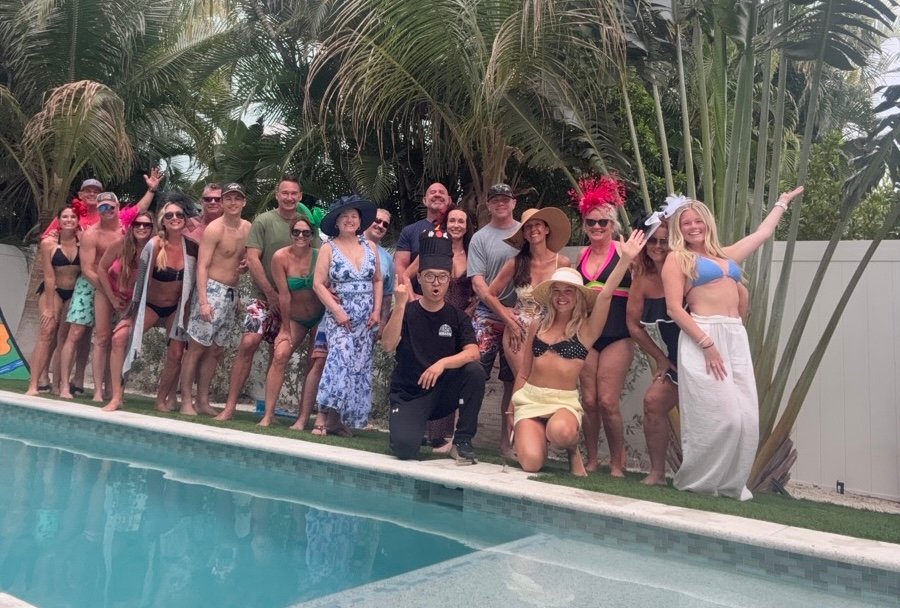
Frequently Asked Questions
Is sake the only alcohol that works with hibachi?
No. Sake is a natural match for many Japanese-inspired dishes, but crisp beer, sparkling wine, dry white wine, lighter red wine, and well-designed zero-proof drinks can also pair beautifully with hibachi. The best choice depends on the proteins, sauces, spice level, and guest preferences.
Is a standard open bar more expensive than beverage pairings?
It can be, especially when the open bar includes premium spirits, custom cocktails, longer service hours, or high guest consumption. Curated pairings can offer stronger budget control because the selection and serving approach are more defined. Final pricing depends on the event size, beverage brands, service format, and venue requirements.
What should be included in a hibachi beverage plan?
A practical plan includes a welcome beverage, two or three dinner-friendly alcoholic choices, water, appealing zero-proof drinks, and a celebratory toast option. For many backyard hibachi parties, this creates enough variety without requiring a full bar setup.
Can non-alcoholic drinks still feel special?
Yes. Sparkling water with citrus, cucumber-lime spritzes, Japanese-style iced tea, ginger beverages, yuzu-inspired sodas, alcohol-free sparkling wine, and fruit-forward mocktails can feel festive and complement hibachi food. Non-alcoholic options should be planned as part of the menu, not added at the last minute.
Should we offer cocktails during a private hibachi dinner?
Cocktails can work well, particularly for arrivals, toasts, or an after-dinner social period. During the main hibachi meal, a concise beverage selection is often easier for guests to enjoy and less likely to distract from the chef-led experience.
Do we need to think about alcohol rules for a backyard party?
Yes. Requirements can vary based on state, county, city, venue, whether alcohol is sold or included in a package, and who provides or serves it. Confirm the applicable local requirements and use an appropriate service arrangement before the event.
What is the best option for a corporate hibachi event?
A hybrid arrangement is often effective: a welcome drink, selected beer/wine/sake options with dinner, elevated zero-proof choices, and a limited bar or signature cocktail option if appropriate. This provides professionalism, inclusivity, and operational control.
References
1. National Institute on Alcohol Abuse and Alcoholism. “Understanding Alcohol Drinking Patterns.” Available at: [https://www.niaaa.nih.gov/alcohols-effects-health/alcohol-drinking-patterns]
2. U.S. Department of Veterans Affairs. “Limit Alcohol.” Available at: [https://www.prevention.va.gov/Healthy_Living/Limit_Alcohol.asp]
3. Florida Department of Business and Professional Regulation. “Caterer License for Beer, Wine and Liquor Consumption on Premises (13CT).” Available at: [https://www.myfloridalicense.com/CheckListDetail.asp?xactCode=1046&clientCode=4006&XACT_DEFN_ID=7039]
4. National Restaurant Association. “Alcohol Trends Report.” Available at: [https://restaurant.org/research-and-media/research/reports/alcohol-trends-report/]
5. National Restaurant Association. “Trends in On- and Off-Premises Beverage Alcohol.” Available at: [https://go.restaurant.org/rs/078-ZLA-461/images/National-Restaurant-Association-Alcohol-Trends.pdf]
6. National Academies of Sciences, Engineering, and Medicine. “Review of Evidence on Alcohol and Health.” Available at: [https://www.nationalacademies.org/read/28582/chapter/11]
Hot Tags: Private Hibachi Catering, Mobile Hibachi Service, Hibachi Catering Services, Private Hibachi Chef, Backyard Hibachi Party, Corporate Hibachi Catering, Japanese Hibachi Catering, Hibachi Party Catering, Outdoor Hibachi Catering, Private Event Catering