
Content Menu
● What “Fresh” Really Means for Hibachi Catering
● Grocery Store Ingredients vs. Sourced Proteins
● Why Protein Selection Matters on a Hibachi Grill
>> Steak Must Deliver Flavor and Sear
>> Chicken Requires Consistent Handling
>> Seafood Benefits From Event-Timed Planning
● The Freshness Chain: From Supplier to Guest Plate
>> 1. Menu Planning Before Purchase
>> 2. Cold Holding Before Cooking
>> 3. High-Heat, Made-to-Order Cooking
>> 4. Quick Service After Cooking
● The Hidden Cost of Grocery Store Party Prep
>> Time Costs
● How to Evaluate a Private Hibachi Caterer
● A Practical Party-Planning Checklist
● The Better Choice Depends on Your Goal
● Book Your Private Hibachi Experience
● FAQ
>> Is hibachi catering fresher than grocery store food?
>> What proteins are popular for a private hibachi party?
>> How far in advance should I book mobile hibachi catering?
>> Can a hibachi chef cook in my backyard?
>> How do outdoor temperatures affect hibachi catering?
>> Is private hibachi catering suitable for corporate events?
When you are planning a birthday dinner, backyard celebration, graduation party, corporate event, or private chef experience, freshness is more than a menu detail. It affects flavor, texture, guest confidence, and the overall quality of the occasion.
The real comparison is not simply grocery store ingredients vs. hibachi catering sourced proteins. It is about how food moves from supplier to storage, prep station, grill, and plate. For a live hibachi experience, proteins must perform under high heat, in front of guests, and on a schedule that leaves little room for compromise.
At Hibachi Sake Sake, we approach private hibachi catering as both a culinary performance and a food-handling responsibility. Our mobile hibachi chefs serve clients across Florida, Georgia, South Carolina, and North Carolina with event-focused ingredient planning, made-to-order cooking, and a dining experience built around the moment your guests are ready to eat.
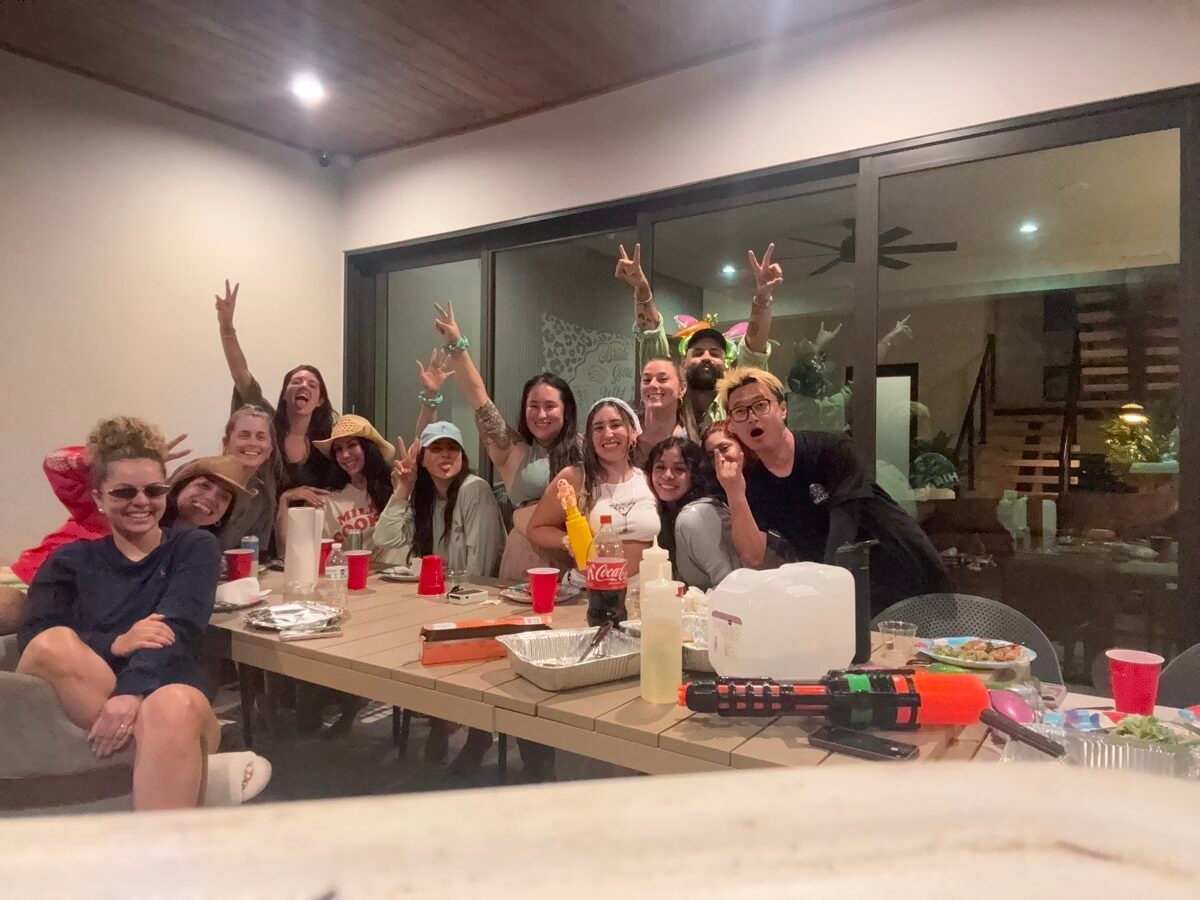
What “Fresh” Really Means for Hibachi Catering
Many people use “fresh” to mean “recently purchased.” In professional food service, freshness is more specific.
Freshness includes:
– How recently an item was received or prepared
– How consistently it stayed at the proper temperature
– Whether it was protected from excess handling
– Whether it is suitable for the planned cooking method
– How long it sits before reaching the guest’s plate
– Whether flavor, moisture, texture, and appearance remain intact
A ribeye steak can look fresh in a grocery-store case but still be a poor fit for a hibachi party if it has been sitting too long after purchase, is unevenly portioned, or cannot deliver the right sear on a hot flat-top grill.
Likewise, “catering sourced proteins” should not be assumed to mean a luxury label alone. The important question is whether the protein was selected, transported, stored, prepped, and cooked with the event format in mind.
For mobile hibachi catering, every stage matters because the chef prepares food live. Guests can see the grill, smell the garlic butter, hear the sear, and enjoy their meal minutes after it is cooked.
Grocery Store Ingredients vs. Sourced Proteins
Both grocery stores and professional catering operations can provide good ingredients. The difference usually lies in purpose, handling control, consistency, and timing.
| Factor | Grocery Store Ingredients | Hibachi Catering Sourced Proteins |
|---|---|---|
| Primary purpose | Everyday home consumption | Planned event execution and live cooking |
| Buying method | Customer selects from available inventory | Chef or catering team selects for menu, quantity, and grill performance |
| Portion consistency | Can vary by package and store selection | Usually planned around serving size and guest count |
| Cooking timeline | May be bought days before the party | Timed around preparation and service needs |
| Protein suitability | Broad retail selection | Chosen for searing, slicing, grilling, and service flow |
| Handling responsibility | Primarily shifts to the buyer after purchase | Managed through the catering preparation process |
| Guest experience | Depends on host’s prep and cooking ability | Prepared live by a hibachi chef |
| Event coordination | Host handles shopping, storage, prep, and cleanup | Catering team coordinates food preparation with the event schedule |
The most important distinction is not that one option is automatically “better” in every situation. It is that private hibachi catering is designed to reduce the gaps between planning, cooking, and serving.
For a host managing a 20-person backyard dinner, grocery shopping can mean multiple store trips, refrigerator crowding, raw-protein handling, last-minute substitutions, and spending part of the celebration cooking. A mobile hibachi chef experience shifts that work away from the host and turns dinner into the centerpiece of the event.
Why Protein Selection Matters on a Hibachi Grill
A hibachi grill is not a standard home kitchen pan. It is a high-heat, fast-moving cooking environment where chefs prepare multiple orders while interacting with guests.
That means proteins must be selected for more than taste.
Steak Must Deliver Flavor and Sear
For hibachi steak, the chef needs a cut with reliable texture, appropriate fat content, and enough structure to hold up to high-heat cooking. A steak that is too thin can overcook quickly. One with inconsistent trimming may cook unevenly and create different experiences for guests at the same table.
Well-planned steak portions help create:
– Better browning and caramelization
– More consistent doneness
– Easier sharing and serving
– Cleaner slicing on the grill
– A stronger visual presentation
Chicken Requires Consistent Handling
Chicken is a popular choice for family hibachi parties because it is familiar, versatile, and easy to pair with fried rice, vegetables, noodles, and sauces. But chicken also requires careful storage, separation from ready-to-eat foods, and thorough cooking.
For private events, thoughtful menu planning helps the chef manage cooking order. For example, chicken may be prepared in a sequence that supports both food safety and smooth service, especially when steak, shrimp, vegetables, and fried rice are also on the menu.
Seafood Benefits From Event-Timed Planning
Shrimp and other seafood options are especially sensitive to timing and temperature control. They can also overcook quickly. A professional hibachi chef uses high heat and short cooking windows to preserve a tender texture rather than turning seafood rubbery.
For a luxury private dinner, seafood should be treated as an experience-driven ingredient. It needs to arrive in good condition, be held correctly before cooking, and go from grill to plate without unnecessary delay.
The Freshness Chain: From Supplier to Guest Plate
The best mobile hibachi catering experience depends on a connected chain of decisions. One weak link can affect quality.
1. Menu Planning Before Purchase
Professional event planning starts with the guest list, dietary needs, event location, serving time, and menu choices.
A 10-person family gathering does not require the same purchasing and prep approach as a 50-person corporate celebration. The goal is to avoid both shortages and excessive leftovers.
Before a hibachi party, a responsible catering plan should account for:
– Total guest count
– Adult and children’s portions
– Protein selections
– Vegetarian or allergy-aware needs
– Grill space and cooking sequence
– Start time and expected dining time
– Outdoor temperature and weather conditions
This is where sourced proteins offer a practical advantage. They are selected in relation to the actual event, not simply purchased because they were available on a retail shelf.
2. Cold Holding Before Cooking
Cold food management is especially important in warm climates. Florida, Georgia, South Carolina, and North Carolina can all experience heat and humidity that make outdoor food service more demanding.
The U.S. Department of Agriculture identifies 40°F to 140°F as the temperature range in which bacteria can multiply rapidly. Cold foods should remain at or below 40°F, while hot foods should be kept at or above 140°F. For outdoor events above 90°F, perishable food should not remain in this range for more than one hour.
For hosts, this means a backyard party should not rely on placing raw proteins on a patio table while guests arrive. A well-managed hibachi catering setup keeps ingredients organized and controlled until the chef is ready to cook them.
3. High-Heat, Made-to-Order Cooking
The advantage of a live hibachi setup is speed at the point of service.
Instead of cooking food hours in advance, packaging it, transporting it, and reheating it later, a private hibachi chef can prepare many menu items directly on site. This supports the sensory qualities guests care about most:
– The sizzle of steak hitting the grill
– The aroma of garlic butter and grilled vegetables
– Crisp-edged fried rice
– Shrimp cooked quickly for tenderness
– Food served hot rather than waiting in a buffet line
Freshness is often experienced as immediacy. Guests remember when a meal was made for them, not simply delivered to them.
4. Quick Service After Cooking
Even excellent ingredients lose appeal when they wait too long. Fried rice can soften. Steak can cool. Vegetables can lose their bright finish. Seafood can become dry.
The strongest event flow is simple: prep safely, cook live, serve promptly, and let guests eat while the food is at its best.
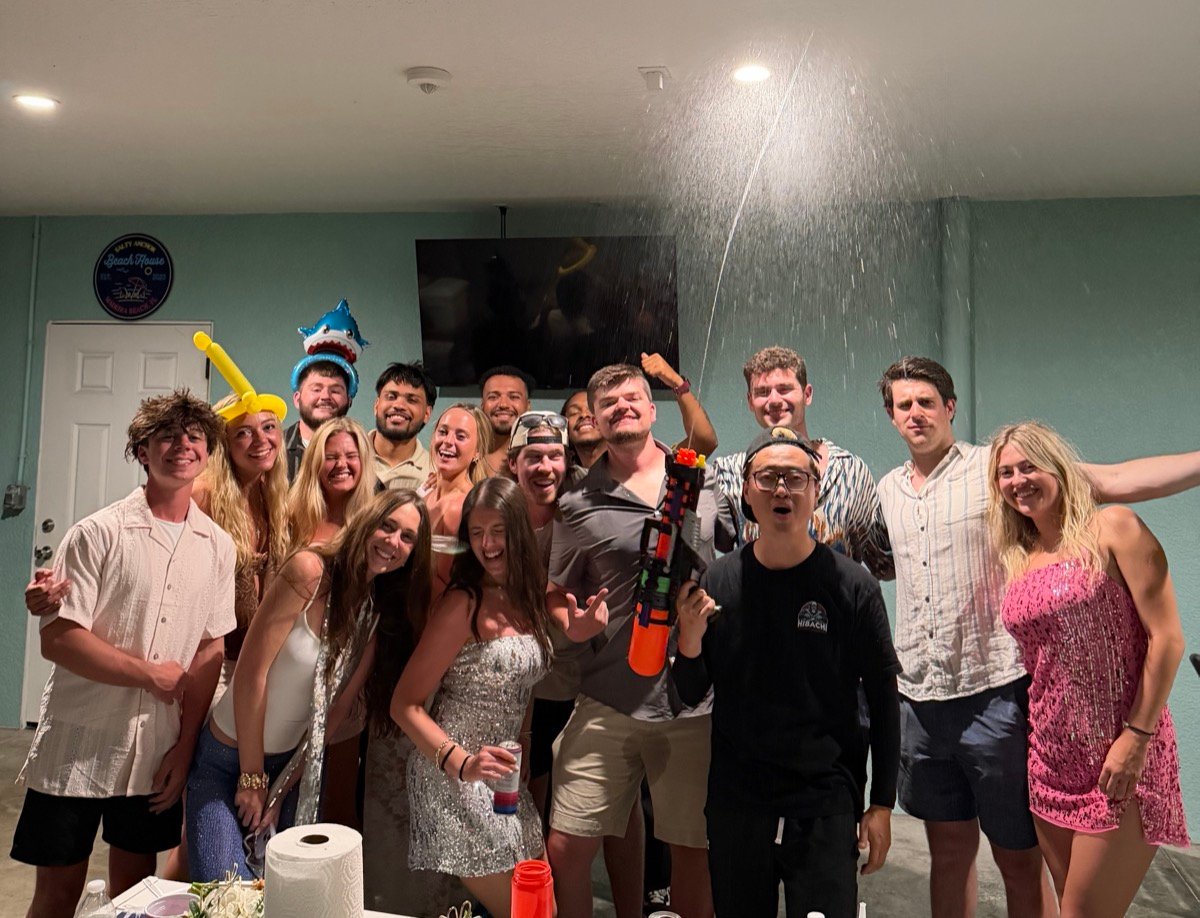
The Hidden Cost of Grocery Store Party Prep
Buying ingredients from a grocery store may appear less expensive at first. But hosts should evaluate the full workload, not just the receipt.
Time Costs
A host may spend hours on:
– Planning a menu
– Comparing prices
– Driving to one or more stores
– Choosing proteins
– Transporting groceries
– Clearing refrigerator space
– Washing and chopping vegetables
– Marinating ingredients
– Cooking during the event
– Cleaning cookware and outdoor areas afterward
For a birthday party or holiday gathering, these tasks can pull the host away from friends and family.
Consistency Costs
Grocery-store party cooking depends heavily on the host’s tools, experience, and available kitchen space. If the grill runs too cool, batches are too large, or the cook must repeatedly step away to manage guests, food quality can vary.
Professional hibachi catering provides a more controlled service format. The chef works with a dedicated grill, a planned ingredient sequence, and a menu built for live preparation.
Experience Costs
A grocery-store meal can still be delicious. But it does not automatically create a private hibachi experience.
The show matters. The chef’s grill techniques, interactive cooking, onion volcano, fried-rice performance, and shared table energy can transform a meal into an occasion. That is especially valuable for milestone birthdays, graduation parties, bachelor or bachelorette celebrations, and corporate team events.
How to Evaluate a Private Hibachi Caterer
Not all catering services operate the same way. When comparing providers, ask questions that reveal how they manage ingredient quality and service.
Questions Worth Asking
1. How do you plan protein quantities for my guest count?
2. Which proteins work best for my event type and menu?
3. What food-storage practices do you use before the chef begins cooking?
4. Can you accommodate vegetarian preferences or ingredient sensitivities?
5. How much space does the mobile hibachi setup need?
6. What is included in the service: chef, grill, food, utensils, cleanup, or travel?
7. How do you plan service for children, large groups, or multi-course private dinners?
A reliable caterer should answer clearly. Vague promises about “premium ingredients” are less useful than a transparent explanation of menu planning, protein options, service timing, and on-site cooking.
A Practical Party-Planning Checklist
If you are booking at-home hibachi catering, use this checklist to create a smoother event.
– Confirm your final guest count early.
– Ask guests about allergies and dietary preferences before choosing proteins.
– Choose a location with enough room for the grill setup and seating.
– Keep children and pets at a safe distance from the hot cooking area.
– Schedule your hibachi chef around the time guests are ready to eat.
– Provide a clear path for equipment setup.
– Plan beverages, tableware, and seating before the chef arrives.
– Avoid putting out raw food or perishable sides in direct sun.
– Tell guests they are attending a live dining experience, not just a standard catered meal.
For outdoor celebrations, weather planning is also important. Shade, lighting, ventilation, and a practical rain backup can make the difference between a good event and a seamless one.
The Better Choice Depends on Your Goal
Grocery store ingredients make sense when you enjoy cooking, have time to prepare, and are hosting a small, informal meal. You maintain control over every purchase and can build a menu around your own kitchen routine.
However, hibachi catering sourced proteins are often the stronger choice when you want freshly cooked food, portion consistency, a live chef performance, and more time with your guests.
For events where the meal is part of the celebration, the difference is meaningful. You are not only ordering steak, chicken, shrimp, vegetables, and fried rice. You are arranging a memorable private dining moment.
Book Your Private Hibachi Experience
Ready to turn your next celebration into a live, chef-led event? Hibachi Sake Sake brings mobile hibachi catering to homes, backyards, vacation rentals, and event spaces across Florida, Georgia, South Carolina, and North Carolina.
Whether you are planning a birthday, family reunion, holiday party, graduation celebration, corporate event, or luxury private dinner, choose a menu that is prepared for your event and cooked fresh in front of your guests. Contact Hibachi Sake Sake today to plan your private hibachi party.

FAQ
Is hibachi catering fresher than grocery store food?
It can be fresher at the point of service because a private hibachi chef prepares the meal live on site. Grocery store ingredients can also be high quality, but the host is responsible for purchasing, storing, prepping, and cooking them before guests eat.
What proteins are popular for a private hibachi party?
Popular choices include steak, chicken, shrimp, salmon, scallops, and vegetarian protein alternatives. The best selection depends on guest preferences, budget, dietary needs, and the style of event.
How far in advance should I book mobile hibachi catering?
Book as early as possible, especially for weekends, holidays, graduation season, and popular party dates. Early booking also gives you more time to confirm guest count, menu selections, and event logistics.
Can a hibachi chef cook in my backyard?
In many cases, yes. A mobile hibachi chef can serve at a backyard, patio, driveway, vacation rental, or private event venue when there is adequate space, safe access, and a suitable cooking area. Confirm the location details with your caterer before booking.
How do outdoor temperatures affect hibachi catering?
Warm weather makes temperature management more important. Perishable foods should stay cold until cooking, while cooked foods should be served promptly or held hot when necessary. Outdoor events in high heat require careful timing and professional food handling.
Is private hibachi catering suitable for corporate events?
Yes. Corporate hibachi catering can work well for team celebrations, client events, employee appreciation dinners, and holiday gatherings because it combines food, entertainment, and conversation in one interactive format.
References
1. [U.S. Department of Agriculture — Stars, Stripes and Safe Bites]
2. [U.S. Department of Agriculture — Serve Summer Safe with Food Safety Tips]
3. [U.S. Food and Drug Administration — Food Traceability Final Rule]
4. [U.S. Food and Drug Administration — Food Traceability Rule FAQs]
5. [USDA Food Safety and Inspection Service — The Temperature Danger Zone]
Hot Tags: Hibachi Catering, Mobile Hibachi Catering, Private Hibachi Chef, At Home Hibachi Catering, Backyard Hibachi Party, Corporate Hibachi Catering, Private Chef Catering, Hibachi Party Catering, Outdoor Hibachi Catering, Japanese Hibachi Catering