
Content Menu
● What Is an All-Inclusive Hibachi Service?
● What Does “Chef Only” Usually Mean?
● All-Inclusive vs. Chef-Only at a Glance
● Hidden Costs to Watch With Chef-Only Hibachi Services
>> 1. Food, Protein, and Ingredient Purchases
>> 2. Grill, Propane, and Cooking Equipment
>> 3. Travel, Distance, Tolls, and Parking
>> 4. Tables, Chairs, Dinnerware, and Guest Setup
>> 5. Staffing and Guest-to-Chef Capacity
>> 6. Setup Time, Overtime, and Delayed Service
● The Real Cost: Host Time and Event Risk
● Outdoor Events Need a Weather Plan
● When Chef-Only Service Makes Sense
● Choose a Complete Experience With Hibachi Sake Sake
● FAQ
>> Is an all-inclusive hibachi service more expensive than chef-only service?
>> What should be included in a mobile hibachi quote?
>> Do I need to provide tables and chairs for a backyard hibachi party?
>> Can a private hibachi chef accommodate food allergies?
>> Are travel fees normal for at-home hibachi catering?
>> What happens if it rains during an outdoor hibachi event?
>> How far in advance should I book a private hibachi party?
Planning an at-home celebration should feel exciting—not like assembling a catering package one surprise fee at a time. When comparing an all-inclusive hibachi service with a chef-only hibachi service, the advertised price rarely tells the full story.
For birthdays, family gatherings, graduation parties, corporate events, holiday celebrations, and upscale private dinners across Florida, Georgia, South Carolina, and North Carolina, the right choice depends on more than the chef’s performance. You need to know who brings the grill, food, serving equipment, staff, cleanup plan, and the behind-the-scenes logistics that make a mobile hibachi party run smoothly.
At Hibachi Sake Sake, we believe a private hibachi experience should be clear from the first quote. Here is how to compare the two service models—and how to avoid costs that can quietly expand your event budget.
What Is an All-Inclusive Hibachi Service?
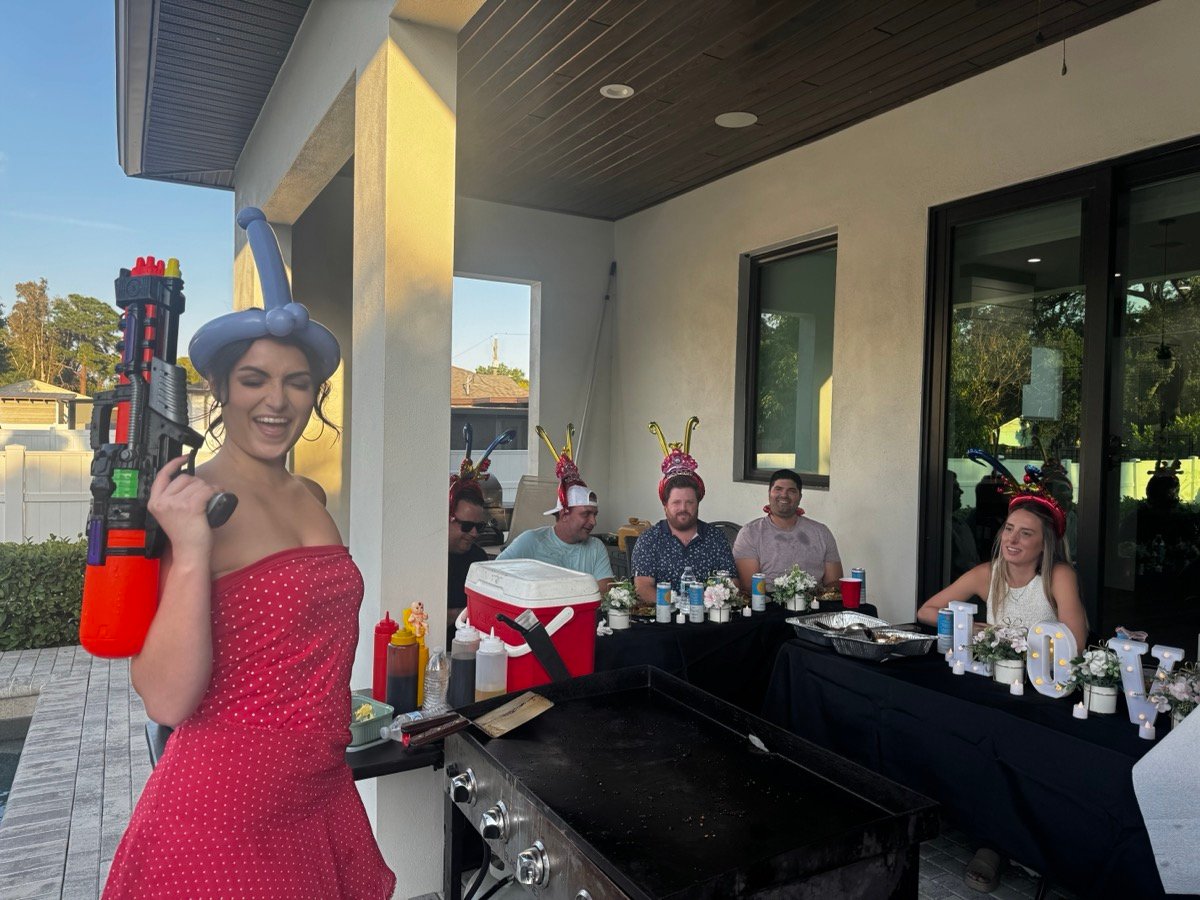
An all-inclusive hibachi service is designed as a complete mobile dining experience. The provider coordinates the essential elements needed to cook, serve, and finish the event at your home, vacation rental, backyard, office, or chosen venue.
Depending on the selected package, an all-inclusive hibachi experience may cover:
– A trained private hibachi chef
– A portable hibachi grill and cooking setup
– Fresh ingredients and selected proteins
– Fried rice, vegetables, sauces, and meal components
– On-site cooking and interactive entertainment
– Basic serving logistics
– Setup and breakdown
– Cleanup of the cooking area
– Travel within a defined service area
– Planning support before the event
The key benefit is not simply convenience. It is cost visibility. You understand what is included before you invite guests, buy decorations, or commit to a venue.
Mobile food service involves real operational planning. Outdoor events require proper control of ingredients, equipment, heat, transportation, and timing. Perishable foods should not remain in the food-temperature danger zone—between 41°F and 135°F—where bacteria can multiply rapidly. That is one reason experienced full-service providers invest in organized transport, cold storage practices, cooking systems, and event workflows rather than simply arriving with a chef and a short shopping list.
What Does “Chef Only” Usually Mean?
A chef-only service can be a good fit for hosts who already have the equipment, food, serving ware, prep space, and event staff ready. However, “chef only” does not have one universal definition.
In some cases, the chef brings a grill but not ingredients. In others, the host must provide tables, chairs, plates, utensils, beverages, propane access, cooking tools, or cleanup supplies. A chef-only quote may also exclude travel, assistants, setup time, gratuity, specialty proteins, and taxes.
That does not automatically make chef-only service a poor option. It means the host becomes the event coordinator.
Before choosing this model, ask a direct question:
> “What must I provide, purchase, arrange, or pay for separately for the hibachi event to happen exactly as planned?”
If the answer is unclear, the initial price is not yet a reliable event budget.
All-Inclusive vs. Chef-Only at a Glance
| Planning Category | All-Inclusive Hibachi Service | Chef-Only Hibachi Service |
|---|---|---|
| Chef | Included | Included |
| Portable grill | Often included | May be included or rented separately |
| Food and ingredients | Usually included by package | Often supplied or reimbursed by host |
| Menu planning | Guided and coordinated | May require host decisions and shopping |
| Cooking fuel and equipment | Typically handled by provider | May be extra or host-provided |
| Setup and breakdown | Commonly included | May be limited or billed separately |
| Serving supplies | Package-dependent | Frequently host responsibility |
| Cleanup | Cooking-area cleanup often included | May be excluded |
| Travel | Defined zone may be included | Often charged separately |
| Event coordination | Provider-led | Host-led |
| Budget predictability | Higher | Lower unless the scope is documented |
The most important difference is simple: all-inclusive service transfers more event responsibility to the provider, while chef-only service transfers more responsibility to the host.
Hidden Costs to Watch With Chef-Only Hibachi Services
A lower starting rate can be attractive. But the final total may rise after you add the pieces required to turn a chef visit into a complete private hibachi party.
1. Food, Protein, and Ingredient Purchases
A chef-only price may cover labor but not food. That can leave the host responsible for purchasing steak, chicken, shrimp, salmon, vegetables, rice, eggs, sauces, butter, oil, seasonings, and dietary alternatives.
This becomes more complex when guest counts change or when you have:
– Vegetarian or vegan guests
– Shellfish allergies
– Gluten-sensitive guests
– Children with different meal needs
– Premium protein requests
– Guests who expect seconds
Food costs can also be difficult to estimate because grocery pricing changes by market, season, store, and protein choice. What looked like a lower per-person rate may no longer be lower after shopping, delivery fees, waste, and last-minute substitutions.
Ask before booking: Is food included? If not, does the chef provide a precise shopping list with quantities, brands, portions, and substitutions?
2. Grill, Propane, and Cooking Equipment
A hibachi show requires more than a chef’s knife and a spatula. It may require a portable flat-top grill, fuel, prep tools, refrigeration or insulated storage, handwashing solutions, heat protection, lighting, and safe placement away from combustible surfaces.
If a chef-only company does not bring a complete cooking station, you may need to rent equipment or confirm whether your own outdoor setup is appropriate. Equipment rental can involve delivery charges, deposits, pickup scheduling, and cleaning fees.
Do not assume “mobile chef” means “all equipment included.” Get the equipment list in writing.
3. Travel, Distance, Tolls, and Parking
Travel fees are common in mobile food service, especially for vacation destinations, rural properties, gated communities, resort areas, and locations outside the company’s central coverage zone.
Potential additions include:
– Mileage or distance fees
– Tolls
– Resort or venue parking
– Long-drive surcharges
– Multi-chef travel charges
– Holiday or late-evening travel premiums
Travel costs are not inherently unreasonable. The problem is discovering them after the deposit is paid. A clear all-inclusive proposal should state the event address, service zone, included travel, and any distance-based charge before confirmation.
4. Tables, Chairs, Dinnerware, and Guest Setup
Some mobile hibachi providers cook directly in front of guests seated around the grill. If your property does not have a suitable table arrangement, the experience may require rented tables, chairs, linens, plates, napkins, utensils, cups, and waste stations.
This is especially important for backyard hibachi parties, rental homes, and corporate events. A host may assume the chef’s arrival includes a ready-to-use dining environment, while the provider may assume the host has already arranged it.
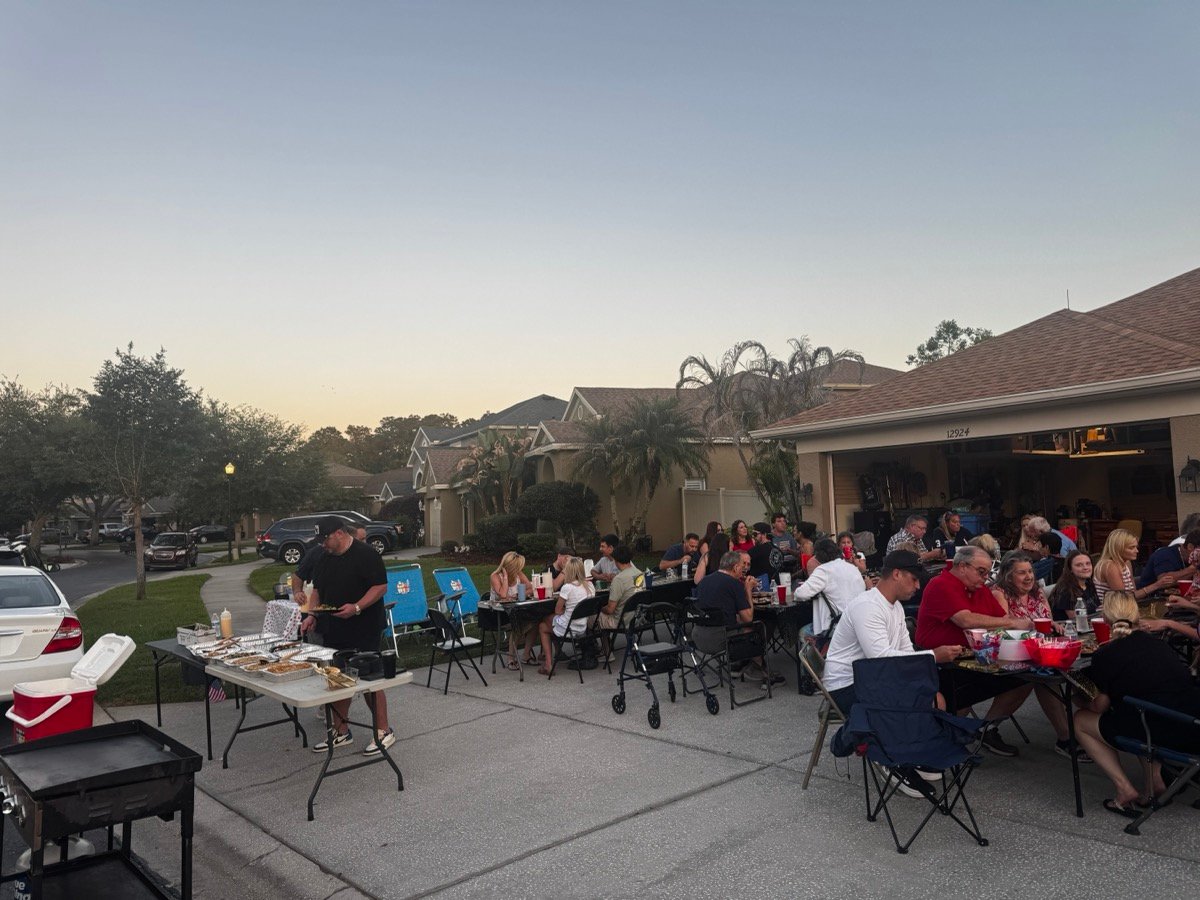
For a party of 20 guests, even basic event rentals can quickly become a meaningful line item. Add delivery, setup, pickup, breakage protection, and cleaning, and the gap between a chef-only quote and a complete hibachi package narrows.
5. Staffing and Guest-to-Chef Capacity
One chef may not be able to cook efficiently for every group size, especially when guests expect a lively tableside experience rather than a rushed buffet-style service.
Larger groups may need:
– A second hibachi chef
– A server or event assistant
– A prep or cleanup team member
– Multiple grill stations
– Staggered seating times
Ask how many guests one chef can serve during your preferred service window. Also ask whether the quoted price assumes a single grill, one seating, or multiple rounds. A low headline price can change once staffing requirements are added.
6. Setup Time, Overtime, and Delayed Service
Many hosts focus on the meal duration but overlook the full schedule. The team may need time to arrive, unload, set up, prepare, cook, break down, and clean the work area.
Extra charges can arise when:
– Guests arrive late
– The event starts later than scheduled
– The host changes the service location on-site
– Rain forces a last-minute relocation
– The group wants extended entertainment
– The party continues beyond the contracted service window
A strong proposal should identify arrival time, setup allowance, cooking period, expected end time, and overtime rate. This helps both the host and the chef protect the guest experience.
The Real Cost: Host Time and Event Risk
The biggest hidden cost is often not a receipt. It is the amount of coordination required from the host.
With chef-only service, you may need to manage shopping, refrigeration, menu counts, dietary needs, equipment rental, furniture, guest seating, trash, weather backup plans, and post-event cleanup. If one part fails, the host—not the chef—often becomes responsible for solving it.
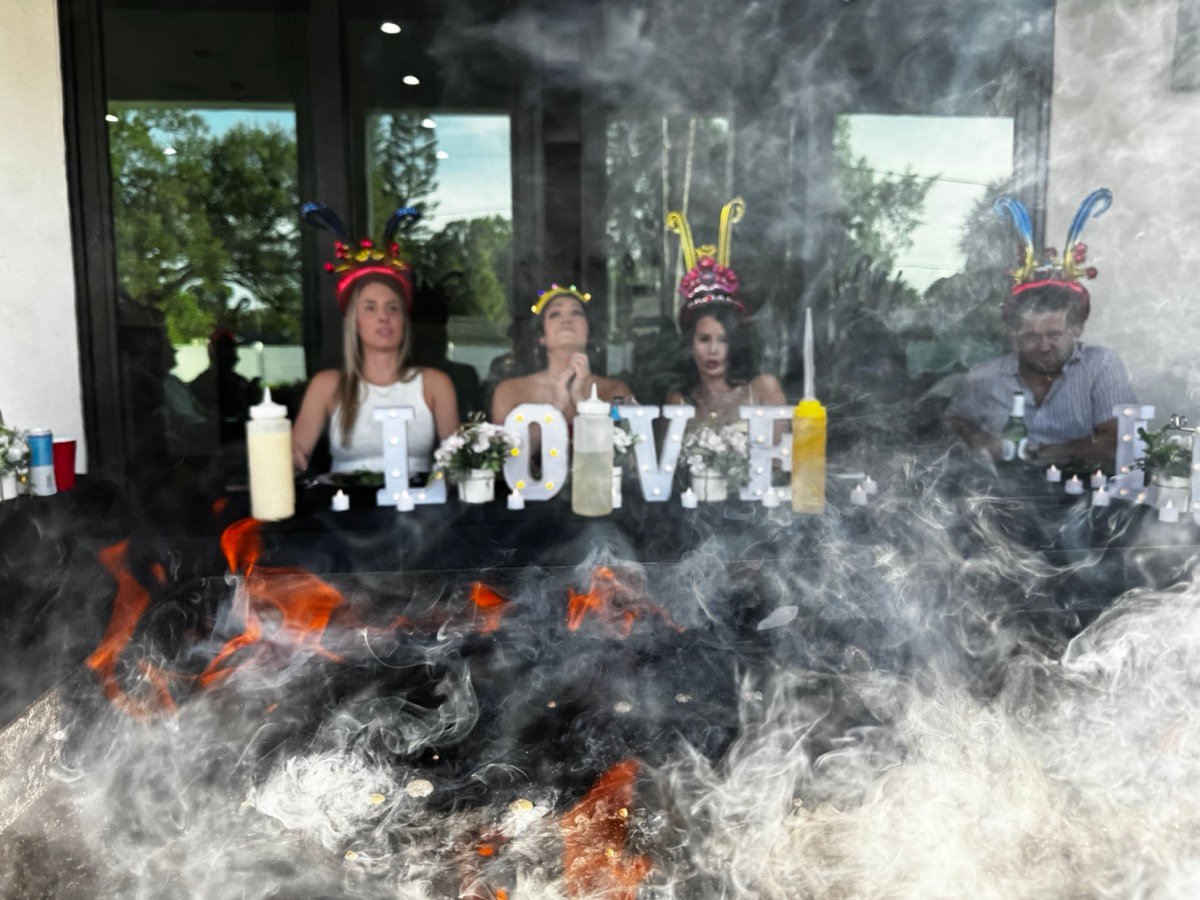
Consider a 20-person backyard birthday party. A chef-only rate may appear lower at first. But once you add groceries, premium proteins, cookware or grill rental, propane, serving supplies, travel, labor for cleanup, and a contingency for missing items, the total can exceed a transparent full-service package.
The value of an all-inclusive hibachi service is not that every package includes every conceivable item. It is that the scope is defined, responsibilities are clear, and you can make an informed decision before event day.
A Practical Quote Checklist
Use this checklist to compare two private hibachi quotes fairly. Do not compare only the per-person figure.
1. Confirm the exact guest count and minimum guest requirement.
2. Request the full menu with protein portions, sides, sauces, and dietary alternatives.
3. Ask what equipment arrives with the chef, including grill, fuel, tools, refrigeration, and sanitation supplies.
4. Verify what the host must provide, such as tables, chairs, plates, utensils, power access, water access, or trash bins.
5. Confirm travel charges using the exact event address.
6. Ask about tax, service charges, deposits, gratuity, and payment timing.
7. Clarify setup, service, and cleanup times, plus overtime rates.
8. Discuss weather and venue contingencies for outdoor hibachi catering.
9. Request the cancellation and rescheduling policy before paying a deposit.
10. Get the final inclusions in writing.
A provider that welcomes these questions is usually easier to work with. Clear answers are a sign of professional planning—not a sales obstacle.
Outdoor Events Need a Weather Plan
Florida, Georgia, South Carolina, and North Carolina offer excellent settings for backyard parties, poolside celebrations, vacation-home dinners, and corporate gatherings. They also bring heat, rain, wind, humidity, and changing conditions.
Outdoor food service should have a realistic weather plan. That may include a covered, well-ventilated cooking area, an accessible alternate location, clear walkways, safe grill placement, and enough room for guests to enjoy the show without crowding the cooking station.
Food safety matters here as well. FoodSafety.gov advises keeping cold food cold and hot food hot, noting that bacteria grow rapidly between 40°F and 140°F. In very hot weather, perishable food should be handled even more carefully.
Before booking, tell your provider:
– Whether the event is indoors, outdoors, or both
– Whether there is a covered patio or tent
– The available cooking surface
– Access conditions such as stairs, gates, elevators, or long walkways
– Expected weather exposure
– Venue rules for open-flame or propane equipment
When Chef-Only Service Makes Sense
Chef-only hibachi service can be a smart choice when you already have event infrastructure in place.
It may work well if you:
– Own or have rented an appropriate grill and seating setup
– Have an experienced event planner or household staff
– Want to purchase specific ingredients yourself
– Are hosting a small, simple gathering
– Have a venue that supplies tables, dinnerware, and cleanup
– Prefer maximum control over food purchasing and presentation
The right choice is not always the package with the lowest opening number. It is the package that delivers the experience you want with the fewest unwelcome surprises.
Choose a Complete Experience With Hibachi Sake Sake
Your guests should remember the sizzling grill, chef interaction, fresh food, and celebration—not whether you had to make an emergency store run for propane or dinnerware.
Hibachi Sake Sake brings private and mobile Japanese hibachi experiences to celebrations across Florida, Georgia, South Carolina, and North Carolina. Whether you are planning a birthday party, family reunion, graduation dinner, holiday event, corporate gathering, or luxury private dining experience, we will help you understand the service scope before your date is confirmed.
Request your personalized hibachi quote today and ask for a clear breakdown of what is included for your location, guest count, menu, and event setup.
FAQ
Is an all-inclusive hibachi service more expensive than chef-only service?
Not always. The initial price may be higher because more items are included, but the final cost can be more predictable. A chef-only option may become more expensive after food, equipment, travel, rentals, staffing, and cleanup are added.
What should be included in a mobile hibachi quote?
At minimum, a quote should clarify the chef, menu, food, grill, equipment, travel, setup, service duration, breakdown, cleanup scope, taxes, gratuity policy, deposit, and any extra fees.
Do I need to provide tables and chairs for a backyard hibachi party?
It depends on the provider and package. Some services bring only the chef and grill, while others coordinate more of the event setup. Always ask whether guest seating, dinnerware, and serving supplies are included.
Can a private hibachi chef accommodate food allergies?
Many providers can discuss accommodations, but you should disclose allergies and dietary requirements before booking. Ask about ingredients, preparation methods, cross-contact procedures, and whether the requested accommodation can be safely provided.
Are travel fees normal for at-home hibachi catering?
Yes. Travel charges can be reasonable for locations outside a standard service area or for venues with tolls, parking fees, or difficult access. The important point is that the fee should be disclosed before you book.
What happens if it rains during an outdoor hibachi event?
Ask the provider about the weather policy before you reserve. A safe, covered, well-ventilated alternative cooking location may be needed. Avoid assuming a tent or indoor area will automatically be suitable for a grill.
How far in advance should I book a private hibachi party?
Book as early as possible for weekends, holidays, graduation season, and popular travel periods. Early booking gives you more flexibility with chef availability, menu planning, guest count changes, and location logistics.
References
1. FoodSafety.gov. “[Food Safety by Events and Seasons].” Accessed August 16, 2026.
2. U.S. Food and Drug Administration. “[FDA Food Code 2022].” Accessed August 16, 2026.
3. National Restaurant Association. “[2026 Summer Tourism & Dining Trends: Key Developments Shaping Restaurant Demand].” June 30, 2026.
4. GoFoodservice. “[Catering Equipment for Off-Premise Events: Operator Guide].” February 21, 2026.
5. Let’s Hibachi. “[Hibachi Catering Cost Guide: $60–$85 Per Person].” April 14, 2026.
6. Hibachi With Us. “[The Ultimate Guide to Hosting a Hibachi at Home in 30A Florida].” February 24, 2026.
Hot Tags: Mobile Hibachi Catering, Private Hibachi Chef, Hibachi Catering Services, At Home Hibachi Party, Backyard Hibachi Party, Corporate Event Catering, Private Chef Catering, Outdoor Catering Services, Hibachi Party Rental, Japanese Teppanyaki Catering