
Content Menu
● What “Hibachi at Home” Really Means in 2026
● 2026 Price Range: What Most People Actually Pay
● How a Typical Hibachi-at-Home Package Is Structured
● Pricing in Florida, Georgia and the Carolinas
● Per-Person Rates and Booking Minimums
● The Main Factors That Drive Hibachi-at-Home Cost
>> 1. Menu Tier and Protein Choices
>> 2. Guest Count and Group Size
>> 3. Event Date and Time Slot
>> 4. Travel Distance and Location Type
● Realistic Event Scenarios and What They Might Cost
● Why Hibachi at Home Feels “Worth It” to Many Hosts
● A Step-by-Step Framework to Estimate Your Hibachi Budget
● Hosting Tips for a Smooth Backyard Hibachi Experience
● When Hibachi Works Best for Different Types of Events
● Turning Browsers into Bookings: Clear, Helpful Next Steps
● Frequently Asked Questions (FAQ)
What “Hibachi at Home” Really Means in 2026
Private hibachi at home, more accurately described as a teppanyaki-style chef experience, brings a professional grill and hibachi chef directly to your home, backyard, vacation rental, or private venue. Instead of driving to a crowded restaurant and waiting for a table, your guests gather around the grill while the chef cooks, entertains, and serves everyone on-site.
A typical at-home hibachi experience includes the chef, a portable hibachi or teppanyaki grill, cooking fuel, fresh ingredients, and a live show with tricks, flame effects, and interactive moments. In practice, that means you are not just paying for food—you are booking a full dinner-and-show experience in a private, highly personalized setting.
For hosts in Florida, Georgia, South Carolina, and North Carolina, this format has quickly become a favorite for milestone celebrations, upscale backyard parties, and corporate gatherings. It offers restaurant-quality food, a built-in performance, and the comfort of your own space, all wrapped into one service.
2026 Price Range: What Most People Actually Pay
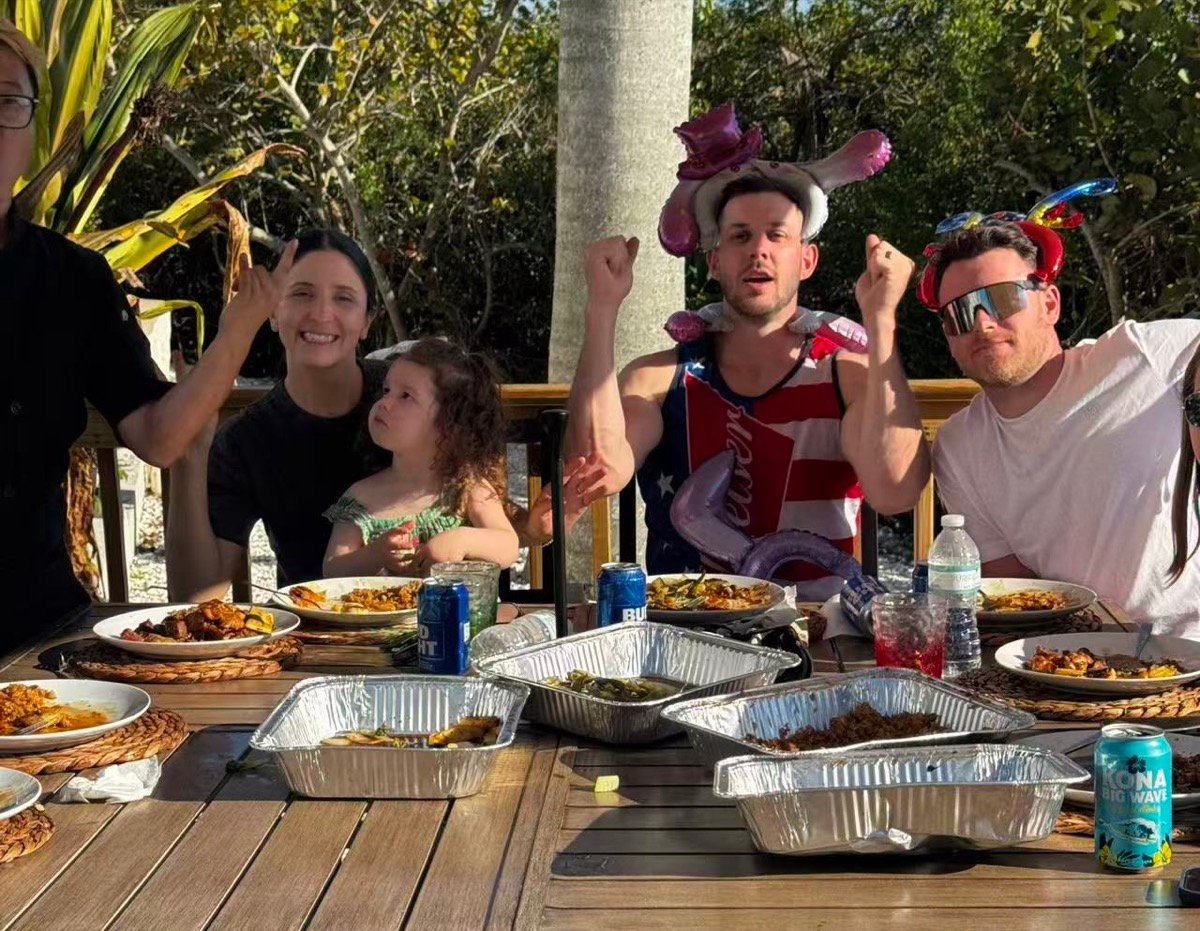
Across the United States, most hibachi-at-home events in 2026 fall into a fairly consistent range. For standard adult menus that include popular proteins, fried rice, vegetables, and a live show, you can generally expect to invest somewhere in the mid two‑figure range per person. Children’s pricing is usually lower, and very young kids may be included at no cost or at a symbolic fee.
While exact numbers vary by provider and region, there is now a clear benchmark range that guests consider “normal” for a full-service experience. If your group is looking for premium ingredients such as filet mignon, salmon, scallops, or lobster, the per-person price will naturally rise into the higher part of that band or slightly above it.
In the Southeast—especially in states like Florida and the Carolinas—mobile hibachi brands often position their packages right within this national range. This makes it easier for guests who have seen similar offerings online to quickly understand your pricing and decide if a private chef experience is right for their event.
How a Typical Hibachi-at-Home Package Is Structured
To understand what you are paying for, it helps to look at how a typical hibachi-at-home package is structured. Most professional providers bundle several elements into one clear price per guest, sometimes supported by a minimum booking total:
– A hibachi or teppanyaki grill and all necessary cooking equipment.
– Cooking fuel (such as propane) and safety gear appropriate for outdoor use.
– Fresh proteins like chicken, steak, shrimp, or salmon, plus vegetarian options such as tofu.
– Fried rice and hibachi-style vegetables for each guest.
– A live performance that may include knife skills, egg tricks, onion volcanoes, and fun, family-friendly interaction.
– On-site cooking service plus basic cleanup around the grill area at the end of the event.
From a user-experience perspective, this “all-in” structure is critical. Hosts want to know that they are not just buying food, but a complete solution: chef, equipment, ingredients, and entertainment. The clearer you can communicate the inclusions, the more confident guests will feel when they are looking at your per-person rates.
Pricing in Florida, Georgia and the Carolinas
In Florida, Georgia, South Carolina, and North Carolina, the economics of mobile hibachi are influenced by several regional factors: outdoor living culture, seasonality, local labor costs, and the spread between coastal cities and more inland areas. Despite these differences, the overall price band remains very close to what you see in other parts of the country.
Standard private hibachi packages in these states tend to start at a mid-level price point per adult, with children priced lower. Many providers set their base adult rate in a narrow range so guests can quickly estimate their total by multiplying that figure by their expected headcount. From there, upgrades, premiums, and travel adjustments are layered on as needed.
For mobile brands serving multiple states, it is common to keep a consistent core rate and then adjust for specific metro areas or especially long-distance travel. This approach strikes a balance between operational reality and the simplicity users expect when they compare your pricing to other hibachi or catering options.
Per-Person Rates and Booking Minimums
Most hibachi-at-home companies use a combination of per-person pricing and a booking minimum. This structure ensures that events remain viable for the chef and team even if the guest count is small. For example, bringing a full hibachi setup for six guests takes almost as much prep, travel, and on-site time as serving twelve or fourteen people.
Typical patterns you are likely to see include:
– A clear base price per adult guest.
– A reduced rate per child (usually defined within a specific age range).
– A total minimum event charge that serves as the baseline for the booking.
– Slightly different minimums for weekdays versus weekends, or for lunch versus prime-time dinner slots.
From a guest’s perspective, the minimum ensures that smaller, more intimate gatherings are still possible—such as a luxury private dinner for a handful of people—while giving the provider enough revenue to cover all fixed costs. From a brand perspective, being transparent about your minimums in your website content significantly improves user trust and reduces friction in your inquiry funnel.
The Main Factors That Drive Hibachi-at-Home Cost
Although the base per-person price gives you a rough idea of what to expect, the actual cost of a hibachi-at-home event depends on several key variables. Understanding these drivers helps you either price your own services accurately or evaluate quotes from different providers with more confidence.
1. Menu Tier and Protein Choices
Menu design has one of the biggest impacts on cost. Standard menus usually revolve around a combination of chicken, steak, shrimp, vegetables, and fried rice. When hosts upgrade to premium options, such as:
– Filet mignon or other high-end beef cuts
– Salmon or other premium fish
– Scallops, lobster tail, or a surf-and-turf combination
the per-person rate naturally increases. Many providers structure this in tiers, offering a clear jump in both perceived and actual value as you move into luxury or special-occasion menus. For high-end private dinners and executive events, the menu tier often becomes the primary differentiator.
2. Guest Count and Group Size
Group size affects the economics of hibachi in several ways. Smaller groups tend to land closer to the booking minimum, which means the effective cost per person can be higher. Larger groups, on the other hand, may unlock:
– Volume-based discounts or package pricing.
– The need for additional chefs or grill stations to maintain service quality.
– A more complex setup, especially for corporate events and weddings.
From a user-experience perspective, it helps to communicate clearly how many guests can comfortably share a single grill and how many chefs you recommend beyond a certain group size. This not only strengthens trust but also helps hosts picture how the event will actually look and feel.
3. Event Date and Time Slot
Demand for certain dates and time slots is another subtle but important pricing factor. Weekend evenings, particularly during holiday seasons, tend to be the highest-demand windows. Lunchtime events, weekday dinners, or shoulder-season dates can often be priced more flexibly.
For a brand covering multiple states, offering structured weekday or lunch discounts can be an effective strategy to fill the calendar while still maintaining healthy margins. It also gives budget-conscious clients a tangible incentive to choose off-peak time slots.
4. Travel Distance and Location Type
Travel distance from the chef’s base location affects fuel, time, and logistics. Many providers include travel within a defined radius around their main cities and charge additional fees beyond that zone. Travel considerations matter even more in states with large geographic spread or heavy traffic corridors.
Location type also plays a role. A straightforward suburban backyard is simpler to service than, say, a rooftop, a remote beachfront home, or a mountain vacation rental with limited access. When the setup is more complex, it is reasonable for providers to build that complexity into their pricing.
Realistic Event Scenarios and What They Might Cost
To translate all of this into real-world terms, imagine a few common event scenarios and how a typical hibachi provider might structure them. These are illustrative examples designed to mirror how hibachi-at-home pricing logic works in practice:
– A backyard birthday party for ten adults on a standard menu might sit close to a mid-range total, especially if it aligns with your base adult rate and minimum booking threshold.
– A graduation celebration for twenty adults with premium surf-and-turf upgrades and a few children added may move into a higher total bracket, reflecting both upgraded ingredients and group size.
– A family gathering with a mix of adults and children, using a classic menu, will often land somewhere between those two, with the child rates helping keep the total more manageable.
– A corporate event with thirty or forty adults might require multiple grill stations and chefs to maintain a strong guest experience, producing a higher overall total while keeping the per-person structure intact.
– An intimate luxury private chef dinner for six to eight guests often approaches the booking minimum but delivers a highly personalized experience with more space for premium menu design.
The key is that all of these scenarios follow the same basic logic: base rate per person, adjusted for menu tier and logistics, combined with a minimum charge to keep the event sustainable.
Why Hibachi at Home Feels “Worth It” to Many Hosts
On paper, private hibachi will often look more expensive than ordering takeout or booking a casual restaurant table. In practice, many hosts (and their guests) consider it excellent value when they realize what is actually included. There are several reasons for this perceived value:
– It combines dinner and entertainment in one experience, saving you from hiring separate performers or planning additional activities.
– It offers a level of personalization that traditional restaurants rarely match—your group, your home, your timing, your music, and your atmosphere.
– It transforms ordinary backyards or patios into memorable event spaces without the need for extensive décor or complex catering setups.
– It is highly social and interactive, encouraging conversation and laughter as guests watch the chef cook right in front of them.
In other words, guests are not simply paying for calories on a plate; they are investing in a unique memory. When positioned and communicated properly on your website, this “experience value” helps visitors understand why a hibachi-at-home quote looks different from an ordinary catering estimate.
A Step-by-Step Framework to Estimate Your Hibachi Budget
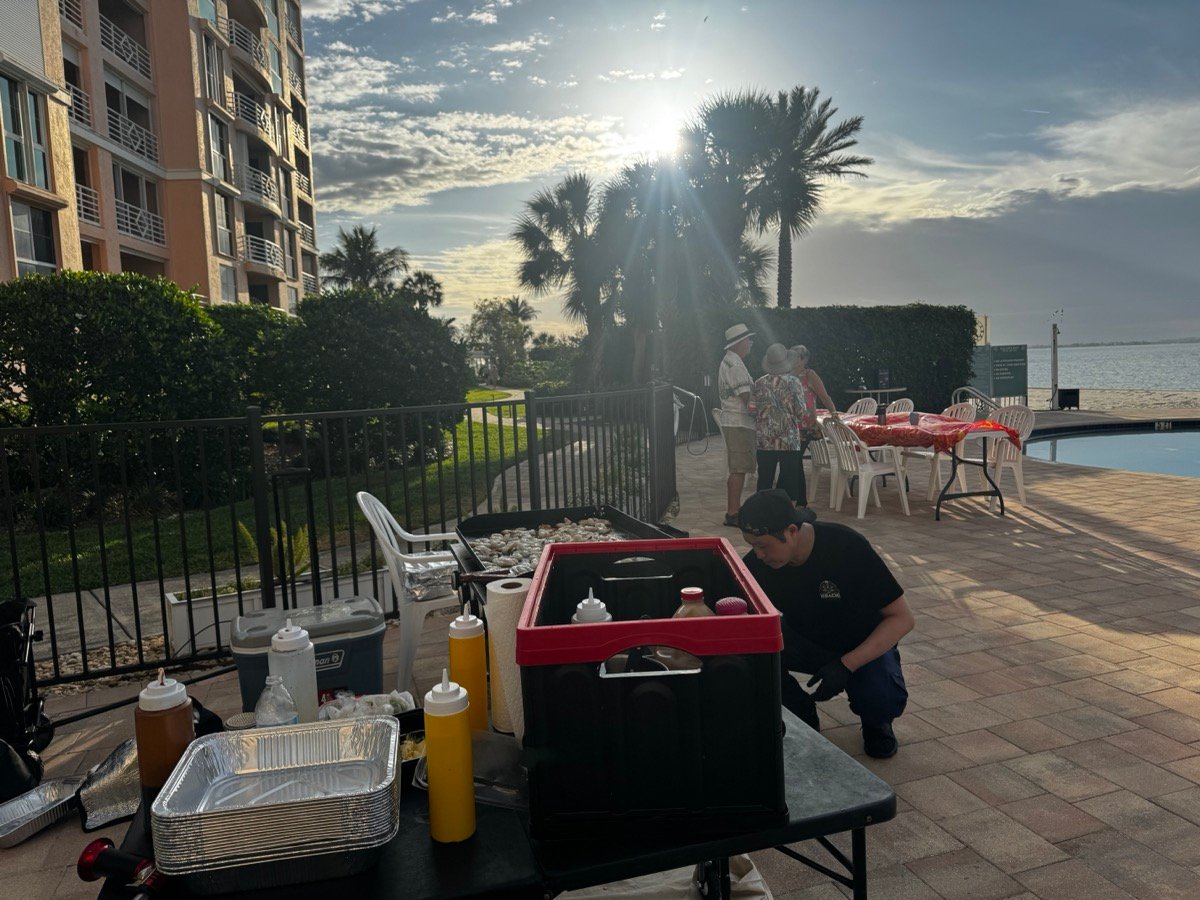
If you are planning an event and want to estimate your hibachi budget before reaching out to a provider, use the following simple framework. It mirrors how many hibachi brands actually build their quotes internally and makes you a more prepared, confident buyer.
1. Define your guest mix
Decide how many adults will attend and how many children are likely to be present. Note any very young children who may fall into an “eat free” category or special pricing.
2. Choose your menu level
Decide whether you want a standard menu with classic proteins or a premium upgrade featuring surf-and-turf, luxury beef, or elevated seafood. This choice will move your per-person rate up or down.
3. Check for minimums and potential discounts
Ask the provider about their booking minimum for your date and location. Clarify whether they offer different minimums for weekdays versus weekends, or for lunch versus dinner.
4. Confirm travel and any extra services
Provide your exact address or area so the provider can confirm whether travel is included or subject to a fee. If you need extras such as additional décor, dessert, bar service, or rentals, note those as separate budget items.
Once you have these four components, you can quickly calculate a realistic range and see whether a hibachi-at-home experience aligns with your event budget.
Hosting Tips for a Smooth Backyard Hibachi Experience
Cost is only one part of the equation. The way you plan and host the event has a huge impact on how enjoyable the experience feels for you and your guests. Based on common best practices from hibachi hosts and mobile chefs, a few simple tips can dramatically improve your event:
– Keep each grill’s audience relatively intimate so everyone can see the action and interact with the chef. If your guest list is large, consider multiple grill stations.
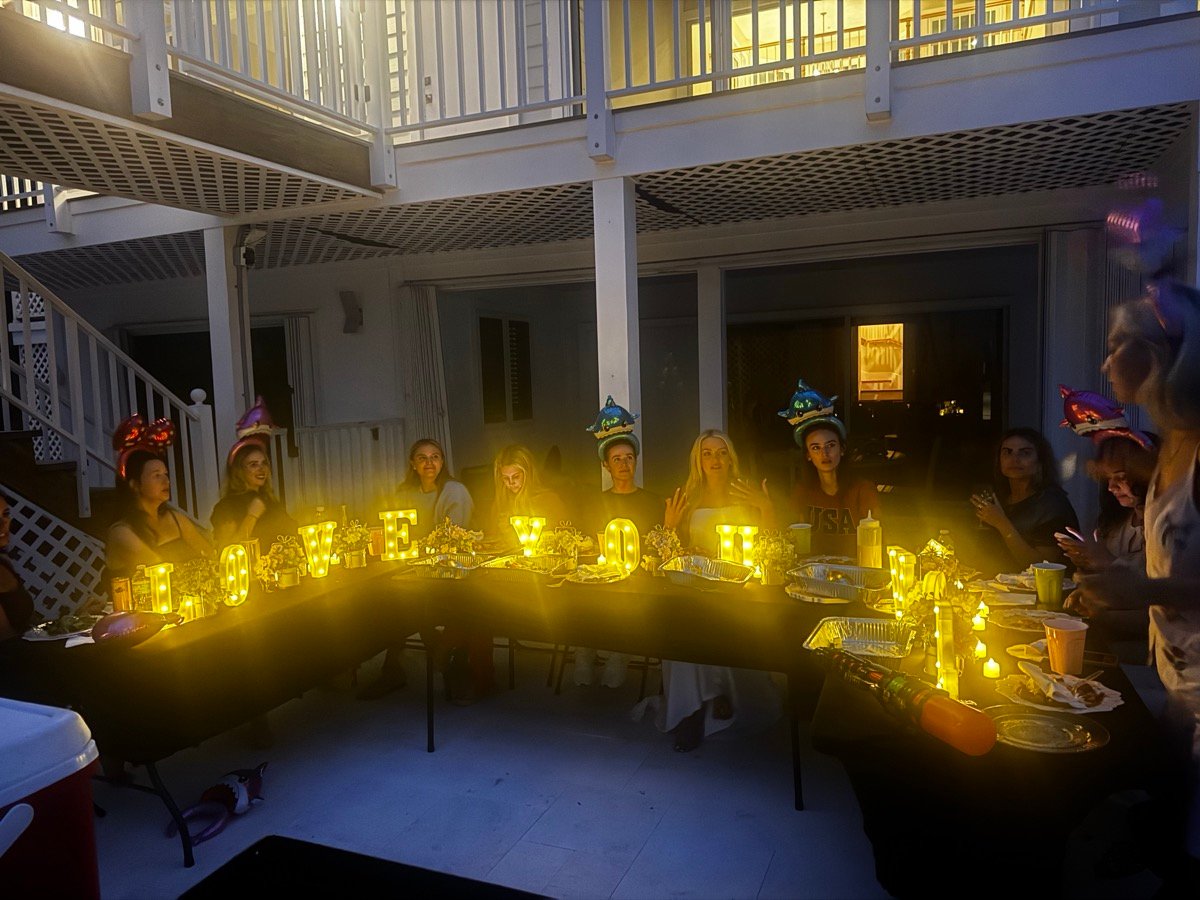
– Arrange seating so guests face the grill, not away from it. U‑shaped or long rectangular setups often work best.
– Prepare your space ahead of time by clearing pathways, identifying where power and lighting are needed, and deciding on a weather fallback plan if your event is outdoors.
– Align your playlist, lighting, and table settings with the mood you want: fun and playful for birthdays, elegant and minimal for luxury dinners, or relaxed and casual for family gatherings.
– Communicate any dietary restrictions in advance so the chef can plan substitutions or special plates without stress or delay.
Small details like these significantly enhance the perceived value of the event and make your investment feel even more justified.
When Hibachi Works Best for Different Types of Events
Private hibachi makes the most sense when you want the meal to be the centerpiece of the gathering—something people talk about during and after the event. It shines in event types where interaction, showmanship, and shared experience matter:
– Birthday celebrations, especially for guests who enjoy fun, high-energy experiences and plenty of photo opportunities.
– Family gatherings and reunions where relatives of different ages can enjoy the same show and meal together.
– Graduation parties looking for something more memorable than a standard buffet or pizza delivery.
– Holiday celebrations where you want a festive, special atmosphere at home instead of a loud, crowded restaurant.
– Corporate events or team-building sessions where shared experiences help people connect outside a formal office context.
– Luxury private dinners for small groups who want restaurant-level food and a private chef without leaving home.
If you run or book events for a brand like Hibachi Sake Sake, aligning your marketing content and service packages with these high-fit scenarios will naturally attract guests who see the value in your offering and are prepared to invest in it.
Turning Browsers into Bookings: Clear, Helpful Next Steps
For guests browsing your site, the most user-friendly experience is a combination of clear pricing, transparent inclusions, and frictionless next steps. Once they have a sense of what hibachi at home costs and what is included, what they need most is guidance on how to move forward.
You can support that decision by:
– Encouraging visitors to choose a tentative date, approximate guest count, and preferred menu tier.
– Providing a short, easy-to-complete inquiry form that collects only essential details.
– Setting expectations about response time and what happens after they submit (for example, a personalized quote and optional consultation call).
– Reassuring them that the process is simple: they handle the guest list and the space, while your team handles the chef, grill, ingredients, and show.
With this structure, your content does more than answer the question “How much does hibachi at home cost?” It also shows visitors exactly how to turn a pricing idea into a confirmed event.
Frequently Asked Questions (FAQ)
1. Is hibachi at home more expensive than going to a hibachi restaurant?
On a pure per‑plate basis, hibachi at home is often slightly higher than a typical restaurant check. However, you are also paying for a private chef, on-site cooking, equipment, travel, and a dedicated performance in your own space. When you compare those inclusions to what you would pay for restaurant meals, rides, and separate entertainment, the overall value becomes much more competitive.
2. How far in advance should I book a hibachi-at-home event?
For popular dates—such as weekends, holidays, and graduation season—it is wise to book several weeks or even a couple of months in advance. Weekday and off-peak times often have more flexibility, but it is still a good idea to inquire early so you have the best choice of dates, time slots, and menu options.
3. Do I need to provide tables, chairs, or a tent?
Most hibachi providers bring the grill and cooking equipment, while hosts typically provide the dining furniture, shade, or shelter if needed. Some brands can supply rentals or coordinate with event partners for an additional fee. Clarifying who is responsible for what early on ensures there are no surprises on the day of your event.
4. Can hibachi at home accommodate dietary restrictions or allergies?
Yes. Many hibachi chefs can adapt menus for guests who are vegetarian, pescatarian, gluten-free, or have other dietary needs, as long as they know in advance. Sharing any allergies or restrictions when you first inquire allows the chef to plan appropriate ingredients, separate cooking surfaces if necessary, and an overall menu that feels inclusive.
5. Is hibachi at home suitable for kids and multi-generational families?
Private hibachi is especially popular with families because the show keeps kids engaged while adults enjoy the meal and social time. Many providers offer child pricing and are experienced in tailoring the performance to be safe, fun, and age-appropriate. Multi-generational groups often find that hibachi is one of the rare experiences everyone can genuinely enjoy together.
References
1. Hibachi WithUs – “How Much Does Hibachi at Home in Denver Cost? 2026 Pricing Guide” https://www.hibachiwithus.com/blog/how-much-does-hibachi-at-home-in-denver-cost-2026-pricing-guide
2. Go Hibachi – “How Much Does Hibachi at Home Cost? 2026 Pricing Guide” https://gohibachinow.com/hibachi-at-home-cost/
3. Hibachi W – “Hibachi at Home Pricing & Booking | Costs, Packages and Private Chef Details” https://www.hibachiw.com/blogs/hibachi-pricing
4. Let’s Hibachi – “Hibachi Catering Cost: $60–$85/Person (2026 Guide)” https://letshibachi.com/how-much-does-hibachi-catering-cost/
5. Food in Japan – “How to Host a Backyard Hibachi Night” https://www.foodinjapan.org/article/how-to-host-a-backyard-hibachi-night/
6. Just One Hibachi – “How to Host the Perfect Backyard Hibachi Party” https://www.justonehibachi.com/post/how-to-host-the-perfect-backyard-hibachi-party
7. Hibachi4You – “Price List – Hibachi Cooking at Home” https://hibachi4you.us/price-list
Hot Tags: Hibachi At Home Pricing, Private Hibachi Chef, Mobile Hibachi Catering, Backyard Hibachi Party, Luxury Teppanyaki Dining, Corporate Hibachi Events, Florida Hibachi Catering, Georgia Hibachi Services, Carolina Hibachi Party, B2B Event Catering