
Content Menu
● What Is Teppanyaki and How Is It Different?
● Core Differences Between Hibachi and Teppanyaki
● How the Flavor Experience Changes at Your Event
● Which Style Works Best for Your Occasion?
● What a Private Hibachi-Style Event Looks Like at Home
● What Guests Actually Care About Most
● New Trends in Mobile Hibachi and Teppanyaki
● How to Choose the Right Private Chef Team
● Practical Tips for Hosting a Seamless Backyard Hibachi Party
● Why Many Hosts Prefer At-Home Hibachi Over Restaurants
As a private Japanese-style grill team serving Florida, Georgia, South Carolina and North Carolina, we hear the same question at almost every event: “So… is this hibachi or teppanyaki?” From the outside, the sizzle, the flames and the laughter around the grill can look very similar, but the traditions and techniques behind hibachi and teppanyaki are not the same at all. In this guide, I’ll explain the real differences from a hands-on chef and industry insider perspective, and help you decide which experience is right for your next celebration.
Whether you are planning a backyard birthday, a graduation party, a corporate team night or a luxury private dinner, understanding these two styles will help you set the right expectations for your guests and choose a service that matches the atmosphere you want. Instead of treating “hibachi” as a catch-all word, you will walk away knowing what actually happens on the grill – and why it matters for flavor, pacing and guest experience.
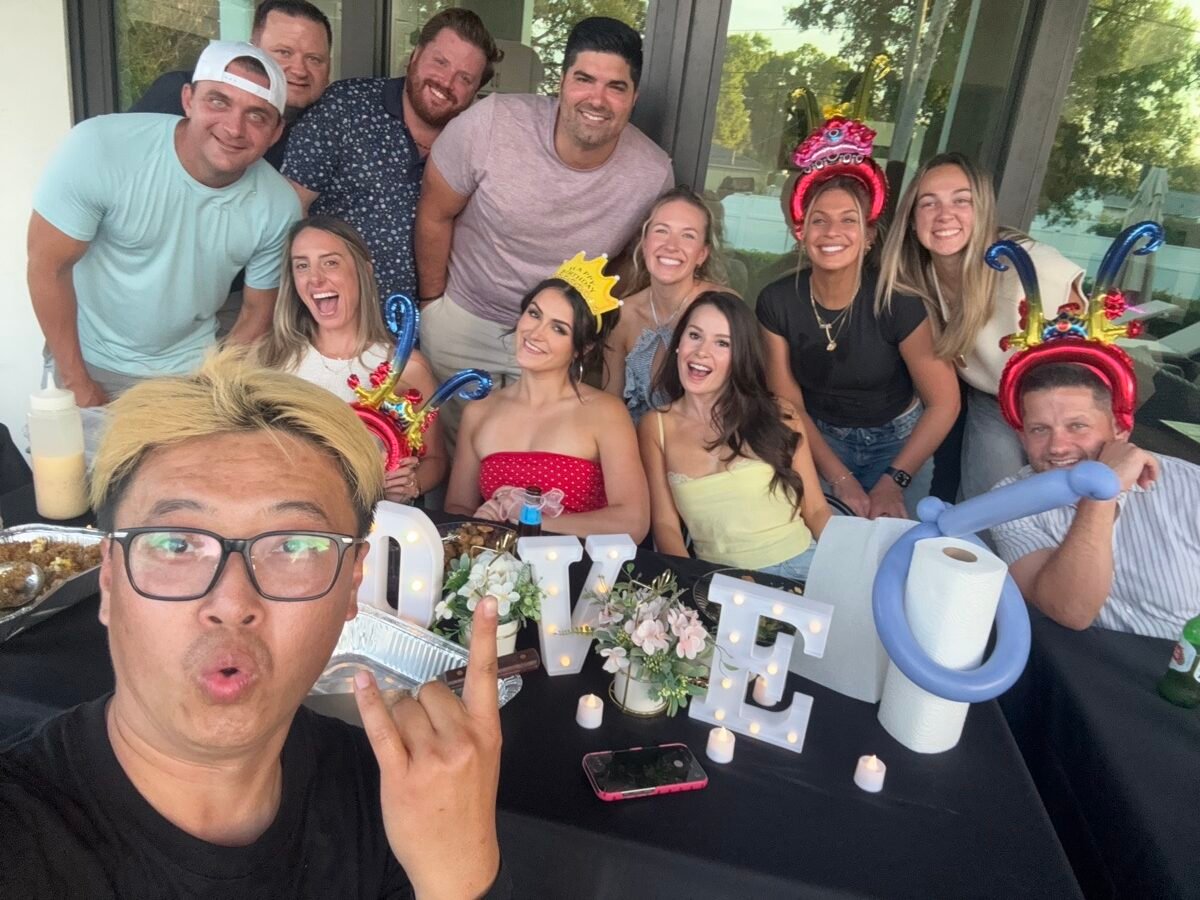
What Exactly Is Hibachi?
In its original Japanese context, hibachi refers to a small, open-topped vessel used to contain charcoal and provide heat, which over time was also used for simple grilling and warming food. In modern American usage, the word has shifted to describe compact grills where food is cooked over direct heat, often in a setting that feels informal and social. When people say they want a “hibachi party,” they usually imagine a chef cooking fresh meats, seafood and vegetables right in front of them in a relaxed environment.
From a practical, on-site perspective, hibachi-style setups are built around open flame or a focused heat source beneath a grate or grill surface. The chef works with smaller pieces of meat and vegetables, turning and moving them constantly to achieve a gentle char without drying them out. The emphasis is on ingredients and timing rather than complicated tricks or sauces. For hosts and guests, the experience feels like a Japanese-influenced cookout that is both familiar and special.
The flavor profile of hibachi is typically clean and straightforward. Seasoning tends to rely on salt, pepper, soy-based sauces and light marinades that support, rather than overpower, the natural taste of steak, chicken, seafood and vegetables. Because the heat is more concentrated and the cooking surface is open, a subtle smokiness develops that many guests immediately associate with backyard grilling. This is one reason hibachi works so well around pools, patios and garden spaces.
What Is Teppanyaki and How Is It Different?
Teppanyaki is a style of cooking that centers on a flat iron griddle rather than an open flame. The word itself combines “teppan,” meaning iron plate, and “yaki,” meaning grilled or pan-fried. Instead of grates, you have a smooth steel surface heated evenly from below, giving the chef precise control over temperature and heat zones. In many people’s minds, this style is associated with the dramatic restaurant show: onion volcanoes, flashing knives and shrimp flipped through the air.
On a technical level, teppanyaki allows the chef to sear, sauté and stir-fry on the same surface. Oil, butter, garlic, soy and other liquids are added directly to the hot plate, creating rich aromas and quick reductions. Meat and vegetables are constantly moved, layered and combined, so the plate functions both as a pan and as a working space. When done properly, the result is a deep, savory flavor with crisp edges and a juicy interior.
In an at-home or mobile format, a teppanyaki-style setup keeps all the visual drama that guests love from restaurant experiences but places it in the comfort of a backyard or private venue. Guests sit in a semi-circle or around the grill while the chef controls the rhythm of the evening. Each course is cooked and served in front of them, which turns dinner into live entertainment. For birthdays, corporate events and celebrations where the “show” is just as important as the food, teppanyaki-style service is often the first choice.
Core Differences Between Hibachi and Teppanyaki
Even though hibachi and teppanyaki sometimes use the same ingredients – steak, chicken, shrimp, scallops, fried rice and mixed vegetables – they approach heat, flavor and presentation in different ways. Understanding those differences will help you match the cooking style to the mood of your event.
The first major distinction is the cooking surface. Hibachi relies on open flame or a concentrated heat source beneath a grate, which naturally encourages a grilled, lightly smoky profile. Teppanyaki uses a flat iron plate, which is more like a giant, high-powered pan. This difference alone changes how food browns, how sauces reduce and how textures develop.
The second difference is how the chef uses fats and sauces. Hibachi typically uses a leaner approach: a bit of oil, simple marinades and light finishing sauces. Teppanyaki often uses butter, garlic, oil and layered seasoning directly on the plate, which creates more intense, restaurant-style flavors. Guests who prefer lighter, cleaner tastes often gravitate toward hibachi, while those who want richer, more indulgent dishes enjoy teppanyaki.
The third difference concerns the experience itself. Hibachi tends to feel intimate and relaxed, with the focus on conversation, the aroma of the grill and the pleasure of watching food prepared just steps away. Teppanyaki, on the other hand, is closer to a performance. Guests expect tricks, jokes and a high-energy flow that keeps the table entertained from the first sizzle to the last bite.
How the Flavor Experience Changes at Your Event
From a host’s point of view, both hibachi and teppanyaki provide fresh, hot food cooked on-site, but the way guests describe the flavor afterward can be noticeably different. Thinking about the taste experience in advance can help you choose a style that fits your group.
With hibachi-style grilling, the natural character of each ingredient is front and center. A steak tastes like steak, with a delicate char and supporting notes from soy or a light glaze. Shrimp and seafood remain bright and sweet instead of being heavily coated in sauce. Vegetables keep more of their snap, especially when cooked quickly over strong direct heat. Guests who care about balance, simplicity and that feeling of “fresh off the grill” often comment on how clean hibachi-style dishes taste.
In a teppanyaki-style setting, the flavors are broader and more layered. Butter and oil help conduct heat and carry aromatics, while garlic, onion and sauces caramelize on the plate. When meat is seared on a flat surface, the entire face of the steak or chicken breast develops a uniform crust, locking in juices and concentrating flavor. Fried rice, noodles and mixed vegetables pick up savory bits and sauces from the plate, which makes every bite feel rich and satisfying.
Neither approach is inherently better; they simply highlight different aspects of the same ingredients. When you plan a menu for a backyard birthday or company gathering, it may help to ask yourself whether your guests would prefer lighter, grill-forward dishes or bolder, buttery flavors reminiscent of a teppanyaki restaurant.
Which Style Works Best for Your Occasion?
Once you understand the cooking differences, the next step is to connect them to your specific event. A quiet family celebration has different needs than a lively corporate team night or a graduation party packed with friends.
Hibachi-style service tends to shine at smaller to medium-size gatherings where hosts want a cozy, relaxed feel. If your priority is bringing people together around a shared meal, with time to talk and enjoy the evening at an easy pace, hibachi is often the better fit. It suits birthday dinners, multi-generational family parties and intimate celebrations where you want the food to be special but not overwhelming.
Teppanyaki-style service is ideal when you want the cooking itself to be the main attraction. If you are celebrating a milestone, hosting a client appreciation dinner or planning a graduation blowout, a high-energy flat-top show can turn the meal into the core entertainment. Guests remember the jokes, the tricks and the dramatic plating just as much as they remember the taste.
In practice, many private chefs blend elements of both traditions. You might have a flat-top grill for performance and control, while still taking inspiration from hibachi’s focus on straightforward seasoning and a warm, social atmosphere. When you contact a mobile hibachi or teppanyaki provider, it is helpful to describe the mood you want, not just the cooking name, so the chef can tailor the experience accordingly.
What a Private Hibachi-Style Event Looks Like at Home
If you have only ever experienced hibachi or teppanyaki in a restaurant, having that same energy in your backyard can feel almost unreal the first time. Yet the process is surprisingly simple for hosts when handled by a professional team.
Typically, everything starts with a menu and guest count. You choose from curated options that might include combinations of steak, chicken, shrimp, scallops, lobster, vegetarian or vegan plates, along with fried rice, noodles and side vegetables. At this stage, you can also share any dietary restrictions, preferred spice levels or special requests, such as emphasis on seafood or a fully halal-friendly menu.
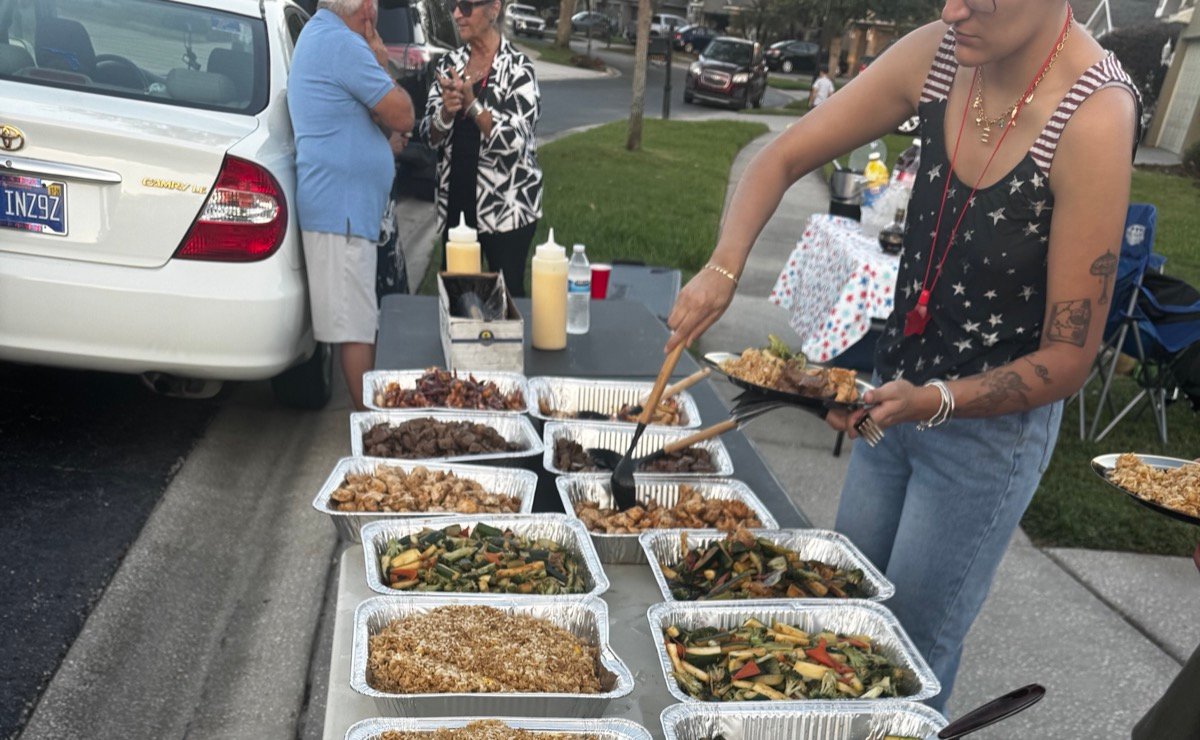
On the day of the event, the chef and team arrive with the grill, tools, tableware and ingredients. They set up in a safe, flat area such as a driveway, patio, pool deck or section of your backyard, taking into account wind direction, spacing and access to the kitchen or prep area if needed. Once the station is ready, guests are invited to gather around so they have a clear view of the cooking.
From there, the experience unfolds course by course. The chef greets guests, introduces the menu and starts the show. Meat, seafood and vegetables go onto the hot surface; fried rice or noodles are prepared in front of everyone; and plates are built fresh, usually in a way that keeps the entire group eating together. After service, the team breaks down the station, cleans up their work area and leaves your space looking like it did before they arrived, so you can stay focused on your guests.
What Guests Actually Care About Most
Looking at feedback from private hibachi and teppanyaki-style events, certain themes appear over and over. Understanding these priorities can help you evaluate providers and shape the experience for your group.
The first recurring theme is the importance of the chef’s personality. Guests consistently mention how much they enjoy chefs who learn names, tell stories, crack jokes and involve everyone in simple interactive moments. The quality of the food matters, of course, but the way the chef connects with the room often defines the memory of the night.
The second theme is consistency and timing. People notice whether plates are hot when they arrive, whether steak is cooked to the right level for each guest, and whether the pacing of the meal feels smooth rather than rushed or sluggish. In a private setting, where everything is cooked to order and guests can see the entire process, precision and organization are especially visible.
The third theme is convenience for the host. Being able to stay with family, friends or clients instead of managing reservations, transportation or restaurant logistics is a major benefit. Many hosts say that once they have experienced a well-run private hibachi-style event, it is difficult to go back to the stress of organizing large group dinners in traditional venues.
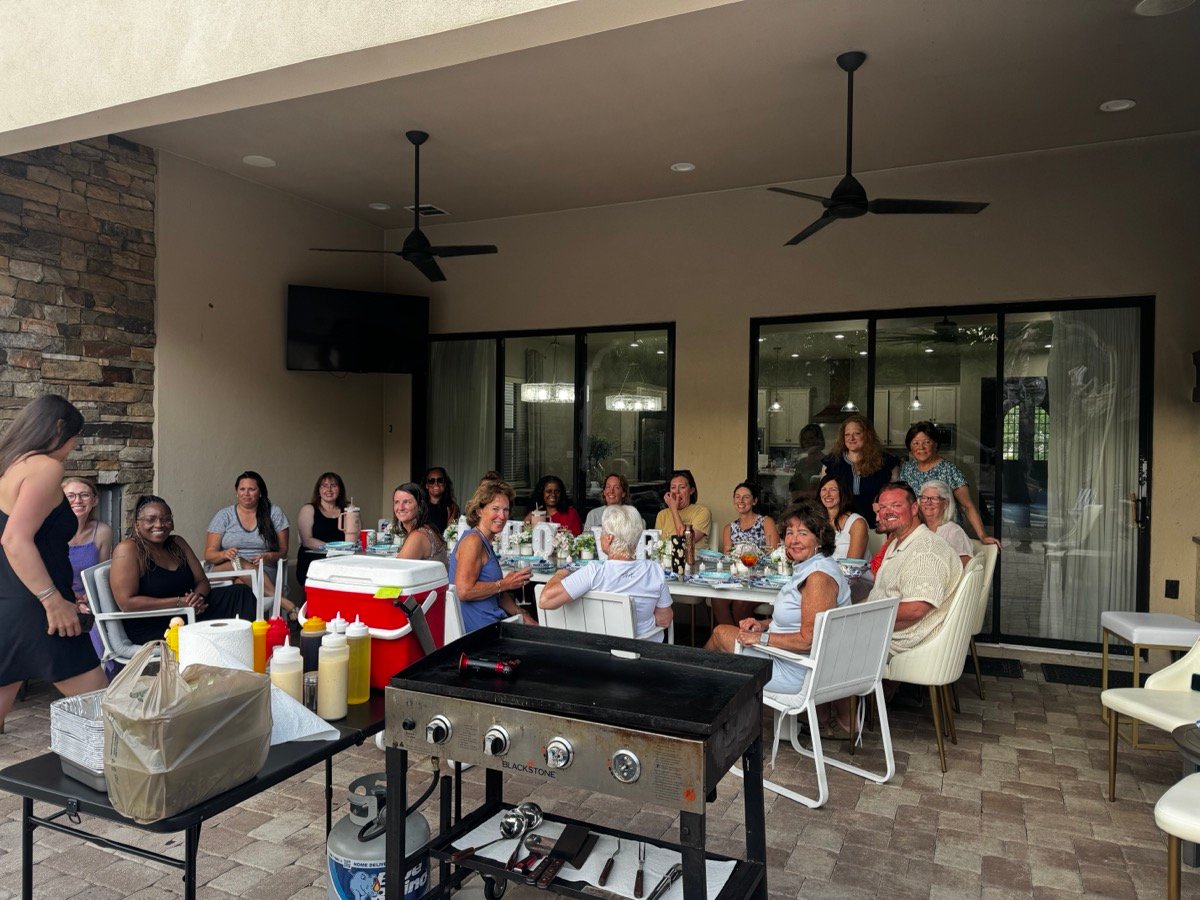
New Trends in Mobile Hibachi and Teppanyaki
In recent years, mobile hibachi and teppanyaki-style services have shifted from novelty experiences to regular options for home entertaining. Social media has played a major role in this growth, as short videos of flaming onion towers and backyard grill shows spread quickly. At the same time, more people are investing in outdoor living spaces, which naturally pairs with interest in chef-at-home experiences.
One trend is the rise of smaller, premium dinners. Instead of only offering large party packages, many providers now design experiences for six to ten guests, with higher-end meats, specialty seafood and thoughtful pairings. These events feel more like private chef tasting menus with a show element than like classic party catering.
Another trend is the use of mobile hibachi for corporate events and team-building. Groups that are tired of the usual hotel banquet or conference dinner are turning to private chefs who can set up at offices, rented houses or outdoor venues. The live cooking element breaks the ice between colleagues and creates shared memories, which event planners find valuable.
There is also a growing emphasis on dietary awareness and inclusivity. Many guests now expect clearly labeled options for gluten-free, dairy-free, shellfish-free, vegetarian and vegan diets. Professional private chefs respond by adjusting sauces, cross-contact practices and menu design, so everyone at the table can participate fully in the experience.
How to Choose the Right Private Chef Team
With more mobile hibachi and teppanyaki-style options available, knowing how to evaluate providers is essential. A beautiful website or social media feed is helpful, but there are practical questions you can ask to protect your event.
Experience is a key factor. Look for teams that specialize in this style of cooking and can demonstrate a track record of successful backyard or on-site events, not just restaurant service. Ask how many events they handle in a typical month and whether they have worked with guest counts similar to yours.
Menu flexibility is another important point. A high-quality provider will offer clear packages but also be willing to adjust elements for allergies, preferences or themes. If you have guests who do not eat seafood, who require halal or kosher-friendly handling, or who prefer more vegetables and lighter proteins, you want to know that the chef can adapt without stress.
Logistics and safety should not be overlooked. At-home grilling involves heat, equipment, fuel or power sources and sometimes open flame. Ask what kind of space the team needs, how they handle weather changes, whether they bring their own extension cords or fuel, and what safety measures they follow. Clear answers show professionalism and reduce surprises on the day.
Finally, clarify the service area and any additional fees. If you are located outside a major city in Florida, Georgia or the Carolinas, there may be travel charges or minimum guest counts. Getting these details in writing early helps you compare options fairly and stay within your budget.
Practical Tips for Hosting a Seamless Backyard Hibachi Party
Once you have chosen a provider and style, a few small decisions can make a big difference in the overall experience. Thinking about layout, timing and communication helps your event feel intentional rather than improvised.
Start by looking at your space. Identify a flat, stable area that allows a safe distance around the grill and enough room for guests to sit or stand comfortably with a clear view. Consider evening lighting, access to outlets if needed, and whether there is a covered area in case of light rain or strong sun.
Next, think about your schedule. Because live cooking works best when everyone eats together, it is helpful to set a clear start time for the show and encourage guests to arrive a little earlier. You can use light snacks or a simple welcome drink to bridge the gap between arrival and the beginning of the meal, so no one feels rushed or hungry.
Communication with guests can be simple but effective. Let them know they will be enjoying a live hibachi or teppanyaki-style experience at home, so they understand the dress code, the format and any special participation moments you have planned, such as group photos or birthday celebrations. If there are children attending, it can be fun to set up a front-row section where they can see the chef’s tricks up close.
Why Many Hosts Prefer At-Home Hibachi Over Restaurants
For families and companies in Florida, Georgia, South Carolina and North Carolina, private hibachi and teppanyaki-style events are increasingly seen as an alternative to large group restaurant bookings. When you compare the two options side by side, the reasons are clear.
At home or in a private venue, you retain full control over the environment. You can decorate the space to match a birthday theme, play your own music, organize speeches or games and adjust the atmosphere throughout the night. Guests can spread out, step away for a moment, or bring children who might not do well sitting through a long restaurant service.
There is also financial clarity. When you book a private chef team, you typically know the cost per person and any travel or service fees upfront. Guests are not navigating menus and splitting checks; instead, the focus stays on the shared experience you have created for them.
Most importantly, at-home hibachi-style events allow hosts to be present. Instead of tracking reservation times, transport, parking and group coordination, you can greet people as they arrive, sit down next to them at the grill, and share the surprise of seeing the show unfold in your own space. For many hosts, that combination of convenience, intimacy and spectacle is exactly what turns an ordinary gathering into a lasting memory.
Frequently Asked Questions
1. Is at-home hibachi the same as what I see in hibachi restaurants?
Not exactly. Restaurant experiences are built around permanent grills and fixed seating, while at-home hibachi-style events use portable equipment designed for backyards, patios and driveways. The core idea of live cooking and interaction is the same, but the setting and flexibility are very different.
2. Can guests with food allergies or dietary needs still enjoy a hibachi-style party?
Yes, as long as you share those needs during booking. Professional private chefs can plan separate cooking zones, adjust sauces and seasonings, and design specific plates for vegetarian, vegan, gluten-free or seafood-free guests so everyone can participate.
3. How much space do I need in my backyard for a private hibachi or teppanyaki-style event?
Most setups only require a flat, stable area for the grill and enough room for guest seating around the station. A typical driveway, patio or open section of backyard is usually sufficient, but your provider can advise on minimum dimensions when you book.
4. Is a hibachi-style event appropriate for corporate functions and client dinners?
Yes. The combination of live cooking, shared seating and a relaxed atmosphere works well for team-building, appreciation events and informal client meetings. It gives people something to talk about while also delivering a memorable meal.
5. What should I consider when booking if I live in Florida, Georgia, South Carolina or North Carolina?
You should confirm that your city is within the chef’s regular service area, ask about any travel or setup fees, and check how they handle weather changes common in these regions. It is also wise to verify how many events they have successfully completed in similar climates and outdoor conditions.
References
1. Marketing Aid – Ultimate E-E-A-T Guide for 2024 – https://www.marketingaid.io/ultimate-eeat-guide/
2. Varn – How to write and review E-E-A-T SEO content – https://varn.co.uk/insights/how-to-write-eeat-content/
3. Food Blogger Pro – E-E-A-T for Food Blog SEO – https://www.foodbloggerpro.com/blog/e-e-a-t-for-food-blog-seo/
4. Hibachi With Us – Hibachi vs. Teppanyaki: What’s The Differences – https://www.hibachiwithus.com/blog/hibachi-vs-teppanyaki-whats-the-differences
5. AISEOShift – How to Write E-E-A-T Content: A Practical Guide for 2026 – https://aiseoshift.com/blog/how-to-write-eeat-content/
6. Desygner – Mastering Content Creation for Teppanyaki Restaurants – https://desygner.com/blog/industry/how-to-create-content-for-teppanyaki-restaurants-business
7. Cybrinal – Love Hibachi – Transitioning from “Viral Sensation” to “Market Leader” – https://www.cybrinal.com/blog/love-hibachi-report/
Hot Tags: Hibachi Catering Services, Mobile Hibachi Chef, Private Teppanyaki Chef, Backyard Hibachi Party, Corporate Hibachi Events, On Site Hibachi Catering, Hibachi For Corporate Events, Private Chef Services USA, Hibachi Party Florida, Outdoor Teppanyaki Catering