
Content Menu
● What Is Private Hibachi Catering at Home?
● How a Hibachi-at-Home Event Works
>> What the Hibachi Team Provides
● Service Areas: Florida, Georgia, South Carolina and North Carolina
● What’s Included in a Private Hibachi Party Menu?
>> Core Hibachi Menu Structure
>> Choosing Proteins and Upgrades
● Pricing: Understanding Hibachi-at-Home Costs
● Weather, Space and Setup: Practical Host Considerations
>> Indoor and Winter Hibachi Options
● Dietary Needs: Gluten-Free, Vegetarian and Vegan Guests
● Safety, Ingredients and Quality Control
>> Why Guests Cannot Provide Their Own Ingredients
● Best Occasions for Hibachi at Home
● Expert Tips to Plan a High-Impact Hibachi Party
>> Choosing Guest Count and Layout
● Experience, Expertise, Authority and Trust for Hibachi Catering
● Contact and Booking: How to Reserve Your Hibachi Chef
● Clear Call to Action: Bring the Hibachi Restaurant to Your Backyard
● FAQs
Planning a hibachi party at home in Florida, Georgia, South Carolina or North Carolina is now one of the most exciting ways to celebrate birthdays, family gatherings, holidays, graduations and corporate events. As a mobile, private teppanyaki brand, Hibachi Sake Sake brings the chef, the grill and the show directly to you, so you enjoy a full hibachi experience in the comfort of your own space. This guide answers the top questions hosts and guests ask, highlights practical expert tips, and helps you design a smooth, high-impact hibachi event that feels both luxurious and approachable.
What Is Private Hibachi Catering at Home?
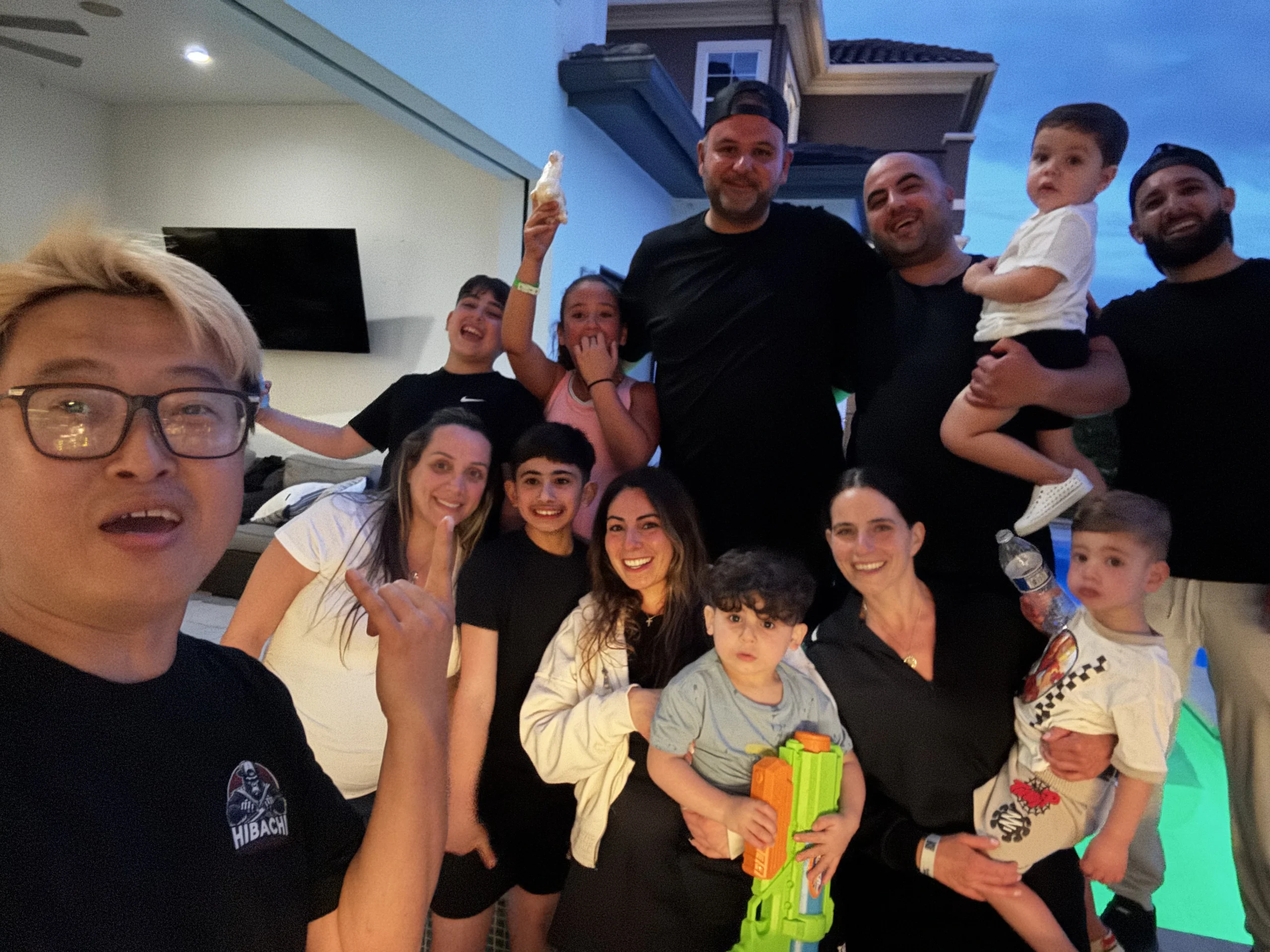
Private hibachi catering is a mobile teppanyaki service where a professional hibachi chef sets up a flat-top grill at your home or chosen venue and cooks live in front of your guests. Instead of sitting in a crowded restaurant, your friends and family gather around the grill while the chef flips shrimp, sears steak, builds onion volcanoes and tells jokes as the food is prepared.
This style of catering combines three powerful elements that modern hosts love: restaurant-level food quality, interactive entertainment and flexible, mobile setup. Rather than delivering trays of pre-cooked food, the hibachi team brings equipment and ingredients to you, sets up in an appropriate area and runs an immersive cooking show from the first sizzle to the last bite. The result is a memorable, personalized experience tailored to your event and your guest list.
How a Hibachi-at-Home Event Works
What the Hibachi Team Provides
For most events, the hibachi team arrives fully prepared with everything needed to cook and perform. Typically, they bring:
– Hibachi grill and fuel
– Private hibachi chef
– Fresh proteins, vegetables, rice and sauces
– Cooking tools and basic safety equipment
You provide tables, chairs, plates and utensils, and choose where the grill will be set up. Popular options include the backyard, driveway, open-air patio or a well-ventilated garage. Once the chef has a stable, safe space with enough room to move and cook, the rest of the experience unfolds naturally.
Typical Event Flow
A standard hibachi-at-home event follows a clear, predictable flow that makes hosting simple even for first-time organizers:
1. Arrival and Setup – The chef arrives before the scheduled start time to set up the grill, organize ingredients and confirm the cooking area.
2. Guest Seating and Menu Overview – Guests take their seats around the grill or at nearby tables while the chef explains the menu, proteins and any special options.
3. Live Cooking Show – Fried rice, vegetables and selected proteins are cooked to order in front of guests with classic hibachi tricks and playful banter.
4. Dining and Social Time – Guests enjoy their meals, chat and take photos or videos of the experience to share with friends and on social media.
5. Cleanup and Wrap-Up – After service, the chef breaks down the grill, cleans the cooking area and leaves your space tidy.
For the host, this means minimal stress. Once seating and tableware are in place and the booking details are confirmed, you can relax and enjoy the event alongside your guests.
Service Areas: Florida, Georgia, South Carolina and North Carolina
Hibachi Sake Sake focuses on private, mobile hibachi service across Florida, Georgia, South Carolina and North Carolina. These warm-weather states are ideal for outdoor and semi-outdoor gatherings, making hibachi particularly popular for backyard parties, poolside events, beach house weekends and lakefront celebrations.
Within each state, service often covers major metro areas and nearby suburbs. Many clients book hibachi for:
– Residential backyard parties
– Vacation rentals and Airbnbs
– Community clubhouses
– Small event venues and corporate spaces
Because weekends, holidays and graduation seasons can fill quickly, it is smart to secure your date in advance. Early booking ensures you get your preferred time slot and allows you to coordinate logistics such as seating, tent rental or additional decor without rushing.
What’s Included in a Private Hibachi Party Menu?
Core Hibachi Menu Structure
Most private hibachi experiences follow a Japanese steakhouse-style set menu so every guest receives a complete and satisfying meal. While exact offerings may vary, a typical plate includes:
– Fried rice as the base
– Hibachi vegetables cooked with signature sauces
– A side salad for freshness and balance
– Two proteins per guest, such as steak, chicken, shrimp or lobster
– Optional sake service for adults upon request
Live cooking allows the chef to adapt seasoning, sauce levels and doneness to individual preferences. Guests can ask for extra garlic butter, lighter sauce or specific protein combinations, and see their meals prepared precisely the way they like.
Choosing Proteins and Upgrades
Hosts usually confirm protein choices before the event so the hibachi team can plan portions and sourcing. Common proteins include:
– Chicken
– Steak
– Shrimp
– Salmon or other fish
Premium options like lobster or filet mignon can often be added for an additional cost. Many hosts mix standard and premium proteins to create a sense of luxury while staying within budget. Clearly communicating preferences and any special requests up front helps ensure the chef arrives with exactly what your group expects.
Pricing: Understanding Hibachi-at-Home Costs
Private hibachi catering is usually priced on a per-guest basis with a minimum total to reserve the event. A common pricing structure is:
– Around $55 per adult
– Around $30 per child
– A minimum event total of approximately $550
– A suggested 20% gratuity for the chef, typically not included in the base price
– Payment made in cash on the day of the event
Premium proteins such as lobster or filet mignon may incur additional surcharges. Depending on your location, there may also be travel or setup fees, especially for long-distance bookings or complex venues. Clarifying all costs at the time of booking builds trust, aligns expectations and avoids surprises on the day of the party.
Weather, Space and Setup: Practical Host Considerations
What Happens If It Rains?
Weather is one of the most common concerns hosts have when planning an outdoor hibachi event. In many cases, hibachi catering can continue even in light rain as long as there is:
– A covered patio or deck
– A well-ventilated garage
– A tented area with open sides for airflow
The key is providing shelter for both the grill and the guests while maintaining safe ventilation and adequate space. Having a backup covered area identified in advance ensures the event can move smoothly even if the forecast changes.
Indoor and Winter Hibachi Options
In cooler months or unpredictable weather, some hosts prefer semi-indoor setups. This can include:
– Garages with doors open for ventilation
– Large indoor spaces with direct outdoor access
– Event halls or rental venues that allow mobile cooking equipment
Safety and building regulations always come first. Before planning an indoor hibachi event, confirm venue rules regarding open flames and grilling, and discuss practical options with your hibachi provider. With the right space and ventilation, winter and off-season hibachi parties can be just as enjoyable as summer gatherings.
Dietary Needs: Gluten-Free, Vegetarian and Vegan Guests
Modern private dining must accommodate diverse dietary needs, and hibachi at home is well suited to this. Typical practices include:
– Gluten-free guests bringing their preferred gluten-free soy or teriyaki sauces
– Separate cooking areas or utensils for gluten-free dishes to reduce cross-contact
– Vegetarian and vegan guests opting for tofu and additional vegetables instead of meat
Communicate all dietary requirements during booking and again before cooking begins. This allows the chef to plan workflow, avoid cross-contact where possible and ensure every guest feels included and safe. For larger events, it can be helpful to assign one person to collect dietary information and share it with the hibachi team in a single, clear message.
Safety, Ingredients and Quality Control
Why Guests Cannot Provide Their Own Ingredients
Professional hibachi caterers maintain strict policies around ingredient sourcing and handling. As a rule, chefs do not cook food supplied directly by guests. This policy exists for several important reasons:
– Food safety and traceability
– Consistent flavor and quality standards
– Compliance with insurance and liability requirements
When the hibachi team controls sourcing, storage and preparation, they can stand behind the safety and quality of every dish served. This protects both guests and the business, and ensures a reliable, professional experience at every event.
Safety Around the Grill
Hibachi involves high heat, open flames and fast-moving utensils. Hosts can support safety by:
– Keeping children and pets a safe distance from the grill
– Ensuring walkways are clear for the chef
– Avoiding loose cords, clutter and unstable surfaces near the cooking area
The chef will manage the grill and food handling, but a little attention to layout and guest behavior goes a long way toward keeping the event safe and enjoyable for all ages.
Best Occasions for Hibachi at Home
Hibachi at home is ideal for events where you want both a meal and an experience. Popular occasions include:
– Children’s, teen and adult birthday parties
– Graduation celebrations and family reunions
– Weddings, rehearsal dinners and engagement parties
– Corporate lunches, team-building events and client entertainment
– Holiday parties and seasonal gatherings
In Florida, Georgia and the Carolinas, many guests also book hibachi for pool parties, beach house weekends and vacation rentals. Instead of coordinating restaurant reservations for a large group, hibachi at home brings the celebration to your door and keeps everyone together in one comfortable space.
Expert Tips to Plan a High-Impact Hibachi Party
Choosing Guest Count and Layout
For the best experience, aim to balance interaction with comfort. Consider:
– Seating guests close enough to see the grill and tricks clearly
– Leaving space around the grill for the chef to move freely
– Using a combination of grill-side stools and nearby tables for larger groups
If your event has many guests, you might arrange seating in waves or consider multiple grills. This allows everyone to enjoy the full cooking show without overcrowding or long waits between courses.
Timing Your Event
Climate and daylight matter, especially in southern states. Helpful timing guidelines include:
– Late afternoon or early evening for summer events to avoid peak heat
– Midday for corporate lunches or cooler seasons
– Evening hibachi when you want a more dramatic atmosphere with lighting and fire effects
Confirm the chef’s arrival time and allow enough buffer for setup. Encourage guests to arrive slightly before cooking begins, so they can watch the full performance and enjoy the fresh food at its best.
Experience, Expertise, Authority and Trust for Hibachi Catering
Strong hibachi brands demonstrate real-world experience, culinary expertise, local authority and trustworthiness. When evaluating providers, pay attention to:
– Visible event photos and videos reflecting real clients and real setups
– Clear explanations of menus, pricing and policies
– Consistent reviews mentioning food quality, chef personality and reliability
– Responsive communication and transparent answers to questions
This combination of elements shows that a provider can deliver not only great food but also a smooth, professional experience. For hosts, selecting a team that demonstrates these qualities reduces risk and increases the likelihood that the event will be memorable for the right reasons.
Contact and Booking: How to Reserve Your Hibachi Chef
Booking a hibachi-at-home event is straightforward. Be prepared to share:
– Your location (city and state)
– Preferred date and time
– Estimated number of adults and children
– Any dietary restrictions or special requests
– Details about your space, such as backyard size or available shelter
Most hibachi brands will offer contact options such as email, phone and social media messaging. Reaching out early gives you time to refine the guest list, adjust the setup and coordinate decor or additional entertainment. Once confirmed, you can focus on invitations and enjoy the anticipation while the hibachi team handles the culinary details.
Clear Call to Action: Bring the Hibachi Restaurant to Your Backyard
If you are planning a celebration in Florida, Georgia, South Carolina or North Carolina and want unforgettable food plus live entertainment, a private hibachi chef is a powerful way to elevate the moment. Choose your date, estimate your guest count, think about how your backyard or patio can be arranged, and reach out to reserve your event slot. With the right mobile hibachi partner, your next birthday, graduation, corporate function or intimate dinner becomes a full sensory experience—fire, flavor and fun—without anyone needing to drive to a restaurant.
FAQs
Q1: How far in advance should I book a hibachi-at-home party?
For weekends and holidays, booking three to eight weeks in advance is recommended, especially in high-demand areas. Early reservations give you more time options and make planning easier.
Q2: Can hibachi catering work in an apartment or condo?
Yes, if there is a safe outdoor or semi-outdoor area such as a balcony, courtyard or rooftop that allows grilling and offers proper ventilation. Always check building rules before booking.
Q3: How long does a typical hibachi event last?
Most hibachi-at-home events run around two to three hours from setup to cleanup. Larger groups or multiple seating waves may take longer, so plan your schedule accordingly.
Q4: Is hibachi at home suitable for children’s birthday parties?
Hibachi is very popular for kids’ parties because the show is engaging and interactive. Parents should ensure children remain a safe distance from the grill and follow the chef’s safety instructions.
Q5: Do I need special permits for hibachi catering at home?
In many residential settings, no special permits are required. However, you should confirm local regulations on outdoor grilling and check any homeowner association or building rules.
References
1. Compose.ly – “Following Google’s E-E-A-T Guidelines: 13 Tips for Better Content” – https://www.compose.ly/content-strategy/eeat-guidelines
2. LocalSEOTool – “Local SEO Content Strategy: What to Blog About in 2026” – https://localseotool.io/blog/local-seo-content-strategy
3. Kitxens – “E-E-A-T for Restaurants: The Practical Recipe to Earn Visibility, Bookings and Reviews” – https://www.kitxens.com/post/e-e-a-t-for-restaurants-the-practical-recipe-to-earn-visibility-bookings-and-reviews
4. The Ad Firm – “Geo-Targeted Blog Posts That Rank in Local Search” – https://www.theadfirm.net/geo-targeted-blog-posts-that-rank-how-to-create-content-google-loves-in-each-city/
5. Marie Haynes – “E-E-A-T and SEO: A Comprehensive Guide (2025 Update)” – https://www.mariehaynes.com/resources/eat/
6. Southern Digital Consulting – “3 Proven Ways to Rank Blog Content for ‘Near Me’ Searches” – https://southerndigitalconsulting.com/3-proven-ways-to-rank-blog-content-for-near-me-searches/
7. Varn – “How to Write and Review E-E-A-T SEO Content” – https://varn.co.uk/insights/user-first-eeat-2024-content/
8. Frosini Vasiadi – “Local SEO Blogging Made Simple: A Step-by-Step Guide for You” – https://frosinivasiadi.journoportfolio.com/articles/local-seo-blogging-made-simple-a-step-by-step-guide-for-you/
9. ContentAmigo – “Local SEO Blog Posts Tips: Guide to Creating & Optimizing Local Blog Content” – https://contentamigo.com/articles/local-seo-blog-posts-creating-and-optimizing-local-blog-content/
10. SEO.co – “14 Ideas for Local SEO Content” – https://seo.co/local-seo/content
Hot Tags: Private Hibachi Catering, Mobile Teppanyaki Service, Corporate Event Catering, Backyard Party Catering, B2B Food Service Booking, Florida Event Catering, Georgia Corporate Catering, Carolina Private Chef Service, Mobile Hibachi Chef, On-Site Cooking Experience