
Content Menu
● What “DIY Hibachi” Really Looks Like at Home
● What a Professional Hibachi Chef at Home Provides
● Side‑by‑Side Comparison: DIY vs. Professional Hibachi Chef at Home
>> Key Differences at a Glance
● The Hidden Cost of DIY: Time, Stress and Cleanup
● Why Cleanup Is Central to Guest Experience (Not Just a Chore)
● Expert View: Safety, Heat and Ventilation You Can’t Ignore
● Flavor and Presentation: Why Technique Matters
● Case‑Style Scenario: Backyard Birthday in Florida
● Practical Checklist: When DIY Hibachi Makes Sense—and When It Doesn’t
>> DIY Hibachi Might Work If You:
>> A Professional Hibachi Chef at Home Is Better If You:
● Host‑Friendly Steps: How Pros Reduce Your Cleanup Burden
● Budget Reality: Comparing Costs Beyond the Price Tag
● How Hibachi Sake Sake Elevates Your At‑Home Experience
● Final Verdict: Why Cleanup Tilts the Scale Toward Professional Hibachi at Home
● Ready to Experience Hibachi Sake Sake at Home?
● FAQ: DIY Hibachi vs. Professional Hibachi Chef at Home
Hosting hibachi at home has exploded in popularity, from backyard birthdays and graduations to intimate date nights and corporate events. Many hosts face the same question: Should I try DIY hibachi, or hire a professional hibachi chef at home—and how big a deal is the cleanup, really? [sunshinehibachi]
As a private hibachi and mobile teppanyaki service operating across Florida, Georgia, South Carolina and North Carolina, Hibachi Sake Sake has seen both sides up close: ambitious DIY setups and fully staffed, show‑style hibachi events in backyards, driveways and vacation rentals. Drawing on both personal hands‑on experience and industry best practices, this guide breaks down the real differences—especially around time, safety, cost, guest experience and post‑party cleanup. [hibachiomakase]
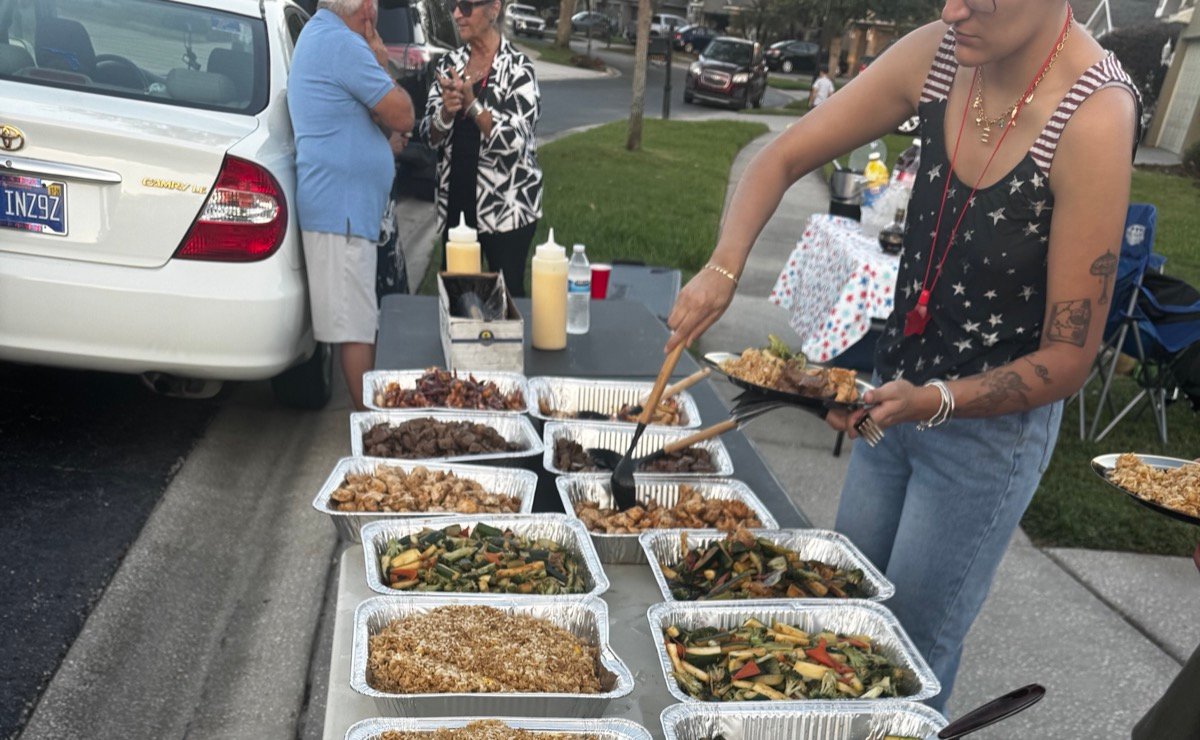
What “DIY Hibachi” Really Looks Like at Home
DIY hibachi usually means you handle everything: equipment, groceries, prep, cooking, safety and the cleanup marathon after guests leave. On social media, it looks simple and glamorous; in reality, it’s a multi‑hour project with a steep learning curve. [coopcancook]
Typical DIY hibachi setup includes:
– Buying or renting a flat‑top grill or large griddle
– Shopping for proteins, vegetables, sauces and sides
– Marinating, chopping and pre‑portioning ingredients
– Cooking and serving in real time while hosting
– Managing smoke, oil splatter and food safety
– Scrubbing the grill, dishes and outdoor area after
From an expert’s perspective, the technical side of hibachi cooking—high heat, fast timing, and precise cuts—demands focus that is hard to maintain when you’re also the host, photographer and dishwasher. [takeachef]
What a Professional Hibachi Chef at Home Provides
A professional hibachi chef at home turns your backyard, driveway or patio into a mini teppanyaki restaurant—with you as a guest, not the line cook. [hibachiw]
Professional mobile hibachi services like Hibachi Sake Sake typically handle:
– Menu planning and ingredient sourcing
– On‑site setup of hibachi grill, tables and tools
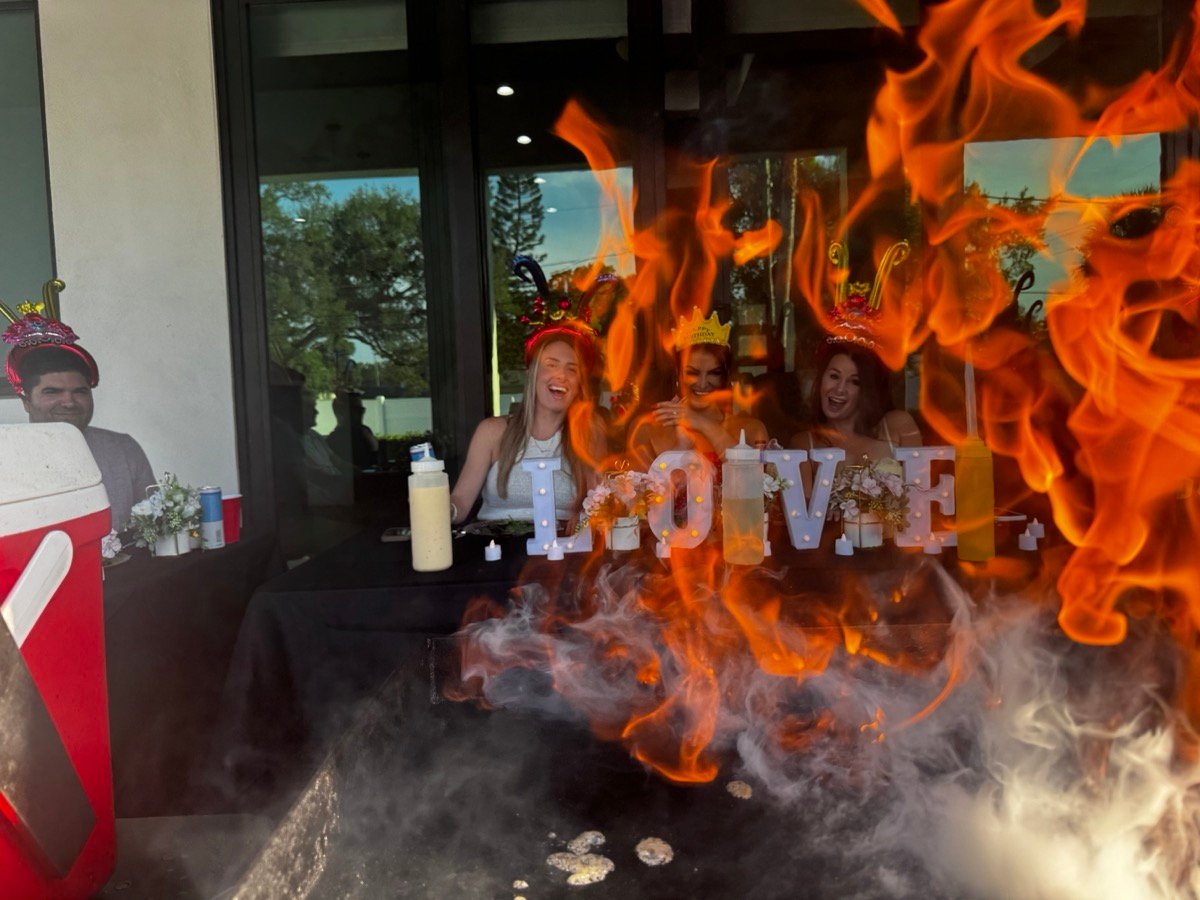
– Live cooking show with tricks, flames and interaction
– Food safety, timing and dietary adjustments
– Tear‑down and core cleanup of the cooking area
Industry guides emphasize that one of the top benefits of hiring a private hibachi catering team is stress‑free setup and cleanup plus an interactive show that keeps guests entertained. [sunshinehibachi]
Side‑by‑Side Comparison: DIY vs. Professional Hibachi Chef at Home
Key Differences at a Glance
| Aspect | DIY Hibachi at Home | Professional Hibachi Chef at Home |
|---|---|---|
| Time investment | 4–8 hours of shopping, prep, cooking and cleaning for one event (host) takeachef | 30–60 minutes of host coordination; team handles cooking and core cleanup sunshinehibachi |
| Skill required | High: grill control, knife skills, timing, food safety takeachef | Expert chef handles all techniques and safety sunshinehibachi |
| Food consistency | Varies by host experience; high risk of over/undercooking | Restaurant‑style consistency across courses takeachef |
| Entertainment | Minimal unless the host performs tricks | Built‑in show: flames, tricks, interactions sunshinehibachi |
| Safety & liability | Host responsible for fire, burns and cross‑contamination | Trained chef follows strict safety practices hibachiw |
| Cleanup | Host cleans grill, tools, dishes and outdoor area | Chef handles grill zone cleanup; host does minimal post‑party tidying sunshinehibachi |
| Cost structure | Lower direct cost; high “hidden” time and stress costs | Higher fee per guest, but highly leveraged in time, safety and experience sunshinehibachi |
The Hidden Cost of DIY: Time, Stress and Cleanup
From a UX and host‑experience standpoint, cleanup is where DIY hibachi usually stops being “fun.”
After several hours of chopping, grilling and serving, hosts still face:
– Grease‑coated griddle plates and utensils
– Sauce splatters on tables, railings and deck surfaces
– Piles of cutting boards, bowls and serving platters
– Overfilled trash bags with raw and cooked food waste
Home hibachi guides stress the need for meticulous prep and batch cooking to avoid chaos, but even with best practices you end up with a restaurant’s worth of mess without a restaurant’s dishwashing staff. This often means 90–120 minutes of solid cleanup after the last guest leaves—precisely when energy is lowest. [coopcancook]
Why Cleanup Is Central to Guest Experience (Not Just a Chore)
From a user experience angle, cleanup is not an afterthought; it shapes:
– How relaxed the host feels during the event
– How long guests stay and enjoy the space
– How soon you’d be willing to host another gathering
Professional hibachi catering companies highlight “stress‑free setup and cleanup” as a core selling point because it directly impacts overall satisfaction and repeat bookings. When hosts know they won’t be scrubbing a griddle at midnight, they are far more present and engaged with their guests. [hibachiw]
Expert View: Safety, Heat and Ventilation You Can’t Ignore
As an industry, mobile hibachi and teppanyaki services operate under strict safety and ventilation standards, especially when working in residential spaces. Professional teams factor in: [benihana]
– Grill placement for safe clearance from walls, plants and structures
– Ventilation and wind direction to keep smoke away from guests and homes
– Fire‑resistant mats and stable, level surfaces
– Separate zones and tools for raw and cooked foods
Guides to hosting hibachi at home consistently recommend outdoor areas with good airflow and plenty of space for the grill and seating. In DIY setups, hosts often underestimate: [hibachiw]
– Grease smoke and lingering odor
– Risk of burns from high‑heat oil splatter
– Trip hazards from extension cords, hoses and gear
A professional hibachi chef at home is trained to manage these variables, greatly reducing risk for the host and guests. [benihana]
Flavor and Presentation: Why Technique Matters
From an expert culinary perspective, hibachi flavor depends on heat control, timing and sequencing. [takeachef]
Common DIY pain points include:
– Overcrowded griddles that steam instead of sear
– Sauces added too early, causing burning and bitterness
– Uneven cuts leading to undercooked or overcooked proteins
Professional chefs follow proven principles such as very high heat, uniform cuts and staged cooking to deliver that signature hibachi char while keeping interiors tender. They also manage pace and plating, ensuring: [takeachef]
– Fried rice, noodles and vegetables reach guests hot
– Proteins are cooked to ideal doneness
– Plates look inviting, not rushed or messy
This matters when you are hosting important occasions like birthday dinners, graduations or corporate events, where photo‑worthy plates and a polished show are part of the value.
Case‑Style Scenario: Backyard Birthday in Florida
Imagine a backyard birthday in Orlando in July.
– With DIY hibachi, the host spends the morning shopping, the afternoon prepping and the entire evening juggling flames, smoke and guest requests. By the time the last plate is served, the griddle is black with residue, utensils are scattered, and the patio is dotted with soy sauce splashes. Cleanup stretches late into the night.
– With a professional hibachi chef at home (like Hibachi Sake Sake), the team arrives early, sets up in the safest corner of the yard, cooks a high‑energy hibachi show, and breaks down the cooking area after dessert. The host handles light tidying and trash, but heavy‑duty grill and grease cleanup doesn’t fall on them. [sunshinehibachi]
From a UX standpoint, the second scenario creates better memories for both guests and host, with almost zero “post‑event regret.”
Practical Checklist: When DIY Hibachi Makes Sense—and When It Doesn’t
DIY Hibachi Might Work If You:
1. Love cooking and experimenting on a grill.
2. Have plenty of time before and after the event.
3. Are hosting a very small group (4–6 people).
4. Have a well‑ventilated outdoor space and sturdy equipment.
5. Accept that cleanup will take as long as cooking—or longer. [coopcancook]
A Professional Hibachi Chef at Home Is Better If You:
1. Are celebrating birthdays, graduations, holidays or corporate events where the experience matters as much as the food. [sunshinehibachi]
2. Want to sit with your guests instead of standing at the grill.
3. Need to accommodate larger groups with mixed dietary needs.
4. Care about safety, consistency and restaurant‑grade flavor. [hibachiw]
5. Prefer minimal cleanup, especially in rental homes, Airbnbs or luxury properties. [sunshinehibachi]
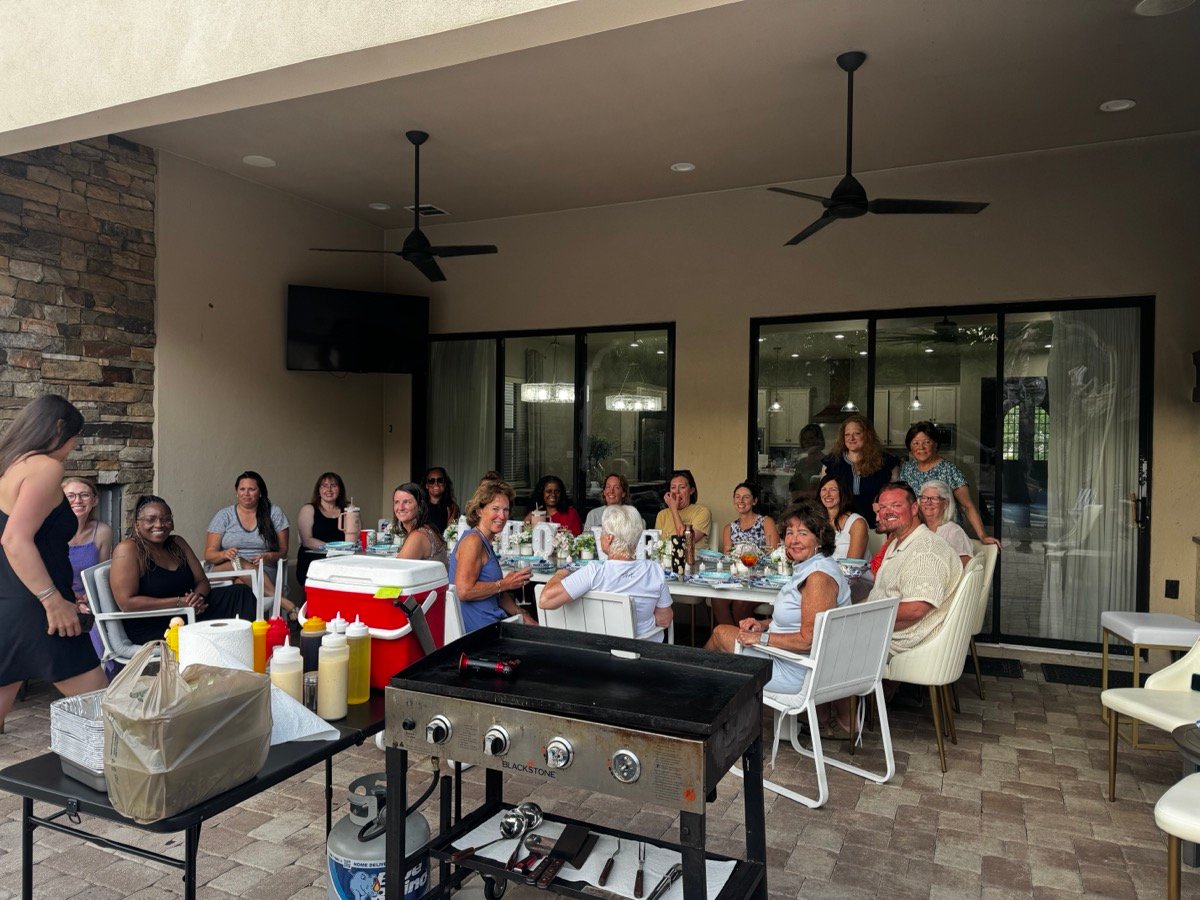
Host‑Friendly Steps: How Pros Reduce Your Cleanup Burden
Based on how leading mobile hibachi companies operate, here are concrete ways professional services are designed to minimize your cleanup workload: [hibachiw]
– Self‑contained grill setup on mats or carts that protect your patio or driveway
– Dedicated prep tables and bins so food scraps don’t scatter across your yard
– Separate waste bags for food, recyclables and general trash
– On‑site grill scraping and degreasing before departure
– Quick final walkthrough with the host to ensure the cooking zone is clean
You may still handle basic tasks like bringing dishes inside or disposing of trash, but the messy, greasy, heavy lifting stays with the chef team. [hibachiw]
Budget Reality: Comparing Costs Beyond the Price Tag
Pricing for private hibachi catering often uses per‑person rates, for example around 50 USD per adult and lower rates for children in some markets. DIY hibachi can look cheaper at first glance, but a realistic comparison should factor in: [easyhibachi]
– Groceries and sauces (including extras “just in case”)
– Charcoal, gas or electric costs for high‑heat cooking
– Equipment (griddle, tools, thermometers, serving gear)
– Your time spent on planning, shopping, cooking, hosting and cleaning
From an expert UX and operations perspective, professional services are essentially selling back your time and mental bandwidth, bundled with:
– A guaranteed show and menu
– Professional safety practices
– Major reduction in setup and cleanup
For milestone events, this trade‑off is often worth far more than the price difference. [easyhibachi]
How Hibachi Sake Sake Elevates Your At‑Home Experience
As a mobile, private hibachi brand serving Florida, Georgia, South Carolina and North Carolina, Hibachi Sake Sake is built specifically for backyard parties, driveway setups and private chef experiences. [hibachiomakase]
From an insider’s point of view, what matters most to our clients is:
– Reliability: On‑time arrivals, smooth setup and coordinated timing with your schedule. [hibachiw]
– Experience design: An engaging show with flames, jokes and interaction for all ages. [sunshinehibachi]
– Effortless hosting: We handle the technical cooking and core cleanup so you stay present with your guests.
For birthdays, family reunions, holiday celebrations, graduation parties, corporate gatherings or luxury private dinners, our role is to make you feel like the VIP at your own event—not the kitchen staff.
Final Verdict: Why Cleanup Tilts the Scale Toward Professional Hibachi at Home
When you compare DIY hibachi vs. a professional hibachi chef at home, the cleanup factor quietly influences everything else: your energy, your safety risk, your budget in hours, and your willingness to host again.
DIY hibachi is a great creative project for small, low‑stakes nights when you enjoy grilling and don’t mind a serious cleanup session. But for most meaningful events—birthdays, graduations, holidays, corporate parties and upscale private dinners—a professional hibachi chef at home offers a far better overall experience, from flavor and safety to stress‑free setup and simplified cleanup. [sunshinehibachi]
Ready to Experience Hibachi Sake Sake at Home?
If you’re planning an event in Florida, Georgia, South Carolina or North Carolina and want the theater of hibachi without the hassle of cleanup, booking a professional hibachi chef at home is your smartest move. [hibachiw]
Take the next step:
– Decide your guest count and preferred date
– Think about any dietary needs (kids, vegetarians, allergies)
– Reach out to Hibachi Sake Sake to discuss menu options, setup details and availability
Let our chefs handle the heat, show and cleanup—so you can actually enjoy your own party.
FAQ: DIY Hibachi vs. Professional Hibachi Chef at Home
1. Is DIY hibachi safe for small backyards?
DIY hibachi can be safe if you have enough clearance, a stable surface and good ventilation, but you assume all responsibility for fire and food safety. Professional chefs are trained to manage these risks and choose safer layouts for your space. [benihana]
2. How messy is a typical hibachi setup at home?
High‑heat cooking with oils and sauces usually leads to grill residue, splatter on nearby surfaces and piles of dishes and prep tools. Without a well‑planned setup and cleanup process, hosts often spend 1–2 hours cleaning after DIY events. [coopcancook]
3. Do professional hibachi chefs at home really handle cleanup?
Most mobile hibachi services handle the grill‑side cleanup—scraping, degreasing and packing their equipment, plus consolidating food waste around the cooking station. Hosts typically only manage light tidying and trash inside the home. [hibachiw]
4. Is hiring a hibachi chef at home worth the extra cost?
For milestone events, the added cost usually pays off in time saved, reduced stress, professional‑grade food and a memorable show for guests. When you factor in your time, equipment and cleanup, the value proposition is strong. [easyhibachi]
5. What types of events are best suited for a professional hibachi chef at home?
Birthday parties, graduation celebrations, holiday gatherings, family reunions, corporate dinners and luxury private evenings are ideal, especially in backyards, patios or vacation rentals across Florida, Georgia, South Carolina and North Carolina. [hibachiomakase]
References
1. Take a Chef – “How to make hibachi at home? Your complete guide”
https://www.takeachef.com/blog/en/how-to-make-hibachi-at-home [takeachef]
2. Sunshine Hibachi – “Step-by-Step Guide to Planning a Hibachi Party at Home”
https://sunshinehibachi.com/guide-to-planning-a-hibachi-party-at-home/ [sunshinehibachi]
3. Hibachi Omakase – Hibachi at Home Experience
https://www.hibachiomakase.com [hibachiomakase]
4. Hibachi W – Hibachi at Home & Private Hibachi Chef
https://www.hibachiw.com [hibachiw]
5. Coop Can Cook – “Hibachi Dinner at Home”
https://coopcancook.com/hibachi-dinner-at-home/ [coopcancook]
6. Easy Hibachi – At‑Home Hibachi Catering Pricing
https://www.easyhibachi.com [easyhibachi]
7. Benihana – “Hibachi vs Teppanyaki: What’s the Difference?”
https://www.benihana.com/blog/difference-between-hibachi-and-teppanyaki/ [benihana]
Hot Tags: DIY Hibachi vs Professional Hibachi Chef at Home, Hibachi at Home, Private Hibachi Chef, Mobile Hibachi Catering, Backyard Hibachi Party, Hibachi Cleanup, Customized, Custom, Suppliers, Cheap, Quality, Advanced, Durable, in Stock, Price, Quotation