
Content Menu
● What People Mean by “Hibachi” in the U.S.
● Japanese Hibachi (Teppanyaki): Dinner as a Live Show
>> What Is Japanese Hibachi / Teppanyaki?
>> Classic Japanese Hibachi Menu and Flavors
● What People Call “Chinese Hibachi” (And Why It’s Confusing)
>> There Is No Traditional “Chinese Hibachi” Style
>> How “Chinese Hibachi” Usually Works at Buffets
● Chinese Hibachi vs Japanese Hibachi: Key Differences
● Quick Comparison Table for Party Planners
● Which Style Is Better for Your Backyard Party?
>> Matching Hibachi Style to Different Event Types
● Step‑by‑Step Guest Experience
● Why Mobile Hibachi Is Exploding in the Southeast
● What to Look For Before You Book
● How to Plan a Seamless Hibachi Night at Home
● Why Our Brand Focuses on Authentic Japanese Hibachi
● Call to Action: Book Your Private Japanese Hibachi Experience
● Frequently Asked Questions (FAQ)
>> 1. Is “Chinese hibachi” the same as Japanese hibachi?
>> 2. What do I need to host a mobile hibachi party at home?
>> 3. Can you accommodate food allergies and dietary restrictions?
>> 4. How far in advance should I book a private hibachi chef?
>> 5. Is hibachi suitable for corporate events and team building?
Choosing between Chinese hibachi and Japanese hibachi (teppanyaki) is not just about flavor. It’s about the kind of show, interaction, and guest experience you want for your next birthday, backyard party, or corporate event. [rezku]
As a private hibachi chef service working across Florida, Georgia, South Carolina, and North Carolina, I’ve cooked hundreds of on‑site hibachi parties—from intimate anniversaries to 50‑person corporate celebrations—and I see the same confusion every week: “What’s the real difference between Chinese hibachi and Japanese hibachi?” [rezku]
This guide breaks it down in plain language so you can book the right style—and host a night your guests will talk about for months.
What People Mean by “Hibachi” in the U.S.
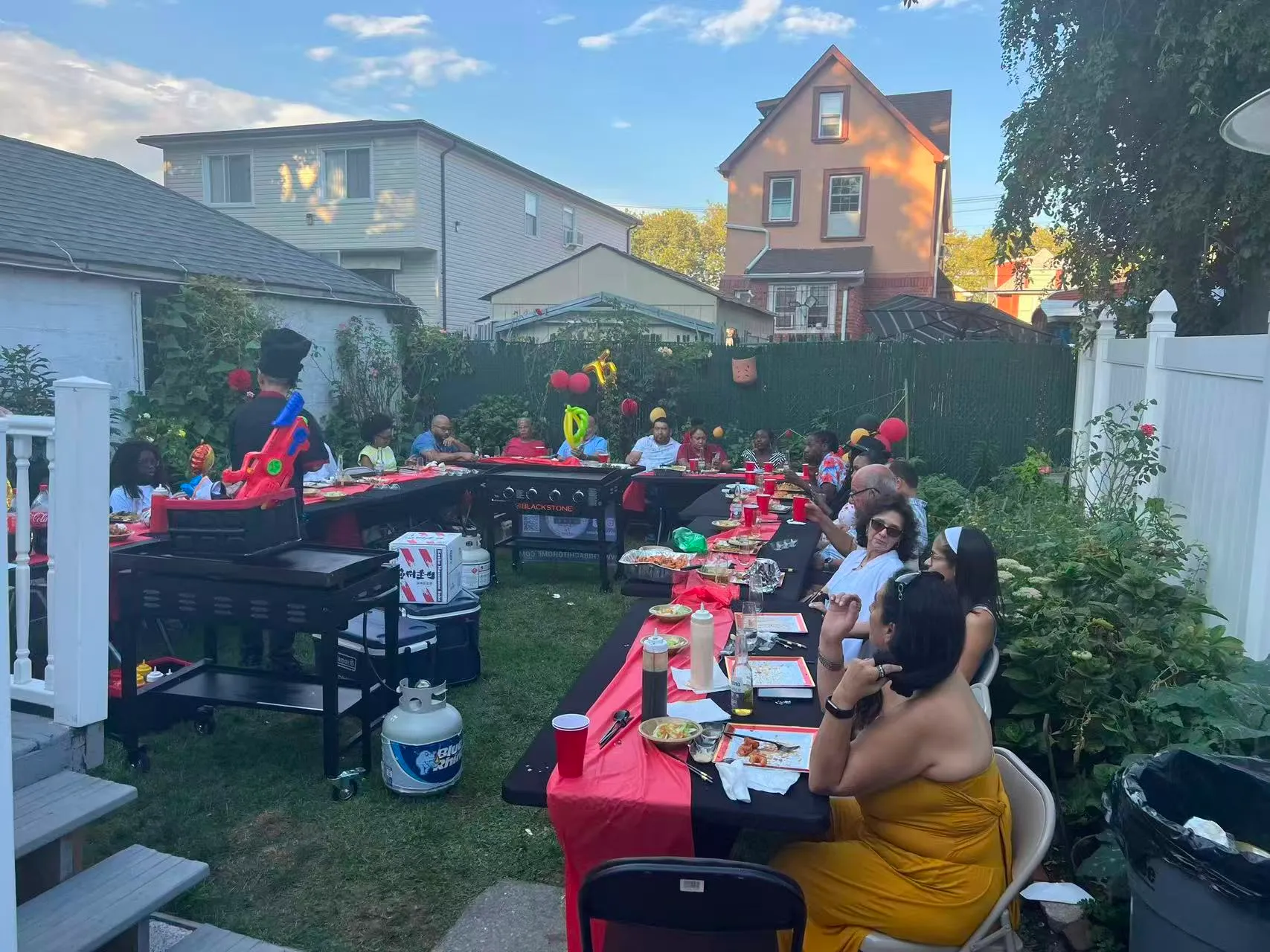
In North America, when most people say “hibachi,” they actually mean Japanese teppanyaki—a chef cooking on a flat iron griddle in front of guests with flair and fire. Technically, the Japanese word “hibachi” originally referred to a simple “fire bowl” used for heating, not a performance grill, but the term has evolved in restaurant marketing. [impact-digital.co]
At the same time, many buffets and Asian fusion restaurants now advertise a “Chinese hibachi grill” section, which further blurs the lines for diners planning a party or private event.
To make the right choice, you first need to understand each style.
Japanese Hibachi (Teppanyaki): Dinner as a Live Show
What Is Japanese Hibachi / Teppanyaki?
In the context of private parties and mobile hibachi services, Japanese hibachi usually means teppanyaki—food cooked on a large, flat, solid iron griddle called a teppan. This style became globally famous after World War II, especially through brands like Misono in Japan and Benihana in the United States. [impact-digital.co]
On a typical night with our mobile Japanese hibachi setup, here’s what guests can expect:
– The grill: A hot, flat iron griddle set up right in your backyard, driveway, or event space.
– The chef: A trained hibachi chef who cooks and entertains—flipping utensils, cracking jokes, and interacting with your guests.
– The performance: Onion volcanoes, flying shrimp, egg tricks for fried rice, and crowd participation for photos and videos.
– The flavor: Clean, savory, umami‑rich dishes focused on fresh ingredients, garlic butter, soy sauce, salt, and pepper.
The core of Japanese hibachi is the experience: you’re not just eating; you’re getting a live cooking show that becomes the centerpiece of your celebration. [wgcontent]
Classic Japanese Hibachi Menu and Flavors
A typical Japanese hibachi or teppanyaki menu for private events focuses on familiar, crowd‑pleasing proteins and vegetables cooked fresh on the grill.
Common hibachi proteins:
– Steak (sirloin, filet, or ribeye)
– Chicken (often marinated lightly and grilled)
– Shrimp, scallops, or lobster tail
– Salmon or white fish (depending on the package)
Typical sides and vegetables:
– Fried rice cooked live on the teppan
– Zucchini, onions, mushrooms, bean sprouts
– Carrots, broccoli, and sometimes asparagus
Signature seasonings and sauces:
– Garlic butter for rich, aromatic flavor
– Soy sauce, salt, and pepper to keep flavors clean and balanced
– Yum Yum sauce (creamy, slightly tangy, mayo‑based) for dipping steak and shrimp
– Ginger sauce (savory, tangy, soy‑based) for a brighter, lighter dip
Our guests in Florida, Georgia, South Carolina, and North Carolina consistently describe Japanese hibachi parties as “restaurant‑quality food with a front‑row show in my backyard.” [rezku]
What People Call “Chinese Hibachi” (And Why It’s Confusing)
There Is No Traditional “Chinese Hibachi” Style
Unlike Japanese teppanyaki, “Chinese hibachi” is not a formal, historic cooking tradition in China. Instead, it’s mostly a marketing term used by Chinese‑American buffets and multi‑concept Asian restaurants in the U.S. to describe a fresh‑cooked grill or stir‑fry station.
Typically, there are three scenarios where the phrase appears:
1. Chinese buffets with a “hibachi grill” station
2. Restaurants that loosely label any flat‑top grilling as “hibachi”
3. Fusion concepts that brand themselves as “Chinese hibachi” to signal grilled dishes with Chinese flavors
So when a customer asks us, “Do you do Chinese hibachi?” what they often mean is: “Can you cook custom stir‑fries with Chinese‑style sauces right in front of us?”
How “Chinese Hibachi” Usually Works at Buffets
Many large Chinese buffets advertise a Hibachi Grill section where guests:
1. Choose raw ingredients (meats, vegetables, noodles, rice) from a counter.
2. Hand them to a chef standing at a flat‑top griddle.
3. Watch the chef quickly cook everything with sauce of their choice.
The key differences from Japanese teppanyaki:
– Less show: The chef focuses on speed and volume, not performance tricks.
– More sauce: Chinese‑style sauces like garlic sauce, Szechuan sauce, oyster sauce, hoisin, or sweet and sour are used generously.
– Stir‑fry technique: Food is tossed and mixed together with sauce, similar to a wok stir‑fry on a flat surface.
This can be tasty and fun, but it’s a very different experience from the theatrical private hibachi show that most party hosts expect.
Chinese Hibachi vs Japanese Hibachi: Key Differences
Quick Comparison Table for Party Planners
| Feature | Japanese Hibachi (Teppanyaki) | “Chinese Hibachi” (Buffets / Fusion) |
|---|---|---|
| Origin | Japan; formal teppanyaki tradition popularized after WWII | Mostly U.S. Chinese‑American buffet concept; not a formal Chinese cooking category |
| Cooking Surface | Large, flat iron teppan grill | Flat‑top griddle or similar surface |
| Chef Performance | High – tricks, jokes, onion volcano, interaction | Low – fast stir‑fry service, minimal show |
| Cooking Style | Searing and grilling, minimal sauce during cooking | Stir‑frying with sauce tossed in |
| Flavor Profile | Clean, umami‑forward, garlic butter and soy with simple seasoning | Bolder, saucier, using Chinese‑style sauces (oyster, hoisin, Szechuan, etc.) |
| Sauces | Yum Yum and ginger sauce mostly as dips | Sauces cooked into the dish (sweet, spicy, tangy) |
| Typical Sides | Fried rice and grilled veggies cooked by the chef | Noodles or rice with a wider variety of stir‑fry vegetables |
| Event Feel | Interactive, camera‑ready show perfect for special occasions | Casual, buffet‑style, more about volume than performance |
If you want a show, photos, and a centerpiece experience, Japanese hibachi is the clear winner for private parties and mobile grill events. [rezku]
Which Style Is Better for Your Backyard Party?
Matching Hibachi Style to Different Event Types
From our experience catering hundreds of events as a mobile hibachi service, here’s how the two concepts map to real‑world occasions.
– Birthday parties and family celebrations
Japanese hibachi is ideal because kids and adults love the interactive tricks, flaming onion volcano, and the chance to catch flying shrimp.
– Graduation parties
Guests want social media moments—Japanese hibachi provides those *Instagram‑ready* shots and group videos.
– Corporate events and team building
A live hibachi show breaks the ice, gets people talking, and creates a shared experience without formal speeches. [rezku]
– Luxury private dinners and anniversaries
A private hibachi chef feels exclusive and premium, especially when combined with sake, champagne, or a curated cocktail menu.
“Chinese hibachi” buffet‑style setups can work if you’re serving a large crowd at a venue that already offers it, but for at‑home, on‑site experiences, Japanese teppanyaki‑style hibachi is what most hosts actually want.
Step‑by‑Step Guest Experience
For hosts in Florida, Georgia, South Carolina, and North Carolina, here’s what a typical mobile Japanese hibachi event looks like with a service like Hibachi Sake Sake or Love Hibachi‑style offerings. [rezku]
1. Simple booking and planning
You select your date, location, guest count, and menu package online. We confirm your time, arrival window, and any dietary preferences (e.g., no shellfish, extra spicy, gluten‑friendly options). [rezku]
2. Chef arrival and setup
On the day of your event, your private hibachi chef arrives with grill, utensils, and ingredients. All you typically provide is an outdoor space, tables, and chairs.
3. Live introduction
The chef introduces themselves, explains the menu, checks in on allergies, and sets expectations for the show.
4. The hibachi performance
Guests gather around the grill as the chef prepares fried rice, vegetables, steak, chicken, shrimp, or other selected proteins with showmanship—fire, utensil tricks, playful banter, and family‑friendly humor.
5. Personalized plates
Each guest receives a hot plate tailored to their protein preferences, with steamed or fried rice and vegetables.
6. Photos, videos, and encore bites
Guests take videos and photos, and often request another quick trick or extra fried rice for fun.
This format works beautifully for birthdays, graduations, holiday gatherings, office parties, and upscale private dinners because it combines restaurant‑quality food, live entertainment, and the comfort of your own space. [rezku]
Why Mobile Hibachi Is Exploding in the Southeast
Over the past few years, mobile food and private chef experiences have surged in popularity across Florida, Georgia, South Carolina, and North Carolina. Diners want restaurant‑level food without driving, waiting, or dealing with crowded dining rooms, and hibachi fits this trend perfectly. [yashrunthala]
Several factors drive this demand:
– Backyard‑friendly weather in much of Florida, Georgia, and the Carolinas supports outdoor hibachi nearly year‑round. [rezku]
– Family‑centric culture makes interactive, group‑friendly experiences more attractive than formal restaurant dining. [impact-digital.co]
– Social media habits mean guests love capturing the fire, the onion volcano, and the chef’s personality for Instagram, TikTok, and Reels. [linkedin]
As more people search online for terms like “hibachi at home,” “backyard hibachi,” or “private hibachi chef near me,” well‑structured, E‑E‑A‑T‑friendly content becomes essential for brands like Hibachi Sake Sake to reach the right local audiences. [developers.google]
What to Look For Before You Book
To avoid disappointment and ensure a safe, professional experience, here’s a simple checklist you can use when comparing mobile hibachi services in your area. [wgcontent]
1. Clear service area and travel policy
Confirm that the company regularly serves your state and city (e.g., Orlando, Atlanta, Charleston, Charlotte) and clarify any travel fees. [rezku]
2. Transparent menu and pricing
Look for published menus with per‑person pricing, package differences (standard vs premium cuts and seafood), and any add‑ons like sake, dessert, or extra sides. [yashrunthala]
3. Real photos and videos
Check their website, Google profile, and social media for authentic event photos—not just stock images. This demonstrates real‑world experience and builds trust. [linkedin]
4. Verified reviews and testimonials
Recent, detailed reviews that mention chef names, punctuality, and food quality are strong trust signals for Google and for you as a buyer. [linkedin]
5. Safety, cleanliness, and professionalism
Professional mobile hibachi services arrive with clean equipment, manage open flames responsibly, and leave your space as clean (or cleaner) than they found it. [rezku]
By applying this checklist, you’ll quickly separate experienced private hibachi teams from generic catering options that simply offer stir‑fried food without the authentic teppanyaki performance. [wgcontent]
How to Plan a Seamless Hibachi Night at Home
Based on real events across four states, here are practical, expert‑level tips to help you get the most from your private hibachi booking. [rezku]
– Space planning
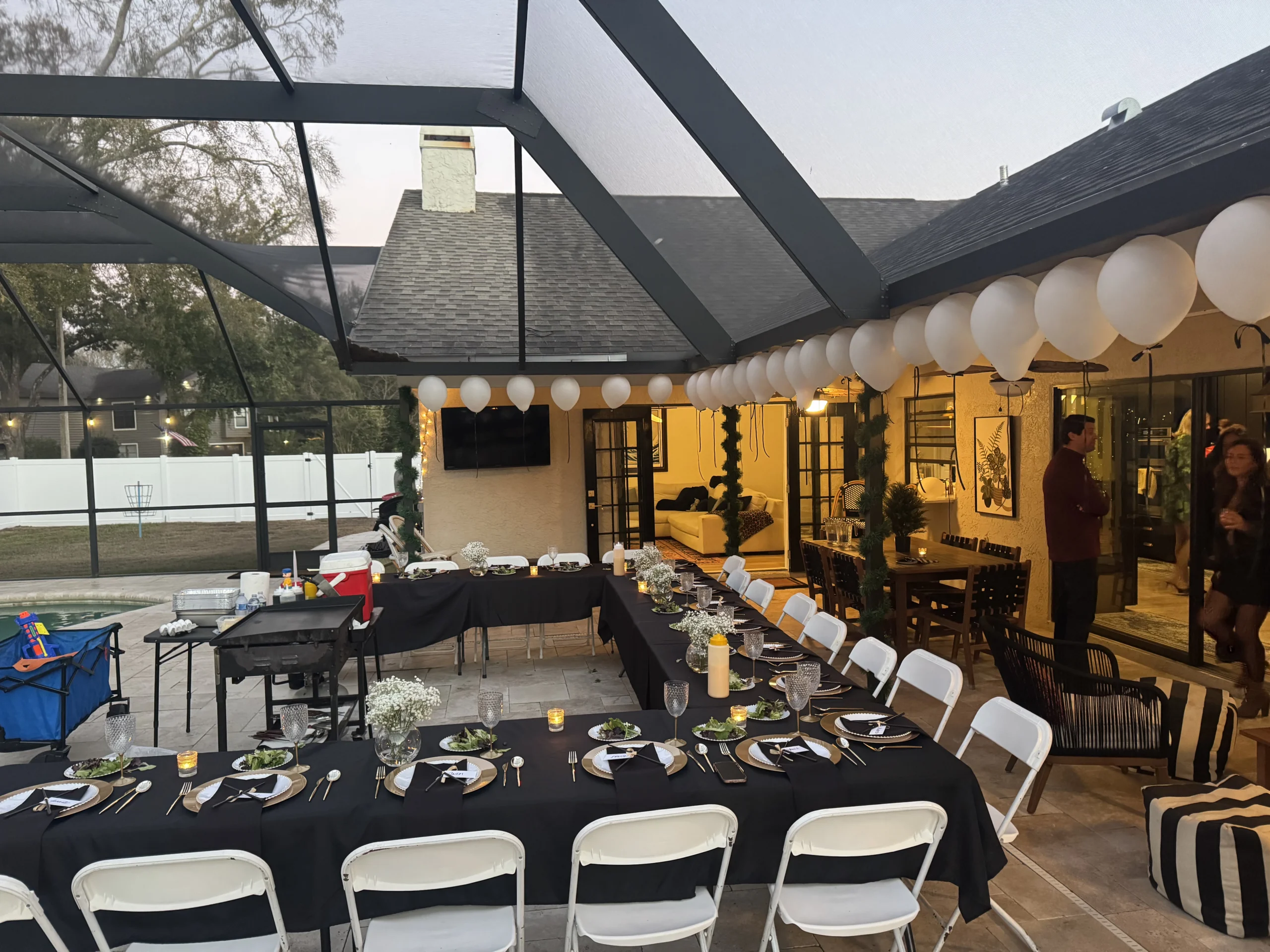
Make sure there’s enough room for the grill, chef, and guest seating in a semi‑circle so everyone can see the action. A driveway, patio, or backyard deck often works best. [rezku]
– Timing your event
For outdoor parties in the Southeast, schedule hibachi for late afternoon or early evening to avoid extreme midday heat in summer. [rezku]
– Communicating dietary needs early
Share allergies (shellfish, gluten, sesame) and dietary preferences (no pork, extra spicy, vegetarian options) when booking so the chef can bring appropriate ingredients. [developers.google]
– Creating ambiance
Add simple touches like string lights, background music, and a drink station to elevate the feel without complicating setup. [humblebunny]
– Encouraging participation
Let guests know ahead of time that the chef will perform and interact—this gets kids and adults excited and ready to engage. [wgcontent]
These small steps transform a good hibachi dinner into an unforgettable night your guests associate with your home, your event, and your brand as a host. [impact-digital.co]
Why Our Brand Focuses on Authentic Japanese Hibachi
At Hibachi Sake Sake, our core experience is authentic, Japanese‑style teppanyaki in your backyard or private venue, not generic stir‑fry in buffet pans. We prioritize:
– Real teppanyaki grills and equipment suitable for outdoor residential spaces
– Chefs trained in performance and precision cooking, not just line‑style production
– High‑quality proteins and fresh produce, seasoned in true hibachi style
– A show designed for photos, kids, and group memories
So if you’re browsing online and see “Chinese hibachi,” understand that it often means a buffet‑style, sauce‑heavy stir‑fry station. If what you truly want is the dramatic Japanese hibachi grill show you’ve seen in steakhouses—brought directly to your home in Florida, Georgia, South Carolina, or North Carolina—then you’re looking for a mobile teppanyaki experience like ours. [rezku]
Call to Action: Book Your Private Japanese Hibachi Experience
If you’re planning a birthday, graduation, holiday party, family gathering, corporate event, or luxury private dinner in Florida, Georgia, South Carolina, or North Carolina, now is the time to reserve your date. [rezku]
Bring the authentic Japanese hibachi grill show to your backyard with Hibachi Sake Sake.
– Enjoy a private chef, fresh ingredients, and an unforgettable live performance at your home or chosen venue.
– Perfect for groups who want restaurant‑quality food without leaving the house.
– Limited dates are available during peak seasons and holidays.
Book your private hibachi experience today and turn your next gathering into a sizzling, high‑energy celebration your guests will never forget. [rezku]
Frequently Asked Questions (FAQ)
1. Is “Chinese hibachi” the same as Japanese hibachi?
No. “Chinese hibachi” is usually a buffet or stir‑fry station at Chinese‑American restaurants, while Japanese hibachi refers to teppanyaki—an interactive grill show with a dedicated chef.
2. What do I need to host a mobile hibachi party at home?
You typically need an outdoor space (patio, deck, or driveway), enough room for a grill and seating, and access to power if required by the provider. The chef brings the grill, equipment, and ingredients. [rezku]
3. Can you accommodate food allergies and dietary restrictions?
Most professional mobile hibachi services can adapt for common allergies (shellfish, gluten, nuts) and preferences (no pork, halal‑friendly, vegetarian), as long as you share details when booking. [developers.google]
4. How far in advance should I book a private hibachi chef?
For weekends, holidays, and graduation season, it’s wise to book several weeks to a month in advance, especially in popular areas of Florida, Georgia, South Carolina, and North Carolina. [rezku]
5. Is hibachi suitable for corporate events and team building?
Yes. Hibachi works extremely well for corporate gatherings because it provides a built‑in icebreaker, shared entertainment, and easy, informal conversation around the grill. [rezku]
References
1. Love Hibachi – “Chinese Hibachi vs. Japanese Hibachi – What’s the Difference?” (Original article content and structure). [https://lovehibachi.com/blog/detail?id=202506093]
2. Google Search Central – “Creating Helpful, Reliable, People‑First Content.” E‑E‑A‑T and quality guidelines. [https://developers.google.com/search/docs/fundamentals/creating-helpful-content] [developers.google]
3. WG Content – “E‑E‑A‑T for content quality.” Practical roadmap for demonstrating experience, expertise, authority, and trust. [https://wgcontent.com/blog/eeat-content-quality-seo-geo/] [wgcontent]
4. Rezku – “How to Get More Website Visits and Rank Higher on Google.” Restaurant‑focused SEO insights for menus, reviews, and local presence. [https://rezku.com/blog/seo-for-restaurants-rank-higher-google/] [rezku]
5. Impact Digital – “How SEO Content Can Elevate Your Sushi Bar Online.” Positioning, storytelling, and content ideas for Japanese dining experiences. [https://www.impact-digital.co.uk/how-seo-content-can-elevate-your-sushi-bar-online/] [impact-digital.co]
6. Yash Runthala – “Food Blog SEO Guide for Recipes and Restaurants.” Title, headings, and on‑page optimization tips. [https://yashrunthala.com/blog/food-blog-seo-guide-for-recipes-and-restaurants/] [yashrunthala]
7. LinkedIn – “8 Local GEO Strategies to Help Restaurants Rank in AI Search.” Visual content and review strategy insights. [https://www.linkedin.com/pulse/8-local-geo-strategies-help-restaurants-rank-ai-search-claudia-tomina-injge] [linkedin]
Hot tags: Private Hibachi Catering Services, Mobile Hibachi Chef Booking, Backyard Hibachi Party Packages, Corporate Event Hibachi Catering, Luxury Private Dining Experiences, Outdoor Teppanyaki Chef Service, B2B Event Catering Partnerships, Multi State Catering Provider Florida Georgia Carolinas, On Site Hibachi Catering Solutions