
Content Menu
● Hibachi vs. Teppanyaki: Getting the Name—and the Experience—Right
● From Kobe to New York: How Hibachi Culture Was Born
>> The Misono origins: teppanyaki starts entertaining
>> Rocky Aoki and the Benihana revolution
● How American Hibachi Evolved for Local Tastes
>> The flavor profile: big, rich, and satisfying
>> The performance: more than just cooking
● Why Private & Mobile Hibachi Is Exploding in Popularity
● Real‑World Private Hibachi Use Cases in the Southeast
● How a Private Hibachi Event Works (Step by Step)
● Experience, Expertise, and Safety: What Sets Professional Mobile Chefs Apart
● Practical Tips for Hosting a Backyard Hibachi Party
● Sample On‑Page Table: Event Types and Hibachi Fit
● Ready to Bring Hibachi to Your Backyard?
● Frequently Asked Questions (FAQ)
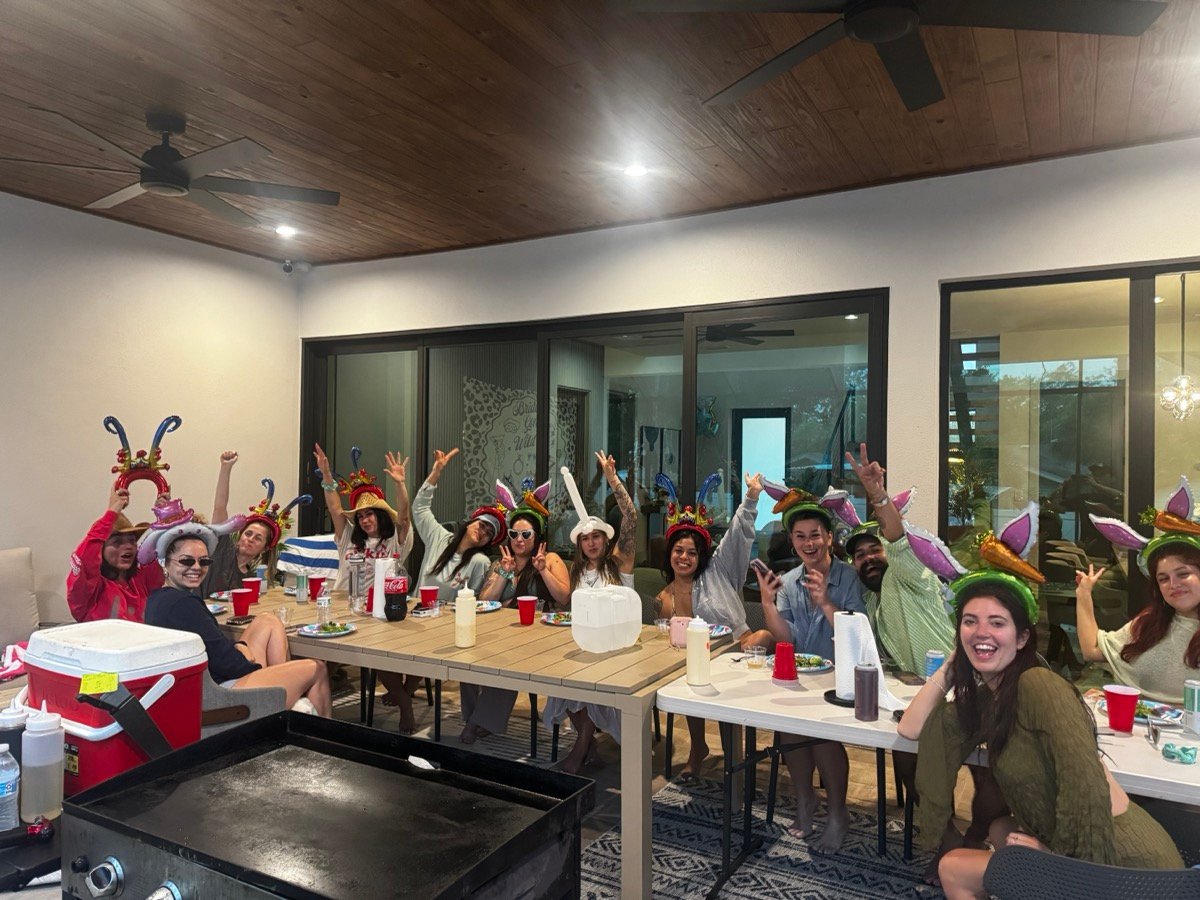
When people in the United States say they are “going out for hibachi,” they rarely mean a small Japanese charcoal heater. They are picturing a high‑energy experience: a chef flipping shrimp into the air, building onion volcanoes, firing streams of hibachi sake, and cooking steak, chicken, and fried rice on a blazing flat‑top grill while everyone laughs around the table. For many families in Florida, Georgia, South Carolina, and North Carolina, this has become the go‑to way to celebrate birthdays, graduations, holidays, and even corporate events right in their own backyard. [impact-digital.co]
As a private hibachi and mobile teppanyaki chef team, we have cooked hundreds of these events on driveways, pool decks, and patios across the Southeast, and we’ve seen firsthand how this “hibachi culture” actually works in real life—not just inside restaurants. In this guide, we’ll walk you through where American hibachi really comes from, what makes it different from traditional Japanese teppanyaki, and how the experience changes when you bring a professional hibachi chef directly to your home or event. [impact-digital.co]
Hibachi vs. Teppanyaki: Getting the Name—and the Experience—Right
Most American diners use the word “hibachi,” but the cooking style they love is technically teppanyaki. [impact-digital.co]
– In Japan, a hibachi (火鉢, “fire bowl”) is a small container filled with charcoal, traditionally used to warm a room or heat water or tea. [impact-digital.co]
– Teppanyaki (鉄板焼き) literally means “grilled on an iron plate,” and it describes cooking food on a large flat iron griddle—the same kind of surface you see at hibachi‑style restaurants in the U.S. [impact-digital.co]
So why did “hibachi” become the popular term in America?
– Early marketers and restaurant owners likely found “hibachi” shorter, easier to pronounce, and more exotic‑sounding to English speakers. [impact-digital.co]
– Over time, customers simply adopted “hibachi” as the word for any dinner‑and‑a‑show experience around a flat‑top grill. [impact-digital.co]
Today, when guests in Florida or Georgia search “hibachi catering near me” or “backyard hibachi chef,” they are really looking for a teppanyaki‑style private chef who can recreate that restaurant energy at home. As professionals in this niche, we respect the Japanese roots of teppanyaki but also recognize that “hibachi” is the term our customers use—so we embrace both, and we explain the difference when people are curious. [developers.google]
From Kobe to New York: How Hibachi Culture Was Born
The style of performance cooking that Americans now associate with hibachi emerged in post‑World War II Japan and then exploded in popularity after arriving in the United States. [impact-digital.co]
The Misono origins: teppanyaki starts entertaining
– In 1945, the Misono restaurant chain in Kobe began cooking steak and other Western‑style ingredients on a teppan griddle. [impact-digital.co]
– Their early guests included American military personnel stationed in Japan, who loved seeing familiar cuts of meat prepared with Japanese precision and a bit of showmanship. [impact-digital.co]
This set the stage for a new kind of interactive, table‑side cooking—one that blended Japanese technique with performance and Western ingredients.
Rocky Aoki and the Benihana revolution
The person most responsible for turning teppanyaki into the “hibachi show” Americans know today is Hiroaki “Rocky” Aoki, founder of Benihana. [impact-digital.co]
When he opened the first Benihana in New York City in 1964, Aoki didn’t just bring over a cooking method—he built a full experience:
– Chefs were trained as performers, not just cooks: juggling knives, cracking jokes, tossing shrimp into pockets, and building dramatic onion volcanoes. [impact-digital.co]
– Menus combined Japanese techniques with U.S. favorites: steak, chicken, shrimp, and fried rice seasoned with garlic, butter, and house sauces designed for American palates. [impact-digital.co]
– Communal tables turned dinner into shared entertainment, making hibachi a natural choice for birthdays and group celebrations. [impact-digital.co]
Within a few decades, Aoki’s formula had inspired thousands of hibachi‑style restaurants across the country. Today, that same formula is being adapted again—this time to private homes, backyards, and corporate venues through mobile hibachi services like Hibachi Sake Sake.
How American Hibachi Evolved for Local Tastes
Traditional Japanese cuisine is often delicate and subtle, while American hibachi is bold, buttery, and theatrical. Over years of cooking for families and companies across the Southeast, we’ve seen the same core expectations again and again. [impact-digital.co]
The flavor profile: big, rich, and satisfying
Classic American hibachi tends to emphasize:
– Butter and garlic on the griddle to create rich, savory aromas that instantly feel familiar to U.S. diners. [impact-digital.co]
– Signature sauces such as creamy “yum yum” sauce and zesty ginger sauce, which are largely American inventions or adaptations rather than classic Japanese condiments. [impact-digital.co]
– Generous portions of protein—steak, chicken, shrimp, or scallops—balanced with fried rice and vegetables. [impact-digital.co]
Guests at private hibachi parties often tell us that this style feels “restaurant‑level,” but the setting—home, backyard, or office—makes it more relaxed and personal. That combination is exactly what keeps them booking again for birthdays, graduations, and holiday gatherings.
The performance: more than just cooking
The show is just as important as the food:
– Knife tricks, egg flips, and rice‑bowl catches keep kids and adults engaged.
– Onion volcanoes and playful sake sprays add a fun, slightly over‑the‑top energy to the evening. [impact-digital.co]
– Light‑hearted jokes and interactive moments help strangers at the same table feel like a group of friends.
As mobile hibachi chefs, we’re constantly adapting this performance to fit the environment—toning it down for more formal corporate events or dialing it up for lively birthday parties.
Why Private & Mobile Hibachi Is Exploding in Popularity
In states like Florida, Georgia, South Carolina, and North Carolina, backyard and driveway hibachi has become one of the fastest‑growing ways to host a memorable event. Local SEO data for restaurants shows that diners increasingly search for experiences that come to them, not just dine‑in reservations. [getcraver]
Here’s what our guests consistently highlight in their reviews:
– Restaurant‑quality food, zero driving: Families can relax at home while we bring the grill, ingredients, and full hibachi show to them.
– Perfect for celebrations: Birthdays, graduations, bachelor/ette parties, and holiday gatherings are easier to host when the entertainment and catering are bundled into one experience.
– All‑weather flexibility: Many homes in these states have patios, decks, or covered outdoor areas, making mobile hibachi possible year‑round with some weather planning.
From a user‑experience perspective, this solves multiple pain points at once: no long waits, no noisy crowded dining rooms, no splitting checks, and no need to coordinate multiple cars or child seats. Instead, hosts can focus on enjoying their own event.
Real‑World Private Hibachi Use Cases in the Southeast
Based on hundreds of events across Florida, Georgia, South Carolina, and North Carolina, here are the scenarios where private hibachi works especially well:
– Birthday parties: Kids love the tricks; adults love the food and the novelty of having a chef in the backyard.
– Family reunions: A hibachi setup becomes the natural gathering point, as everyone circles around the grill to talk, laugh, and eat together.
– Holiday celebrations: Christmas, New Year’s Eve, and July 4th parties become more memorable when there’s a live‑cooking show instead of a standard buffet.
– Graduation parties: Grads get photos with the chef, the flames, and the flying shrimp—instant social‑media content.
– Corporate events: Teams remember an on‑site hibachi experience far more than a typical catered lunch or a restaurant reservation.
Our guests often tell us: “It felt like a restaurant, but more relaxed—and all our friends were together in one place.” That combination of familiarity and novelty is a big reason private hibachi generates repeat bookings and word‑of‑mouth referrals.
How a Private Hibachi Event Works (Step by Step)
To make this as practical as possible, here’s a simple overview of how most private hibachi events unfold with a professional mobile team:
1. Inquiry and event planning
– You pick your date, time, and location within our service areas in Florida, Georgia, South Carolina, or North Carolina.
– We discuss group size, menu preferences (chicken, steak, shrimp, vegetarian options), and any dietary restrictions.
2. Menu confirmation and guest count
– You confirm your final headcount and menu selections before the event.
– We plan portions to ensure generous servings without unnecessary waste.
3. Day‑of setup
– The chef arrives early with the grill, tools, and ingredients.
– We set up in your backyard, driveway, patio, or other outdoor space with access to a safe, level surface.
4. The show and dinner service
– Guests gather around the grill as the chef starts the performance: knife tricks, egg spins, onion volcano, sake sprays (for adults only), and plenty of photo moments.
– Courses are cooked fresh in front of the group and served immediately—no heat lamps or holding trays.
5. Clean‑up and wrap‑up
– After service, we clean our station and pack out, leaving your space as we found it (or cleaner).
– Hosts and guests can continue enjoying the evening without worrying about dishes or kitchen cleanup.
This clear structure reassures new customers and helps them picture exactly how a private hibachi event will fit into their home or venue.
Experience, Expertise, and Safety: What Sets Professional Mobile Chefs Apart
Google’s E‑E‑A‑T framework emphasizes experience, expertise, authoritativeness, and trustworthiness—all essential in food service. When you invite a hibachi chef into your backyard, those elements matter even more. [developers.google]
Here’s what to look for (and what we build into every event):
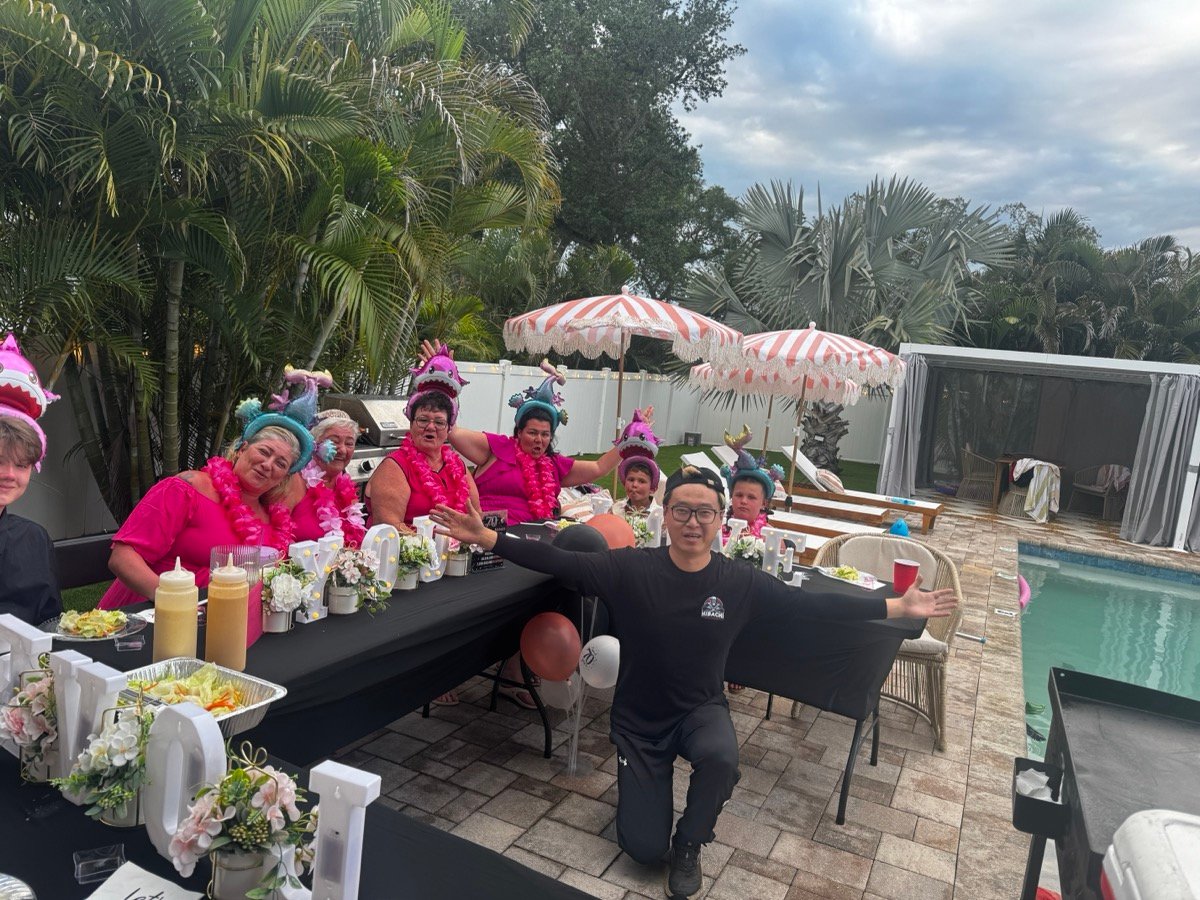
– Hands‑on experience: A professional mobile hibachi team has cooked at dozens or hundreds of private locations—learning how to handle tight spaces, different weather conditions, and varied outdoor setups.
– Food‑safety training: Safe food handling, proper cooking temperatures, and cross‑contamination prevention are essential, especially when cooking outdoors.
– Showmanship with boundaries: Skilled chefs can read the room, adapting jokes, sake sprays, and tricks to suit families with kids, mixed‑age groups, or more formal corporate environments.
– Transparent policies: Clear communication about pricing, what’s included, deposit and cancellation policies, and what hosts need to prepare (space, power if needed, etc.) builds trust from the start.
User reviews and testimonials are also an important part of E‑E‑A‑T. Many guests mention details like “the chef arrived early,” “everything was spotless afterward,” and “my kids are still talking about the onion volcano,” which signal both reliability and real‑world experience. [anotherconcept.co]
Practical Tips for Hosting a Backyard Hibachi Party
To help your event run smoothly and feel special, here are some expert tips drawn from real private hibachi parties:
– Choose the right space: A flat, open area like a patio, carport, or driveway works best. Make sure there’s enough clearance around the grill for safety and airflow.
– Plan for weather: In Florida and the Carolinas, sudden showers are common. A covered area or backup plan keeps the show going even if the sky changes.
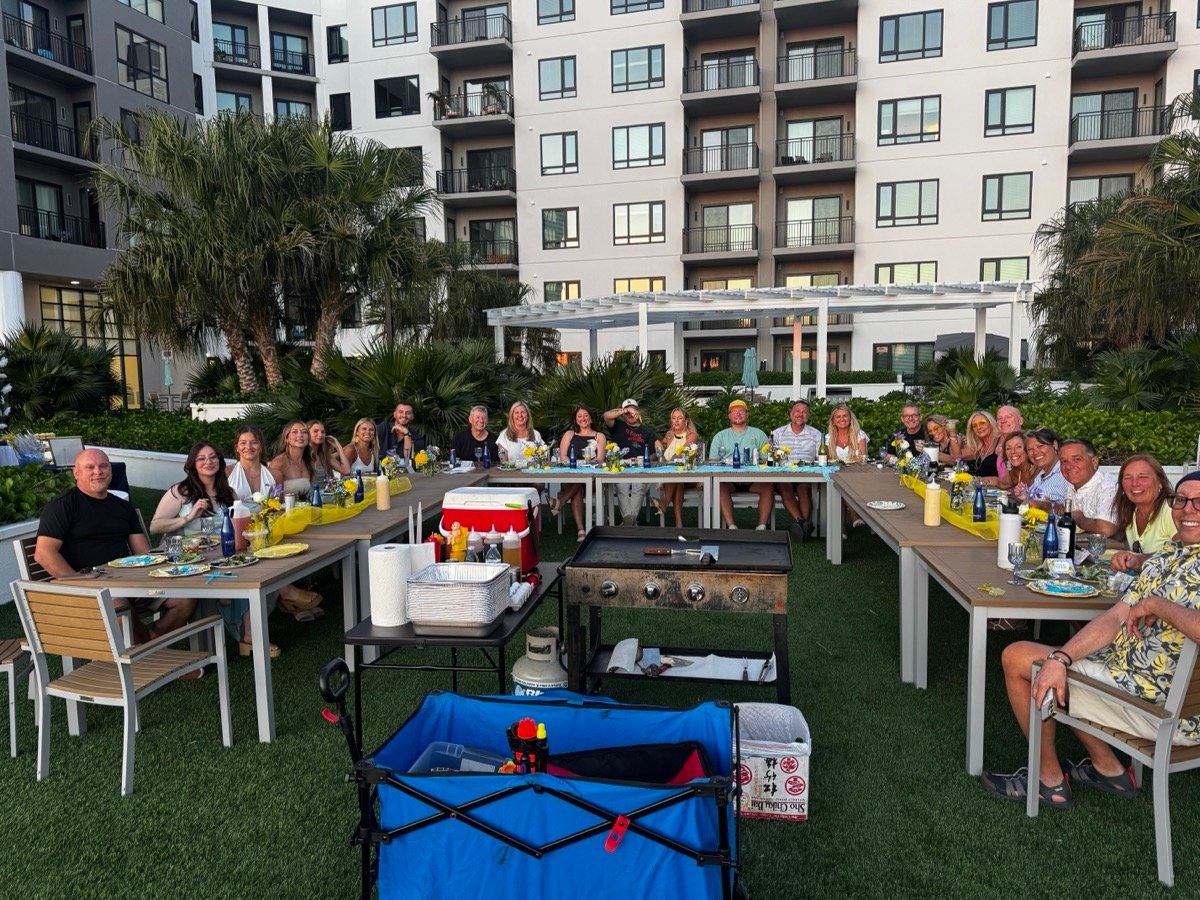
– Think about seating: Arrange chairs or benches so everyone can see the grill and interact with the chef. Circular or U‑shaped setups work well.
– Set the mood: Simple touches—string lights, music, and maybe a small bar or drink station—can turn your backyard into a mini restaurant.
– Communicate dietary needs upfront: Let your hibachi chef know in advance about allergies, vegetarian guests, or special preferences so we can plan safe and satisfying alternatives.
These small details have an outsized impact on guest satisfaction and the overall feel of your event.
Sample On‑Page Table: Event Types and Hibachi Fit
You can embed a simple table like this within the article to improve scannability and keyword coverage:
| Event type | Ideal group size | Why hibachi works well |
|---|---|---|
| Birthday party | 8–25 guests | Built‑in show keeps all ages engaged and creates memorable photos |
| Family gathering | 10–30 guests | Shared grill becomes the social center of the event |
| Holiday celebration | 8–20 guests | Feels special without leaving home; easy to repeat annually |
| Graduation party | 10–30 guests | Fun, celebratory, and highly shareable on social media |
| Corporate team event | 10–40 guests | Breaks the ice, encourages conversation, and feels different from a buffet |
Ready to Bring Hibachi to Your Backyard?
If you’re in Florida, Georgia, South Carolina, or North Carolina and want to turn your next celebration into a sizzling show, a mobile hibachi experience is one of the easiest ways to impress guests without spending weeks planning. [linkedin]
Our Hibachi Sake Sake team brings the full restaurant‑style teppanyaki experience to your home, vacation rental, or event venue: chef, grill, ingredients, and unforgettable show. Whether it’s a child’s birthday, a family reunion, or a luxury private dinner, we handle the cooking and entertainment so you can actually enjoy your own party.
Book your private hibachi chef today and turn your backyard into the hottest table in town—availability fills up quickly for weekends and holidays, so reserve your date now.
Frequently Asked Questions (FAQ)
1. What areas do you serve for private hibachi events?
We provide mobile hibachi and private teppanyaki chef services across Florida, Georgia, South Carolina, and North Carolina, focusing on residential backyards, vacation rentals, and event venues within our standard service zones. [impact-digital.co]
2. Do I need any special equipment or setup at home?
You don’t need a built‑in grill or outdoor kitchen; we bring the professional flat‑top hibachi grill, tools, and ingredients. All you need is a safe, flat outdoor area with enough space for the grill and guest seating.
3. Can you accommodate food allergies and dietary restrictions?
Yes. When you book, simply let us know about allergies (such as shellfish, gluten, or nuts), as well as vegetarian or other dietary needs. We plan the menu and cooking process to keep guests safe and included.
4. How long does a typical private hibachi event last?
Most events run 1.5 to 2 hours from the start of the show to the last plate served, depending on group size and the menu. Larger parties or corporate events may take slightly longer to ensure everyone is served and entertained.
5. Is hibachi suitable for corporate or formal events?
Absolutely. We regularly cook for corporate teams, client appreciation dinners, and more formal gatherings, and we adjust the style of the show to match the tone of your event—fun and engaging, but always professional.
References
1. Google Search Central. “Creating Helpful, Reliable, People‑First Content.” https://developers.google.com/search/docs/fundamentals/creating-helpful-content
2. Another Concept. “EEAT Guidelines: What Are They and How Do I Follow Them?” https://anotherconcept.co.uk/guides/e-e-a-t-guidelines-what-are-they-and-how-do-i-follow-them
3. Love Hibachi. “Sizzle and Showmanship: Tracing the Roots of American ‘Hibachi Culture’.” https://lovehibachi.com/blog/detail?id=20250414
4. Impact Digital. “How SEO Content Can Elevate Your Sushi Bar Online.” https://www.impact-digital.co.uk/how-seo-content-can-elevate-your-sushi-bar-online/
5. Get Craver. “Local SEO for Restaurants: How to Optimize Your Google Business Profile.” https://www.getcraver.com/blog/seo-for-restaurants/
Hot tags: Private Hibachi Chef Services, Backyard Hibachi Catering, Mobile Hibachi Catering, Corporate Hibachi Events, Luxury Private Dining Experiences, Outdoor Teppanyaki Catering, Event Catering Solutions, On-Site Chef Services, Group Dining Experiences, Premium Food Service Providers