
Content Menu
● Why Hibachi Dining Creates Unforgettable Guest Experiences
● Hibachi Shrimp: The Omega-3 Rich Crowd Pleaser
>> Nutritional Benefits of Hibachi Shrimp
>> Expert Preparation Techniques
● Hibachi Chicken: The Lean Protein Foundation
● Hibachi Vegetables: The Nutrient-Dense Supporting Star
>> Nutritional Powerhouses on the Grill
>> Cooking Techniques That Preserve Nutrients
>> Accommodating Plant-Based Guests
● Hibachi Fried Rice: The Flavor-Absorbing Essential
>> The Art of Hibachi Fried Rice
>> Calorie Considerations and Healthier Alternatives
● Hibachi Steak: The Premium Centerpiece
>> Expert Steak Preparation Techniques
>> Cooking Times and Temperature Guidelines
>> Flavor Enhancement with Garlic Butter
>> Calorie and Nutritional Information
● Planning Your Perfect Hibachi Event Menu
>> Portion Planning Guidelines
● The Hibachi Sake Sake Difference
Planning a memorable event in Florida, Georgia, or the Carolinas? Hibachi dining transforms ordinary gatherings into extraordinary culinary experiences that your guests will talk about for months. As a mobile hibachi service provider with over six years of experience bringing restaurant-quality teppanyaki entertainment directly to backyards, corporate events, and private celebrations, I’ve witnessed firsthand how the right dish selections can elevate any occasion from birthday parties to luxury dinners. [prweb]
This comprehensive guide explores five essential hibachi dishes that consistently impress guests, backed by nutritional insights, expert cooking techniques, and practical hosting tips that you won’t find in typical restaurant menus.
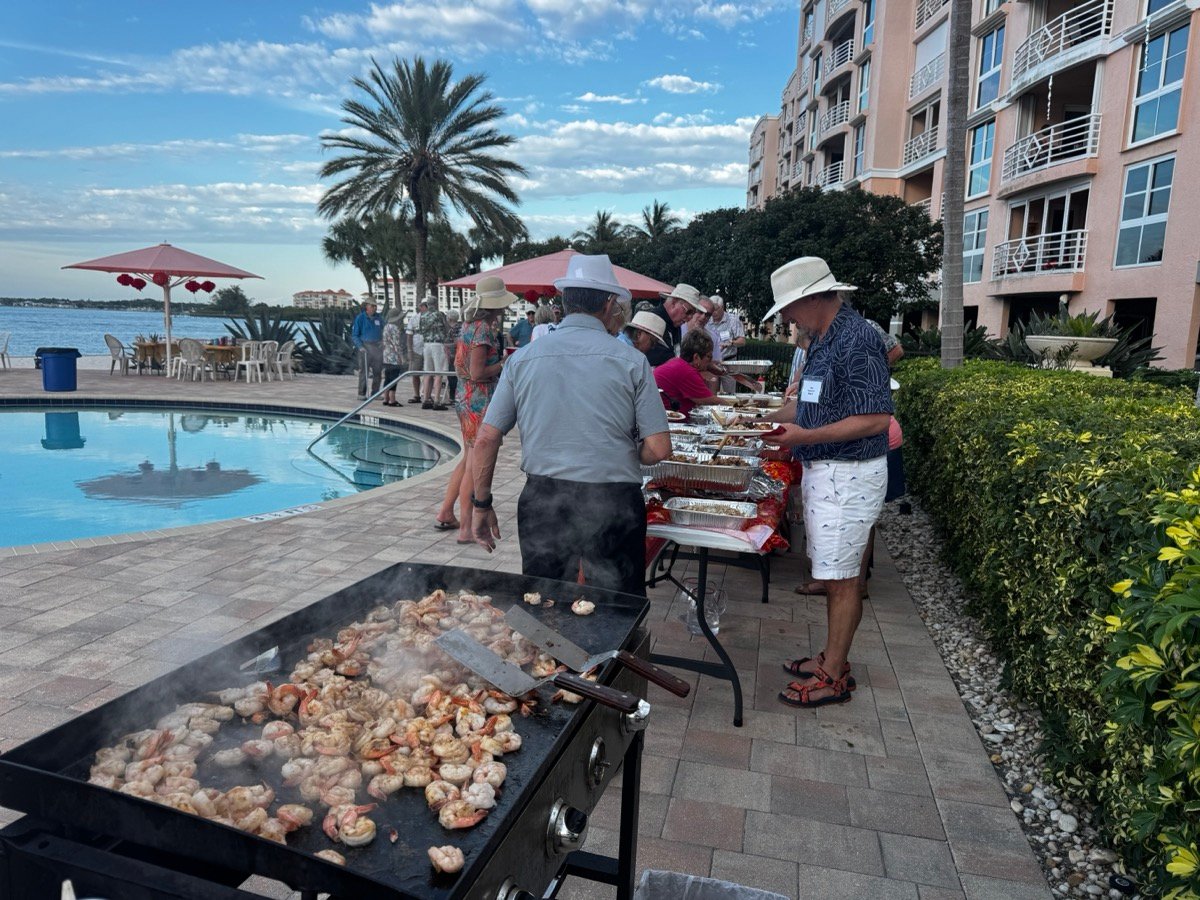
Why Hibachi Dining Creates Unforgettable Guest Experiences
Hibachi cuisine delivers far more than exceptional food—it creates an immersive, multi-sensory entertainment experience that engages guests in ways traditional catering simply cannot match. The theatrical presentation, aromatic flavors, and interactive cooking process transform meals into shared memories. Recent industry data shows the private dining and at-home hibachi market has experienced sustained double-digit growth, driven by consumers seeking premium, personalized culinary experiences over conventional restaurant visits. [impact-digital.co]
The key advantages of hibachi catering include:
– Live culinary performance that entertains while preparing fresh, customized meals
– Flexibility to accommodate diverse dietary preferences and restrictions in real-time
– Interactive cooking that serves as a natural conversation starter and icebreaker
– Restaurant-quality cuisine prepared fresh on-site with theatrical flair
When you bring hibachi to your backyard party, graduation celebration, or corporate gathering, you’re investing in an experience that creates lasting impressions far beyond standard catering options.
Hibachi Shrimp: The Omega-3 Rich Crowd Pleaser
Hibachi shrimp stands as one of the most versatile and universally appealing options for events of all sizes. Shrimp cooks rapidly on the high-heat flat grill—typically requiring just 2-3 minutes per side—making it ideal for serving large groups efficiently while maintaining optimal texture and flavor. [hibachiyume]
Nutritional Benefits of Hibachi Shrimp
Beyond its delicious taste, hibachi shrimp offers impressive health credentials. A standard 6-ounce serving contains approximately 200-300 calories when prepared with minimal oil, making it the leanest protein option in the hibachi repertoire. Shrimp provides exceptional nutritional value, including high-quality protein for muscle building and repair, omega-3 fatty acids that support cardiovascular health, and selenium, an essential mineral that supports immune function. [hibachifamily]
Expert Preparation Techniques
Professional hibachi chefs employ specific techniques to maximize shrimp’s natural sweetness while achieving the characteristic sear that locks in moisture. The secret lies in preheating the grill to extremely high temperatures before adding seasoned shrimp, allowing for quick cooking that prevents the delicate seafood from becoming rubbery. Quality preparation involves minimal seasoning—typically just sea salt, black pepper, and a touch of garlic butter—allowing the shrimp’s natural flavor to shine through. [agfg.com]
For guests with shellfish sensitivities, this dish can be easily substituted with scallops or white fish, demonstrating the adaptability that makes mobile hibachi services so valuable for diverse groups.
Hibachi Chicken: The Lean Protein Foundation
Hibachi chicken serves as the cornerstone of countless successful events, offering familiar comfort with an elevated presentation that appeals to guests of all ages. Grilled chicken breast cooked hibachi-style delivers approximately 350-450 calories per 6-ounce serving, making it an excellent choice for health-conscious attendees. [hibachifamily]
Why Chicken Works for Every Occasion
Chicken’s versatility makes it the perfect canvas for hibachi customization. Unlike beef, chicken absorbs marinades and seasonings readily while maintaining a tender texture when properly grilled. The high-heat cooking method creates a flavorful exterior sear while preserving internal moisture, resulting in juicy chicken that pairs beautifully with hibachi vegetables, fried rice, or noodles. [hibachifamily]
Nutritional Profile and Health Advantages
Grilled chicken breast ranks among the healthiest hibachi protein options, providing high-quality lean protein with minimal saturated fat. This makes it particularly suitable for guests focusing on weight management or muscle building. The absence of breading and deep-frying means you receive pure protein benefits without unnecessary calories or unhealthy fats. [hibachiwithus]
Pairing Recommendations
I typically recommend serving hibachi chicken alongside grilled vegetables like zucchini, mushrooms, and onions for a complete, balanced meal. The combination provides essential vitamins, minerals, and fiber while keeping total calorie counts reasonable—a complete chicken and vegetable hibachi meal typically ranges from 500-650 calories, significantly lower than many traditional catering options. [hibachifamily]
Hibachi Vegetables: The Nutrient-Dense Supporting Star
Far from being mere garnish, hibachi vegetables represent one of the healthiest and most visually appealing components of any hibachi spread. Grilled zucchini, onions, carrots, broccoli, and mushrooms add vibrant color, essential nutrients, and satisfying texture diversity to your event menu. [hibachiyume]
Nutritional Powerhouses on the Grill
The quick, high-heat cooking method used in hibachi preparation helps vegetables retain their nutritional value better than boiling or prolonged roasting. Vegetables like broccoli and zucchini maintain high levels of vitamins C and K, antioxidants that support overall health and immune function. The fiber content aids digestion and helps guests feel satisfied without excessive calorie consumption. [hibachiyume]
Cooking Techniques That Preserve Nutrients
Professional hibachi chefs use a stir-fry approach with constant movement on the grill, ensuring even cooking without burning. This technique, performed at temperatures exceeding 500°F, creates a pleasant char while maintaining the vegetables’ structural integrity and nutritional content. A light coating of sesame oil and soy sauce enhances flavor without overwhelming the natural taste. [agfg.com]
Accommodating Plant-Based Guests
With plant-based diets growing in popularity, hibachi vegetables can serve as either a complementary side or the main attraction. For vegetarian and vegan guests, I often prepare expanded vegetable portions with tofu, creating a complete protein-rich meal that rivals meat-based options in satisfaction and nutritional value. [hibachifamily]
Hibachi Fried Rice: The Flavor-Absorbing Essential
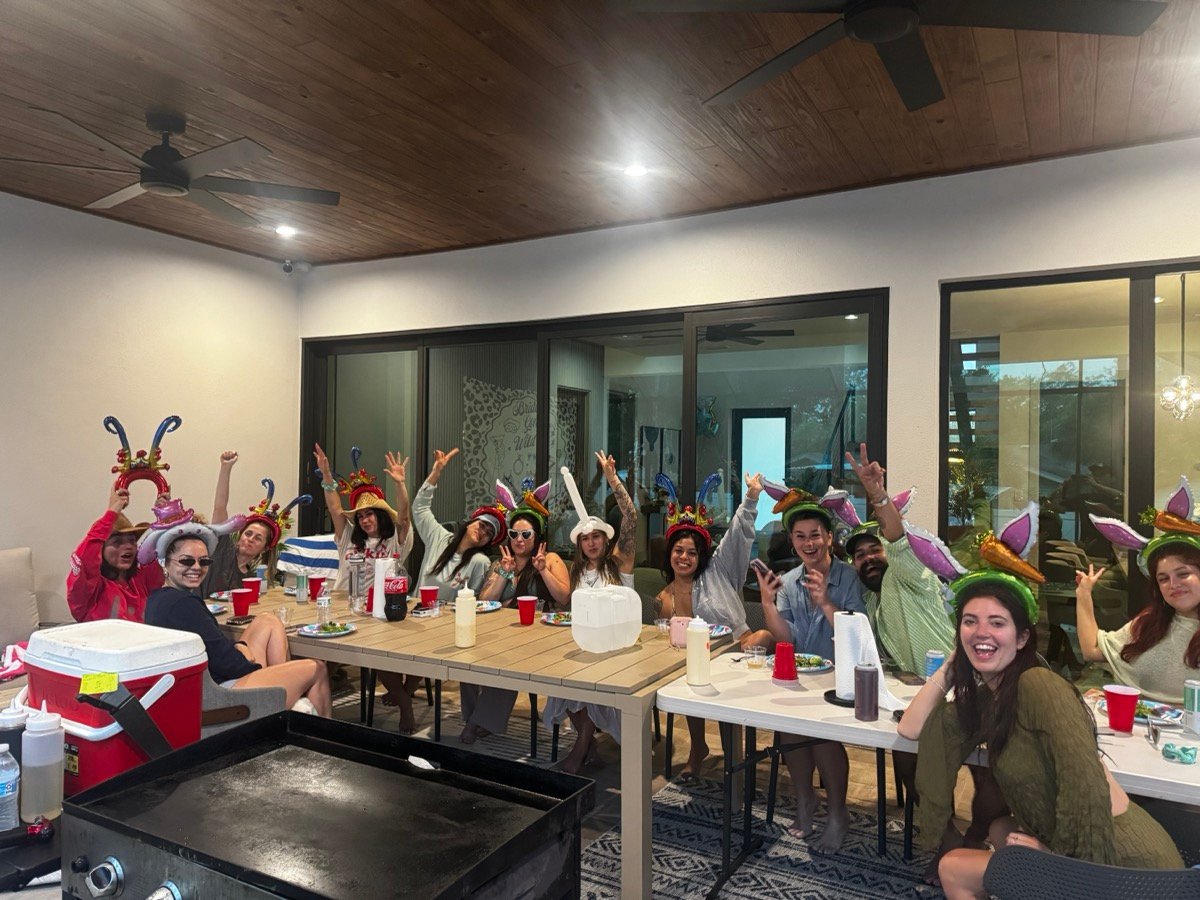
No hibachi experience feels complete without the signature fried rice, cooked directly on the flat-top grill where it absorbs the residual flavors from proteins and vegetables prepared earlier. This dish serves as the culinary glue that ties the entire meal together, offering textural contrast and flavor complexity. [wiredmedia.co]
The Art of Hibachi Fried Rice
Authentic hibachi fried rice requires constant movement on the grill—chefs continuously stir, flip, and toss the rice to ensure even cooking and prevent burning. Eggs scrambled directly into the rice add protein and richness, while chopped vegetables provide color and nutrition. The entire cooking process takes approximately 8-10 minutes, during which the rice develops its characteristic slightly crispy exterior and fluffy interior.
Calorie Considerations and Healthier Alternatives
A standard one-cup serving of hibachi fried rice contains approximately 350-500 calories, with the variation depending on the amount of oil and egg used in preparation. While more calorie-dense than steamed rice, the flavor and satisfaction it provides often means guests need smaller portions to feel satisfied. [hibachifamily]
For health-conscious events, I offer brown rice as an alternative, which provides additional fiber, B vitamins, and essential minerals while maintaining the characteristic hibachi preparation style. This simple substitution can enhance the nutritional profile without sacrificing the theatrical cooking experience guests expect. [hibachiyume]
Customization Options
Fried rice adapts easily to accommodate dietary preferences—we can prepare versions with extra vegetables, reduced oil, or specific protein additions like diced chicken or shrimp mixed directly into the rice for a more substantial offering.
Hibachi Steak: The Premium Centerpiece
For events where you want to make a lasting impression, hibachi steak delivers unmatched visual appeal and rich flavor. High-quality cuts like top sirloin or ribeye, grilled at extreme temperatures, develop a caramelized crust while maintaining a tender, juicy interior that consistently wows guests. [mashed]
Expert Steak Preparation Techniques
According to professional hibachi chefs, achieving the perfect steak requires attention to three critical factors: seasoning timing, grill temperature, and resting period. Premium results require seasoning steaks at least 30 minutes before cooking, allowing salt and pepper to penetrate the meat properly. The grill must be preheated to maximum heat to achieve the characteristic sear that locks in juices and creates complex flavor compounds. [mashed]
Cooking Times and Temperature Guidelines
Thanks to the intense heat of hibachi grills, steaks cook remarkably quickly:
– Medium-rare: 3-4 minutes total cooking time
– Medium: 4-6 minutes total cooking time
– Well-done: 6-7 minutes total cooking time
After removing from heat, steaks must rest for 3-5 minutes, allowing juices to redistribute throughout the meat for maximum tenderness and flavor. [mashed]
Flavor Enhancement with Garlic Butter
The signature technique that elevates hibachi steak involves basting with garlic butter before flipping, then repeating on the second side. This creates layers of rich flavor while adding aromatic complexity that fills the air and builds anticipation among waiting guests. [mashed]
Calorie and Nutritional Information
A 6-ounce serving of hibachi steak contains approximately 450-600 calories depending on the cut and butter used. While higher in calories than chicken or shrimp, steak provides substantial protein, iron, and B vitamins essential for energy metabolism. For guests seeking indulgence balanced with nutrition, pairing steak with extra vegetables and limiting fried rice portions creates a well-rounded meal. [hibachifamily]
Planning Your Perfect Hibachi Event Menu
When designing menus for clients across Florida, Georgia, South Carolina, and North Carolina, I recommend offering variety that accommodates different preferences while maintaining focus. A balanced hibachi menu typically includes two protein options (one seafood, one meat), vegetable selections, and fried rice or noodles as the base.
Suggested Menu Combinations for Different Events:
– Birthday Celebrations: Hibachi chicken and shrimp with vegetables and fried rice appeals to all ages
– Corporate Events: Steak and chicken combination projects premium quality while accommodating diverse preferences
– Family Gatherings: All five dishes in smaller portions allows guests to sample variety
– Luxury Private Dinners: Premium steak and lobster combination with chef’s special preparations
Portion Planning Guidelines
For optimal guest satisfaction without excessive waste, plan approximately 6-8 ounces of protein per person, one cup of fried rice, and generous vegetable portions. Most guests consume 900-1,400 calories during a complete hibachi meal experience, which aligns well with standard dinner expectations. [hibachifamily]
The Hibachi Sake Sake Difference
At Hibachi Sake Sake, we’ve perfected the art of bringing authentic hibachi experiences to your location throughout Florida, Georgia, South Carolina, and North Carolina. Our professional chefs don’t just cook—they perform, creating entertainment value that transforms your backyard, patio, or event space into a premium dining destination.
Whether you’re planning a birthday celebration, graduation party, holiday gathering, corporate event, or luxury private dinner, our mobile hibachi service delivers restaurant-quality cuisine with the convenience of at-home catering and the excitement of live culinary theater. We handle all equipment, ingredients, and cleanup, allowing you to focus entirely on enjoying your event with guests.
Our service includes:
– Professional-grade hibachi grills and all necessary cooking equipment
– Premium ingredients sourced fresh for your event
– Trained chefs skilled in both culinary excellence and entertaining performance
– Customizable menus accommodating dietary restrictions and preferences
– Complete setup and cleanup service
Ready to create an unforgettable dining experience? Contact Hibachi Sake Sake today to discuss your event needs and discover how our mobile hibachi service can transform your next celebration into a memorable culinary adventure.
Frequently Asked Questions
1. How much does mobile hibachi catering cost for a private event?
Mobile hibachi catering typically ranges from $50-$75 per person depending on menu selections, event location, and group size. Premium options featuring steak and lobster may cost more, while chicken and vegetable-focused menus tend toward the lower end. Most services require minimum guest counts of 10-15 people for private events.
2. What equipment do I need to provide for a backyard hibachi party?
Professional mobile hibachi services like Hibachi Sake Sake provide all necessary equipment including commercial-grade flat-top grills, propane, cooking utensils, and serving supplies. You only need to provide an outdoor space with adequate ventilation, access to electrical outlets for lighting if needed, and tables/seating for guests.
3. Can hibachi catering accommodate food allergies and dietary restrictions?
Yes, reputable mobile hibachi services easily accommodate gluten-free, dairy-free, vegetarian, vegan, and allergen-specific requirements. Because meals are prepared fresh on-site, chefs can modify ingredients, use separate cooking surfaces for allergen concerns, and customize each guest’s meal in real-time based on their specific needs.
4. How long does a typical hibachi catering event last?
A complete hibachi experience typically lasts 1.5-2.5 hours depending on group size. This includes setup time, the cooking performance and meal service (usually 45-75 minutes), and cleanup. Chefs typically prepare meals in batches for larger groups, ensuring everyone receives hot, fresh food while maintaining the entertainment aspect.
5. Is hibachi actually healthy compared to other catering options?
Hibachi can be one of the healthier catering choices when you select grilled proteins like chicken, shrimp, or fish paired with generous vegetable portions. The grilling method requires minimal oil compared to frying, and meals are prepared fresh without processed ingredients. A balanced hibachi meal with lean protein and vegetables typically contains 800-1,100 calories, comparable to many restaurant entrees but with superior ingredient quality and customization options.
References
1. Hibachi Yume. “Nutritional Analysis of Hibachi Cuisine.” February 2026. https://hibachiyume.com/blog/nutritional-analysis-of-hibachi-cuisine/
2. Australian Good Food Guide. “Mastering the Art of Hibachi Cooking, Which is Different to Teppanyaki!” February 2024. https://www.agfg.com.au/article/mastering-the-art-of-hibachi-cooking-which-is-different-to-teppanyaki
3. PR Web. “Mobile Hibachi 4U Expands Nationwide, Offering Hibachi Catering at Home.” March 2026. https://www.prweb.com/releases/mobile-hibachi-4u-expands-nationwide
4. Hibachi Family. “Is Hibachi Healthy for You?” September 2025. https://hibachifamily.com/is-hibachi-healthy-for-you/
5. Mashed. “Expert Tips For Cooking The Best Steak Possible On Your Hibachi Grill.” April 2024. https://www.mashed.com/1558331/expert-tips-cook-best-steak-hibachi-grill/
6. FB101. “Andakin Ventures Fuels Global Expansion of Hibachi Worldwide.” February 2026. https://www.fb101.com/andakin-ventures-fuels-global-expansion-of-hibachi-worldwide/
7. Hibachi Family. “How Many Calories in a Hibachi Meal? Your Complete Guide.” September 2025. https://hibachifamily.com/how-many-calories-in-a-hibachi-meal/
8. Hibachi With Us. “Is Hibachi a Healthy Meal Choice for Those Looking to Lose Weight?” December 2024. https://www.hibachiwithus.com/blog/is-hibachi-a-healthy-meal-choice-for-those-looking-to-lose-weight
9. Impact Digital. “How SEO Content Can Elevate Your Sushi Bar Online.” September 2025. https://www.impact-digital.co.uk/how-seo-content-can-elevate-your-sushi-bar-online/
Hot Tags: Hibachi Catering Services, Mobile Hibachi Chef, Private Hibachi Party, Backyard Hibachi Catering, Hibachi Event Planning, Corporate Hibachi Catering, Luxury Private Dining, At Home Hibachi Experience, Hibachi Party Catering, Professional Hibachi Services